Why I Finally Stopped Hating My Night Photos
The first time I tried to photograph Kabukicho, I was a total mess. I had this massive, expensive DSLR hanging off my neck like a lead weight, a tripod that kept tripping up grumpy salarymen, and absolutely zero clue where I was going. I thought I’d just 'wing it.' Huge mistake. I ended up standing in front of a giant Don Quijote sign for forty minutes, blinded by the yellow glare, feeling like a complete amateur while my photos looked like blurry, orange soup. I remember looking at my screen and thinking, 'I've lived here for years, why does this look like a tourist postcard gone wrong?' But then, I actually swallowed my pride and joined a local photo walk. Suddenly, the chaos of the city started to make sense through the viewfinder. My guide didn't just show me where to stand; he showed me how to see. We ducked into a tiny, soot-stained alleyway in Golden Gai where the steam from a ramen shop hit a red neon sign at just the right angle. I literally stopped mid-sentence when I saw the frame. The entire alley was bathed in this cinematic crimson glow, and for about ten seconds, the noise of the city just faded away. That was the moment I realized that Tokyo at night isn't about the big, bright signs—it’s about the shadows and reflections between them. If you’re tired of your photos looking like everyone else’s, booking a professional
Top Rated
Book This Experience
A 3-hour guided night photography tour through Shinjuku's brightest and darkest corners. You'll learn professional low-light techniques and find hidden alleys that aren't on any tourist map.
I've done this twice—once as a beginner and once as a pro—and the hidden spots they show you are worth the price alone.
Book Now ↗
session is the single best investment you can make for your trip. It changed how I look at cities forever. I remember my first successful shot of a taxi driver reflected in a rain puddle; I was so hyped I almost dropped my camera in the water. You don't get those moments by following a Google Map; you get them by following someone who knows which puddles actually matter. And here's the thing: the light in Tokyo changes every single night depending on the humidity and the smog. A guide knows how to adjust for that on the fly. Trust me, your Instagram feed will thank you, but more importantly, you'll actually have a memory that isn't just a blurry mess of light.
The 'Blue Hour'—that 20-minute window right after the sun sets—is when the neon looks most magical against the deep indigo sky. Don't waste it eating dinner! Eat at 9 PM like the locals do.
What You Need to Know Before You Hit the Streets
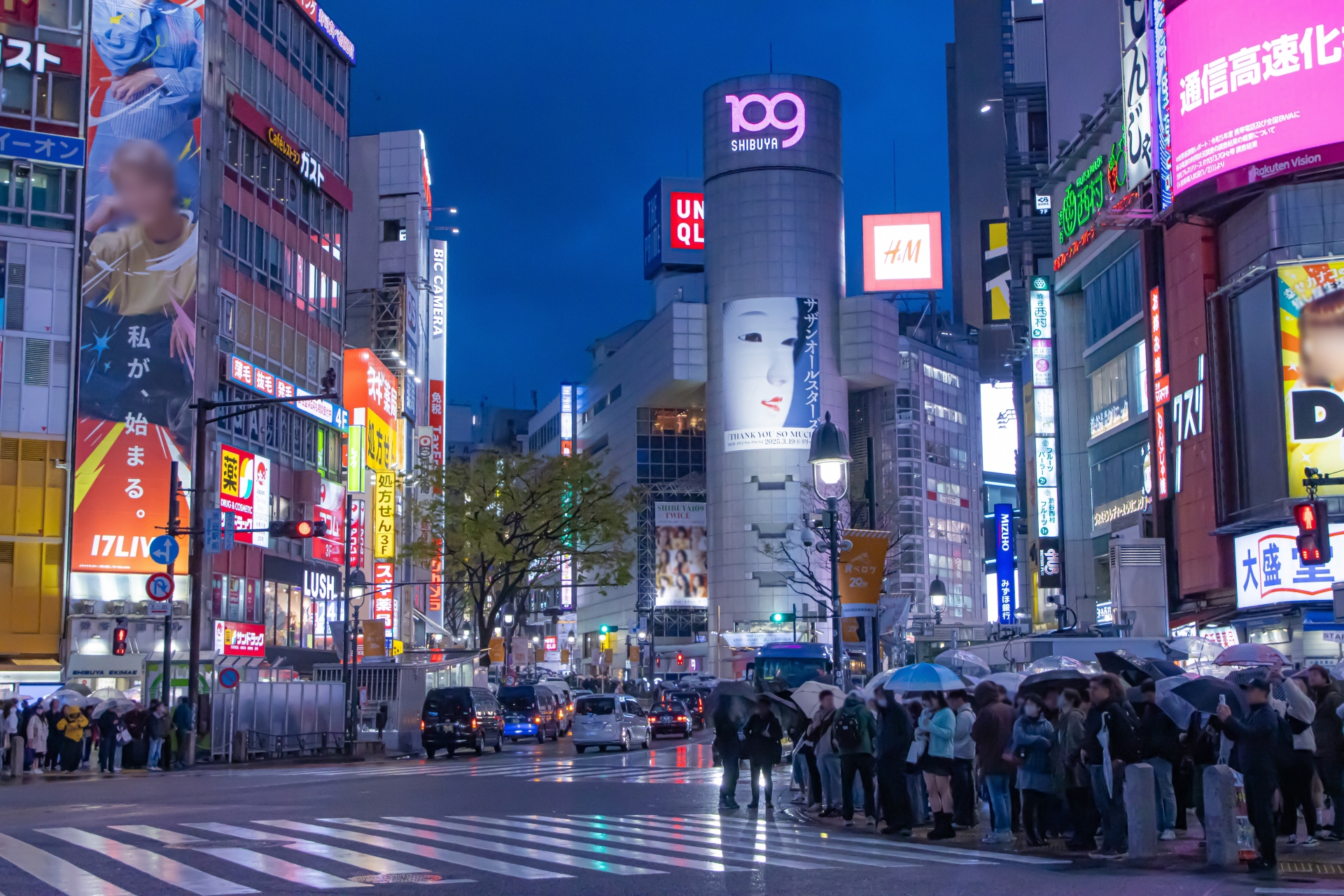
Let’s get real about the 'rookie' errors because I’ve made every single one of them so you don't have to. First rule of 2026: do NOT bring a tripod to Shibuya Crossing. Seriously. You will be a public hazard, and the security guards have zero patience for it these days. I once tried to set up near the Hachiko statue and was politely—but very firmly—escorted away within thirty seconds. It was embarrassing, and honestly, completely unnecessary. Modern cameras and even high-end phones are good enough now that you can shoot handheld if you know the right settings. Second: wear comfortable shoes. I know, you want to look cool for your own street portraits, but I once wore 'fashion' boots on a three-hour walk and by hour two, I was ready to chop my feet off. The pavement in Shinjuku is unforgiving. On top of that, be mindful of where you stay. If you're out late shooting, the last thing you want is a 45-minute train ride back to the suburbs. Finding a spot in
Photographer's Choice
Stay in the Heart of the Neon
Stay in Shinjuku or Shibuya to be steps away from the best night photography spots. You won't have to worry about catching the last train while you're chasing the perfect shot.
The best light happens after midnight; don't let a train schedule ruin your creative flow.
Find Hotels ↗
means you can keep shooting until 2 AM and just stumble back to your room when the 'neon fatigue' finally hits. Another thing—don't be that tourist who shoves a lens in a local's face. I did that once in a tiny yakitori stall and got a very stern 'No!' from a regular. It ruined the vibe for the whole group. Now, I always look for 'the moment' from a distance, or I ask first. Most people are cool if you're respectful. The best photos are the ones where you capture the atmosphere, not just a person's personal space. Oh, and keep an eye on your battery levels. The cold air in Tokyo winters drains them twice as fast as you'd expect. I've seen people's phones die right as the perfect street performer walked into the frame. It's heartbreaking. You'll want to carry a small power bank in your pocket at all times.
Look for construction sites. The green and white safety lights used in Tokyo create incredible, moody contrast against the red and purple neon signs. It's a total cyberpunk vibe.
The Practical Stuff: Is It Actually Worth the Cash?
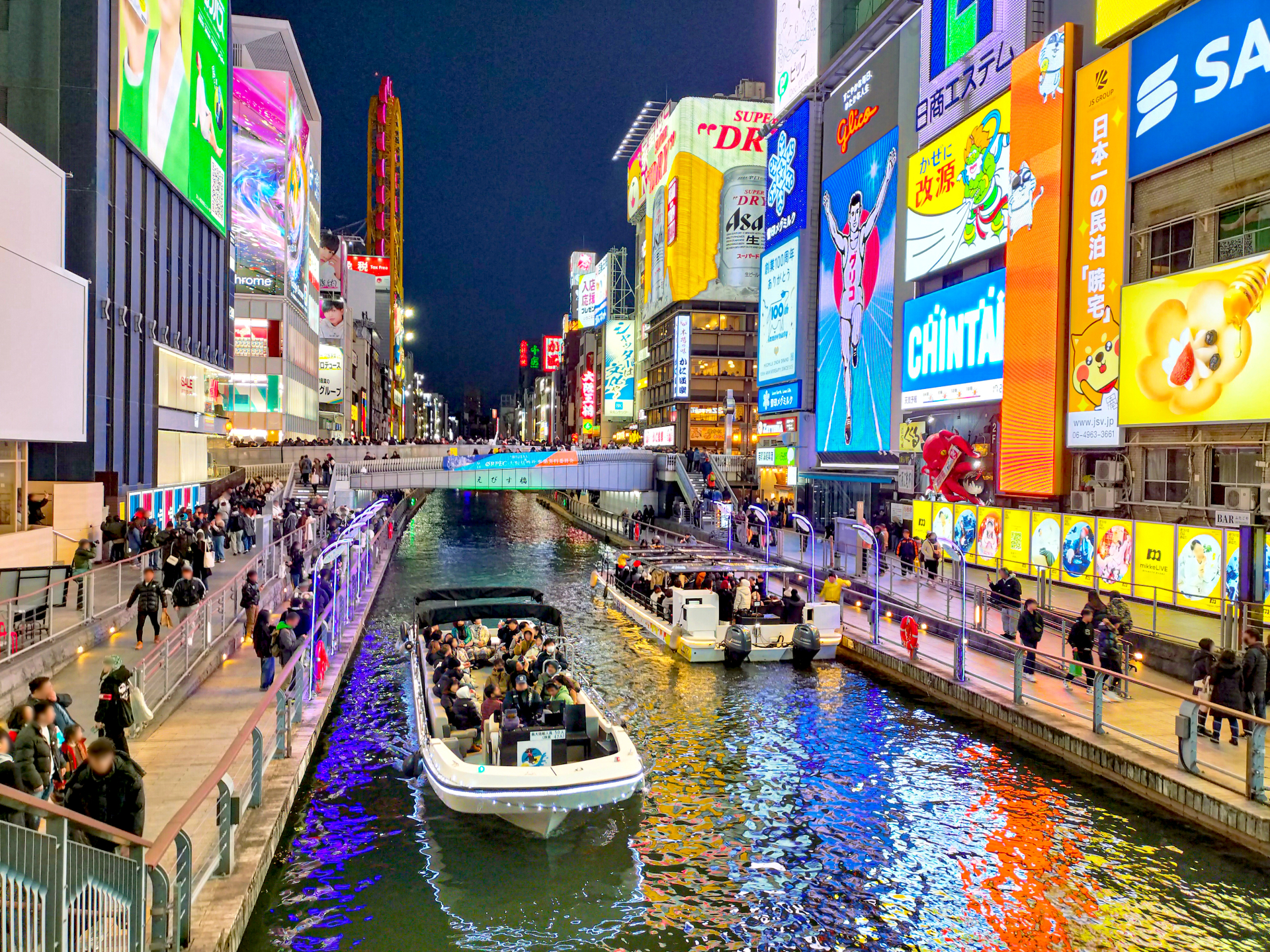
So, is it worth spending 10,000 or 15,000 yen on a photo walk when you could just walk around for free? In my opinion? Yes, but only if you actually care about the craft. If you just want a selfie for the 'gram, just go to a rooftop bar and call it a day. But if you want to understand composition, how to handle 'noise' in low light, and where the secret, non-touristy spots are, then it's a steal. Most of these walks run for about 2.5 to 3 hours, which is the perfect amount of time before your brain gets fried by the sensory overload. I’d personally recommend the Shinjuku routes over the Shibuya ones if you’re after that 'Blade Runner' or 'Cyberpunk' grit. Shibuya is impressive for its scale, but Shinjuku has the soul—the tiny bars, the flickering lights, and the layers of history stacked on top of each other. If you're heading down to Osaka, Dotonbori is a different beast entirely. It's louder, brighter, and way more crowded, which makes for great 'motion blur' shots of the masses. Most guides speak excellent English and are professional photographers themselves, so they won't mind if you ask a million questions about shutter speeds. Just make sure your batteries are fully charged. I once ran out of juice right as a street performer started a fire-spinning show under the neon signs of Kabukicho. I almost cried right there on the sidewalk. Don't be like me. Bring a spare battery, or at least a power bank. Also, check the weather. Rain is actually your best friend in Tokyo. The way the neon bleeds into the wet asphalt is something you just can't replicate on a dry night. If it starts drizzling, don't run for cover—run for your camera.
If it rains, do NOT go home. Rain is a gift. The reflections on the asphalt will double the amount of neon in your shots and clear out the casual tourists.