
Why I Loved This: The Wall of Sound and a Blue Shirt Blunder
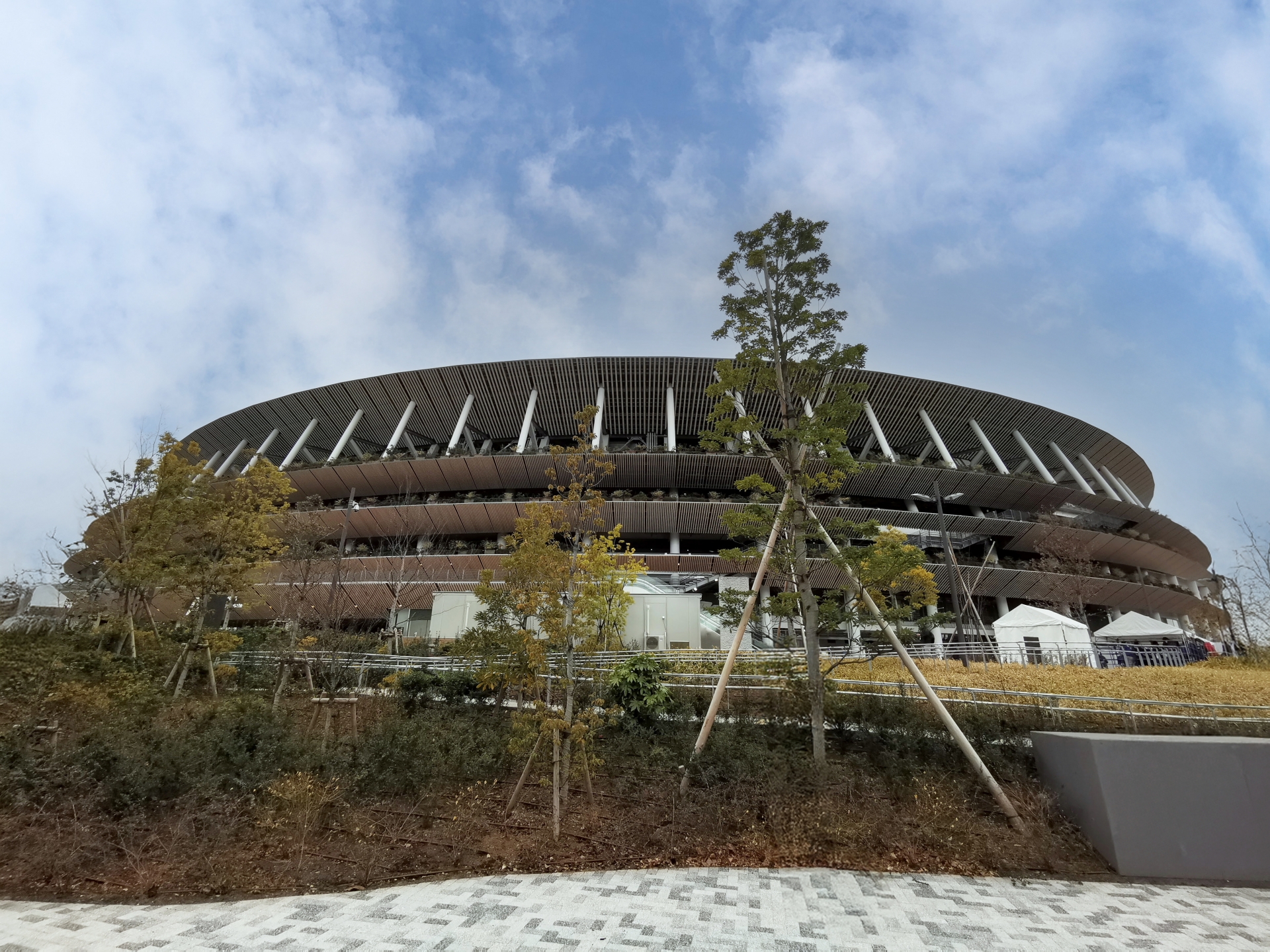
I’ll never forget my first time at Saitama Stadium 2002. I honestly thought I’d walked into a religious revival rather than a soccer match. I’ve been to games in the UK and Germany, but nothing prepared me for the sheer, perfectly timed madness of a J-League 'Curva' (the hardcore supporters' end). It’s not just shouting; it’s a 90-minute choreographed opera. I remember standing there, mouth agape, as 30,000 people in red jumped in perfect unison. It felt like the concrete was actually breathing under my feet. For about ten seconds, the guy next to me stopped drumming just to hand me a plastic clap-board, nodding solemnly as if he were inducting me into a secret society. nnBut let’s talk about my rookie mistake. I showed up to an Urawa Reds game wearing a bright blue jacket because it was raining. Big mistake. Huge. Blue is the color of their arch-rivals, FC Tokyo and Yokohama F. Marinos. I didn't get harassed—this is Japan, after all—but the sheer amount of 'polite' side-eye I received was enough to make me sweat through my layers. I ended up buying a ¥4,000 team scarf just to drape over my shoulders and hide my shame. Since then, I’ve learned: check the home team’s colors before you even pack your bag. Getting your J-League tickets early is the only way to ensure you aren't stuck in the 'neutral' nosebleeds where the atmosphere is a bit thinner
Must-See
Secure Your Match Tickets
Skip the confusing kiosks and grab your J-League tickets online. Experience the world-famous synchronized chanting and high-level football in Japan's best stadiums.
The best seats in the supporter stands sell out weeks in advance, especially for the Tokyo and Osaka derbies.
Book Now ↗
. Trust me, you want to be close enough to hear the drums vibrating in your chest. It’s the kind of energy that makes you a fan of a team you didn’t even know existed two hours prior. I’ve seen people who don’t even like sports get swept up in the chanting. It’s infectious, it’s loud, and it’s easily the most 'human' experience you can have in a country often labeled as reserved. Seriously. Go early.
If you want the full experience, buy a seat in the 'Home Supporter' side, but stay toward the edges if you aren't ready to stand and jump for 90 minutes straight.
What You Need to Know: Stadium Gourmet and the Plastic Bag Trick
Forget those soggy, five-dollar hot dogs you get back home. In Japan? It’s a culinary pilgrimage. Each stadium has 'Stadium Gourmet' (Sutameshi) that represents the local region. When I went to see Kashima Antlers, I spent more time queuing for their legendary Motsu-ni (tripe stew) than I did in the bathroom. It was steaming, salty, and perfect for a chilly March evening. You’ll see stalls selling everything from Wagyu skewers to local craft beers that you can actually take to your seat. Oh, and here's the thing: the food is actually affordable. You aren't getting ripped off just because you're inside the gates.nnOne thing that caught me off guard was the cleanliness. At the end of the match, I saw a group of teenagers picking up tiny scraps of paper that weren't even theirs. It’s a culture shift, for sure. Also, pro tip: bring a large plastic trash bag. Not for trash, but for your stuff. Most stadiums have narrow seating, and if it rains—or if the guy behind you gets too excited with his beer—your backpack is going to get soaked or sticky. I always shove my bag inside the plastic one and tuck it under my seat. It’s a move I stole from a seasoned 'salaryman' supporter who looked like he’d been attending games since the league's inception in '93. nnIf you're staying in Tokyo, getting to the stadiums like Ajinomoto or Todoroki is easy, but for the bigger ones like Saitama, the trains afterward are a literal sardine can. I usually book a hotel slightly outside the main hub but on the same train line to avoid the 1,000-person queue at the station
Fan Favorite
Stay Near the Stadium
Avoid the post-match train crush by staying in Saitama or Kawasaki. These hotels are perfect for fans who want to soak up the local atmosphere and enjoy post-game izakayas.
The Saitama Railway Line is a nightmare after a Reds game—staying local is a total game-changer.
Find Hotels ↗
. It saves about an hour of standing in line with tired toddlers and sweaty teenagers. You'll thank me later. Oh, and don't expect a lot of English signage once you get deep into the stadium concourse. Just follow the jerseys; they know where the best beer is.
Check the 'Gourmet Map' on the club's official Twitter/X account a day before the game. Some of the best food trucks are actually outside the ticket gates.
The Practical Stuff: How to Not Get Lost in the Chants
Booking tickets used to be a nightmare involving Japanese-only websites and Lawson convenience store kiosks that looked like 90s ATMs. Thankfully, for the 2026 season, the J-League International Ticket site has become much smoother, though it still sells out fast for 'Derby' matches. Expect to pay anywhere from ¥2,500 for a standing spot to ¥8,500 for a plush seat near the halfway line. Personally, I think the 'Back Stand' seats offer the best balance—you get a great view of the tactics, but you’re right across from the chanting supporters so you can record the madness without being hit by a flag pole.nnMost games are on Saturdays or Sundays, with the occasional Friday night 'Beer Night' match which is honestly my favorite vibe. There's something about the stadium lights reflecting off the pitch while you have a cold premium malt in hand. Language support is getting better; most big clubs now have English speakers at the 'Information' booths, but honestly, football is a universal language. If you point at a jersey and give a thumbs up, you’ve made a friend for the day. nnIs it worth it? Absolutely. Even if you don't know an offside from a corner kick, the J-League is a masterclass in community and passion. I’ve gone to games alone and ended up sharing fried chicken with a family of four who were impressed I knew their backup striker’s name. It’s that kind of place. You'll leave with your ears ringing and a new favorite team. Just make sure you've got your transport IC card topped up before the game ends, or you'll be stuck in the ticket machine queue for an eternity.
Download the 'J.LEAGUE Club' app. Even if you can't read all of it, the QR code check-ins sometimes get you free stickers or limited-edition cards.