Why I Loved This: The Moment Reality and 2D Collided
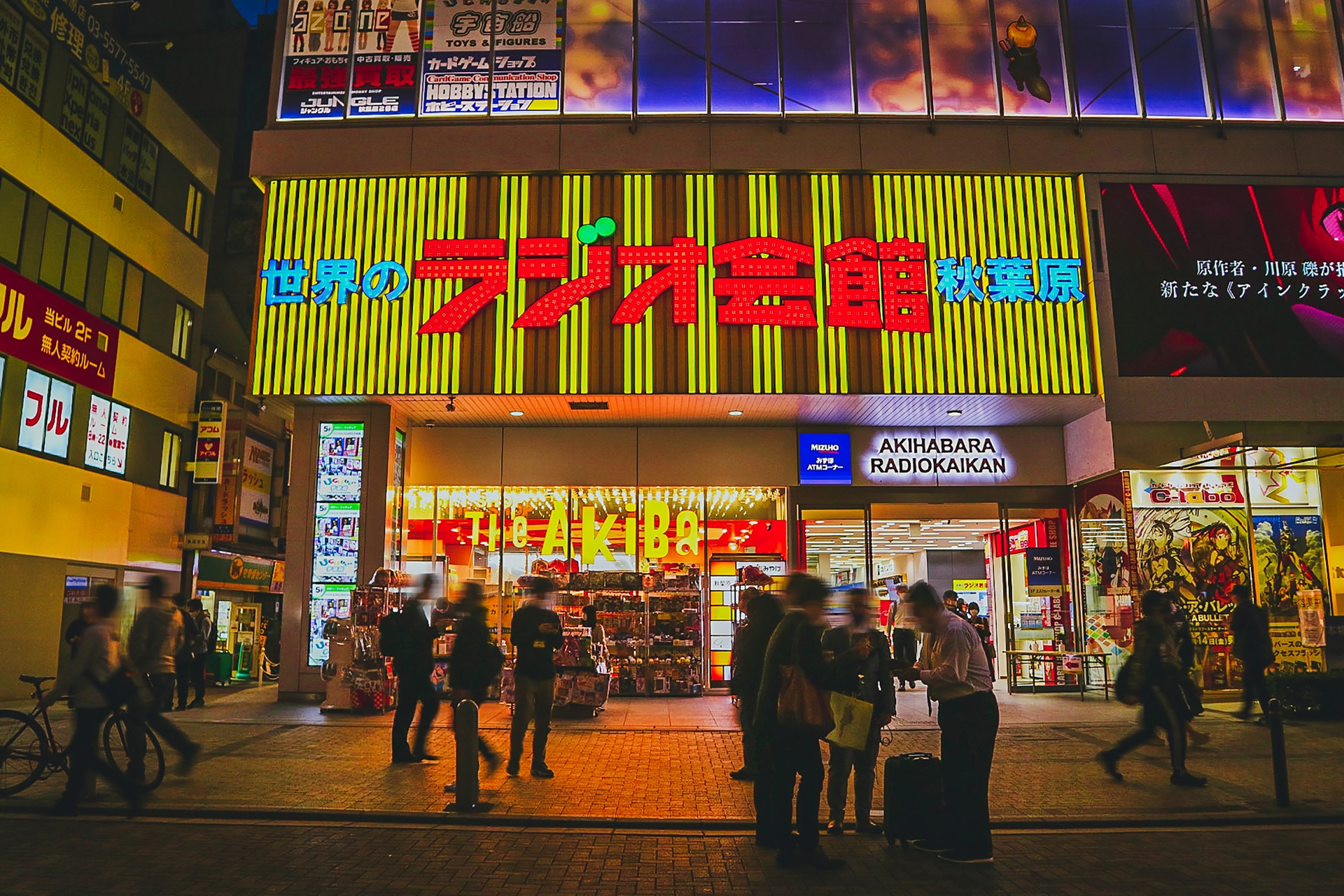
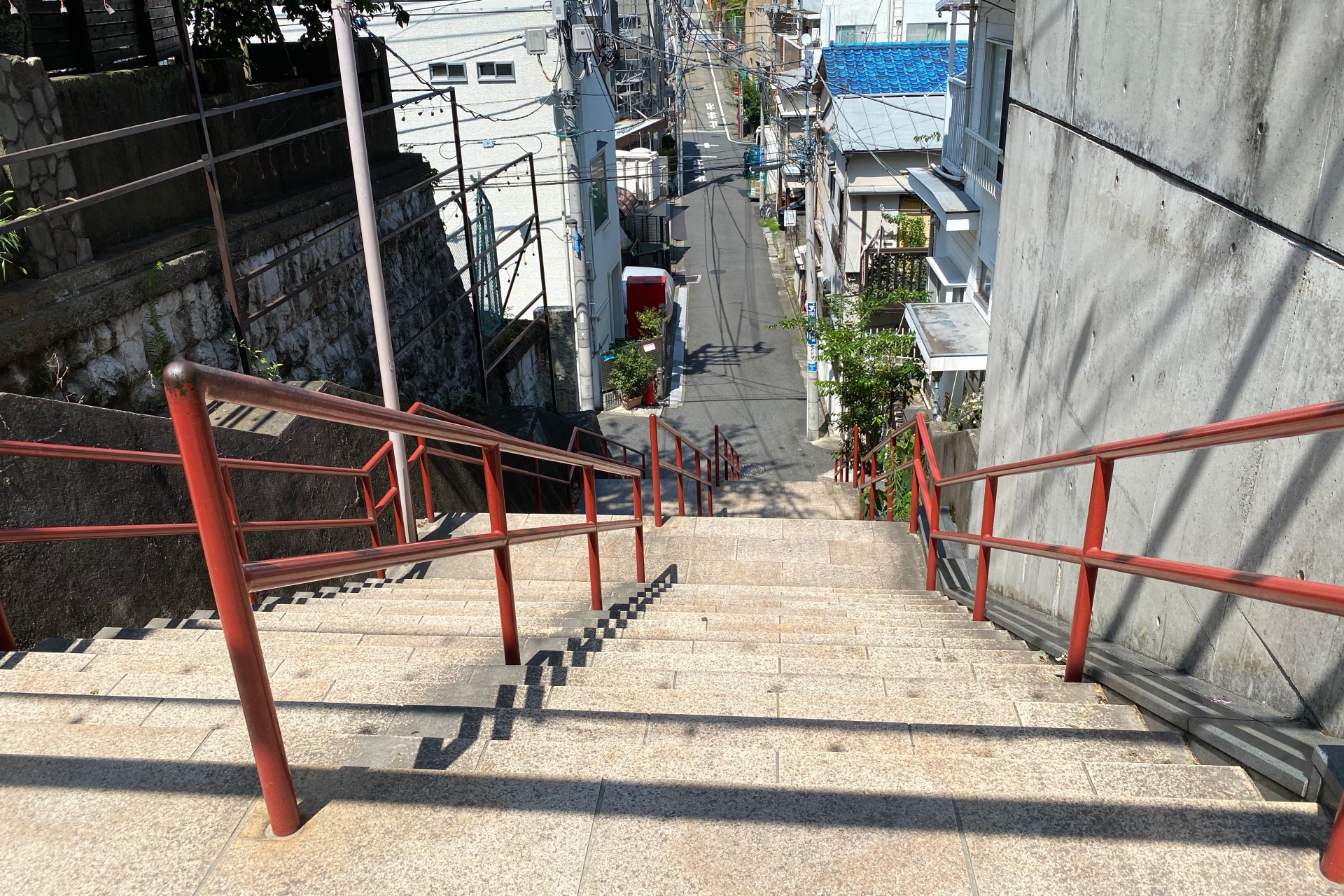
The red railing of the Suga Shrine stairs in Shinjuku was exactly as steep as it looked in 'Your Name,' but what the screen didn’t show was the line of thirty people waiting to take the exact same photo. I first went there back in 2021, thinking I was being original. Spoiler: I wasn't. But even with the crowd, when I finally stood at the top and looked down, something clicked. I wasn't just looking at a staircase; I was looking at a memory that wasn't mine, yet felt completely real. That’s the magic of 'Seichi Junrei'—the holy land pilgrimage. It turns a mundane city into a scavenger hunt where the prize is a visceral sense of nostalgia. I’ve spent the last five years chasing these spots, from the busy street corners of Akihabara to the quiet bus stops of rural Gifu. nnOne of my favorite memories was taking a guided anime tour through the back alleys of Akihabara.
Top Rated
Akihabara Deep Dive Tour
A 3-hour guided walk through the hidden floors of Akihabara. You'll visit retro game stores, maid cafes, and the exact spots featured in Steins;Gate and Love Live. It's the best way to find the shops that don't show up on Google Maps.
The back alleys of Akihabara are a maze—having a guide who knows the 2026 'hidden' spots is a lifesaver.
Book Your Tour ↗
I thought I knew the area after living here for years, but the guide pointed out a tiny vending machine that appeared for exactly three seconds in 'Steins;Gate.' It sounded ridiculous until I saw the group of fans—people from Brazil, France, and Thailand—all geeking out over the same machine. We weren't just tourists; we were part of a global club. I’ve made the rookie mistake of trying to do too much in one day, though. My first time in Akihabara, I tried to hit every themed cafe and shop in four hours. I ended up with sore feet, a drained wallet, and a very blurry photo of a building I couldn't even identify later. Slow down. The best moments happen when you stop hunting for the 'perfect' shot and just soak in the neon hum of the city. Trust me, the 'Radio Kaikan' building isn't going anywhere, and it looks much better when you aren't rushing to catch the next train. And here's the thing—the 2026 vibe in Akihabara is shifting. It's less about the massive department stores now and more about these tiny, specialized hobby shops hidden on the fourth floor of a building that looks like an office block. You have to be willing to climb some stairs to find the real treasures. Seriously. Go early. The morning light hitting the red railing at Suga Shrine is worth the 6:00 AM alarm, and you'll actually have a moment of peace before the influencer circus arrives.
If you're heading to the Suga Shrine stairs, go at 7:00 AM. By 9:00 AM, the 'influencer' queues start, and by noon, it’s a circus. Plus, the morning light hits the red railing perfectly for that cinematic glow.
What You Need to Know Before You Go: Beyond the Neon
Look, let's get one thing straight: Seichi Junrei isn't just about taking pictures of buildings. It's about the 'click' in your brain when the 2D world hits the 3D pavement. But if you think you can just wing a trip to the rural settings of your favorite show, you're in for a very long, very quiet walk. I remember trekking out to Numazu to see the settings for 'Love Live! Sunshine!!' and realizing the 'nearby' beach was actually a forty-minute bus ride from the station. I didn't check the bus schedule, and I ended up waiting an hour at a stop that smelled faintly of dried squid. It was awkward, but then a local grandma saw my character keychain and started telling me how the town's tourism saved her small shop. That’s the secret—the locals in these pilgrimage towns are often incredibly proud of their anime connection. nnTo make this work, you need the right base camp. I usually tell people to stay in Ikebukuro if they want the 'Otome Road' vibe or easy access to the Seibu lines that head out to the 'Anohana' spots in Chichibu.
Otaku Friendly
Stay in Ikebukuro
The Sunshine City area is the heart of modern pop-culture. It's walking distance to Otome Road and the massive Animate flagship store, with direct train lines to rural pilgrimage sites in Saitama. The vibe here is electric but less chaotic than Shinjuku.
I always stay here because it's cheaper than Shinjuku but keeps you right in the middle of the action.
Find Hotels ↗
Use the 'Butai Meguri' app; it’s basically the Marauder's Map for anime fans. It uses GPS to show you exactly where scenes were filmed and even lets you overlay character AR for photos. I used it in Ueno once to find the exact park bench from 'March Comes in Like a Lion,' and I felt like a detective. On top of that, you've got to remember the 'Pilgrim's Code': don't block traffic, don't trespass on private property (especially schools!), and always buy something from the local shops. I once saw a guy get scolded by a monk for shouting 'Kamehameha' in a quiet temple courtyard. Don't be that guy. Be the respectful fan who leaves the place better than they found it. Oh, and here's what most people miss: many of these rural spots have limited-edition 'Manhole covers' featuring anime art. They are legit works of art, and hunting them down is a great way to see parts of the town you’d otherwise skip. You should also keep an eye out for 'Pilgrimage Notebooks' at local stations. They are filled with sketches from fans all over the world, and adding your own little doodle is a rite of passage.
Check the local tourism office at the train station of any 'anime town.' They often have 'pilgrimage notebooks' where fans leave drawings and messages. It’s a beautiful, low-tech way to connect with the community.
The Practical Stuff: Planning Your Otaku Odyssey
So, you've decided to go full Otaku. Great choice. But 2026 Japan is busy, and these spots aren't as 'hidden' as they used to be. If you’re sticking to Tokyo, you need to divide your time between the 'Big Three': Akihabara for the mainstream and retro stuff, Ikebukuro for the female-focused 'Otome Road' and 'Durarara!!' vibes, and Nakano Broadway for the hardcore collectors. I once spent four hours inside Nakano Broadway and genuinely forgot what daylight looked like. It’s a labyrinth of glass cases and rare toys that will make your bank account weep. If you're going rural, like heading to Gifu for 'Hyouka' or Shizuoka for 'Yuru Camp,' you absolutely need a data SIM or pocket Wi-Fi. Google Maps is your lifeline when you're looking for a specific rice paddy in the middle of nowhere. nnPrice-wise, the pilgrimage itself is free—it’s just streets and shrines, after all. But you'll spend around 3,000 to 7,000 yen on themed cafe reservations, limited-edition merch, and those inevitable 'Gachapon' machines. I once spent 3,000 yen just trying to get a specific Pikachu in a raincoat. No regrets. Most of these experiences are best done solo or with a very patient friend. If your partner isn't into anime, they will lose their mind watching you spend twenty minutes trying to align a photo of a manhole cover with a screenshot on your phone. Language-wise, you don't need much Japanese in the cities, but in places like Chichibu, a simple 'Sumimasen' (Excuse me) and 'Arigato' (Thank you) go a long way when you're interacting with the shopkeepers who maintain the anime displays. It’s about the vibe, not just the visuals. You'll want to keep an eye on the weather, too. There's nothing quite like visiting the 'Weathering With You' shrine in Koenji during a light drizzle—it adds a layer of atmosphere that no sunny day can match. Just don't forget your umbrella, or you'll be the 'drowned rat' version of a protagonist. Trust me on this, the memories of finding that one obscure street corner are worth every yen spent on train fare.
Skip the official 'Anime Cafes' if you're on a budget. Instead, look for 'collaboration' menus at family restaurants like Gusto or Coco's. They often have seasonal anime tie-ins that are cheaper and actually taste like real food.