Why I Loved This: The Moment I Stopped Caring and Started Soaking
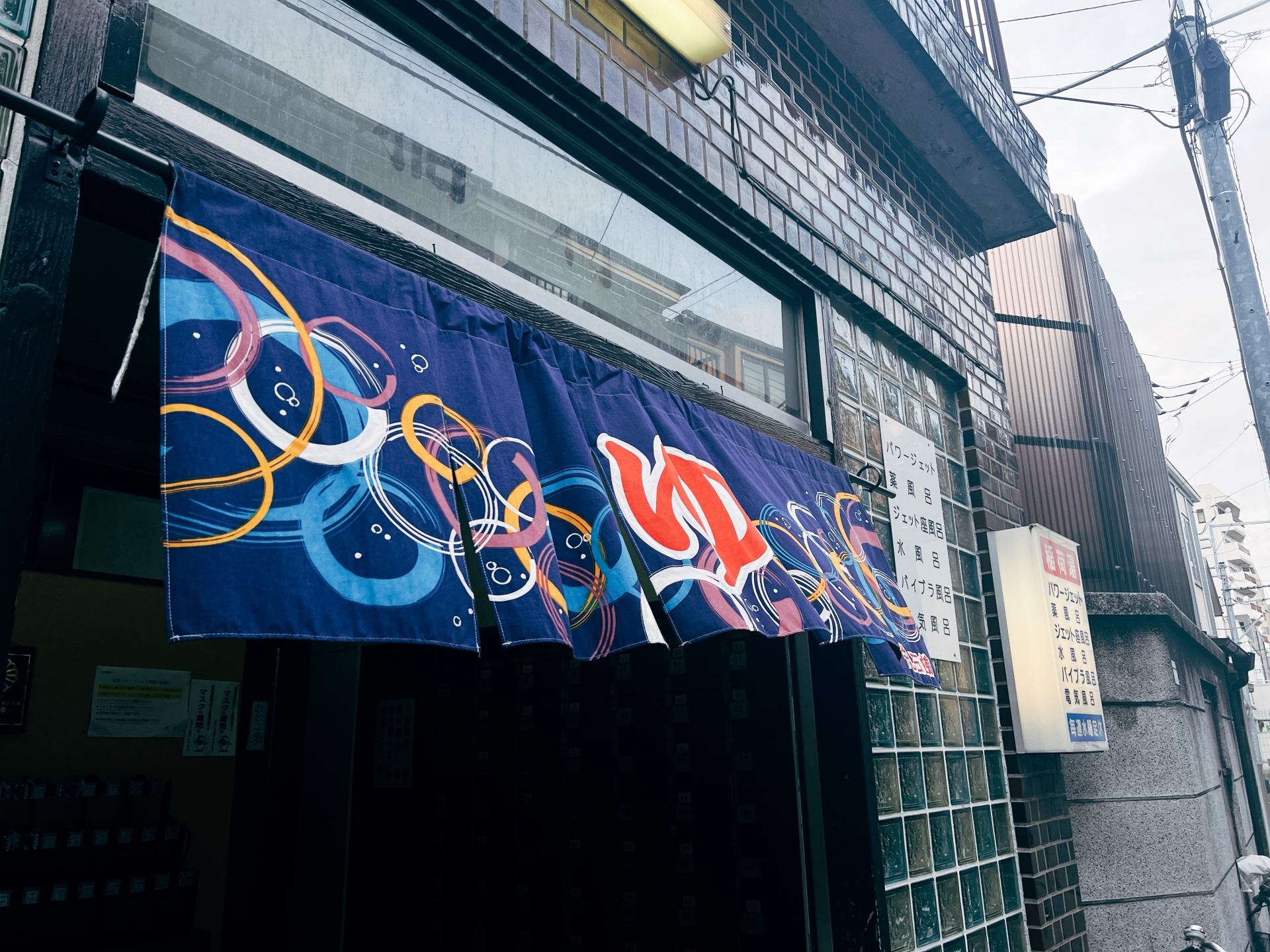
I still remember my first time standing outside a neighborhood sento in Koenji back in 2021. I was terrified. I paced back and forth for ten minutes, clutching my little plastic bag of toiletries like a shield. I was convinced everyone inside would stop and stare the second the 'foreigner' walked in. But here’s the thing—nobody cared. When I finally worked up the nerve to go in, the only person who looked at me was the 'Bandai' (the attendant) who just wanted my 550 yen. I found myself in a room filled with the steam of a thousand baths and the low hum of neighborhood gossip. It was visceral. The smell of cedarwood and some kind of medicinal herb hit me immediately. I sat on a tiny plastic stool, scrubbed myself until I was pink, and then eased into a tub so hot I thought my skin might actually melt off. But after three minutes? Bliss. Pure, unadulterated bliss. nnI realized then that the sento isn't just about getting clean. It’s the 'naked communion'—Hadaka no Tsukiai. In a society that’s often so rigid and formal, the bathhouse is the great equalizer. You aren't a CEO or a tourist or a student when you’re in the tub; you’re just a human in hot water. Fast forward to 2026, and I’m still a regular. Whether it's a tiny local spot with a mural of Mount Fuji or a massive 'Super Sento' like Spa LaQua where you can spend six hours drifting between saunas and carbonated springs, it's my go-to mental reset. If you’re looking for a way to truly decompress after a day of walking 20,000 steps in Tokyo, booking a pass to a premium facility is the smartest move you can make
Top Rated
Book a Premium Spa Experience
Grab a day pass to Spa LaQua, Tokyo's premier urban hot spring. Dive into natural mineral baths and high-tech saunas right in the heart of the city. It's the perfect escape from the Shinjuku crowds.
This is my secret weapon for curing jet lag—nothing beats a 40-degree soak after a 12-hour flight.
Book Now ↗
. There is something deeply moving about sitting in a silent outdoor bath (rotenburo) while the cold winter air hits your face and the steam rises into the night sky. It’s the most 'Japan' I’ve ever felt, honestly. You'll see the steam curling around the eaves of the old wooden buildings, and for a second, the modern city just disappears. It's not just a bath; it's a time machine.
Look for sentos that have 'Kuro-yu' (black water). It’s a natural hot spring water found in parts of Tokyo that looks like dark tea but makes your skin feel like silk. It’s weird at first, but trust me, it’s the best.
What You Need to Know Before You Go: The Rules and the 'Electric' Surprise
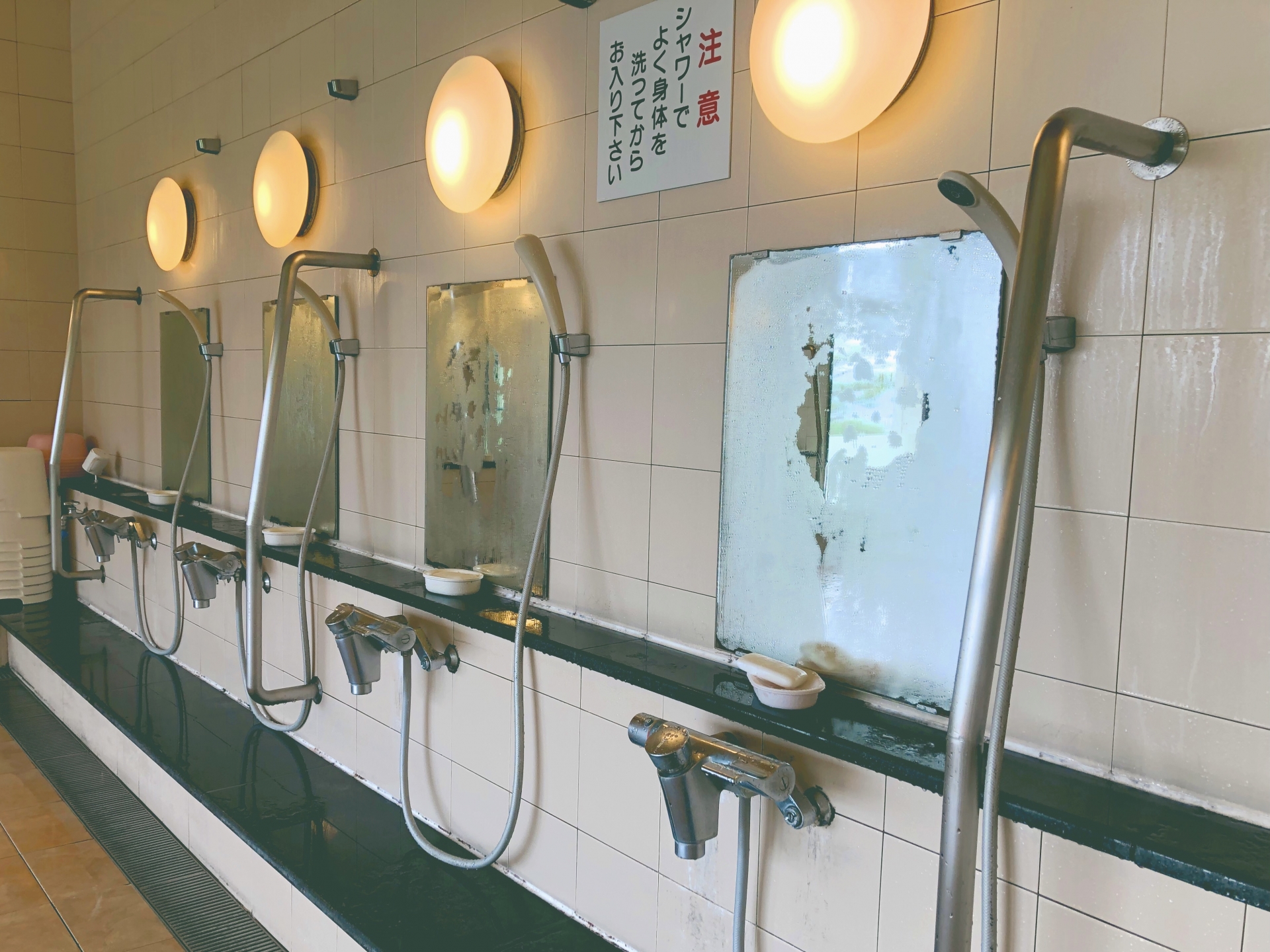
Let’s talk about the elephant in the room: the nudity. Yes, you are completely naked. No, nobody is looking at you. If you can get past that first thirty seconds of awkwardness in the locker room, you’re golden. But there are rules—strict ones. My biggest fail? I once accidentally dipped my small 'privacy towel' into the communal water. A sweet but very firm grandmother immediately pointed it out. The towel stays on your head or on the side of the tub. Never, ever in the water. And you MUST wash your body thoroughly before touching the bath water. This isn't a quick rinse; it's a full-on scrub. nnThen there’s the 'Denki-buro' or electric bath. I didn't know these existed until I hopped into a tub and felt what I thought was a literal heart attack. It’s a bath with a low-voltage current running through it. Some people love it for muscle aches; I personally think it feels like being gently tasered by a friendly ghost. Try it once just for the story, but be careful! On top of that, the tattoo situation has changed a lot by 2026. While many local sentos have always been fine with ink, the big Super Sentos are finally catching up, though many still require you to cover smaller pieces with waterproof stickers. If you’re staying at a hotel nearby, it’s often easier to just change into your yukata and head down in your slippers
Walking Distance
Stay Near the Best Baths
Book a stay in Asakusa or Sumida to be within walking distance of Tokyo's most historic sentos. You'll find charming ryokans and modern hotels that put you right in the center of 'Old Tokyo' bath culture.
Walking back to your room in a post-bath glow is a million times better than fighting for space on a subway train.
Find Hotels ↗
. It’s the ultimate convenience. You’ll see people of all ages—toddlers with their dads, elderly men who have probably been coming to the same bath for 60 years, and office workers de-stressing after a long shift. It’s a living, breathing part of Japanese culture that hasn't changed much in centuries, even if the vending machines now take digital payments. Seriously. Don't overthink it. Just follow the person in front of you.
If you see a tub labeled 'Cold Plunge' (Mizuburo), do not skip it. The 'alternating bath' technique (hot, then cold, then hot) is the secret to getting that 'sento high' where your whole body feels like it's vibrating with relaxation.
The Practical Stuff: Sento vs. Super Sento
So, which one should you choose? It depends on your vibe. A 'Sento' is your neighborhood bath. It’s cheap (usually around 550-600 yen in 2026), functional, and very local. You bring your own soap and towel (or buy a tiny 'set' for 200 yen). It’s a 30-minute experience. Then you have the 'Super Sento.' These are wellness theme parks. We’re talking multiple floors, ten different types of baths, stone saunas (ganban-yoku), massage rooms, and full restaurants where you can eat ramen in your pajamas. These cost anywhere from 2,500 to 4,000 yen, but you can easily stay for half a day. nnIn Tokyo, I’m a huge fan of the Sumida area for traditional vibes, but if you want the luxury experience, head to Spa LaQua near Tokyo Dome or the newer facilities in Toyosu like the Manyo Club. Language barriers are almost non-existent in the big places because they have English signage everywhere. In the small neighborhood spots, just smile, nod, and follow what the person next to you is doing. Most places open in the mid-afternoon (around 3 PM), but Super Sentos are often open 24 hours or at least until the early morning. If you missed your last train, a Super Sento is actually a much more comfortable (and cheaper) place to crash than a taxi ride back to the suburbs. Just find a reclining chair in the 'rest area' and you're set for the night. Oh, and here's what most people miss: the post-bath milk. Honestly, if you leave Japan without trying a public bath, you’ve missed the soul of the country. It’s awkward for a minute, then it’s the highlight of your life. Do it.
Always buy a bottle of fruit milk (furutsu miruku) or coffee milk from the glass-front vending machine after your bath. It’s a non-negotiable Japanese tradition. You have to drink it while standing up with one hand on your hip. I don't make the rules; that's just how it's done.