Why I Loved This: The Moment I Stopped Being a Tourist
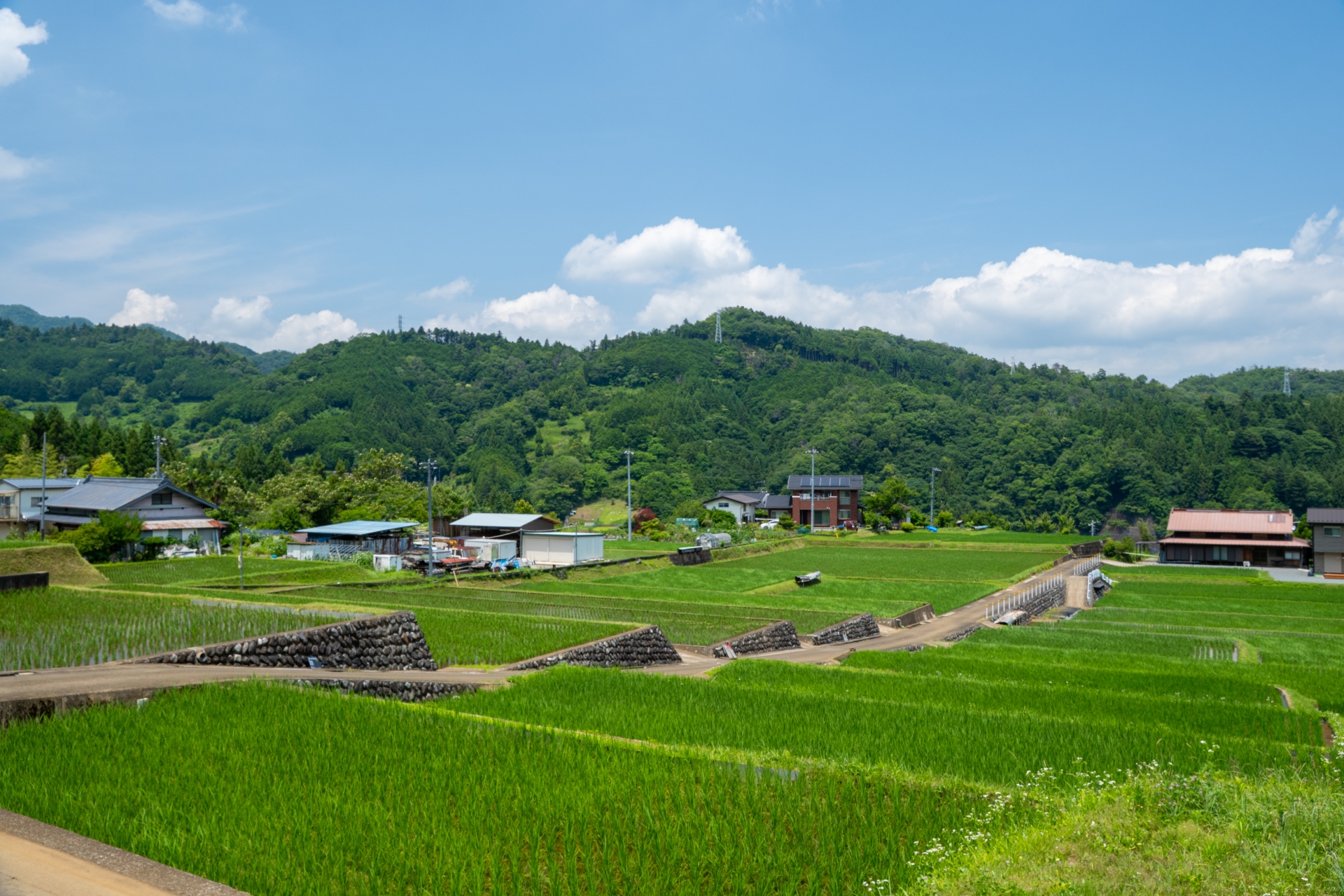
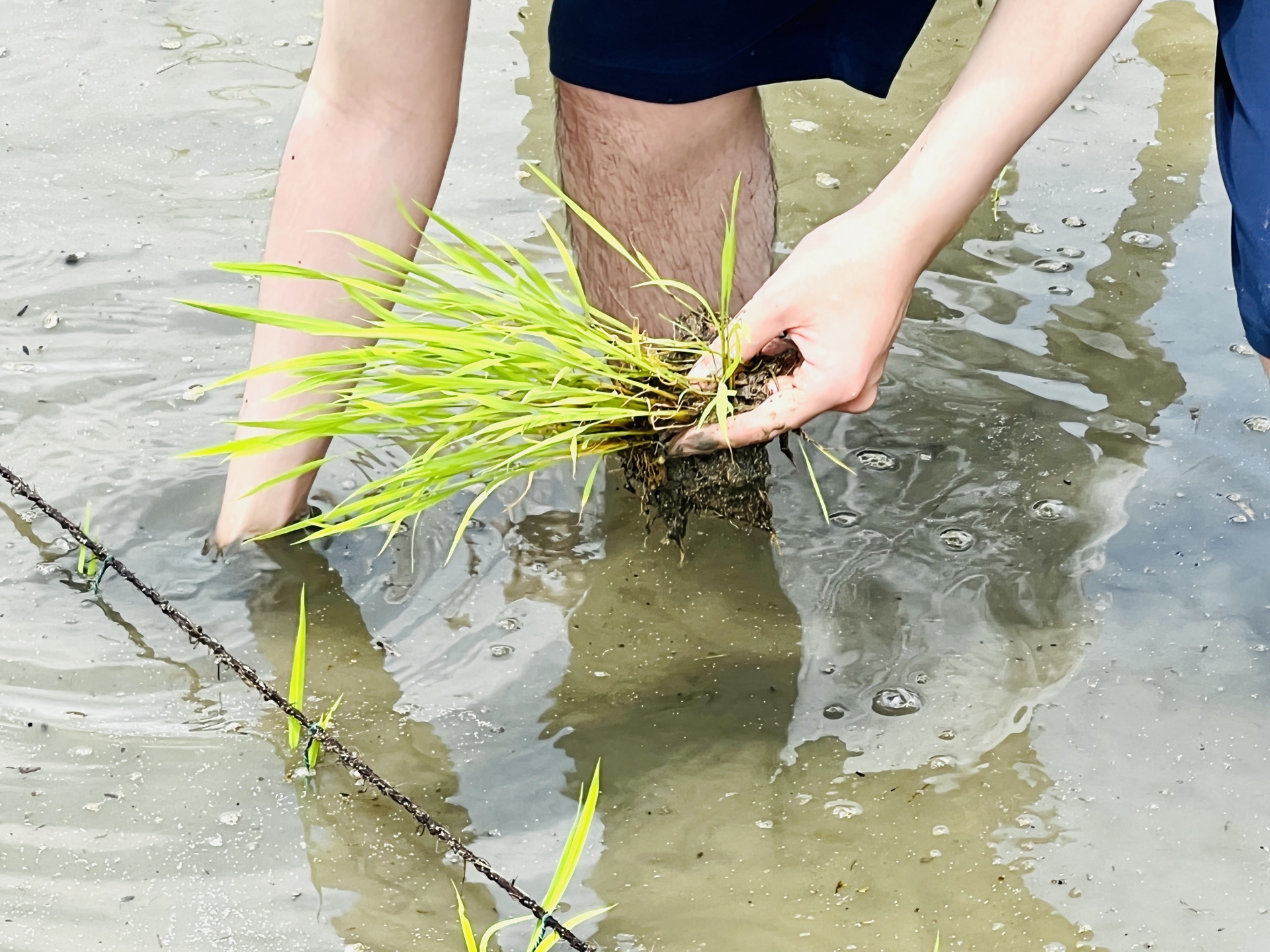
The mud was squelching between my toes, and for a split second, I honestly thought I was going to faceplant into a flooded rice paddy while an 80-year-old grandmother laughed at me. I’d been in Japan for over five years at that point, mostly sticking to the neon-lit corridors of Shinjuku or the manicured temples of Kyoto. But there I was, in the middle of nowhere in Nagano, feeling more connected to the country than I ever had at a 7-Eleven. My host, Mrs. Sato, didn't speak a word of English, but she knew exactly how to signal that I was planting my rice seedlings way too shallow. She just pointed, sighed dramatically, and shoved my hand deeper into the muck. It was cold, slimy, and weirdly therapeutic. I felt like a total idiot, but a happy one.nnI’d booked this agricultural homestay on a whim, tired of the 'curated' version of Japan I saw on social media. I wanted the grit. And man, did I get it. That first night, we sat around an irori (a traditional sunken hearth) and ate grilled river fish and pickles that had been fermenting in a shed for God knows how long. They were the best thing I’d tasted in months. I realized then that the 'real' Japan isn't found in a guidebook; it's found in the calloused hands of people who have been farming the same plot of land for generations. If you’re looking to break out of the tourist bubble, booking a rural farm stay
Top Rated
Book a Nagano Farm Experience
Spend a full day with a local family in the Nagano highlands. Includes vegetable harvesting, a traditional home-cooked lunch, and a guided tour of the village's hidden shrines.
This is the most accessible way to try farm life without committing to an overnight stay if you're short on time.
View Experience ↗
is the fastest way to do it. nnWas it awkward? Absolutely. There were long silences where we just smiled at each other and nodded while the TV blared some weird Japanese variety show. But those silences weren't empty. They were peaceful. By the time I left, Mrs. Sato gave me a bag of rice so heavy I nearly missed my train. I didn't just see Japan; I felt like, for a tiny window of time, I actually belonged to it. It’s a sensory overload of woodsmoke, damp earth, and the kind of hospitality that makes you want to call your own mom more often. You aren't just a customer here; you're a temporary member of the family, and that's a rare thing in 2026.
Don't just stand there. If you see your host doing chores, jump in. They’ll usually say 'no, no, relax,' but they secretly love the help, and it’s the best way to break the ice without needing a dictionary.
What You Need to Know Before You Go: It’s Not a Hotel
Let’s get one thing straight: this is not a Ryokan. You aren't getting a yukata and a multi-course kaiseki meal served to your room. You’re likely sleeping on a futon in a room that smells slightly of tatami and old wood, and you might have to walk down a cold hallway to use the bathroom. My first time, I made the rookie mistake of expecting a 'farm-themed hotel.' It’s not. It’s a home. If you're looking for a mint on your pillow, keep walking. You’ll be harvesting vegetables for your own dinner, and if it’s winter, you’ll be learning why Japanese houses are notoriously freezing (kudos to the heated kotatsu tables, though).nnThe work can be legit. If you go during harvest season in September, expect to spend a few hours bending over in the sun. It’s exhausting, but there is something incredibly satisfying about eating a bowl of rice when you actually helped pull it from the ground. Language barriers are a thing, but honestly? Google Translate and a lot of enthusiastic gesturing go a long way. I’ve had entire 'conversations' about the local climate using nothing but hand signals and a weather app. nnIf you're worried about the logistics of getting to these remote spots, I usually recommend staying in a hub like Nagano City or Morioka the night before. You can find some great base-camp hotels
Traveler's Choice
Stay in Nagano City
The perfect base before heading into the mountains. Stay near Zenko-ji temple to enjoy the morning rituals before your host picks you up for the farm stay.
Nagano City hotels offer the best luggage storage options while you head to the rural farms with just a backpack.
Find Hotels ↗
that make the transition from city to farm a lot less jarring. Just remember to pack old clothes—clothes you are 100% okay with ruining. That Nagano clay doesn't come out easily, trust me. I lost a favorite pair of sneakers to a particularly wet onion patch in 2024, and I’m still mourning them. Oh, and bring a headlamp. Rural Japan gets dark—like, 'can't see your own hand' dark—once the sun goes down.
Bring a small gift (omiyage) from your home country or a famous shop in the city you just came from. It’s a huge cultural 'win' in Japan and immediately marks you as a respectful guest.
The Practical Stuff: Where to Go and How Much?
You’ve got a few main options for this. Nagano is the easiest if you’re coming from Tokyo—it’s just a Shinkansen ride away, and the mountain scenery is unbeatable. Tohoku (think Akita or Iwate) is for the hardcore seekers; it’s further, but the traditions there are incredibly preserved. Then there’s Kyushu, which is amazing for citrus and sweet potato farming. Each region has its own vibe. In Nagano, it's all about the mountains and the buckwheat. In Akita, you'll find some of the best rice in the world and a culture that revolves around surviving the heavy snow.nnPrice-wise, you’re looking at a range. Most stays will cost you around 12,000 to 22,000 yen per person, per night, which almost always includes breakfast and dinner. Considering the quality of the home-cooked food, it’s a steal. Most places offer 2-day/1-night packages, but if you can swing it, stay for two nights. The first day is always a bit 'getting to know you' awkwardness; the second day is when you actually start feeling like part of the family. nnLanguage support varies wildly. Some 'Green Tourism' hubs have English-speaking coordinators who will meet you and introduce you to the family, while others are just a direct line to a farmer’s house. If you’re nervous, look for stays labeled as 'English-friendly' on booking platforms. But honestly? Don't let the language stop you. The best experiences I’ve had were the ones where we barely understood a word each other said. It forces you to pay attention to the small things—the way they pour tea, the way they laugh, the way they take pride in their land. It’s a masterclass in human connection. Just be sure to check the latest 2026 availability, as these small family-run spots can fill up months in advance.
Check the local festival calendar. If your stay coincides with a village matsuri, your hosts will almost certainly take you along, and you’ll get a VIP seat at a local festival that most tourists never even hear about.