The Moment I Realized I Was a Human Tea Bag
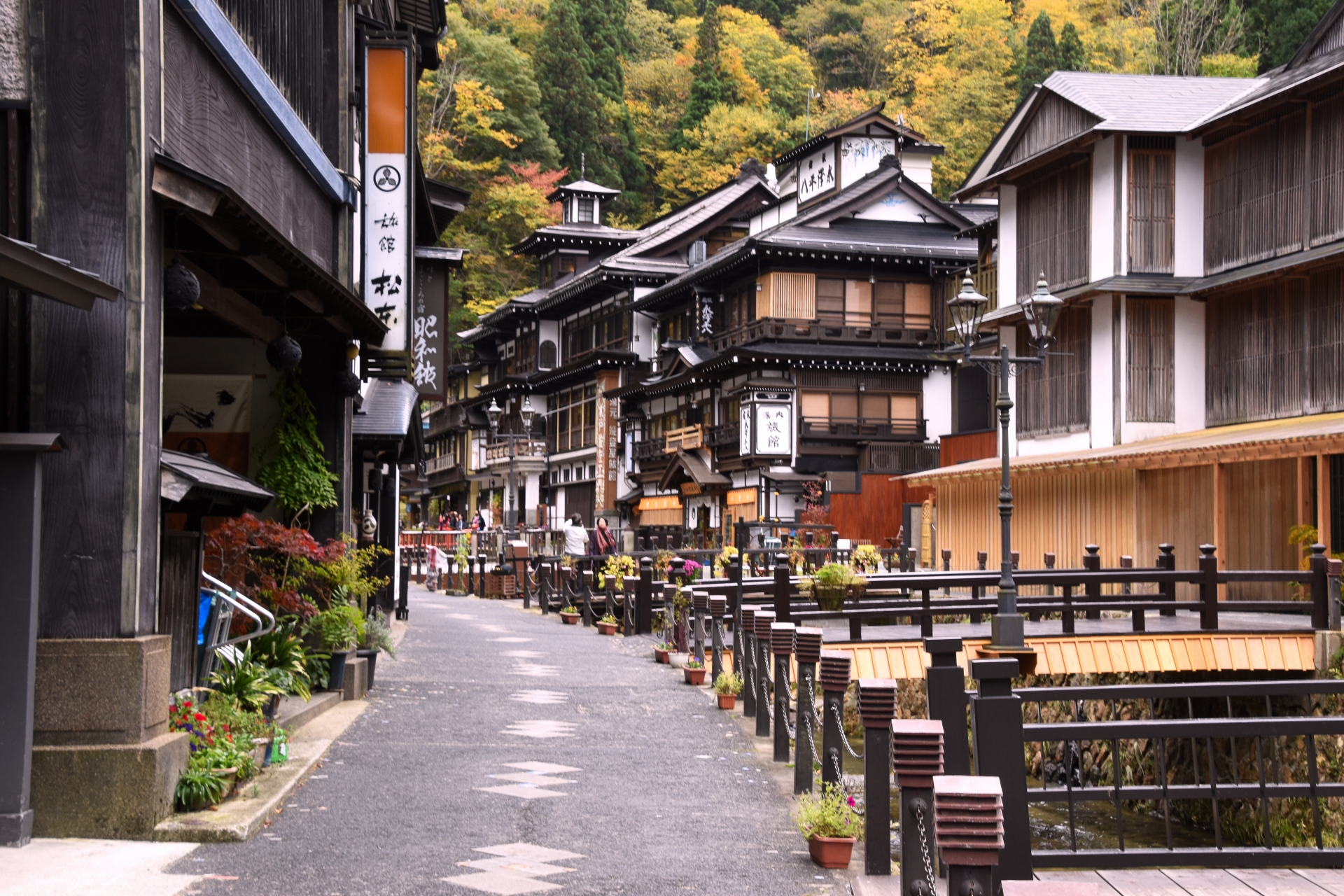
I was sitting in a massive cedar tub in Kusatsu, steam swirling around my head like a localized weather system, when I realized I couldn't feel my toes—not because they were cold, but because they had reached a state of pure, acidic bliss. This is 'Yumeguri,' or hot spring hopping. If you haven't done it, you haven't truly seen Japan. My first time was back in 2021, and I made every rookie mistake in the book. I showed up in Beppu with a massive backpack, no towel, and the misguided confidence of a man who thought 'hot' was just a suggestion. It’s not. In some of these places, the water is practically boiling, and the locals sit in it like it’s a lukewarm puddle. I remember staring at an 80-year-old grandmother who was calmly soaking in 44°C water while I was vibrating on the edge, trying to dip a single toe in without screaming. It’s humbling, honestly. nnBut that’s the magic. You’re not just bathing; you’re participating in a ritual that’s older than most countries. The smell hits you first—that thick, eggy sulfur scent that clings to your hair for three days. You’ll hate it for the first ten minutes, and then, strangely, you’ll start to crave it. I found myself wandering through the narrow streets of Kurokawa Onsen, clutching my wooden 'tegata' pass like a golden ticket, feeling like I’d stepped back two hundred years. There’s this specific moment when you step out of a cedar-scented bath into the crisp mountain air, your skin tingling and your brain turned to absolute mush, where everything just clicks. You forget the delayed flight, the missed train, and the fact that you just spent twenty minutes naked in a room with five strangers. On top of that, the sheer variety of water is insane. Some are milky white, some are black as coffee, and some feel like they're literally melting the stress off your bones. If you want to experience this properly, I highly recommend booking a guided 'Hell Tour' in Beppu to get your bearings before you strike out on your own.
Top Rated
Kusatsu Onsen Day Tour
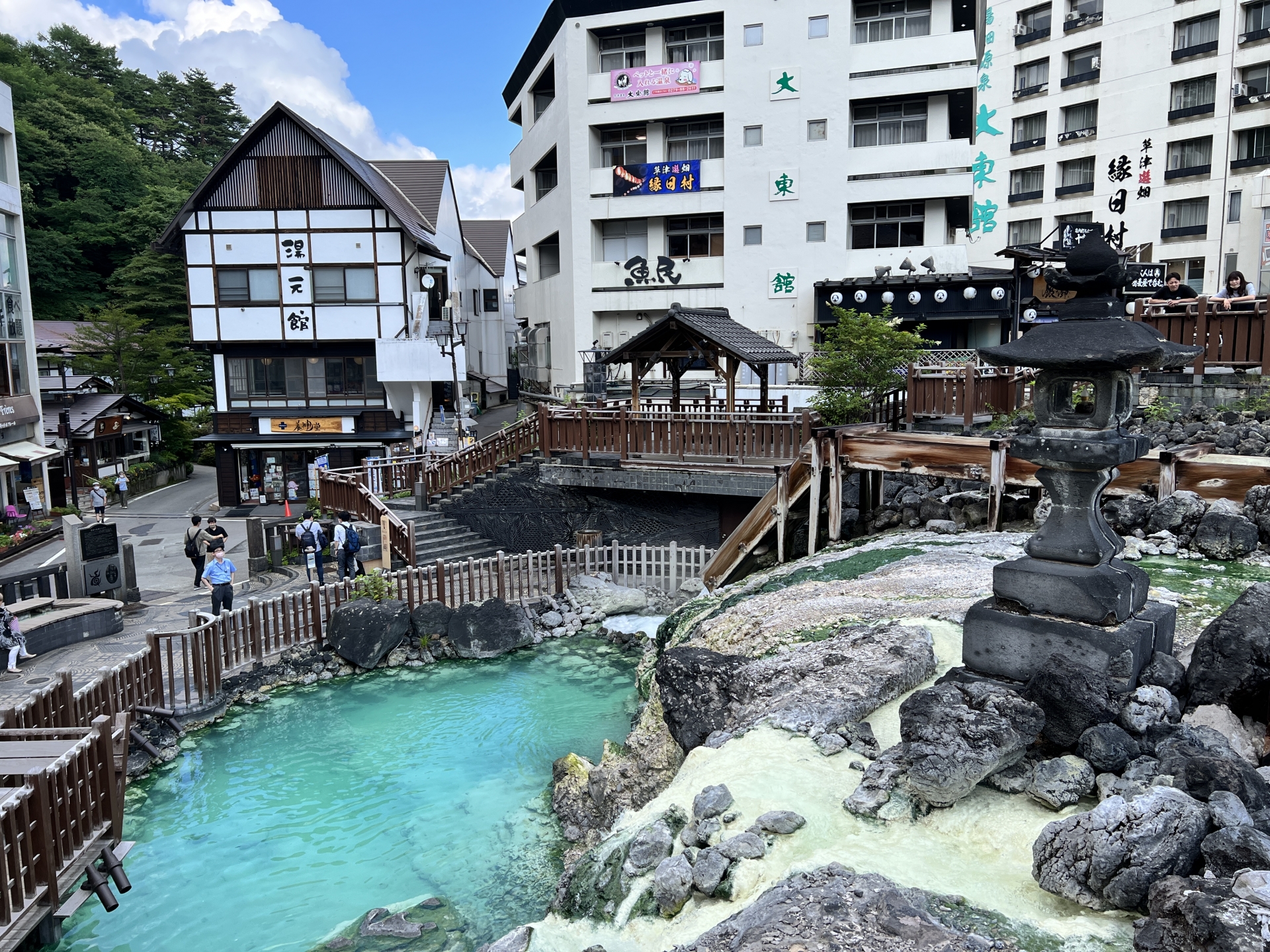
Skip the confusing mountain bus transfers and head straight to Japan's top-ranked onsen town. You'll see the iconic Yubatake and the traditional Yumomi water-cooling performance.
It's the only way to hit the best baths in Kusatsu without a rental car or a PhD in Japanese transit.
Book Experience ↗
It’s the easiest way to see the variety without getting lost in the steam. Seriously. Go early.
Don't wash your hair at every stop. If you're hitting five baths in a day, the constant shampooing will turn your scalp into a desert. Just rinse and save the deep clean for your final stop of the night.
The 'Tegata' Strategy and Avoiding the Naked Stare
Let’s talk about the 'Tegata' because it’s the greatest invention since the heated toilet seat. Most major onsen towns like Kusatsu or Yufuin sell these wooden plaques for about 1,500 to 1,800 yen. You get three stickers on the back, and each one gets you into a different ryokan’s bath. It’s basically a pub crawl, but instead of a hangover, you get soft skin and a weirdly high level of relaxation. But here's what most people miss: the etiquette is a minefield if you aren't prepared. My first time, I walked toward the water with my little modesty towel still wrapped around my waist. The collective 'OOF' from the local dudes was palpable. You don't bring the towel into the water. Ever. You perch it on your head like a little white crown. It looks ridiculous, but it’s the law of the land. nnAnd for the love of everything holy, scrub yourself *before* you get in. I saw a guy once just rinse his hands and hop in; the glare he got from the bath attendant could have melted steel. If you have tattoos, don't panic. While some places are still stuck in the 90s, towns like Beppu are incredibly chill about it. I usually tell my friends to book a stay at a tattoo-friendly ryokan through Expedia to avoid the 'X' signs at the door.
Local Favorite
Stay in Kusatsu Town
Find a traditional ryokan tucked away near the town center. Many of these spots have private 'kashikiri' baths if you're still warming up to the idea of communal nudity.
Staying overnight lets you wander the steam-filled streets in your yukata after the day-trippers leave.
Find Ryokans ↗
It saves a lot of awkward bowing and apologizing at 10 PM. Oh, and another thing: if the water has white flakes floating in it, don't freak out. It’s not skin; it’s 'yu-no-hana' or 'snow flowers'—concentrated minerals that mean the water is legit. I spent my first thirty minutes in Hakone trying to avoid the flakes before a local guy laughed and told me they were the best part. Trust me on this, the 'dirty' looking water is usually the most healing. You'll thank me later when your skin feels like silk for a week.
Buy a 'Yumeguri Tegata' even if you don't use all the stickers. They make incredible Christmas ornaments or wall hangings back home, and they smell like cedar for months.
The Practical Stuff: Where to Prune
So, where should you actually go? If you want the 'Final Boss' of onsen hopping, it’s Kusatsu. The Yubatake (the giant water-cooling field in the center of town) is a spectacle you have to see at night when it’s lit up. It feels like a movie set. If you’re looking for something more 'Instagram-chic,' head to Yufuin in Oita. It’s got these boutique vibes and views of Mount Yufu that’ll make your followers weep. Beppu is for the adventurous—it’s gritty, steamy, and has those 'Hells' (Jigoku) that are too hot to bathe in but amazing to look at. For a day trip from Tokyo, Hakone is the obvious choice, but it can get packed. I’d say give yourself at least two full days for any 'Yumeguri' mission. One day isn't enough because your blood pressure will drop so low you’ll end up napping on a park bench. I've done it. It's not my proudest moment. nnBudget-wise, expect to spend around 2,000 yen for the pass and another 1,500 for snacks—because you *will* be starving after three baths. Look for 'Onsen Tamago,' which are eggs boiled in the natural hot spring water. They taste like creamy, smoky heaven. Most of these towns are easily accessible via major rail lines, but the local buses can be a bit of a puzzle. I always tell people to grab a regional rail pass ahead of time because those individual tickets add up faster than you’d think. Is it worth the effort? Absolutely. I’ve lived here for five years, and the feeling of sinking into a 42-degree outdoor bath while snow falls on your shoulders is the one thing I will never get tired of. It’s the ultimate reset button for your soul. Just remember to hydrate like your life depends on it. You're basically steaming yourself from the inside out, so drink twice as much water as you think you need.
Drink a bottle of 'coffee milk' (kohii gyunyu) from the vending machine immediately after your bath. It’s a Japanese tradition, and for some reason, it tastes 100x better when you're slightly dehydrated and overheated.