The Moment I Realized I Knew Nothing About Snow
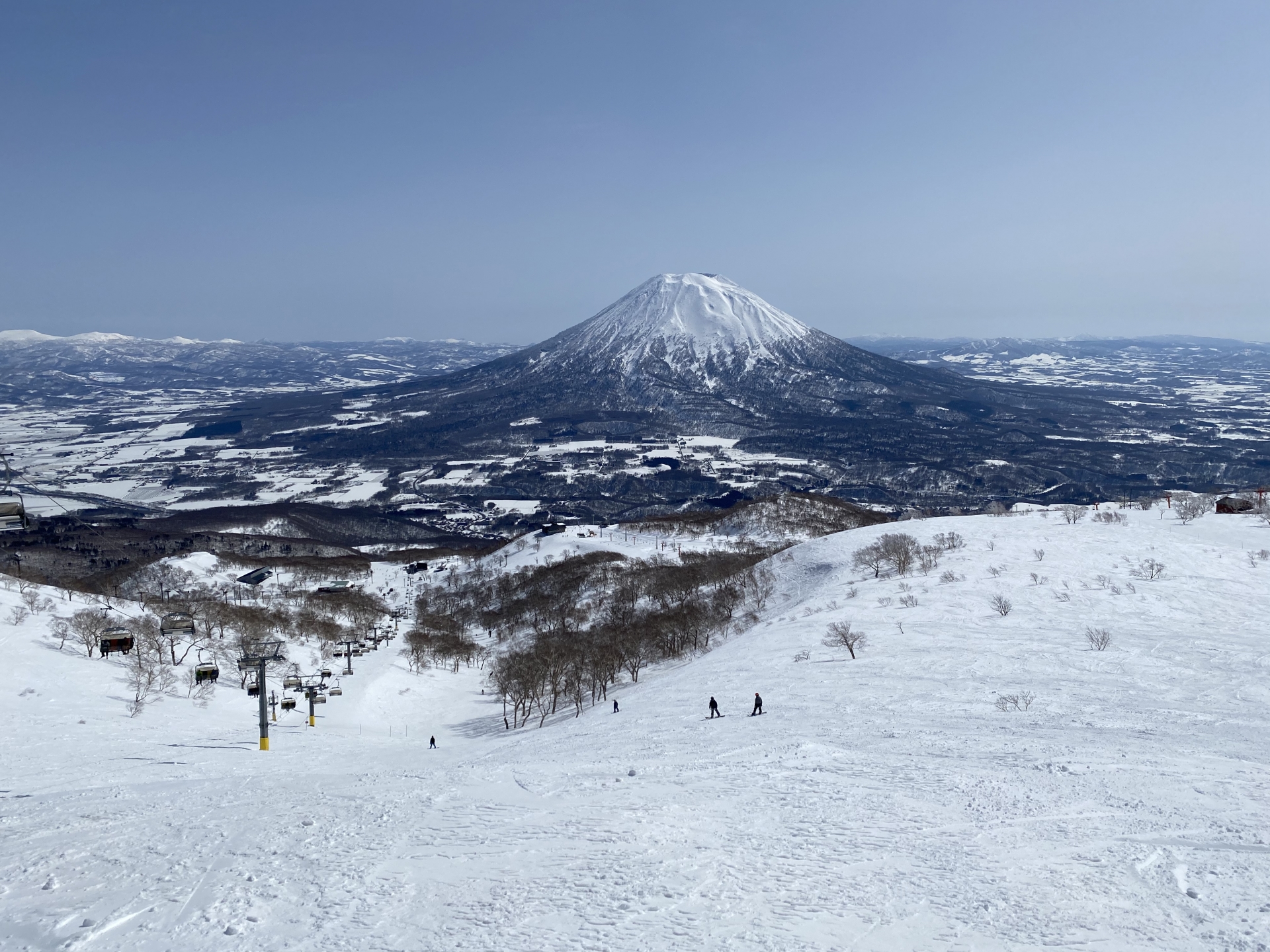
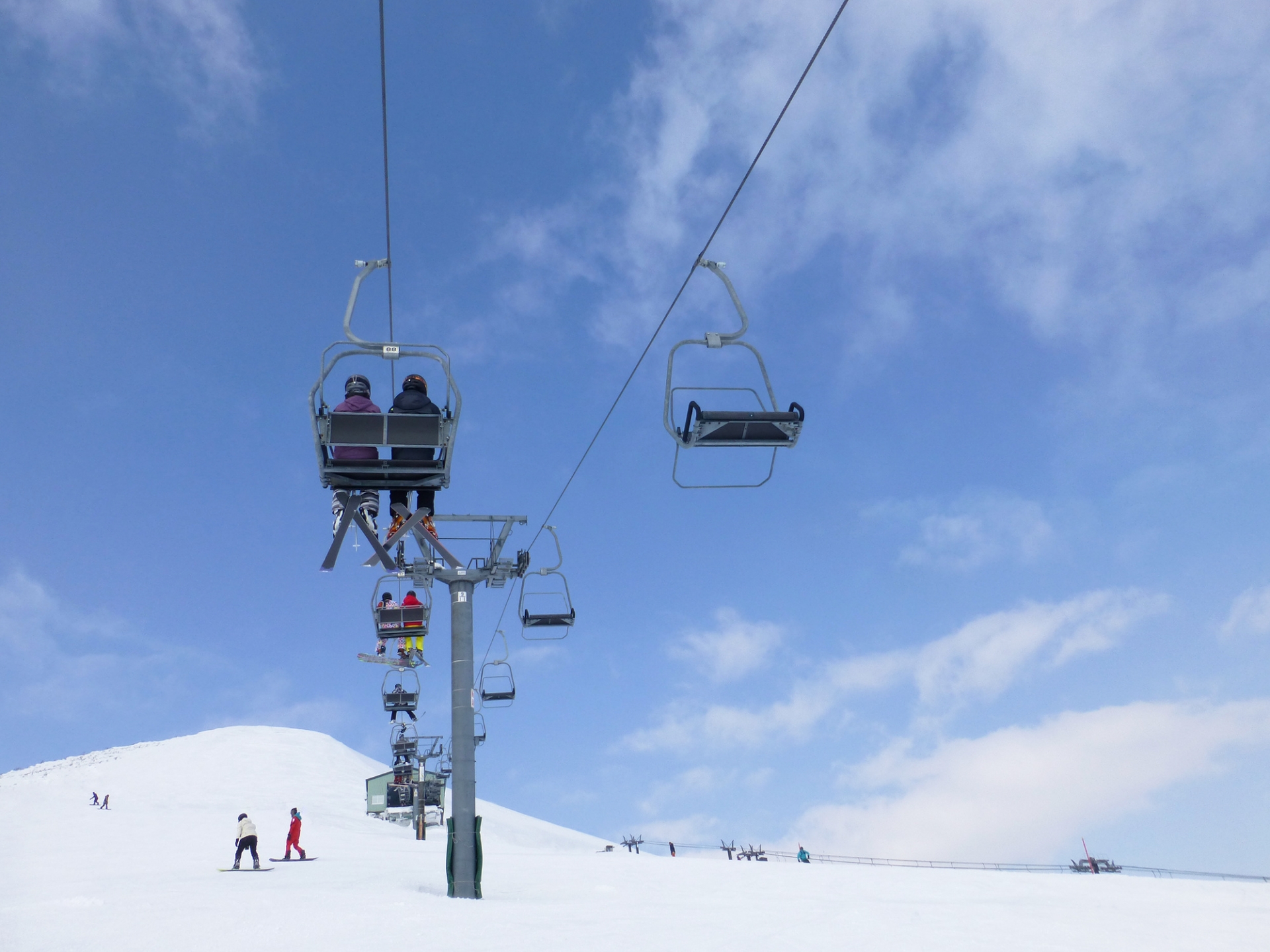
I remember my first time in Niseko back in 2021. I thought I was hot stuff because I’d skied the Alps and a few resorts in the States. I showed up with my skinny 70mm carving skis and a lot of unearned confidence. Five minutes into my first run at Grand Hirafu, I caught an edge in powder so deep it felt like falling into a giant, frozen marshmallow. I didn't just fall; I disappeared. My friends spent ten minutes digging me out while laughing their heads off. That’s the thing about 'Japow'—it’s not just snow; it’s a lifestyle, and it demands respect. Since then, I’ve spent every winter chasing that feeling of weightlessness. There is absolutely nothing like the silence of a Hokkaido forest when the snow is dumping at three inches an hour. You can’t even hear your own breath. It’s just you and the muffled 'whump' of your board hitting a drift. nnBy 2026, the crowds have definitely returned, but the magic hasn't faded. I had a moment last February at the top of Mt. Annupuri where the clouds parted just enough to reveal the perfect cone of Mt. Yotei. The entire ridge of skiers just... stopped. Nobody said a word for a full minute. We all just stood there, looking at this volcano across the valley, before dropping into the best run of our lives. If you're looking to book a similar thrill, I highly recommend looking into a guided backcountry tour or a premium rental package to ensure you have the right gear for these conditions.
Top Rated
Niseko Ski & Snowboard Rental
Get fitted with the latest 2026 powder gear. Includes high-performance boots, boards/skis, and poles delivered directly to your accommodation in Hirafu or Annupuri.
The 'powder' boards sell out weeks in advance during peak February—don't get stuck with skinny skis.
Book Gear Now ↗
It’s those moments that make the 6 AM wake-up calls and the frozen eyelashes completely worth it. But let’s be real: the first day is always awkward. You’ll fumble with the IC lift cards, you’ll probably go the wrong way on a gondola, and if you’re like me, you’ll definitely fall over while trying to look cool in front of the local pros. Embrace it. The snow is soft anyway. nnSeriously. Go early. The 'first tracks' culture in Niseko is intense. By 2026, the Hanazono side has become even more developed with high-speed lifts that make the old Hirafu chairs look like relics. I’ve found that if you aren't in line by 8:15 AM, you're basically skiing leftovers. But even the leftovers in Japan are better than a 'good' day in most other countries. The sheer volume of moisture-stripped air coming off the Sea of Japan creates a texture that doesn't exist elsewhere. It’s not 'packed powder'—it’s literal dust. You don't ski on it; you float through it. And when you finally get it right, when you find that rhythm where you aren't fighting the mountain but just drifting with it, you'll understand why I can't go back to the icy slopes of my youth. It’s ruined me for life, in the best way possible.
If you're in Niseko, skip the main Hirafu gondola line at 8:30 AM. It’s a zoo. Take the Hanazono side instead; it’s usually quieter and the heated seats on the lifts are a literal godsend when it's -15°C.
What You Need to Know Before You Face-Plant
Listen to me: Do NOT bring your own gear from home unless you are a professional athlete or just love paying airline oversize fees. I made that rookie mistake once. I hauled my old board across three train transfers in Tokyo, nearly took out a salaryman’s eye on the Yamanote line, and realized the moment I hit Hakuba that my board was way too thin for the deep stuff. The rental shops in Niseko and Hakuba are world-class now. In 2026, most places are using high-end gear that’s specifically tuned for the local 'dry' powder. It’s worth the extra few thousand yen to get the 'premium' or 'powder' package. Trust me, your knees will thank you when you aren't sinking to the bottom of every turn. nnOh, and here's what most people miss: the difference between the two big hubs. Niseko is like the 'Vegas of Snow'—it’s international, everyone speaks English, and the nightlife in Hirafu is legendary (and expensive). Hakuba, on the other hand, feels more like 'Old Japan.' It’s a collection of different resorts, and you’ll need a shuttle to get between them. I personally prefer Hakuba for the steepness—Happo-One is no joke—but Niseko wins for the sheer volume of snow. If you’re staying in the area, make sure to book your accommodation early—like, six months early.
Best Location
Stay in Hakuba Village
The Echoland and Happo areas offer the best mix of traditional ryokans and modern hotels. Most are within walking distance of the 'Genki' shuttle stops that hit all 10 resorts.
Walking to the shuttle is the difference between a 10-minute commute and a 40-minute nightmare.
Find Hotels ↗
I once tried to wing it in February and ended up staying in a 'capsule hotel' that was basically a plastic coffin three towns away. Not my finest hour. nnOn top of that, be prepared for the 'Onsen Etiquette.' After a day of sub-zero temperatures, your body will crave the hot springs. Just remember: no swimsuits, wash yourself thoroughly before getting in, and don't be the loud tourist splashing around. It’s a place for quiet reflection, usually about how many times you fell over that afternoon. I remember sitting in an outdoor bath in Hakuba while it was snowing, the steam rising into the dark sky, and feeling every muscle in my legs finally stop screaming. It’s the ultimate reset button. You’ll see locals who have been doing this for eighty years, and they’ll look at you with a mix of pity and amusement as you try to navigate the heat. Don't rush it. The transition from the freezing air to the 42-degree water is a sensory shock that you'll eventually become addicted to. It’s the only way to survive a ten-day ski trip without your legs falling off.
In Hakuba, the 'Happo-One' resort is the famous one, but 'Iwatake' has the best views and a bakery at the top that serves the best hot chocolate in the prefecture. Go there on a Tuesday to avoid the weekend warriors.
The Practical Stuff: Booking and Logistics
Alright, let's talk brass tacks. If you’re heading to Niseko, you’re flying into New Chitose Airport (CTS) and then taking a 3-hour bus or private transfer. For Hakuba, it's the Shinkansen from Tokyo to Nagano Station, then a bus. Pro tip: The 'Snow Monkey' pass usually isn't worth it if you're only skiing, but the JR East Nagano/Niigata Area Pass is a steal if you're doing a round trip from Tokyo. In terms of cost, expect to shell out around 8,000 to 12,000 yen for a day lift pass in 2026. Rentals will run you another 6,000 to 9,000 yen. It’s not a cheap hobby, but compared to Vail or Aspen, it’s actually a bargain. nnEnglish support is everywhere in Niseko—you’ll honestly forget you’re in Japan sometimes. Hakuba is about 70/30 English-friendly. If you’re a beginner, I cannot stress this enough: book a lesson. The instructors here are usually expats who know the terrain like the back of their hand. They’ll show you the hidden stashes of powder that aren't on the map. Most resorts now use a 'rechargeable' IC card for lifts. You pay a 500 yen deposit (usually), and you get it back from a machine at the end of the day. Don't be the person who throws it away; that’s a free beer’s worth of yen! nnLastly, the food. Don't just eat at the resort cafeterias. Seek out the small izakayas in the villages. There's a tiny ramen shop in Hakuba Village that only seats six people and serves a spicy miso ramen that will bring you back to life after a wipeout. That, combined with a cold Sapporo Classic—which you can only get in Hokkaido, by the way—is the peak Japanese winter experience. I’ve been doing this for five years, and I still get butterflies when I see that first snowflake hit the window of the Shinkansen. You'll want to download the 'Yukiyama' app before you arrive. It gives you real-time GPS tracking on the slopes and tells you which lifts are closed due to wind—which happens a lot more than the brochures let on! It’s saved me from getting stuck on the wrong side of the mountain more than once. Trust me, walking two miles in ski boots because you missed the last shuttle is a mistake you only make once.
Download the 'Yukiyama' app. It gives you real-time GPS tracking on the slopes and tells you which lifts are closed due to wind—which happens a lot more than the brochures let on!