Why I Loved This: The Moment the World Went Quiet
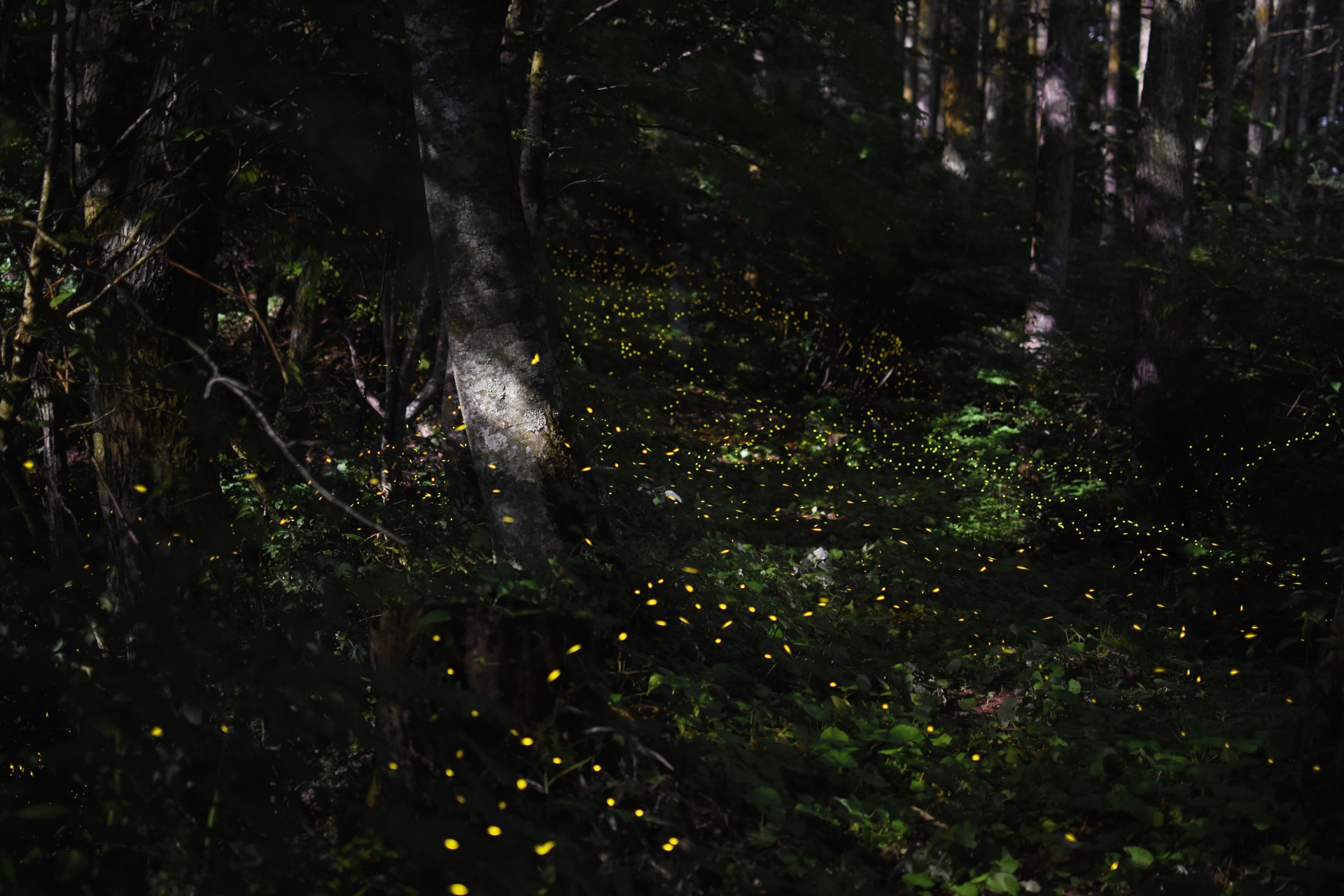
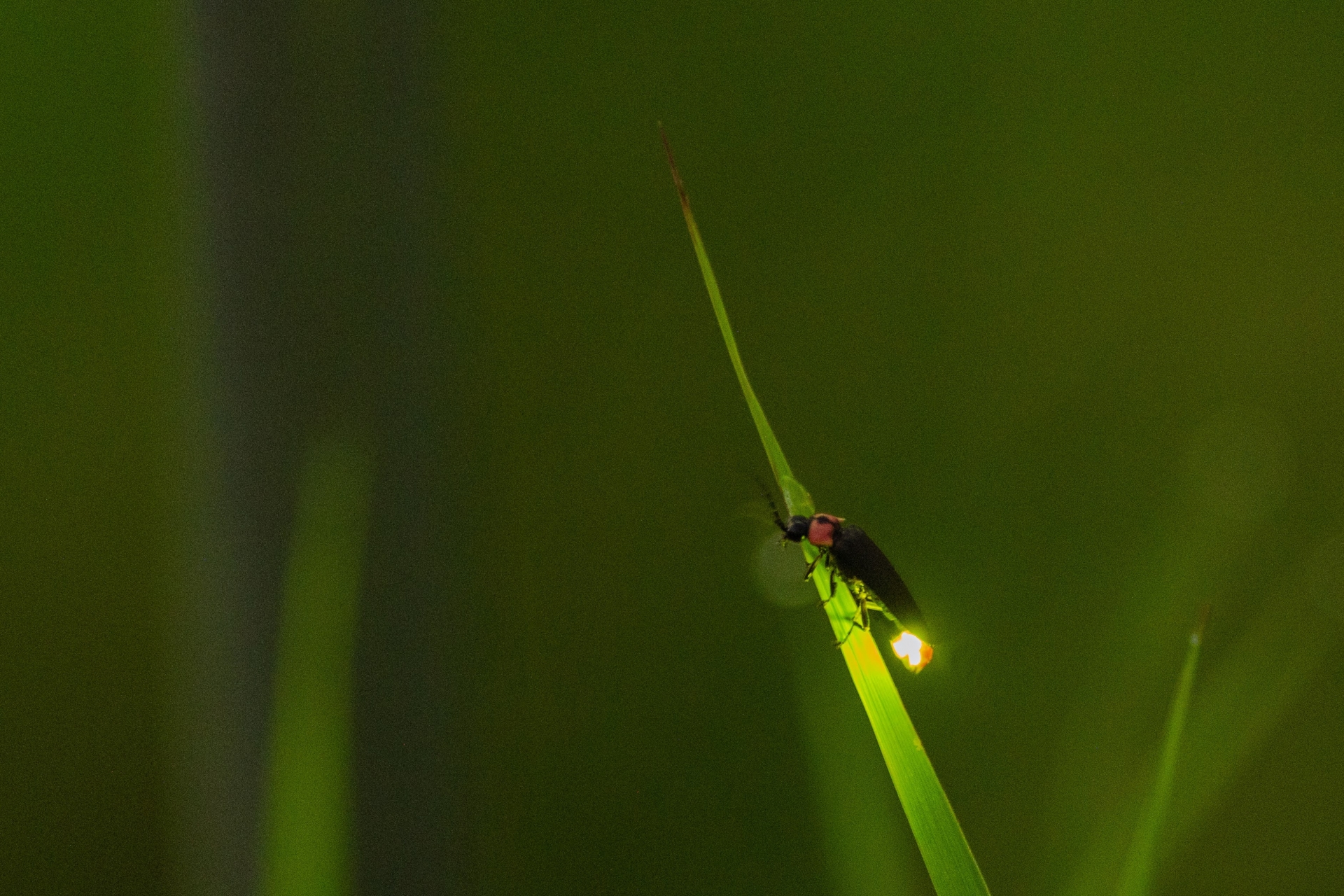
I’m a city kid through and through. Tokyo’s neon is my comfort blanket, and I usually find 'silence' a bit unsettling. But standing in a pitch-black forest in Tatsuno, Nagano, back in the summer of 2023, I realized I’d been missing half the universe. I’d dragged myself out there on a whim, thinking it would be another overhyped tourist trap. I was so wrong. The first ten minutes were actually pretty awkward—I was stumbling over tree roots and trying to suppress the urge to check my Instagram notifications. Then, it happened. A single, tiny pulse of neon green light flickered near a stream. Then another. Within minutes, the entire valley was breathing. Thousands of Genji fireflies were performing a synchronized light show that made the Shibuya Crossing look like a flickering candle. It wasn't just 'pretty'—it felt real, heavy and deep. I literally stopped mid-sentence. The entire group I was with just went silent. For about ten minutes, nobody said a word, and for the first time in five years of living in Japan, I felt like I was actually seeing the country’s soul.nnI made the classic rookie mistake of bringing a high-powered flashlight, thinking I was being 'prepared.' The local guide looked at me like I’d just tried to bring a boombox to a funeral. Pro tip: Don't do that. You don't need light; you need your eyes to adjust. Once they did, the sky opened up. Because we were so far from the city glare, the Milky Way wasn't just a smudge—it was a jagged, brilliant scar across the sky. I remember thinking that if I had stayed in Tokyo that weekend, I would’ve been staring at a screen instead of this. If you’re looking for a tour that actually delivers on the 'magic' promise, you’ve got to book one of these guided night walks
Top Rated
Snag a Spot on the Night Walk
Join a local guide for a walk through the hidden firefly glens of Nagano. Includes transport from the station and expert commentary on the local ecosystem.
These tours are limited to small groups and sell out weeks before the peak June season.
Book Now ↗
because trying to find these spots on your own in the dark is a recipe for a twisted ankle and a lot of cursing. Trust me, the silence is worth the trek. It’s the kind of quiet that actually makes your brain stop buzzing for a second. Seriously. Go early.
Forget the 'Firefly Festivals' in the big cities. They often use captive bugs in cages. Tatsuno is the real deal—wild, free, and absolutely massive in scale.
What You Need to Know Before You Go: The Logistics of Darkness
Let’s get real for a second: chasing fireflies (Hotaru) and stars isn't like going to a museum. Nature doesn't have a schedule. The fireflies usually peak between mid-June and early July, depending on how much it rained in May. If you show up in August, you’re mostly just looking at stars (which are still great, but you’ll miss the bugs). When I first went, I didn't realize how much the weather mattered. If it’s too windy or raining hard, the fireflies stay home. They’re sensitive little divas. You want a humid, still night. And wear long sleeves! I know it’s summer and it’s muggy, but the mosquitoes in the Nagano countryside are built different—they’re basically small drones. I ended up with six bites on my ankles because I wore stylish 'city' socks. Don't be me. Wear thick socks and long pants.nnThe experience usually starts around 7:30 PM. You'll meet your guide—usually a local who knows exactly which bend in the river is 'popping' that night—and walk for about 20 minutes into the deep dark. This is where the stargazing part kicks in. Most tours now include high-end binoculars or even a telescope setup. Looking at Saturn’s rings while standing in a field of fireflies is a memory I didn't know I needed. After the walk, most people want to crash nearby because the last trains back to major hubs like Matsumoto or Kofu leave earlier than you’d think. I highly recommend staying at a local ryokan in the Suwa area
Local Favorite
Crash at a Local Ryokan
The Suwa and Tatsuno areas offer traditional ryokans with private onsen. Perfect for relaxing after a night in the forest.
The last trains leave early; staying local is the only way to enjoy the night without rushing.
Find Hotels ↗
so you can soak in an onsen after your night hike. There is nothing—and I mean nothing—better than a hot soak after being out in the mountain air. Just make sure you check the local bus schedules, or better yet, rent a car. Japan's rural public transport in 2026 is still a bit of a puzzle for the uninitiated. Oh, and bring a light jacket. Even in July, the mountain air gets crisp once the sun drops.
If you're using a camera, you need a tripod and a long exposure (20-30 seconds). But honestly? Put the camera away for the first half hour. You'll miss the rhythm of the lights if you're squinting through a viewfinder.
The Practical Stuff: Where, When, and How Much?
Alright, let's talk brass tacks. If you want the absolute best firefly experience, you go to Tatsuno in Nagano. It’s known as the 'Firefly Capital' for a reason. They have a dedicated park (Matsuo-kyo) where they’ve been protecting these insects for decades. For stargazing, Hokuto in Yamanashi is your best bet because it has some of the lowest light pollution levels in Honshu. Most tours will set you back around 4,000 to 7,000 yen. That usually covers the guide, some light snacks (usually local apples or crackers), and transport from the nearest station. Is it worth it? Yes. Could you do it for free? Technically, but you’ll spend three hours getting lost on backroads and probably end up on someone’s private farm.nnLanguage-wise, don't sweat it too much. Even if the guide’s English is limited to 'Look!' and 'Beautiful!', the experience is 90% visual. They’ll usually give you a printed English sheet with the 'rules' (no flash, no touching, no smoking). Most of these tours are small—usually under 12 people—so it feels intimate rather than like a school field trip. If you’re coming from Tokyo, you can take the Azusa Limited Express from Shinjuku. It’s about a 2.5-hour ride. If you’re doing this as a day trip, you’re going to be exhausted. Do yourself a favor and make it an overnight stay. The air up there is about 5 degrees cooler than the city, which in the middle of a Japanese summer, feels like a gift from the gods. I’d do this again in a heartbeat, maybe every summer. It’s the perfect reset button for your brain. You'll thank me later when you're breathing that fresh mountain air instead of subway exhaust.
Book your train tickets at least two weeks in advance if you're traveling on a weekend. The 'Azusa' line fills up fast with hikers and nature-starved Tokyoites.