Why I Finally Stopped Hating the Kawaguchiko Crowds
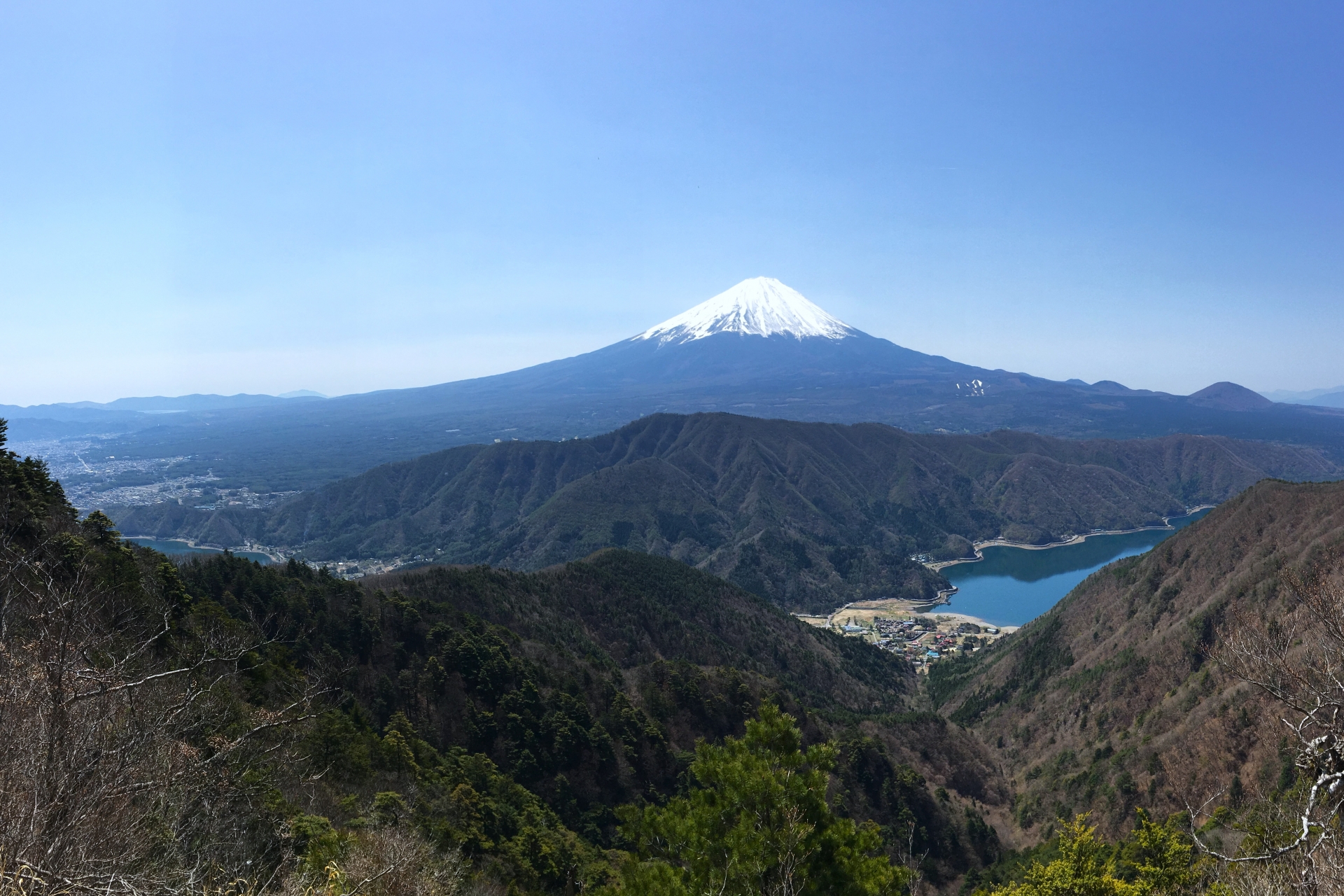
I’ll be real with you—my first three trips to Lake Kawaguchiko were absolute disasters. I did exactly what every ‘Top 10’ blog told me to do. I took the bus from Shinjuku, stood in line for a mediocre tempura bowl for two hours, and stared at a giant wall of gray clouds where a mountain was supposed to be. It was frustrating, expensive, and felt like a total tourist trap. But in 2026, things have changed, and so has my approach. I realized that if you want to actually *feel* the scale of Fuji, you have to get your boots dirty. The moment it clicked for me was on a Tuesday morning last November. I’d dragged myself out of bed at 4:30 AM, cursing my life choices, to hit the trail behind the Chureito Pagoda. Most people stop at the pagoda, take the same photo everyone else has, and leave. Not me. I kept climbing. nnAbout forty minutes up, the trail thins out and the noise of the tour buses just... vanishes. I stopped to catch my breath, turned around, and there it was. The sun was just hitting the snowcap, turning it a weird, ethereal pink. No filters, no crowds, just the sound of my own heavy breathing and the wind through the pines. That’s the experience you’re looking for. To get that kind of peace, I highly recommend booking a guided trekking experience that takes you away from the paved paths and into the actual ridgelines.
Alex's Choice
Mt. Fuji Secret Hiking Tour
A full-day guided trek that skips the crowds and takes you to the best-kept secret viewpoints. Includes transport, a local guide who knows the history, and a hidden lunch spot with lake views.
The best viewpoints aren't on Google Maps—your guide knows exactly where they are.
Book the Hike ↗
It’s the difference between seeing a postcard and living in one. I’ve lived in Japan for five years now, and I still get goosebumps when the clouds part like that. It’s a visceral, humbling reminder of how small we are. And here's the thing—the sore calves the next day are a small price to pay for that kind of clarity. nnOh, and don't even get me started on the 'Instagram spots' in town. You've seen the photos of the Lawson convenience store with Fuji in the background? In 2026, they've mostly blocked those views with screens because people were being reckless. It's a mess. If you want that iconic 'mountain over a shop' look, you have to be smarter than the average tourist. I spent years trying to find the 'perfect' spot, only to realize the best views are the ones you earn. Seriously. Go early. The mountain is a morning person, even if you aren't. If you wait until 11 AM, the clouds usually roll in like a curtain closing on a show you paid way too much to see.
Forget the 'Lawson View' everyone fights over. There’s a tiny 7-Eleven about 15 minutes further down the road toward Lake Saiko that has the same backdrop with zero influencers blocking the sidewalk.
What You Need to Know Before You Lace Up
Listen, don’t be the person I saw last year trying to hike the Arakurayama trail in Gucci loafers. I wish I was joking, but I watched him slide ten feet down a gravel slope while his girlfriend filmed it for TikTok. It was hilarious, but also a great way to ruin your trip. The terrain around the Fuji Five Lakes is manageable, but it’s real nature. If you’re planning to do the hike from the pagoda up to Mt. Gonigakoya, you need actual grip on your shoes. The weather here is also a total liar. It can be 18 degrees and sunny at the lake level and a biting 5 degrees with wind chill once you hit the ridgeline. My biggest mistake early on was not layering. I ended up shivering behind a rock for an hour waiting for a sunset that never happened because the fog rolled in. nnOn top of that, you've got to check the 'Fuji Visibility' forecasts online before you commit. If the visibility rating is below a 7, maybe go to an onsen instead. If you're staying overnight—which you absolutely should do to catch the early morning 'Mirror Fuji'—make sure you're on the north side of the lake.
Best Views
Lakeside Ryokan Stay
Stay in the Oishi area on the north shore of Lake Kawaguchi. These rooms offer direct, unobstructed views of Mt. Fuji across the water, often with private open-air baths.
Waking up to a clear Fuji reflection is a bucket-list moment you won't regret.
See the Rooms ↗
I once booked a 'Fuji View' room on the south side and my only view was a very nice parking lot and a hint of a slope. Trust me, pay the extra bit for the lakeside spots in Oishi. It’s worth every yen when you wake up, pull the curtains, and the mountain is just *there*, filling the entire window. It’s enough to make a cynical expat like me actually stop and stare for ten minutes while my coffee gets cold. nnYou'll want to pack some high-energy snacks too. The convenience stores at the base are great, but once you're on the ridgeline, there's nothing but trees and rocks. I usually grab a couple of spicy tuna onigiri and a Pocari Sweat. There's something about eating a convenience store rice ball while looking at a 3,776-meter volcano that just makes it taste like a five-star meal. Also, keep an eye on your phone battery. The cold air up high drains it faster than you'd think, and you'll want it for the maps—and the 400 photos you're inevitably going to take.
The 'Retro Bus' is usually packed like a sardine can. Rent an electric bike near Kawaguchiko Station instead. You’ll beat the traffic, find hidden lake access points, and your thighs will thank you for the motor assist on the hills.
The Practical Stuff: How to Not Get Stranded
Logistics in the Fuji area can be a headache if you don't plan. In 2026, the Fuji Excursion train from Shinjuku is still the gold standard, but you have to book those seats the second they go on sale (exactly one month out). If you miss it, you’re stuck on the highway bus, which is fine until there’s a weekend traffic jam and your 2-hour trip turns into a 5-hour endurance test. I’ve spent way too many hours staring at the back of a bus headrest to ever recommend the afternoon return trip on a Sunday. Avoid it like the plague. For the hikers, the trails are generally well-marked in English and Japanese, but I always download an offline map. There’s a section near the Wind Cave where cell signal just dies, and it’s surprisingly easy to take a wrong turn toward the Aokigahara Forest—which is beautiful but not somewhere you want to be wandering aimlessly as the sun goes down. nnMost of the good hiking tours include transport from the station, which saves you the hassle of figuring out the local bus schedules that seem to change every season. If you’re doing this solo, aim to be off the mountain by 4 PM. Once the sun drops behind Fuji, the temperature plummets instantly. I’d also suggest bringing more water than you think you need. There are no vending machines on the ridgeline, a lesson I learned the hard way while licking condensation off a leaf—okay, slight exaggeration, but I was thirsty. nnHere's what most people miss: the local Fujiyoshida Udon. After a 4-hour hike, you don't want fancy food. You want these thick, chewy noodles that are almost a workout for your jaw. There are dozens of tiny shops run out of people's living rooms in the backstreets of Fujiyoshida. Look for the ones with a simple 'Udon' curtain and a line of locals. It's the most authentic 'I just climbed a mountain' meal you can get. It's cheap, filling, and will warm you up from the inside out. Just don't expect a menu in English—point at what the person next to you is eating and you'll be fine. Trust me on this one.
If the main Kawaguchiko Ropeway has a line longer than 45 minutes, just walk the trail up next to it. It takes about 30 minutes, saves you ¥1,000, and you get better views through the trees anyway.