The Moment I Realized I Was Doing Japan All Wrong
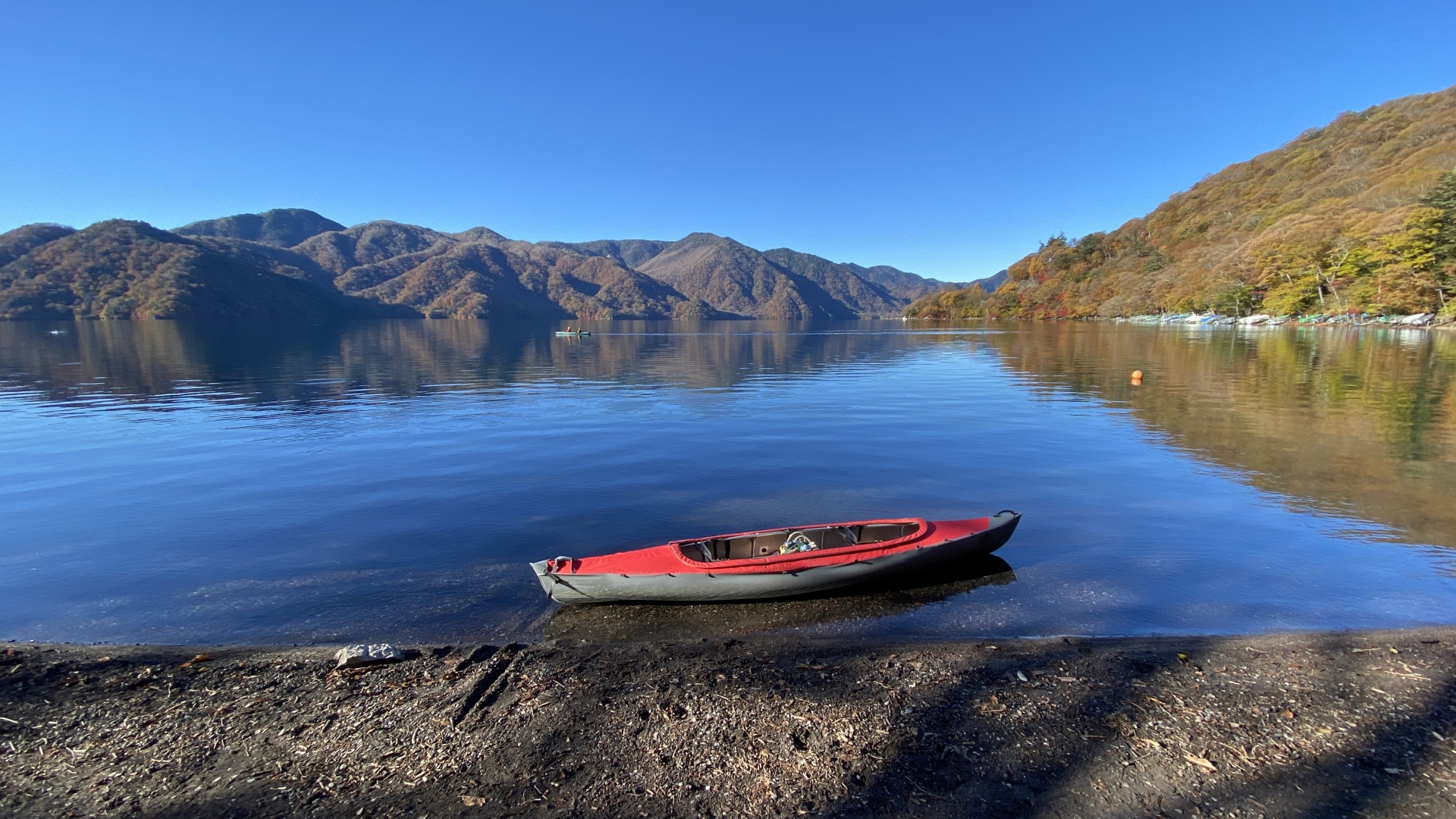
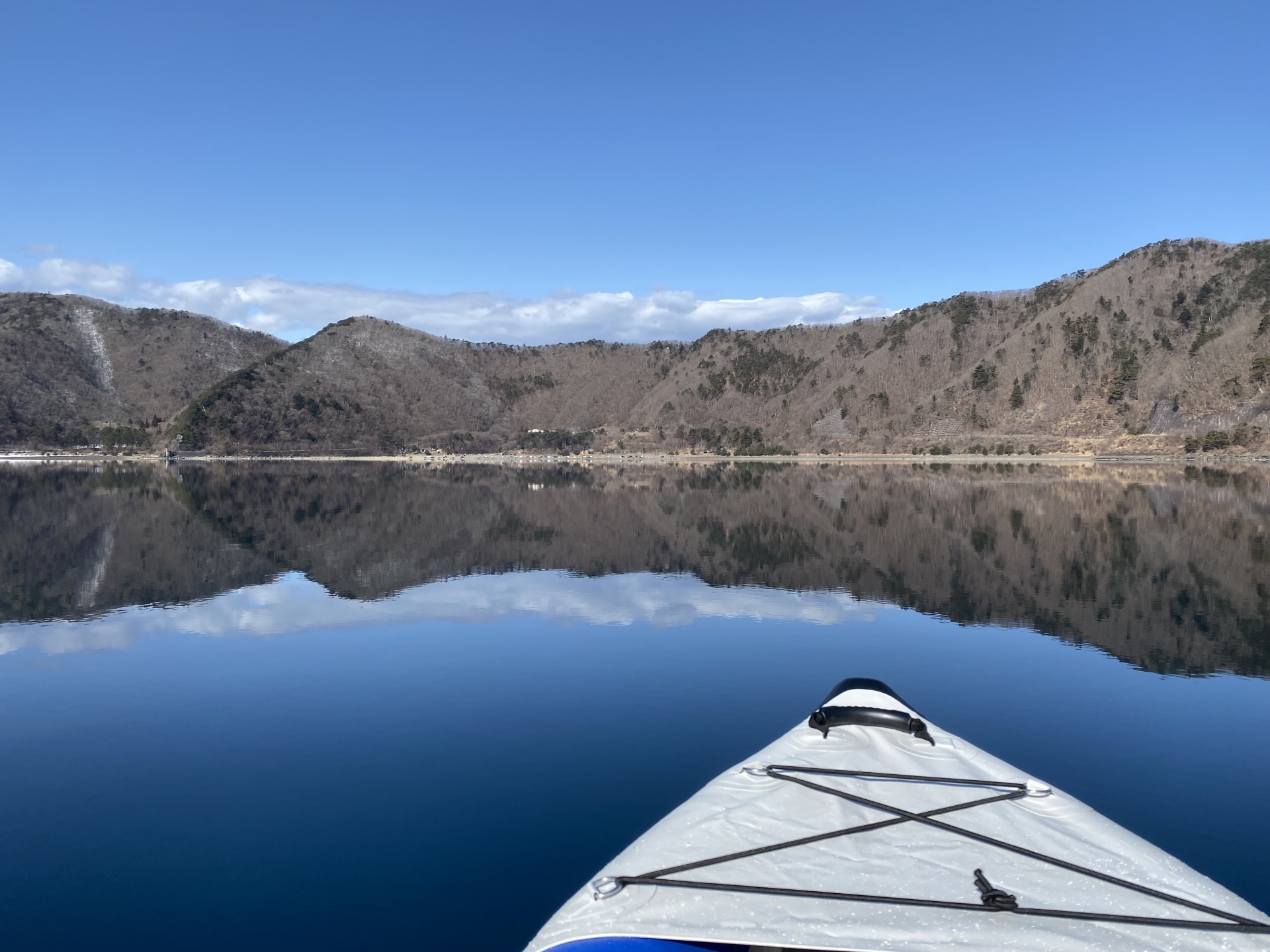
The silence was so loud it actually made my ears ring. I was sitting in a yellow polyethylene kayak in the middle of Lake Toya in Hokkaido, and for the first time in five years of living here, I couldn't hear a single vending machine, train announcement, or 'irasshaimase.' I’ll be honest, I used to think kayaking was for people who didn’t have enough hobbies—until I saw the Nakajima Islands from the waterline. There’s something visceral about being that close to the surface of a volcanic caldera. The water is so clear it’s dizzying, like you’re floating on glass instead of liquid. I remember looking down and seeing a submerged tree trunk that looked like a skeletal hand reaching up. It was creepy, beautiful, and completely silent. nnI’d spent years visiting these famous spots, standing on the observation decks like every other tourist, taking the same photo. But out there? It’s just you and the elements. I booked my first guided tour on a whim because the 'Swan Boats' were all taken, and honestly, it was the best mistake I ever made.
Alex's Pick
Book the Seto Island-Hopping Tour
A 3-hour guided paddle through the calm waters of the Inland Sea. Includes gear, a local guide, and a stop at a secluded island beach only accessible by boat.
This is the only way to see the Shimanami Kaido bridges from directly underneath—a perspective 99% of tourists miss.
Check Dates ↗
Most people stick to the shore, but the real magic of Japan’s nature is hidden behind the headlands and around the islands you can't reach by foot. I’ve since paddled through the morning mist in Shiga and navigated the tiny, pine-covered islets of the Seto Inland Sea. Every single time, I come back feeling like I’ve actually *seen* the country, not just looked at it. It’s not just exercise; it’s a total mental reset that you simply cannot get in a crowded city like Tokyo or Osaka. nnAnd here's the thing: you don't need to be some hardcore outdoorsman to do this. The guides I've met, like Tanaka-san up in Hokkaido, are incredibly patient. They spend the first twenty minutes making sure you don't accidentally paddle in circles, and then they just let you drift. On top of that, the gear they provide in 2026 is top-tier. You aren't getting some leaky wooden boat; these are stable, modern crafts that make you feel like you're sitting in a comfortable armchair that just happens to be on a lake. Seriously. Go early. The feeling of being the only person on a massive volcanic lake while the rest of the world is still sleeping is something I can't even put into words properly. It’s the closest I’ve ever felt to the 'Old Japan' you read about in books, far away from the neon and the noise.
If you're heading to Lake Toya, try to book the 'early bird' sunrise session. The water is like a mirror before the wind picks up at 10 AM, and the light hitting the steam from the nearby volcanoes is pure cinematic gold.
The Reality Check: What You Need to Know Before You Paddle
Let’s talk about the 'Divorce Boat.' That is the unofficial name for a tandem kayak. I made the rookie error of taking my wife out in one at Lake Biwa without a game plan. Within fifteen minutes, we were arguing about who was 'steering' (it was neither of us) and spinning in circles while a group of schoolkids effortlessly glided past us. If you’re going with a partner and you value your relationship, get two single kayaks. Trust me on this. Also, Japan’s sun is no joke. I once spent three hours on the Seto Inland Sea and forgot to sunscreen my knees—just my knees. I looked like a Neapolitan ice cream for two weeks. nnWhen you show up for these tours, expect a 20-minute safety briefing that might be in 'Japanglish.' Don't worry; the hand signals are universal. You’ll get a life jacket that smells faintly of old river water (standard) and a paddle that feels light until about hour two.
Best for Logistics
Stay Near Lake Biwa
The Otsu and Omi-Maiko areas offer stunning lakeside ryokans and modern hotels. Staying here lets you hit the water at 8 AM before the day-trippers arrive from Kyoto.
Skip the 1-hour commute from Osaka and wake up to the sound of the lake instead of traffic.
Find Hotels ↗
The biggest surprise for most people is how much 'wellness' is actually involved. You aren't just powering through; you're drifting. In the Seto Inland Sea, the guides often take you to 'secret' beaches that are only accessible by water. I’ve had entire stretches of white sand to myself in a country of 125 million people. That alone is worth the price of admission. nnOh, and don't expect to stay dry. Even if you don't flip—and you probably won't—the water drips off the paddle and right onto your lap. You'll want to wear quick-dry gear, not your favorite denim shorts. I've seen tourists show up in full 'influencer' outfits only to realize they have to sit in a damp plastic seat for three hours. It's not a good look. Here's what most people miss: the core workout. You think it's all arms, but by the time you're heading back to the dock, your midsection will be telling you all about it. Just be prepared for the 'kayak waddle' when you get out—your legs will feel like jelly, and your core will remind you it exists the next morning. But honestly? That post-kayak beer and soak in a local onsen feels ten times better when you've actually earned it.
Wear 'marine shoes' or old sneakers you don't mind ruining. The entry points, especially in the Seto Inland Sea, are often sharp volcanic rock or barnacle-covered concrete. Flip-flops will just float away the moment you tip.
Where to Go: Toya, Biwa, or the Inland Sea?
So, where should you actually put your paddle in the water? If you want 'Dramatic Japan,' go to Lake Toya in Hokkaido. It’s a giant volcanic crater, and the water stays relatively calm. It’s perfect for beginners because there’s almost no current. If you want 'Convenient Japan,' Lake Biwa is your spot. You can hop on a train from Kyoto Station—take the JR Kosei Line—and be in a kayak at Omi-Maiko or Otsu in under 40 minutes. It’s the easiest way to escape the Kyoto crowds when the shrines start feeling like a mosh pit. nnBut if you want the 'Heavy Hitter' experience, you have to head to the Seto Inland Sea. Specifically, look for tours operating out of Onomichi or Imabari. This is where you do island-hopping. You’ll paddle under massive suspension bridges and past tiny fishing villages where old men will wave at you from their porches. Most tours here last about 3 to 4 hours and include a break for tea or local citrus. Prices in 2026 usually hover around 7,000 to 12,000 yen, which includes all your gear. Language support is getting much better; almost every major outfitter now has at least one staff member who can explain the basics in English or uses a translation app to keep things smooth. nnJust remember to check the wind forecast. I once tried to fight a headwind in the Seto Sea and ended up stationary for twenty minutes like a human treadmill. It was exhausting and, frankly, a bit embarrassing as a local fisherman watched me struggle while he smoked a cigarette on his boat. Check the tides, listen to your guide, and for heaven's sake, waterproof your phone case. You'll want it for the photos, but the sea doesn't care about your latest iPhone model. Dive into the experience, but keep your gear safe. If you're lucky, you might even spot some of the local sea life—I've seen everything from jumping mullet to the occasional sea turtle in the clearer patches of the Inland Sea. It's a world away from the Shinkansen tracks.
In the Seto Inland Sea, ask your guide about the 'whirlpools.' Near the bridges, the current gets crazy. You don't want to be in a kayak near them, but seeing the water 'boil' from a safe distance is terrifyingly cool.