The Moment I Realized I Was Totally Out of My Depth
The silence at 2,000 meters hits different. It’s not just the absence of city noise; it’s a heavy, ancient kind of quiet that makes you realize exactly how small you are. I remember my first trip to Kamikochi back in 2021—I thought I was 'outdoorsy' because I could handle the Shibuya scramble without breaking a sweat. Big mistake. Huge. I showed up at the trailhead in fashion sneakers and a light hoodie, thinking it was just a stroll. Within forty minutes, the weather flipped from 'sunny picnic' to 'ominous mountain mist,' and I was shivering behind a rock. That’s when I saw a guided group pass me. They were laughing, perfectly dry in their Gore-Tex, and their guide was pointing out a rare alpine flower I’d just stepped on. I felt like a total amateur. Since then, I’ve learned my lesson. Now, in 2026, I don't go into the Northern Alps without a pro. Last summer, I booked a guided day trek through the Karasawa Cirque, and it changed everything. Instead of staring at my feet and worrying about the trail markers, I was actually looking at the granite peaks of Mt. Hotaka. My guide, a guy named Kenji who looked like he’d been carved out of cedar wood, knew exactly when the clouds would break. He led us to a hidden ridge that wasn't on the main tourist map.
Top Rated
Book This Experience
A full-day guided trek through Kamikochi's most stunning trails. Includes a professional mountain guide, safety gear, and personalized route planning based on your fitness level. You'll see the Azusa River and the Hotaka peaks from angles most tourists never find.
The best trails aren't on the maps—and these guides know every hidden viewpoint.
Book Now ↗
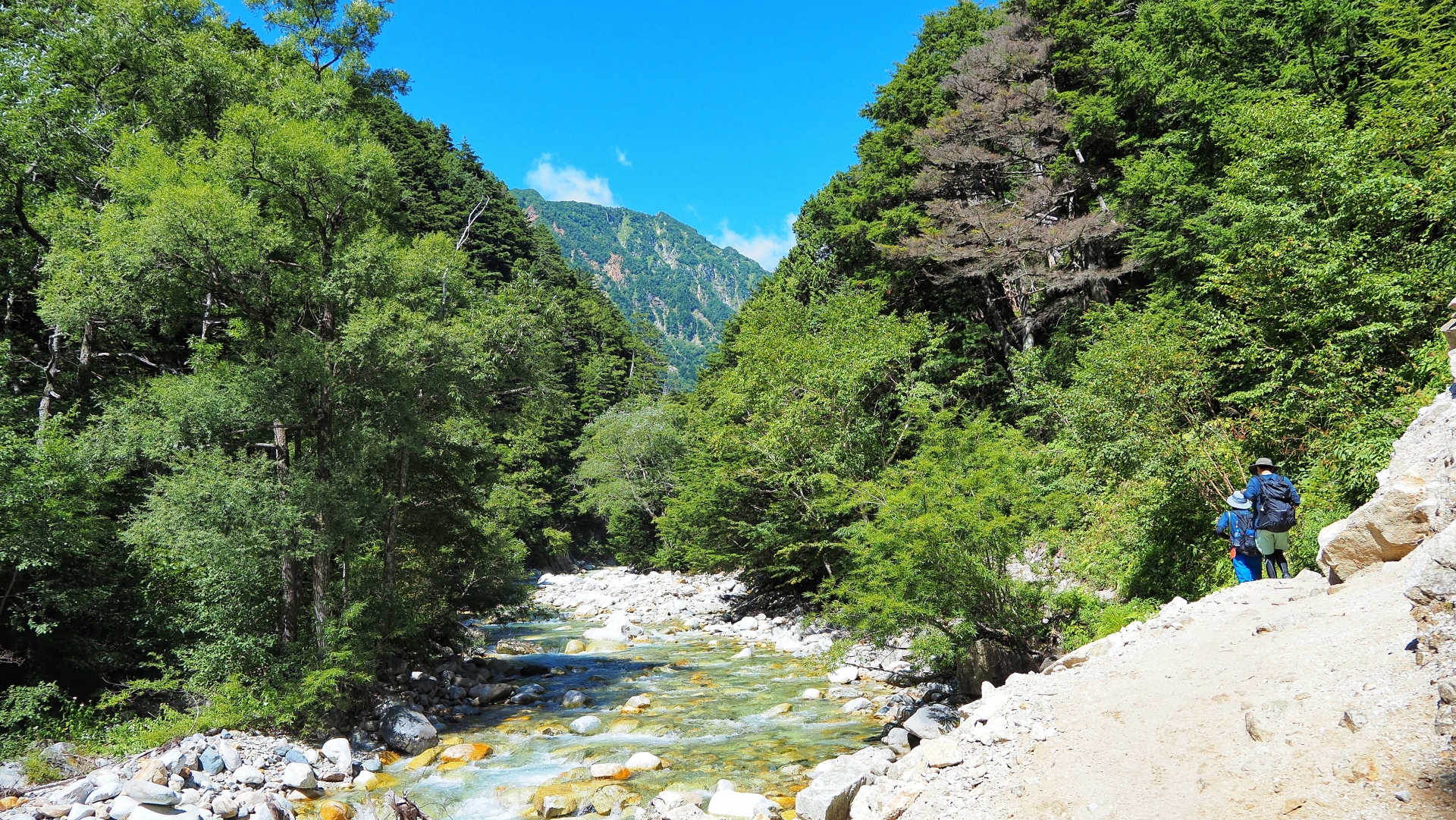
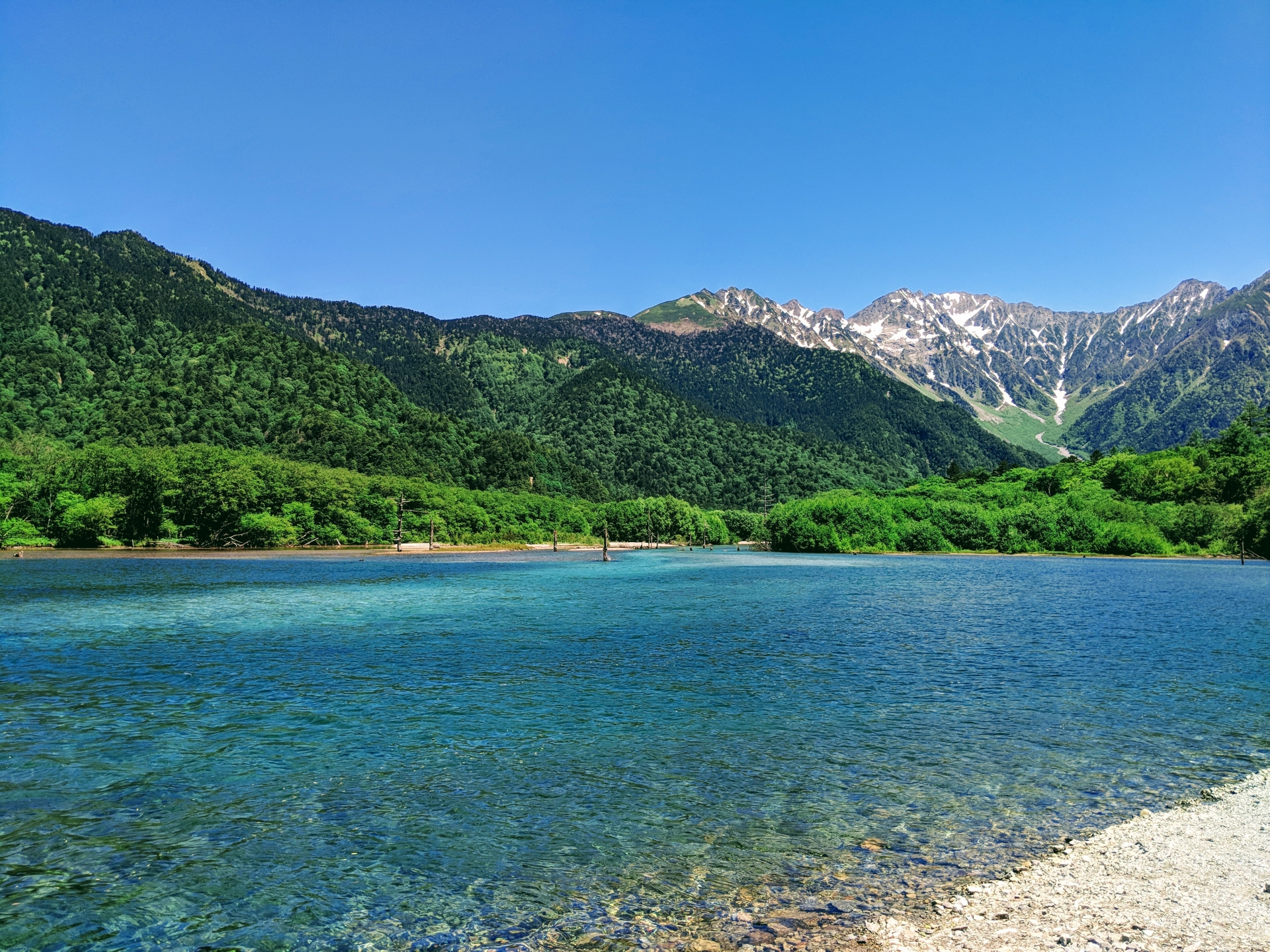
When the mist finally parted, the entire valley opened up like a scene from a Ghibli movie—vibrant greens, jagged grey peaks, and the Azusa River snaking through the bottom like a turquoise ribbon. I literally stopped mid-sentence. For about ten seconds, nobody in our group said a word. We just stood there, breathing in air that felt like it was filtered through ice. It was the first time in years I didn't feel the urge to check my phone. If you're coming to Japan, you've probably seen the neon of Shinjuku, but trust me, you haven't seen Japan until you've stood on a ridge in the Alps and felt that specific, bone-deep chill. It’s humbling in the best way possible. You realize the mountains don't care about your Instagram feed or your deadlines. They just exist. And being invited into that space, even for a few hours, is a privilege you can't buy at a souvenir shop. It’s the kind of experience that stays in your lungs long after you’ve returned to the humidity of the city. Seriously. Go early.
If you're heading to Kamikochi, skip the main bus terminal breakfast. Walk 15 minutes toward Myojin Pond and grab a grilled river fish (iwana) from the small huts. It's the breakfast of champions, and way less crowded.
What You Need to Know Before You Lace Up
Let’s get real for a second: the Japanese Alps are not a theme park. I know the photos look serene, but these trails are rocky, steep, and they will punish you if you’re unprepared. I made the rookie error of wearing 'comfortable' walking shoes my first time. By noon, my toes were screaming, and by 3 PM, I was doing a weird hobble that made the local grandmas look like Olympic sprinters. Seriously, the 70-year-old Japanese hikers here are built different. They will pass you while carrying 20kg packs and humming a tune. Don't be offended; just get proper boots. A typical guided day hike usually starts early—like, 'why is the sun not even up yet?' early. You'll meet your guide at a trailhead or a local station like Matsumoto.
Walking Distance
Stay in the Gateway City
Matsumoto is the perfect base for your Alps adventure. Stay near the station to catch the earliest buses to the mountains. The hotels here often have great mountain views and local sake bars nearby for that post-hike celebration.
The 5:30 AM bus is a lot easier to catch when your hotel is only 3 minutes from the terminal.
Find Hotels ↗
Most guides provide the technical stuff, but you’re responsible for your layers. The temperature swings are wild. You’ll be sweating while climbing, then freezing the second you stop for lunch. And speaking of lunch, there is nothing—and I mean nothing—that tastes better than a convenience store onigiri when you’re sitting on a jagged rock overlooking a glacier. I usually go for the tuna-mayo or the spicy cod roe. It’s the ultimate mountain fuel. One thing that surprised me was the 'mountain culture' here. Everyone says 'Konnichiwa' or 'Otsukaresama' (basically 'good job') as they pass. It’s a community. But there’s also a strict 'leave no trace' policy. I once saw a tourist try to leave a banana peel behind, and the look of pure disappointment from a local hiker was enough to make a grown man cry. Pack it in, pack it out. Also, keep an eye out for the 'Kamo-shika'—it’s like a goat-antelope hybrid that looks like a forest spirit. I saw one standing perfectly still on a cliffside last year, and for a second, I thought I’d hallucinated it. It’s those weird, quiet moments that make the 4 AM wake-up call worth it. You’ll be tired, your calves will burn, and you’ll probably question your life choices around the 6th kilometer, but then you’ll see the view from the top and forget all about the pain. It's a mental game as much as a physical one. You just have to keep putting one foot in front of the other until the world opens up. Don't be that guy in the Yeezys.
Buy a 'Bear Bell' at the local shop. You'll hear them jingling on everyone's pack. It feels a bit silly at first, like you're a lost cow, but there are actual bears in these woods, and they'd much rather hear you coming than be surprised by you.
The Practical Stuff: Where, When, and How Much?
So, where should you actually go? If it’s your first time, Kamikochi is the gold standard. It’s accessible, stunning, and has enough flat terrain to ease you in before the climbing starts. If you want something more 'rugged' and less 'touristy,' head to Hakuba. In the summer, the ski lifts take you halfway up the mountain, giving you a massive head start on those epic ridge views. Tateyama is another beast entirely—the 'Alpine Route' is famous for the snow walls, but the hiking trails behind the tourist centers are where the real magic happens. Price-wise, you’re looking at around 15,000 to 35,000 yen for a solid day guide. I know, it’s not cheap, but they’re not just paying for their time; they’re paying for the fact that they know exactly what to do if a storm rolls in or if you twist an ankle. Most guides speak decent English, especially in the Hakuba area. Duration is usually a full day, roughly 6 to 9 hours depending on your pace. I’d recommend staying in Matsumoto the night before if you’re doing Kamikochi. It’s a great city with a killer castle, and the bus leaves early from the station. For Hakuba, stay in the village—there are some amazing chalets that feel more like the Swiss Alps than Japan. Is it worth it? Honestly, I’ve done the robot cafes, the crowded shrines, and the neon tours. They’re fine. But the feeling of standing on a peak in the Northern Alps, looking out over a sea of clouds while the wind whips around you? That’s the stuff you’ll actually remember in ten years. It’s the only place in Japan where I feel like I can actually hear myself think. On top of that, the sense of accomplishment when you finally sit down for a post-hike beer is unmatched. You've earned it. Just do yourself a favor: book the guide, buy the boots, and don't be the person in the Yeezys. You'll thank me later. The mountains are waiting, and they're a lot more impressive than any skyscraper in Shinjuku. Trust me on this.
Check the mountain hut (Yamagoya) schedules. Even if you aren't staying overnight, many of them sell hot ramen or curry to day-hikers. Eating hot noodles at 2,500 meters is a spiritual experience.