The Moment I Realized I Wasn't a Mermaid (And Why That's Okay)
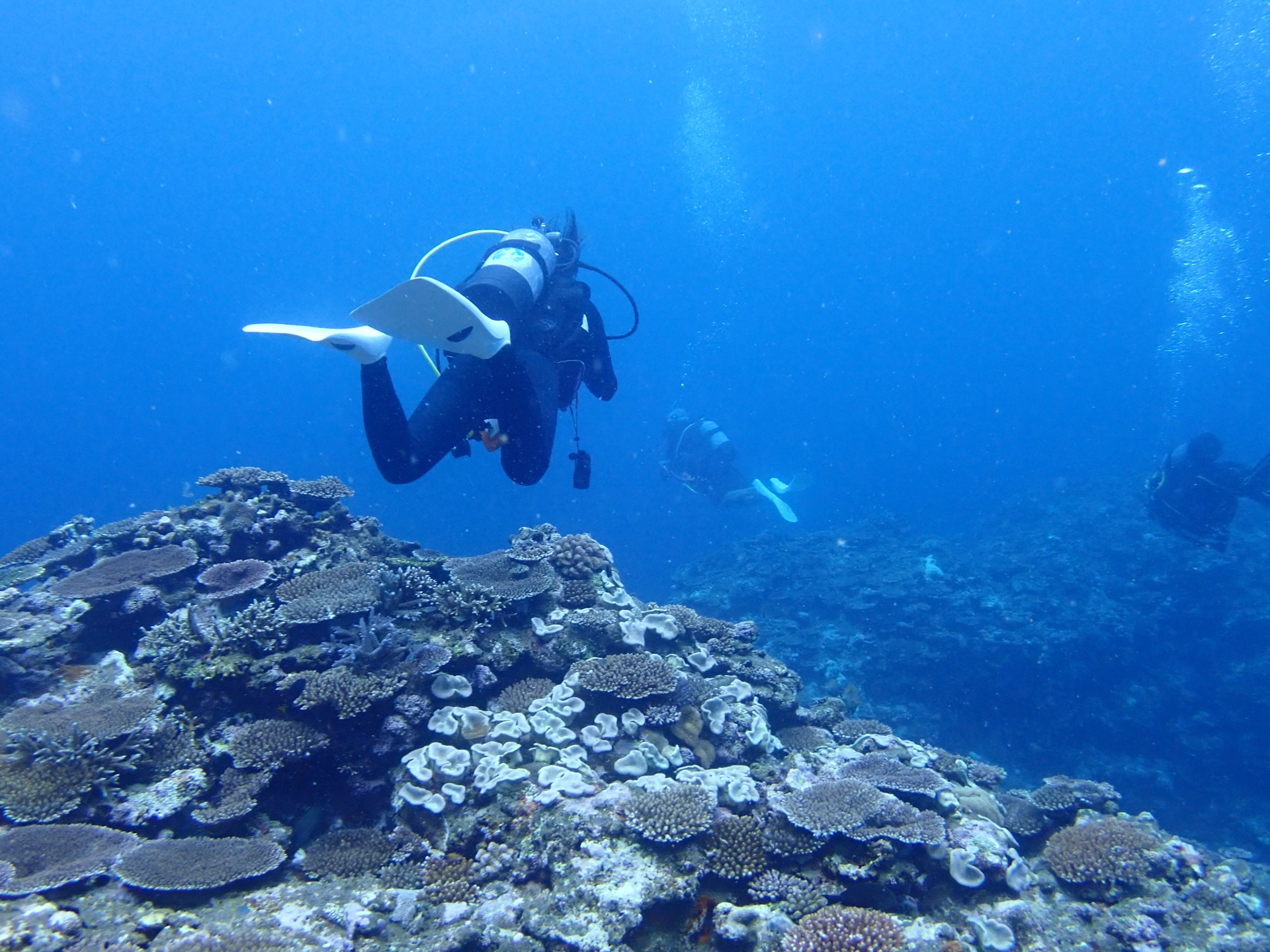
The regulator tasted like a mix of industrial rubber and old salt, and for a hot second, I was absolutely convinced my lungs had forgotten how to function. There I was, bobbing in the turquoise waters off Onna Village in Okinawa, looking at my instructor, Tanaka-san, with eyes the size of dinner plates. I’d lived in Japan for five years at that point, but nothing prepared me for the sensory disconnect of breathing underwater. It’s unnatural. It’s weird. And then, Tanaka-san grabbed my hand, gave me a calm 'OK' sign, and we sank. The world went silent—that heavy, pressurized silence that you only get ten meters down. Suddenly, a school of neon-blue damselfish darted past my mask, and I forgot to be afraid. I literally stopped mid-sentence in my head. The way the light filtered through the water looked like shifting cathedral glass. If you've ever wondered if those high-def nature documentaries are lying to you, I’m here to tell you they aren't. But seeing it through a screen is a joke compared to having a curious sea turtle glide three feet away from your fins. I’ve done a lot of 'touristy' things since moving here in 2021, but this was the first time I felt like I’d actually stepped into another planet. You can book these introductory 'Taiken' dives even if you’ve never touched a snorkel in your life
Top Rated
Book Your First Dive
A 4-hour introduction to scuba diving in Okinawa's famous Blue Cave. You'll get a professional English-speaking instructor who handles the gear while you focus on the neon fish and the incredible sapphire glow of the cavern.
This is the gold standard for beginners in Japan—spots for 2026 are already filling up for the summer season.
Check Availability ↗
. Trust me, the initial 'I'm going to drown' panic lasts about sixty seconds, and the memories last forever. I still think about that first dive every time I'm stuck on a packed morning train in Tokyo; it's my mental happy place. It’s the kind of experience that makes the 9-to-5 grind feel like a distant memory. You don't need to be an athlete. You just need to be able to stay calm when things feel a bit alien. On top of that, the gear does most of the work for you. You’re basically just a spectator in a very wet, very beautiful theater. Seriously. Just go.
If you're nervous, ask for a 'beach entry' rather than a 'boat entry.' Walking into the water gradually is way less intimidating than back-flopping off a boat into the deep blue.
What You Need to Know Before You Take the Plunge
Let’s get real about the 'glamour' of scuba diving. You will look like a confused seal in your wetsuit. You will have mask-hair. And you will definitely struggle to walk on land with 20kg of lead and air strapped to your back. My biggest rookie error? I didn't equalize my ears early enough. I waited until I felt a sharp pinch, and by then, it was a struggle to get deeper. Pro tip: blow through your nose gently every meter you descend, even if you don't feel pressure yet. Also, don't be me and try to wear 'cute' jewelry. I lost a silver earring somewhere in the Izu Peninsula back in '24 because the cold water makes your skin shrink and things just... slide off. If you're staying in Tokyo and think Okinawa is too far, the Izu Peninsula is a solid backup. The water isn't as 'Windex blue,' but the volcanic rock formations are moody and spectacular. Plus, the seafood after a dive in Izu is arguably better than Okinawa’s. Just make sure you've got a decent hotel nearby because you will be absolutely wiped out after two dives—the 'dive nap' is the best sleep you'll ever have
Diver's Choice
Where to Stay
Onna Village is the undisputed heart of Okinawa's dive scene. Staying here means you can wake up, grab a coffee, and walk straight to the docks without the brutal hour-long drive from Naha city.
Most top-tier dive shops offer free shuttle pickups only for hotels within the immediate Onna area.
Find Hotels ↗
. One more thing: communication underwater is all hand signals. Learn them. I once tried to point out a cool crab and ended up accidentally giving the 'I'm out of air' sign to my buddy. He nearly had a heart attack. We laughed about it over Orion beers later, but yeah, pay attention during the briefing. Oh, and don't forget that the pressure makes you need to pee almost instantly. It's a thing. Everyone does it. Just don't talk about it. You'll want to bring a thick towel and a change of clothes that are easy to pull on when you're shivering and covered in salt. It's not about looking good; it's about surviving the post-dive chill.
Skip the heavy breakfast. Between the boat motion and the pressure on your stomach from the wetsuit, that 'extra-large convenience store bento' will come back to haunt you.
The Practical Stuff: Booking and Logistics
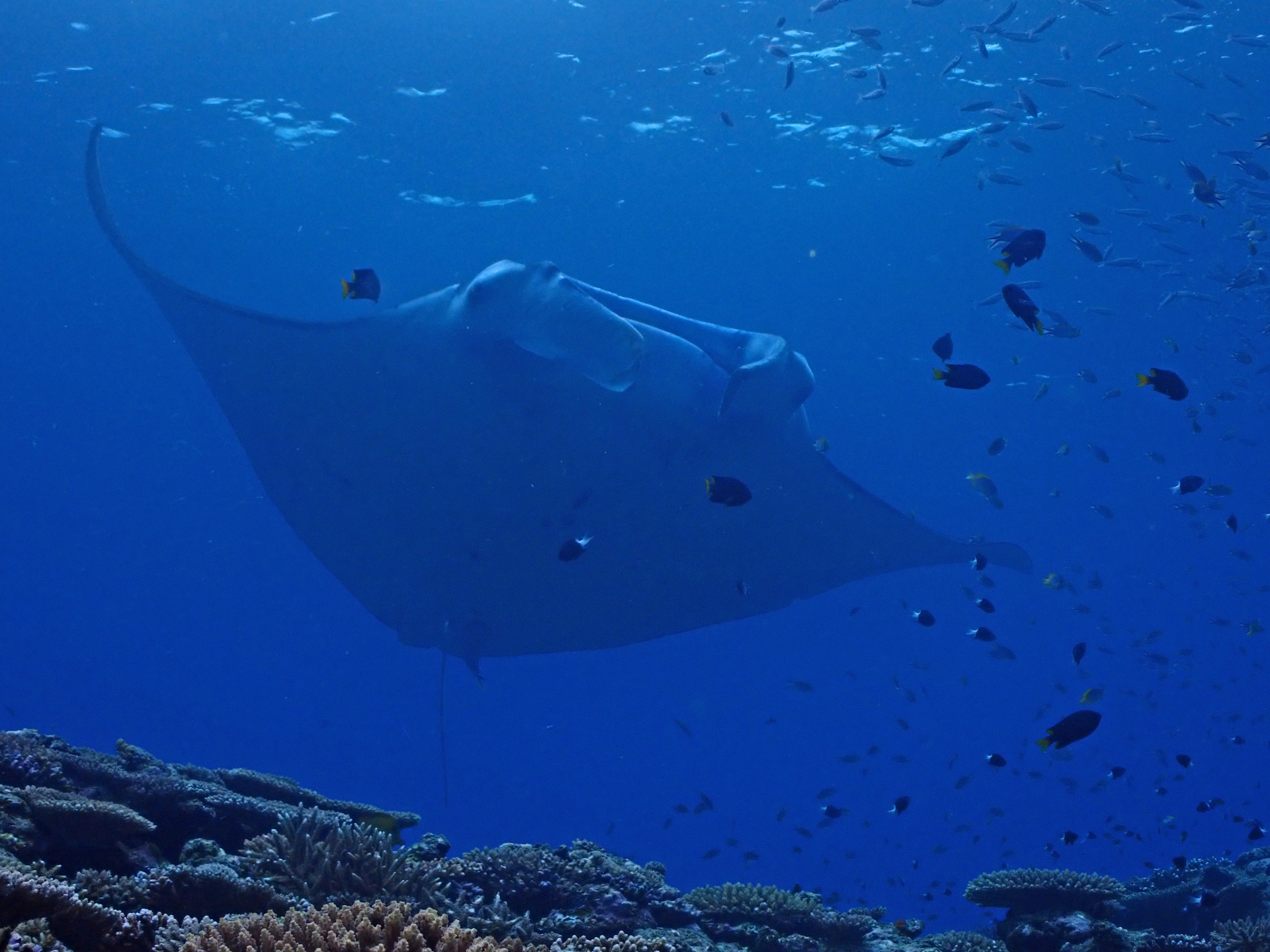
By now, it’s 2026, and the booking systems in Japan have finally caught up with the rest of the world. Most reputable shops in Okinawa and Izu now have English or Chinese-speaking staff. Don't just walk into a shop on the beach and hope for the best; the good ones fill up weeks in advance, especially during 'Silver Week' or 'Golden Week.' For a 'Taiken' (Discovery) dive, you don't need a license. They’ll teach you the basics in about 20 minutes. Expect to pay somewhere between 13,000 and 18,000 yen for a single tank dive including equipment. If a place is charging way less, be skeptical—maintenance on life-support gear isn't cheap. If you're heading to Okinawa, I highly recommend Ishigaki for the manta rays, though Onna is easier to get to from Naha. If you're doing Izu, Ito is your best bet for a day trip from Tokyo. The water temperature fluctuates wildly, so if you're a 'cold-blooded' person like me, stick to July through September. Is it worth the money? Every single yen. There is a specific kind of peace you find down there that you just can't get at a shrine or a spa. It’s just you, your breath, and the weightless feeling of being part of the ocean. Just remember to bring a towel, a change of clothes, and zero expectations of looking cool in photos. You’re there for the fish, not the 'gram. On top of that, make sure you check the weather forecast. If the waves are too high, they will cancel. It’s for your safety, so don't argue with the captain. They know the water better than you ever will. I've seen people try to bribe their way onto a boat in a storm; don't be that person. Just reschedule and go get some ramen instead.
Check the 'No Fly' rule. You cannot fly for at least 18-24 hours after your last dive due to nitrogen levels in your blood. Don't book your return flight for the same evening!