The Moment I Realized 'Vegetable' Doesn't Mean 'Vegan' in Japan
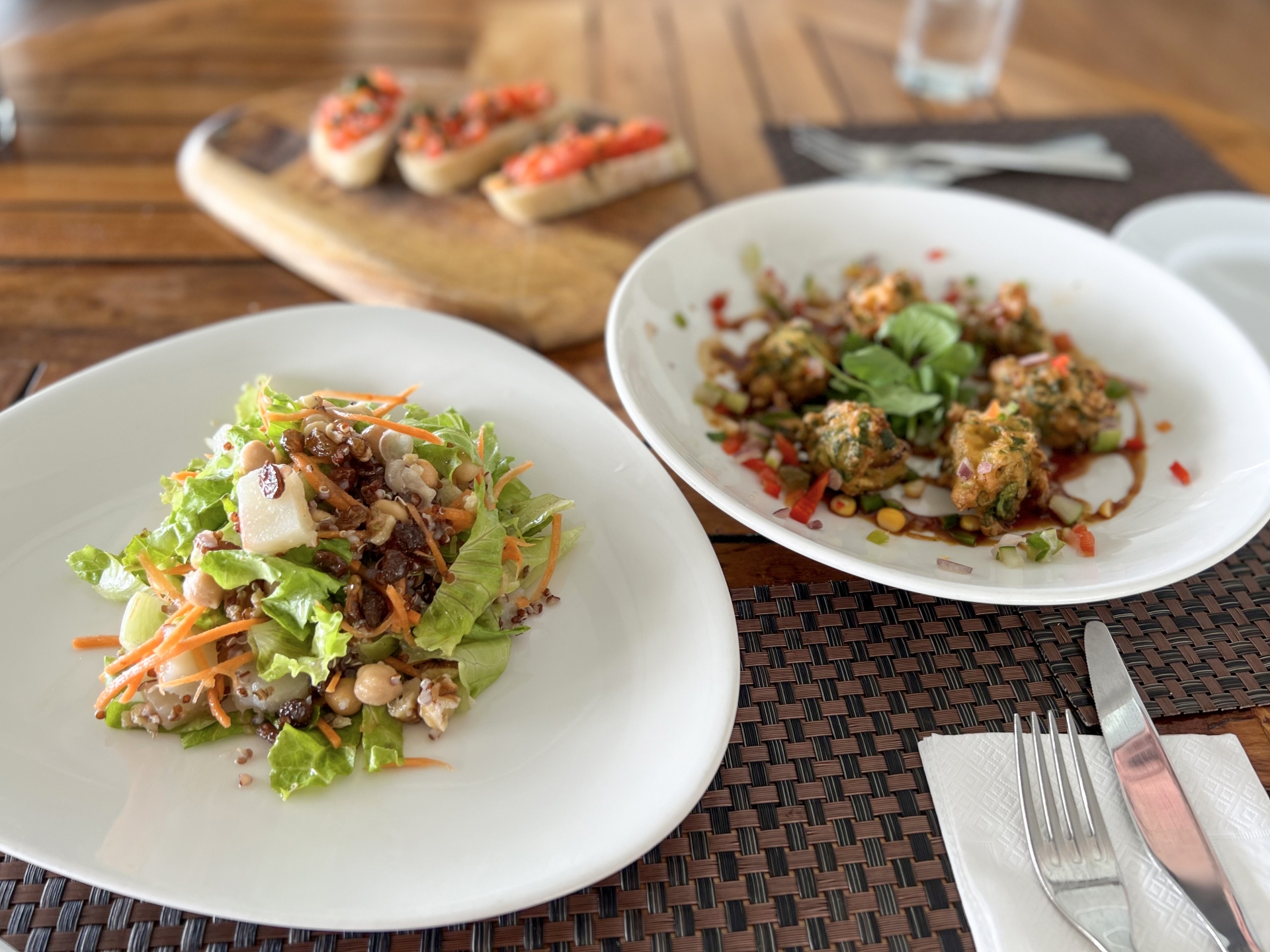
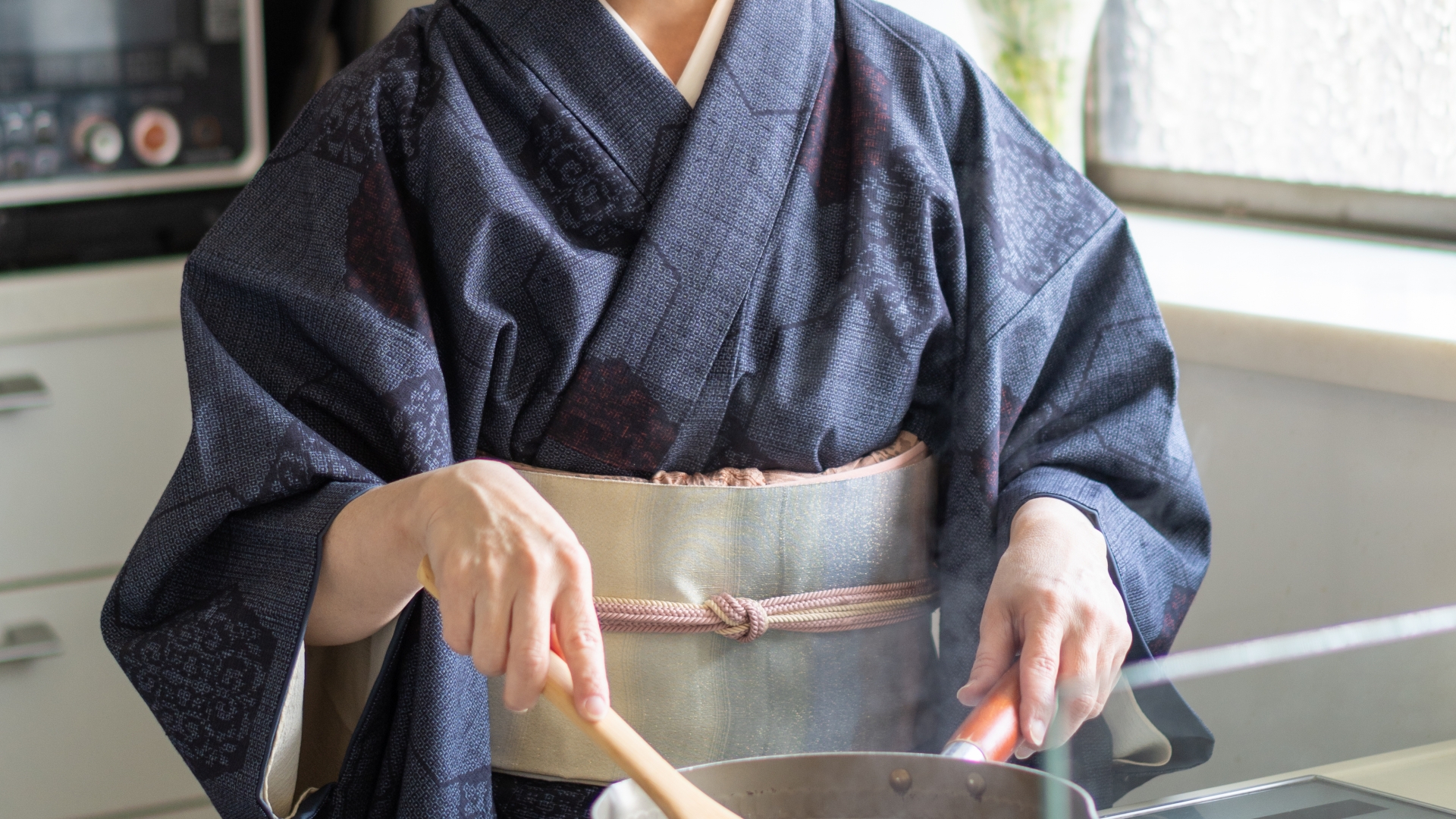
I’ll be honest with you. When I first moved to Tokyo in 2021, I thought being a vegan or even a strict vegetarian was a death wish for your social life. I remember sitting in a tiny, smoke-filled izakaya in Shinjuku on a rainy Tuesday, ordering 'vegetable soup,' and watching in horror as the chef topped it with a handful of dancing bonito flakes. 'But it's just fish,' he said with a shrug. That was my wake-up call. In Japan, 'dashi' (fish stock) is the lifeblood of almost everything. It’s in the soy sauce, the rice seasoning, and even the 'plain' tofu. But then, about two years ago, I stumbled into a Shojin Ryori class in Kyoto, and my entire perspective shifted. This isn't just 'dietary restriction' food; it's the original soul food of Japan, perfected by Zen monks over centuries. nnThe class I took was in a beautifully renovated machiya (traditional townhouse) near the Kamo River. The chef, a woman who had spent years studying temple cuisine, handed me a piece of glazed eggplant that looked—I kid you not—exactly like fatty tuna. I was skeptical. I’ve had my fair share of 'fake meat' that tasted like cardboard or over-processed soy. But when I took a bite? It was a literal explosion of umami. I actually stopped mid-sentence. My friend asked if I was okay, and I couldn't even answer for ten seconds. It was creamy, smoky, and deeply satisfying in a way I didn't think vegetables could be. That's the magic of a real Vegan Washoku experience
Top Rated
Traditional Vegan Cooking Class
Step inside a hidden Gion townhouse to master the art of Shojin Ryori. You'll prep seasonal vegetables using ancient Zen techniques and enjoy a multi-course feast that looks like a work of art.
These small-group sessions are the gold standard for vegan travelers and sell out fast for 2026.
Check Availability ↗
. You aren't just learning to cook; you're learning a philosophy of flavors that most tourists completely miss because they’re too busy lining up for standard ramen. nnAnd here's the thing: Shojin Ryori is built on the concept of 'five colors, five flavors, and five methods.' It’s about balance. You’ll find yourself using ingredients you’ve never seen before, like 'yuba' (tofu skin) or 'fu' (wheat gluten), which have textures that will blow your mind. Trust me, even if you’re a die-hard carnivore, this will mess with your head in the best way possible. It’s not about what’s missing from the plate; it’s about how much flavor you can pull out of a single seasonal radish. You'll want to pay close attention when they explain the fermentation process—it's the secret sauce to everything.
If you're booking a class, always message the host to ask if they use 'kombu dashi' (kelp stock) specifically. Some 'vegan' classes still use commercial powders that might contain hidden additives or lactose.
The Rookie Mistakes I Made (So You Don't Have To)
Let's talk about the awkward stuff. My first time going to a high-end vegan food experience, I made the classic rookie error: I wore skinny jeans with absolutely zero stretch. Big mistake. Huge. Many of the most authentic experiences—especially the ones held in temples or private homes—require you to sit on 'tatami' mats for two hours. By the end of the prep work, my legs were completely numb, and I nearly face-planted into my miso soup when I tried to stand up. Wear loose trousers. Your circulation will thank me later. Seriously. nnOh, and another thing? Don't be afraid of the 'weird' textures. I remember being handed a bowl of 'konnyaku' (yam cake) and thinking it looked like a grey eraser. I almost skipped it. But the chef showed me how to score the surface so it soaks up the ginger-soy glaze, and it became the highlight of the meal. It’s bouncy, weird, and wonderful. The language barrier can be a thing, but honestly, most of these bookable experiences have English-speaking hosts now. I’ve found that the best ones are usually in Kyoto's Gion district or Tokyo's quieter neighborhoods like Yanaka. If you're staying in a central spot like Gion, it makes the whole morning feel like a time-travel trip
Expat's Choice
Stay in Historic Gion
Wake up to the sound of temple bells. These boutique stays put you within walking distance of Kyoto's best plant-based kitchens and traditional markets.
Gion is the most atmospheric base for foodies, but rooms are scarce during peak seasons.
Find Hotels ↗
. nnJust remember that these classes move at a different pace. It’s not a fast-food assembly line; it’s about the 'shun' (the peak seasonality of the ingredient). If you show up rushing and checking your watch, you’re missing the point. Slow down. Smelling the freshly grated wasabi—which is sweet and floral, not just spicy—is half the experience. I once saw a guy try to rush through the vegetable carving section, and the instructor just quietly took the knife away and made him breathe for a minute. It was awkward, but he needed it. You probably do too. On top of that, make sure you arrive at least 10 minutes early. Punctuality is a form of respect here, and starting late throws off the whole flow of the meal preparation.
Ask the chef about 'Goma-dofu' (sesame tofu). It’s not actually tofu (it’s made with sesame paste and starch), and it’s the creamiest thing you will ever eat in your life. It's basically vegan butter in block form.
Practicalities: Where to Book and What It Costs
So, how do you actually do this without getting scammed or ending up in a tourist trap? First, decide on your vibe. Tokyo is great for 'Modern Vegan'—think vegan sushi rolls with avocado and spicy 'mayo' or fusion dishes. Kyoto is the place for 'Shojin Ryori'—the traditional, minimalist temple food. Personally? I think the Kyoto experience is more 'Japan,' but Tokyo is more 'fun.' Most classes will run you between 8,000 and 15,000 yen. It sounds steep, but remember you’re getting a full, multi-course meal and a private or semi-private lesson. nnDuration is usually around 3 hours. I’d recommend booking a morning slot (starting around 10:00 or 11:00 AM) so you can eat what you make for lunch. I’ve tried the evening classes, but there's something about the morning light in a Japanese kitchen that just feels right. Also, check the 'Language' filter on booking sites. Most hosts are great, but some use translation apps, which can be a bit clunky if you’re trying to ask deep questions about the history of fermentation. nnOh, and one more thing—don't forget to mention any specific allergies. Even in a vegan class, things like soy or sesame are everywhere. Most hosts are incredibly accommodating if you tell them at least 48 hours in advance. If you're looking for a recommendation, I always tell my friends to look for the classes that include a trip to a local market first. Seeing where the ingredients come from before you chop them makes a world of difference. In 2026, many of these popular spots are booking out months in advance, so don't leave it until you land in Narita. You'll also find that some classes now offer a 'zero-waste' certificate, which is a cool little souvenir of the philosophy you've learned. Here's what most people miss: the best classes aren't always the most expensive ones; they're the ones where the chef actually eats with you at the end.
If a class offers a 'Matcha whisking' add-on at the end, take it. It’s usually only an extra 1,000 yen and it’s the perfect way to digest all that umami while chatting with the chef.