Why I Loved This: The Moment I Realized I'd Been Eating Wrong My Whole Life
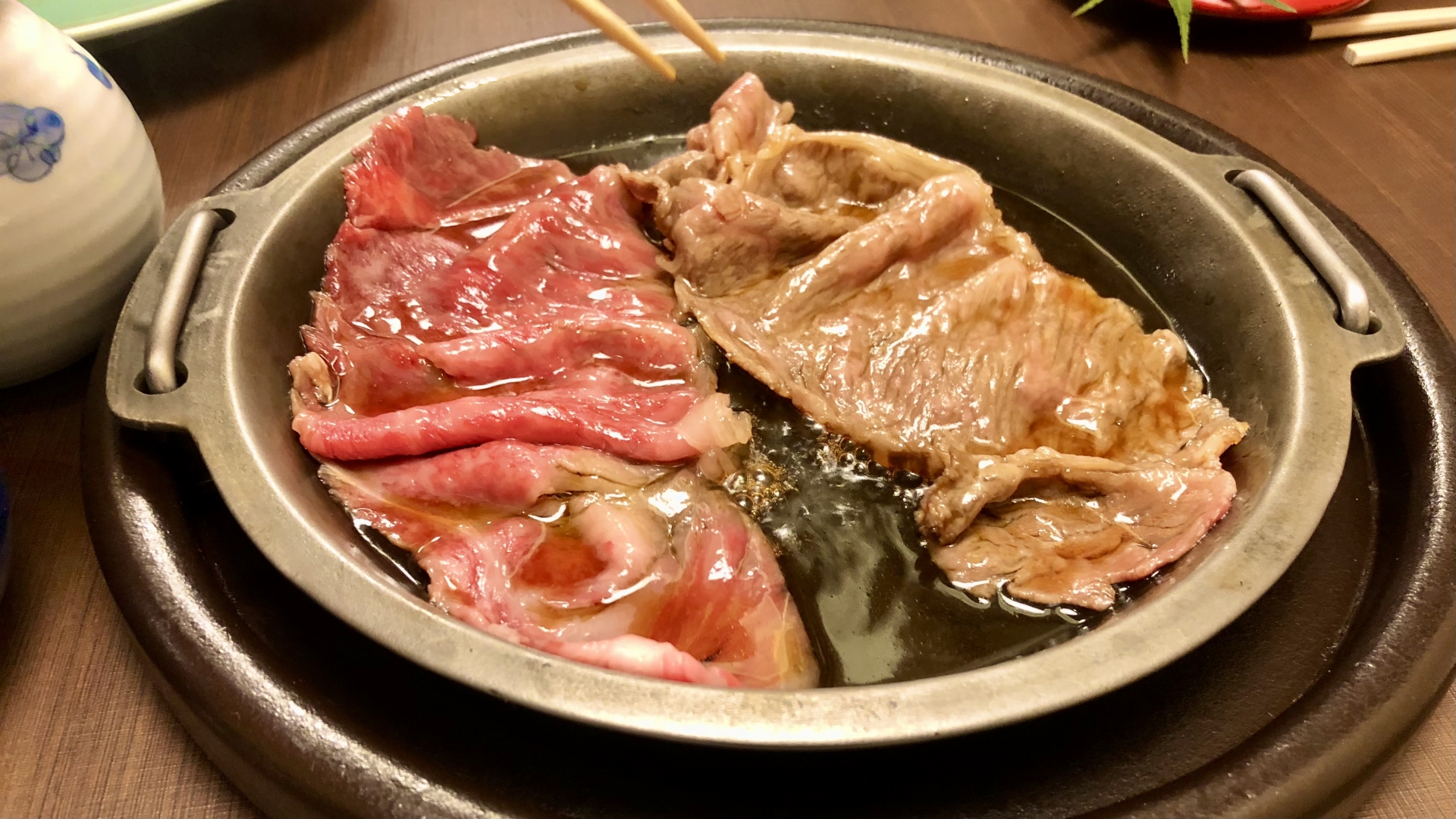
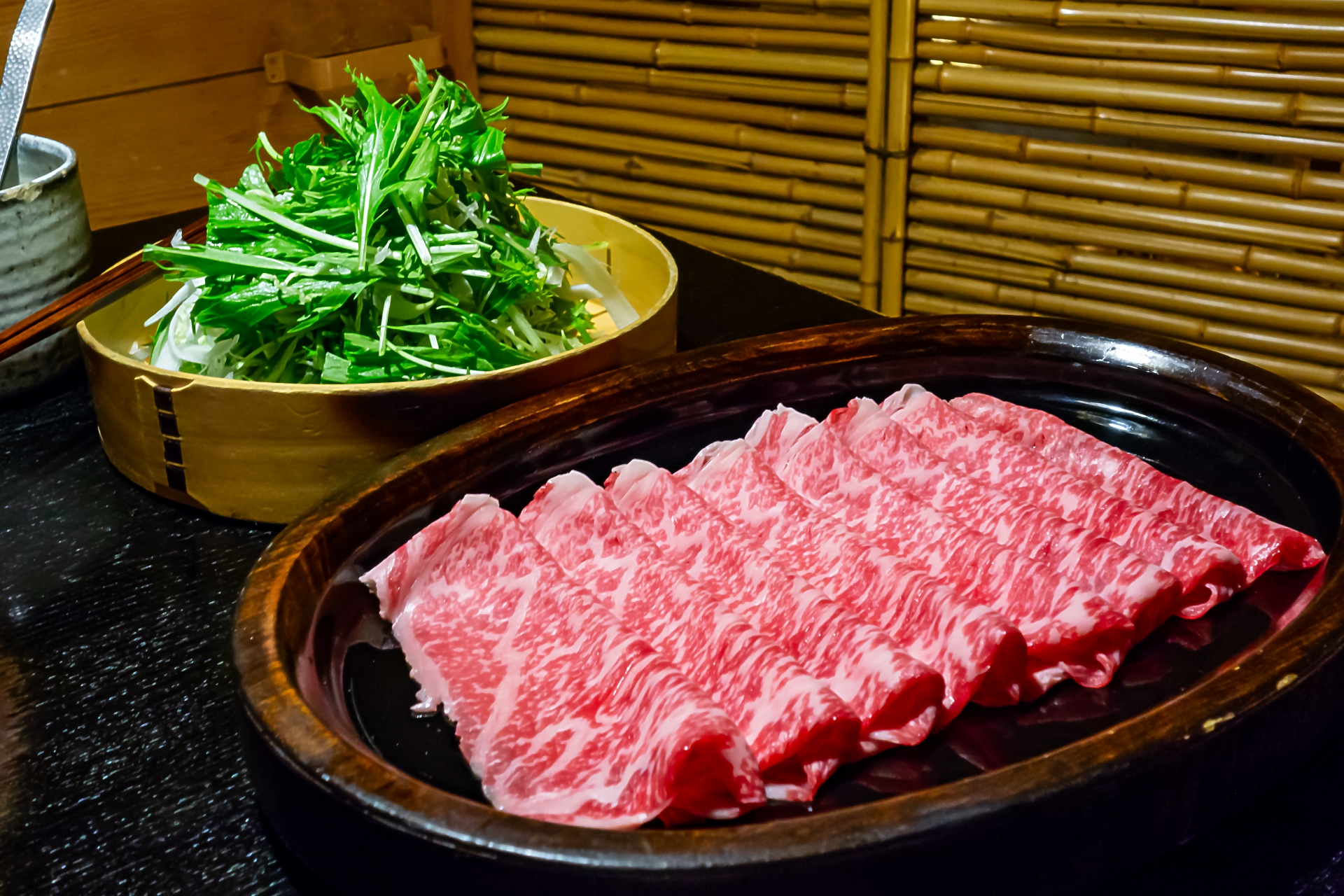
The first time I sat down for a proper sukiyaki dinner in Ningyocho back in 2021, I felt like a total fraud. I’d eaten 'beef hot pot' in my home country, but this? This was a different planet. I remember the waitress—a woman who moved with the grace of a swan and the authority of a drill sergeant—looking at my hands as I reached for the chopsticks too early. She gave me this tiny, polite shake of the head. I stayed back. She then just seared a slice of A5 Wagyu that was so marbled it looked more like pink lace than meat. The smell of the rendered fat hitting the iron pot, mixed with the sweet-salty punch of the warishita sauce, made my mouth water. When she finally placed that slice into my bowl of beaten raw egg, I hesitated. Raw egg? Really? But I took the plunge. It was a revelation. The egg doesn't make it 'slimy'—it creates this silk-like coating that balances the intense salt of the sauce. I actually stopped mid-sentence. My friend was talking about his flight, and I just held up a finger, chewed, and stared at the ceiling. For about ten seconds, the rest of the restaurant disappeared. I’ve lived here for over five years now, and I still take every visiting friend to a specialist shop. I remember my brother-in-law, who is a 'steak and potatoes' guy, being skeptical. One bite of the shabu-shabu in Kyoto and he was trying to figure out if he could ship the iron pot home in his carry-on. It’s that kind of experience. It ruins you for 'normal' beef forever.
Top Rated
Book a Wagyu Feast
A curated dining experience in a traditional setting. Includes premium A5 Wagyu, seasonal vegetables, and a guided cooking demonstration by expert staff.
The best spots in Tokyo and Kyoto are reservation-only and sell out weeks in advance for dinner slots.
Secure a Table ↗
You aren't just paying for a meal; you're paying for a masterclass in how to respect an ingredient. And here's the thing—I've made the mistake of trying to do it myself at a cheap all-you-can-eat chain. Don't. It’s like comparing a Ferrari to a tricycle. The atmosphere of a dedicated sukiyaki house—the smell of tatami, the hiss of the pot, the focused silence—is half the flavor. Trust me, skip one fancy souvenir and spend the money here instead. You'll want to savor every second of the fat melting on your tongue. It's not just food; it's a memory that sticks to your ribs and your soul. I remember walking out into the cool Ningyocho night, the lanterns glowing against the dark wood of the buildings, and feeling like I’d finally 'arrived' in Japan. The richness of the meal stays with you, not just as a full stomach, but as a standard for what quality actually means. If you're in Tokyo, don't just settle for a steakhouse. Go where the history is. Go where the iron pot has been seasoned by decades of service. It's the difference between reading a book and living the story.
If you're in Tokyo, look for restaurants in Ningyocho. It's the 'old town' for sukiyaki, and the vibes are way more authentic than the flashy, overpriced spots in Roppongi.
What You Need to Know Before You Go: Don't Be the 'Swish' Disaster
Let’s get the terminology straight because I see tourists mix this up constantly. Sukiyaki is the rich, heavy-hitter simmered in a shallow iron pot with soy, sugar, and mirin. Shabu-shabu is the lighter, 'cleaner' version where you swish thin slices of meat in a boiling kombu broth for exactly three seconds. The name 'shabu-shabu' is actually the sound the meat makes in the water. I learned the hard way that if you leave the meat in for more than five seconds, you've basically committed a culinary crime. The chef at a spot in Gion once pointed at my overcooked, grey meat and sighed. It should be a delicate, blushing pink. Also, let's talk about the dipping sauces. For shabu-shabu, you usually get ponzu (citrusy) and sesame sauce. My hot take? The sesame sauce is the king, but only if you add a tiny bit of the spicy oil they provide. I once accidentally dumped the whole dish of garlic into my ponzu and smelled like a vampire hunter for three days. Moderation is your friend. On top of that, many high-end places will have a staff member cook the first few rounds for you. Let them. Watch their technique. They know exactly when the leeks are soft enough and when the tofu has absorbed just enough broth. If you’re staying nearby, you can usually roll back to your hotel in a happy daze.
Foodie Location
Stay Near the Food
Book a stay in Ningyocho or Ginza to be within walking distance of Japan's most historic sukiyaki houses. Perfect for avoiding the post-meal 'meat coma' train ride.
Walking home through the quiet streets of old Tokyo after a heavy meal is a vibe you shouldn't miss.
Find Hotels ↗
I always recommend booking a place that includes a 'zousui' or 'udon' finish. This is where they take the leftover broth—which is now packed with the essence of beef and veggies—and cook rice or noodles in it. It is, quite frankly, the best part of the meal, yet I see so many people leave before it happens because they're full. Pace yourself! Don't fill up on the appetizers. Save room for the finale. Oh, and here's what most people miss: the vegetables are just as important as the meat. The negi (Japanese leek) becomes sweet and buttery, and the shirataki noodles soak up all that savory goodness. It’s a symphony of textures. If you’re in Kyoto, the water used for the broth is often sourced from local wells, giving it a purity you won't find in the big city. It sounds like marketing fluff until you taste it. Then you get it. If you're worried about the raw egg, just know that the quality control in Japan is lightyears ahead of what you're used to. I've never once had an issue, and neither has anyone I know. It's the secret sauce that makes the whole meal work.
The 'raw egg' is non-negotiable for sukiyaki. If you're genuinely worried about safety, know that Japanese eggs are processed under some of the world's strictest salmonella guidelines. It's safer than your morning toast back home.
The Practical Stuff: Booking, Pricing, and Not Getting Scammed
First things first: do not just walk into a high-end sukiyaki place and expect a table. I’ve seen so many heartbroken couples standing in the rain in Ginza because they thought they could wing it. In 2026, the popular spots are booked out weeks in advance. Use a booking service or have your hotel concierge do it. Pricing is another minefield. You’ll see 'All You Can Eat' (Tabehoudai) for 3,000 yen. It’s fine if you’re a hungry college student, but the meat will be frozen and thin. For the 'real' experience, expect to pay between 12,000 and 25,000 yen per person for a dinner set. If that's too steep, here is the ultimate Alex-approved hack: go for lunch. Many of the legendary houses offer a lunch set for 6,000–8,000 yen that features the exact same high-quality beef but in a slightly smaller portion. It’s the best value in Japan, period. Language support is usually decent in the major cities, but I’d still recommend having a translation app ready for the specific names of the beef cuts. Most places have English menus now, but they don't always explain the *how* of the meal. If you're choosing between locations, I’d say Kyoto has the edge for atmosphere (those old wooden buildings in Pontocho are unbeatable), but Tokyo has the edge for the sheer variety of beef grades. If you have the choice, go for the 'Kansai-style' sukiyaki at least once. They sear the meat with sugar first before adding liquid, which creates this incredible caramelized crust that the 'Kanto-style' (Tokyo) lacks. It's a bit more intense, but man, it's worth it. Lastly, wear socks without holes. You will almost certainly be taking your shoes off to sit on tatami mats, and nothing kills the vibe of a 20,000 yen meal like a big toe sticking out of a raggedy sock. I've been there. It's awkward. You're sitting there trying to hide your foot under the table while the server brings out the most expensive beef of your life. Just buy a new pair at 7-Eleven before you go. Also, keep an eye on the 'service charge.' It's standard in high-end spots, so don't be surprised when the bill is 15% higher than the menu price. It covers the expert service of the staff who basically act as your personal chef for the evening. It's worth every yen. Don't forget to check if the restaurant has a dress code. Most are fine with smart-casual, but some of the very old-school spots in Ginza might prefer you don't show up in gym shorts and flip-flops. Respect the house, and the house will respect you.
Ask for 'Awarishita' if the pot gets too salty. It’s a plain broth used to dilute the sauce so it doesn't become a salt-bomb by the end of the meal.