Why I Finally Stopped Being a Sake Skeptic
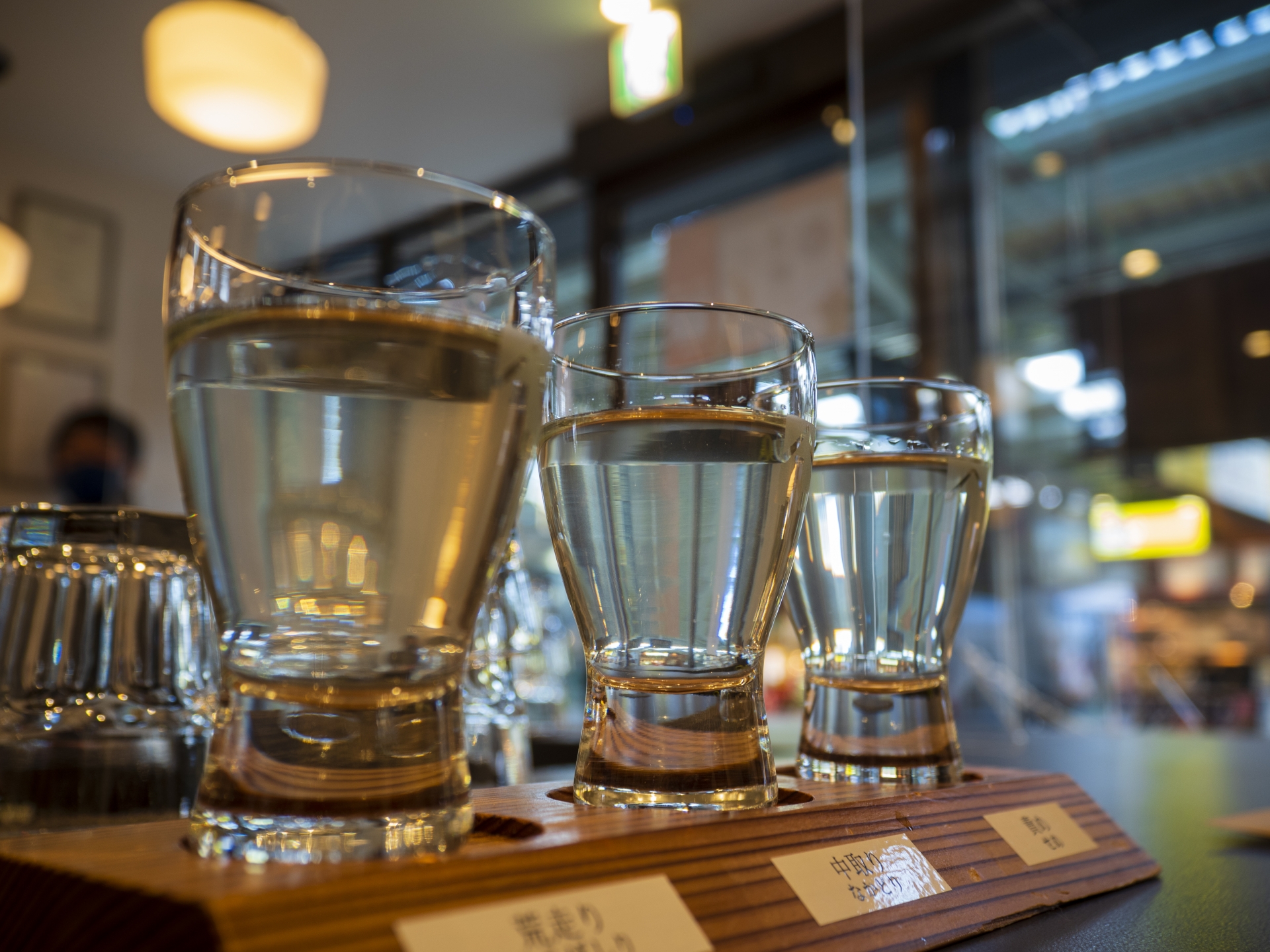
I used to be that guy. You know the one—the tourist who thinks sake is just that harsh, hot liquid served in a ceramic carafe at a cheap izakaya to help you forget how much you paid for mediocre yakitori. My first three years in Japan were spent actively avoiding the stuff. But then, it was 2024, and I found myself ducking out of a sudden downpour in the Fushimi district of Kyoto. I wandered into a brewery that looked older than my entire family tree, and the master brewer handed me a glass of chilled Junmai Daiginjo. It didn't smell like ethanol; it smelled like green apples and morning dew. I literally stopped mid-sentence. The world went quiet for a second. That was the moment I realized I hadn't been drinking sake; I’d been drinking cleaning fluid. nnSince then, I’ve made it my mission to visit the 'Big Three' of sake: Niigata, Fushimi, and Saijo. If you’re looking for the real deal, you have to get out of the city centers and into the storehouses. Booking a guided brewery tour is the only way to see the magic behind the scenes
Top Rated
Book This Experience
Join a master-led tour through the historic Fushimi district. You'll visit three distinct breweries, learn the ancient fermentation process, and taste over 10 varieties of premium Junmai Daiginjo.
The best small-batch breweries require advance reservations—I missed out twice before I learned to book ahead.
Book Now ↗
because, let’s be honest, the best spots don't usually have a 'walk-in' sign in English. I remember my first real tour in Niigata; I showed up 30 minutes before the gates opened, thinking I was being proactive, and there were already a dozen locals lined up with their own tasting cups. It’s a culture, not just a drink. You see the steam rising from the massive rice cookers, and you smell that yeasty, sweet aroma that reminds me of a high-end bakery. It’s intoxicating before you even take a sip. nnDon't make the mistake of thinking all sake is the same. The water in Kyoto makes it soft and 'feminine,' while the snow-melt water in Niigata makes it crisp and 'dry.' Trust me, your taste buds will thank you for the upgrade. I once spent an entire afternoon talking to a brewer who had been doing this for fifty years. He told me that the rice is 'alive' and that he talks to the fermentation vats every morning. I thought he was joking until I tasted the batch. It was incredible. You just don't get that kind of soul from a bottle you buy at a 7-Eleven at 2 AM. If you want to actually understand Japan, you have to understand the rice. And the best way to do that is to see it being transformed into liquid gold in a building that smells like history and hard work. Seriously. Go early, stay late, and ask questions.
If you go to Niigata, head straight for Ponshukan inside the station. It’s a sake 'vending machine' heaven where around 500-800 yen gets you five tokens to try almost anything from the region.
What You Need to Know Before You Get Tipsy
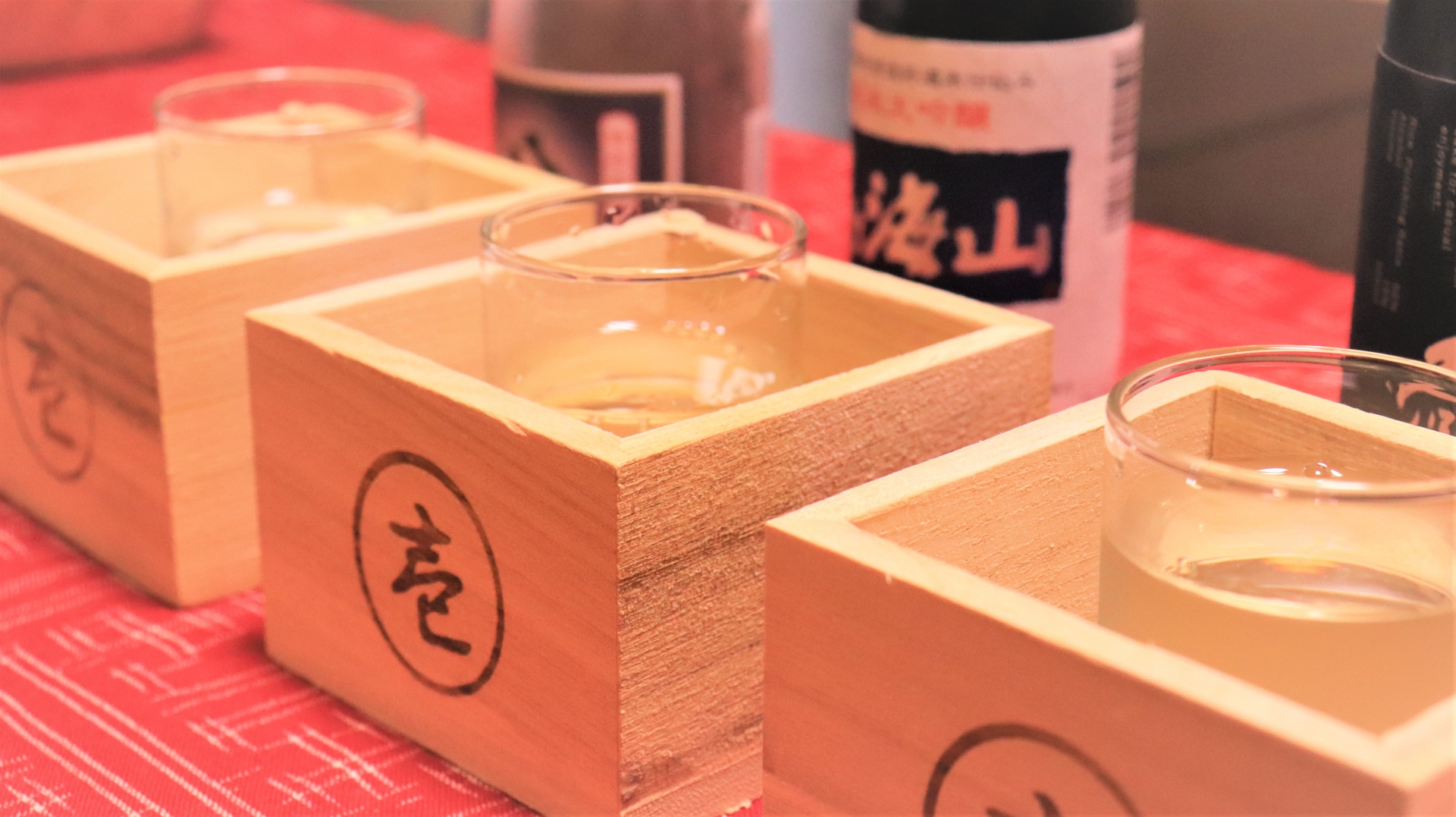
Look, I’ve made every rookie error in the book. My biggest fail? Asking a 14th-generation brewer for 'the strongest thing you have.' He looked at me with a mix of pity and confusion. Sake isn't about the kick; it's about the 'seimai buai'—the rice polishing ratio. The more they polish the rice, the more refined the flavor. When you’re walking through the breweries in Saijo, Hiroshima, you’ll see these massive red brick chimneys. It’s iconic. But here’s the thing: it’s a lot of walking on old, uneven stone floors. I once wore my 'cool' leather dress shoes and nearly ate it on a damp walkway near the fermentation vats. Wear sneakers. Serious ones. nnAlso, let’s talk about the 'spit bucket.' In Western wine tastings, it’s common. In a Japanese brewery? It’s almost non-existent. They give you tiny 'choko' cups, and the expectation is that you’ll finish what’s poured. If you’re hitting five breweries in a row, pace yourself. I didn't during my first trip to Saijo, and by brewery three, I was trying to have a deep philosophical conversation with a stone lantern. Not my finest hour. Most of these places are tucked away in quiet neighborhoods, so finding a solid place to crash nearby is essential
Walking Distance
Stay in the Area
Stay in the heart of Fushimi or near Niigata Station. These areas allow you to walk to the breweries and avoid the 'drunk commute' back to the city center. Many local hotels offer sake-themed amenities.
Walking distance to the breweries means you can actually enjoy the tastings without worrying about the last train.
Find Hotels ↗
so you don't have to navigate the train system while seeing double. nnOh, and one more thing—don't wear heavy perfume or cologne. The brewers hate it because it kills the delicate aroma of the sake, and honestly, the other people in the tasting room will give you the side-eye of a lifetime. I remember this one group of tourists who smelled like a duty-free shop; the brewer actually stopped the tour and asked them to step outside. It was awkward as hell. You want to be able to smell the 'ginjo-ka'—that fruity aroma that comes from the yeast. If you're covered in Chanel No. 5, you're missing half the experience. Also, keep your voice down. These are working breweries, not sports bars. Respect the craft, and the brewers will open up to you in ways you wouldn't believe. I've had guys pull out 'secret' bottles from the back just because I showed a little genuine interest and kept my voice at a reasonable decibel.
Look for the 'Sugidama'—the big balls of cedar twigs hanging over the entrance. If they are bright green, it means new sake has just been pressed. If they are brown, the sake has matured.
The Practical Stuff: Where to Go and What to Spend
So, where should you actually go? If you want history and vibes, Kyoto’s Fushimi district is unbeatable. It’s easy to get to and feels like stepping back into the Edo period. If you’re a total nerd for technical quality, Niigata is the 'Napa Valley' of Japan. Their sake is consistently the highest rated. And if you want a hidden gem, Saijo in Hiroshima is literally a town built around sake—you can walk to seven different breweries within a five-block radius. It's the most efficient way to get a 'sake education' without needing a taxi. nnExpect to pay around 3,000 to 5,000 yen for a basic tour and tasting, but if you want the 'VIP' treatment with aged sake or rare bottles, it can go up to 10,000 yen. Most tours last about 90 minutes. Language can be a hurdle, but in 2026, most major breweries have QR codes for English audio guides. I still recommend bringing a pocket translator app for the Q&A sessions because the brewers love it when you ask specific questions about the rice. Is it worth it? Absolutely. I’d do it again every single weekend if my liver allowed it. It’s the difference between eating a frozen pizza and having a 5-course meal in Naples. nnOnce you know what good sake tastes like, there’s no going back to the cheap stuff. I recently went back to that same izakaya where I had my first 'bad' sake, and I couldn't even finish the glass. My palate has been ruined in the best way possible. On top of that, you'll find that the food pairings they offer during these tours—like pickled radish or fermented squid—actually make sense once you have the right drink in your hand. Don't be afraid to try the weird snacks. They are designed to bring out the umami in the sake. And here's the thing: most of these breweries are family-owned. When you buy a bottle at the end of the tour, you're supporting a tradition that has survived wars, earthquakes, and the rise of craft beer. It feels good to know your yen is going toward keeping that history alive. Just make sure you have enough room in your suitcase, because you *will* want to bring a few bottles home.
Always buy a bottle of 'Nama' (unpasteurized) sake if they have it. You can't usually find it in export markets because it’s 'alive' and needs constant refrigeration. It’s the freshest thing you’ll ever taste.