The Moment I Realized I’d Been Eating Ramen Wrong My Whole Life
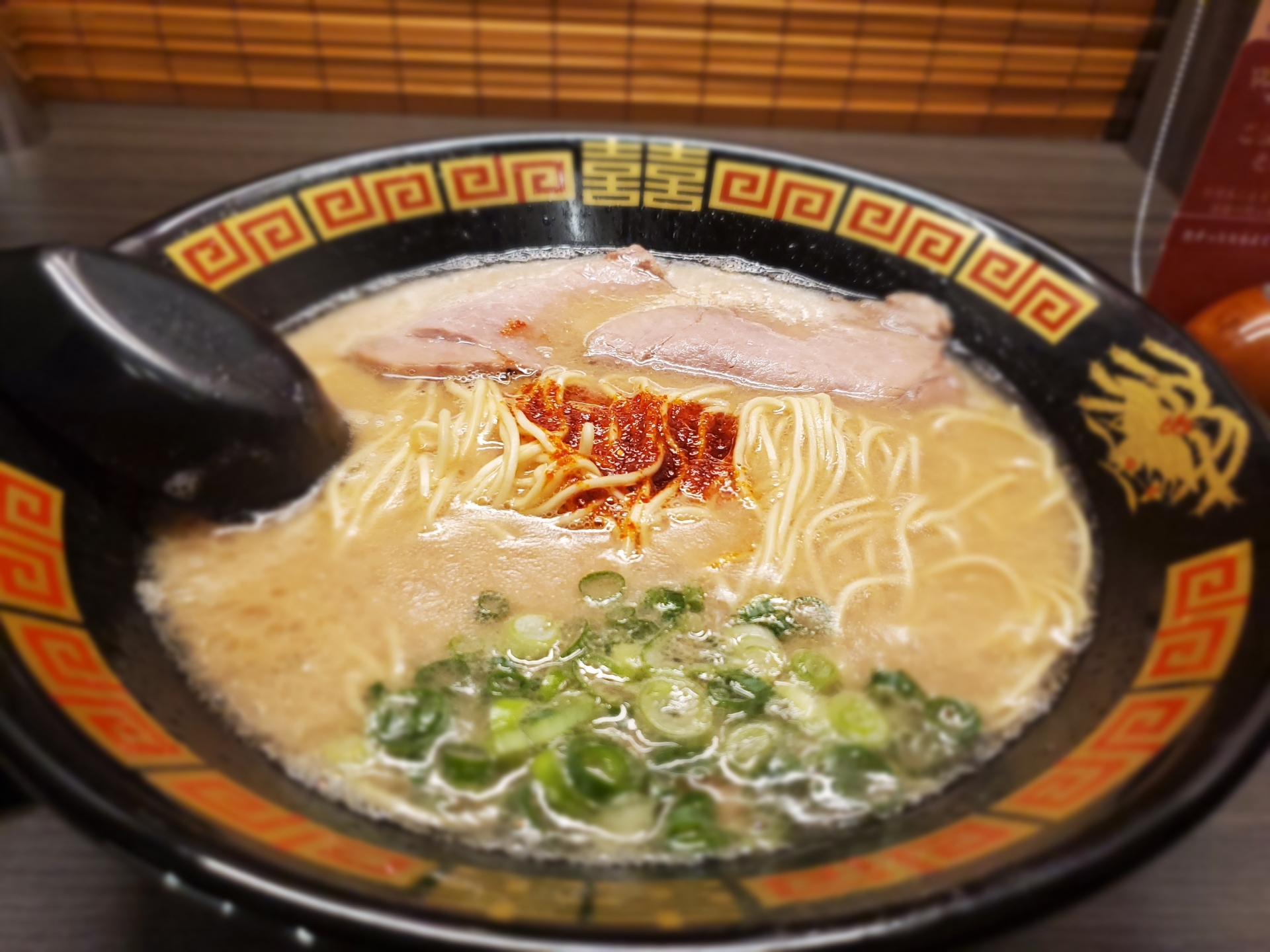
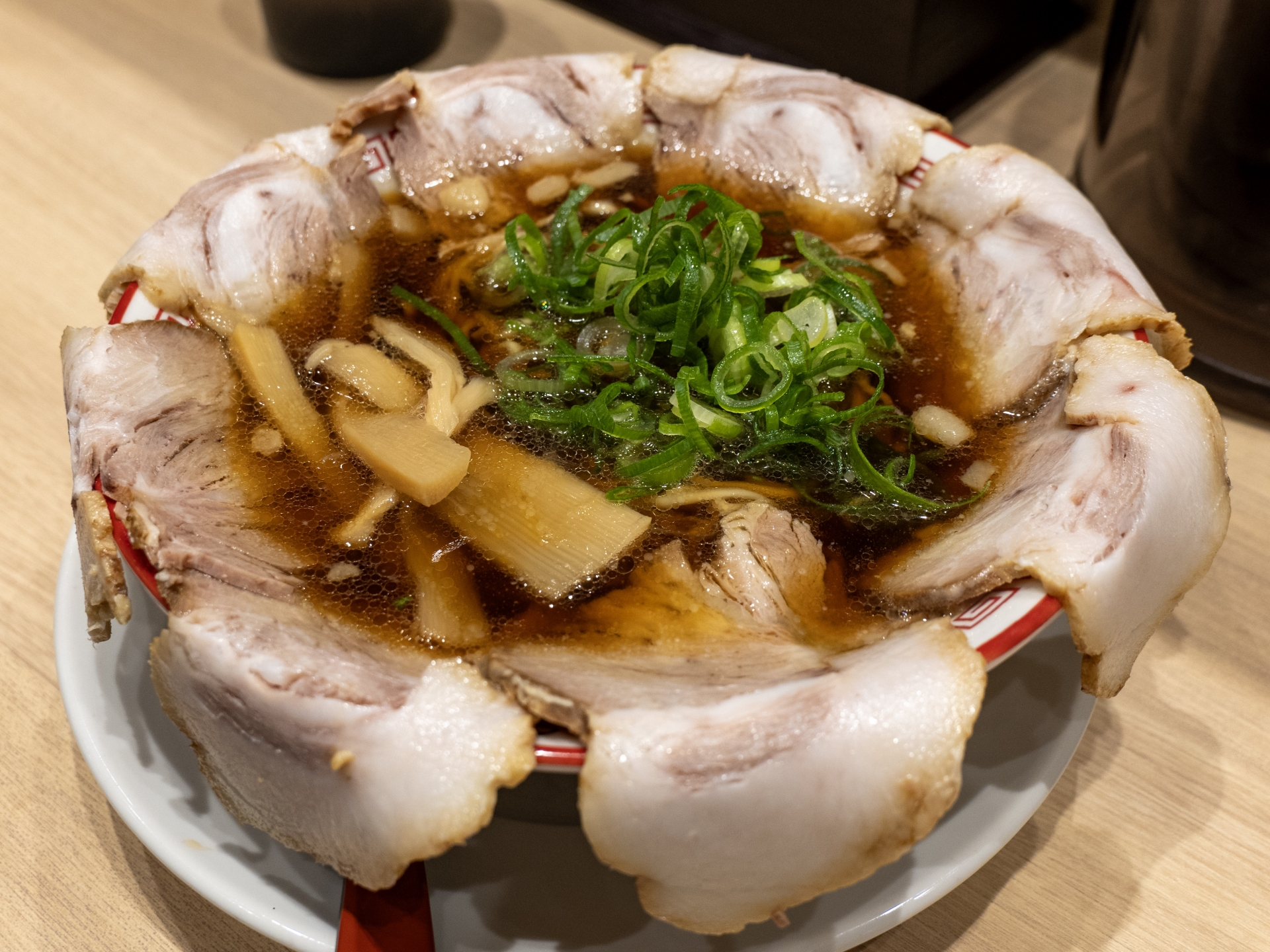
The steam hit my face like a warm, salty hug, and for a second, I couldn't even see the person sitting six inches to my left. I was in a basement in Shinjuku—one of those places that looks like it hasn't been renovated since the 1980s—and the smell of simmering pork bones was so thick you could practically chew it. I’d lived in Japan for two years at that point, but I was still doing the 'tourist' thing: picking shops based on how pretty the pictures were outside. Then I joined a guided ramen crawl, and everything changed. My guide, a guy named Kenji who claimed to eat 300 bowls a year (and I believed him), pointed to the layer of fat shimmering on top of my Tonkotsu broth. 'That’s where the soul lives,' he whispered. I took my first real, aggressive slurp—the kind that makes your shirt a casualty of soup-splatter—and I literally stopped mid-sentence. The complexity was insane. It wasn't just 'salty'; it was creamy, smoky, and had a depth that made my previous experiences feel like eating cardboard.nnWe moved from that tiny basement to a standing-only spot near the tracks, testing a Tokyo-style Shoyu ramen that was so clear you could see the bottom of the bowl. It was a revelation. If you’re thinking about booking a guided crawl, just do it. I found a great one through a local expert that actually explains the chemistry of the broth, which sounds nerdy until you taste the difference.
Top Rated
Book the Ultimate Ramen Tour
Skip the lines and the language barrier with a local expert. You'll visit 3 distinct shops, try 6 different mini-bowls, and learn the history behind each broth style.
The best hidden shops are in basements you'll never find on Google Maps—let a local lead the way.
Book Now ↗
Honestly, the best part wasn't just the food; it was the atmosphere. There’s something about sitting on a wobbly stool, shoulder-to-shoulder with a salaryman who is halfway through his third beer, that makes you feel like you’ve finally cracked the code of Tokyo life. I made the rookie mistake of wearing a white linen shirt that night. Don't be me. By the time we hit the third shop, I looked like I’d been in a paint fight with a bowl of soy sauce. But you know what? I didn't care. The adrenaline of the 'ramen rush' is real, and once you start comparing the noodle bounce of a Hakata thin-style against the wavy Hokkaido miso noodles, there’s no going back to the grocery store stuff. It’s messy, it’s loud, and it’s the most honest meal you’ll ever have in this country. Seriously. Go early. You'll thank me later when you aren't standing in a 40-minute line in the rain. The way the light reflects off the oily surface of a perfect bowl is basically art, and Kenji taught me that the 'noodle bounce' or koshi is what separates the masters from the amateurs. I used to think people were exaggerating about the 'cult' of ramen, but after that night, I was a total convert. It's not just soup; it's a labor of love that takes some chefs three days just to prep the broth.
If the shop smells slightly like 'dirty socks' before you walk in, that's actually a good sign for Tonkotsu. It means they are boiling real marrow for hours, not using a concentrate. Hold your nose and go in anyway.
The 'Big Three' and the Ticket Machine Panic: What to Expect
Before you head out, you need to understand that ramen isn't just one dish; it’s a regional war. In Sapporo, it’s all about the Miso. They actually put a slab of butter and local corn in there sometimes, which sounds weird until it’s -5 degrees outside and that fat layer keeps the soup boiling hot until the last drop. Then you have Hakata (Fukuoka) style, which is the 'stinky' Tonkotsu I mentioned. It’s thick, white, and powerful. Finally, Tokyo is the king of Shoyu (soy sauce) and Shio (salt) broths—lighter, more refined, but still packing a punch. When I first tried to do this solo, I walked into a shop in Ikebukuro and froze in front of the vending machine. It was all in Japanese, there were ten people behind me huffing, and I ended up pressing a random button that gave me a bowl of extra-large bamboo shoots and no noodles. It was humiliating.nnThat’s why I always tell people to stay somewhere central like Shinjuku or Ikebukuro for their first night. You want to be within staggering distance of your bed after a food coma.
Foodie Location
Stay Near the Noodle Action
Shinjuku is the perfect base for foodies. You'll be walking distance from 'Ramen Bridge' and the famous Omoide Yokocho, plus you'll have easy access to the late-night trains.
After 3 bowls of ramen, you'll want a 5-minute walk to your bed, not a 40-minute train ride.
Find Hotels ↗
Most tours will teach you how to navigate those machines, but here’s what most people miss: the top-left button is almost always the shop’s 'Specialty' or 'Recommended' bowl. Just hit that and hope for the best. Also, let’s talk about the slurping. I know, your mom told you it’s rude. In Japan, if you aren't slurping, the chef thinks you hate the food. It’s also functional—it pulls air into your mouth to cool the noodles and aerate the broth, making it taste better. I tried to do it 'politely' my first time and ended up burning the roof of my mouth so badly I couldn't taste anything for three days. Trust me, embrace the noise. It feels awkward for about five minutes, and then you realize everyone else is doing it so loudly you can’t even hear your own thoughts. It’s liberating. On top of that, don't linger. Ramen shops are 'eat and get out' zones. I once tried to have a long, deep conversation with a friend over the end of my bowl, and the owner gave us a look that could have melted steel. You eat, you grunt your appreciation, and you move on to the next spot. It’s a beautiful, efficient system. And here's the thing: the ticket machines are actually your friend once you learn the icons. Look for the little picture of a pig for pork or a chicken for tori-paitan. If you see a button with a '1' on it, that's the gold mine. Don't overthink it. Just push the button, hand the ticket to the guy behind the counter, and wait for the magic to happen.
Look for the 'Kaedama' button on the machine. In Hakata-style shops, this gets you a second serving of noodles for about ¥150. Just leave some broth in your bowl!
The Practical Stuff: How to Not Fail at Your Ramen Adventure
So, you’re ready to ruin your diet. Where should you actually go? If you’re in Tokyo, Ikebukuro is the undisputed heavyweight champion of ramen density. There are more shops per square meter there than probably anywhere else on earth. Shinjuku is better for the 'experience'—think tiny stalls and hidden gems. If you have the time, I highly recommend taking the Shinkansen down to Fukuoka for a weekend just for the street stalls (Yatai). Eating ramen outside on a wooden bench while the wind blows off the river is peak Japan. Most guided tours last about 3 hours and will take you to 3 different 'mini-bowl' spots so you don't actually explode. This is the smart way to do it. My first solo attempt involved eating two full-sized bowls in 40 minutes, and I spent the rest of the night lying on my hotel floor questioning my life choices.nnPrice-wise, you’re looking at around ¥800 to ¥1,500 per bowl if you go solo, but the tours usually cost more because you’re paying for the expertise and the curated selection. Most guides speak excellent English and will act as a buffer between you and the sometimes-intimidating chefs. If you’re worried about dietary restrictions, I’ll be honest: traditional ramen is a nightmare for vegans or those with gluten allergies. Oh, and in 2026, more shops in Shinjuku and Shibuya are offering 'Vegan T’s' style nut-based broths that are actually incredible. Just make sure to check the 'Menu' photos on Google Maps before you commit. Is it worth the hype? Absolutely. I’ve done this tour three times now—once by myself and twice with friends visiting from home—and every single time, I find a new favorite shop. There is no such thing as 'perfect' ramen because your favorite will change depending on the weather, your mood, and how much beer you’ve had. But the search for it? That’s the best part of being in Japan. You'll want to carry a small towel too. Between the steam and the effort of slurping, you're going to sweat. It's a workout for your face. Also, keep an eye out for the 2026 trend of 'truffle-shoyu'—it's popping up in the higher-end shops in Ginza and it's surprisingly good. Just don't tell the traditionalists I said that. The ramen scene is constantly evolving, and that's why I keep going back. Every year there's a new 'it' shop, but the old-school basements in Shinjuku will always have my heart.
Always carry cash. While Japan is getting better with cards, about 70% of the best 'hole-in-the-wall' ramen shops still only take coins and 1,000 yen notes at their vending machines.