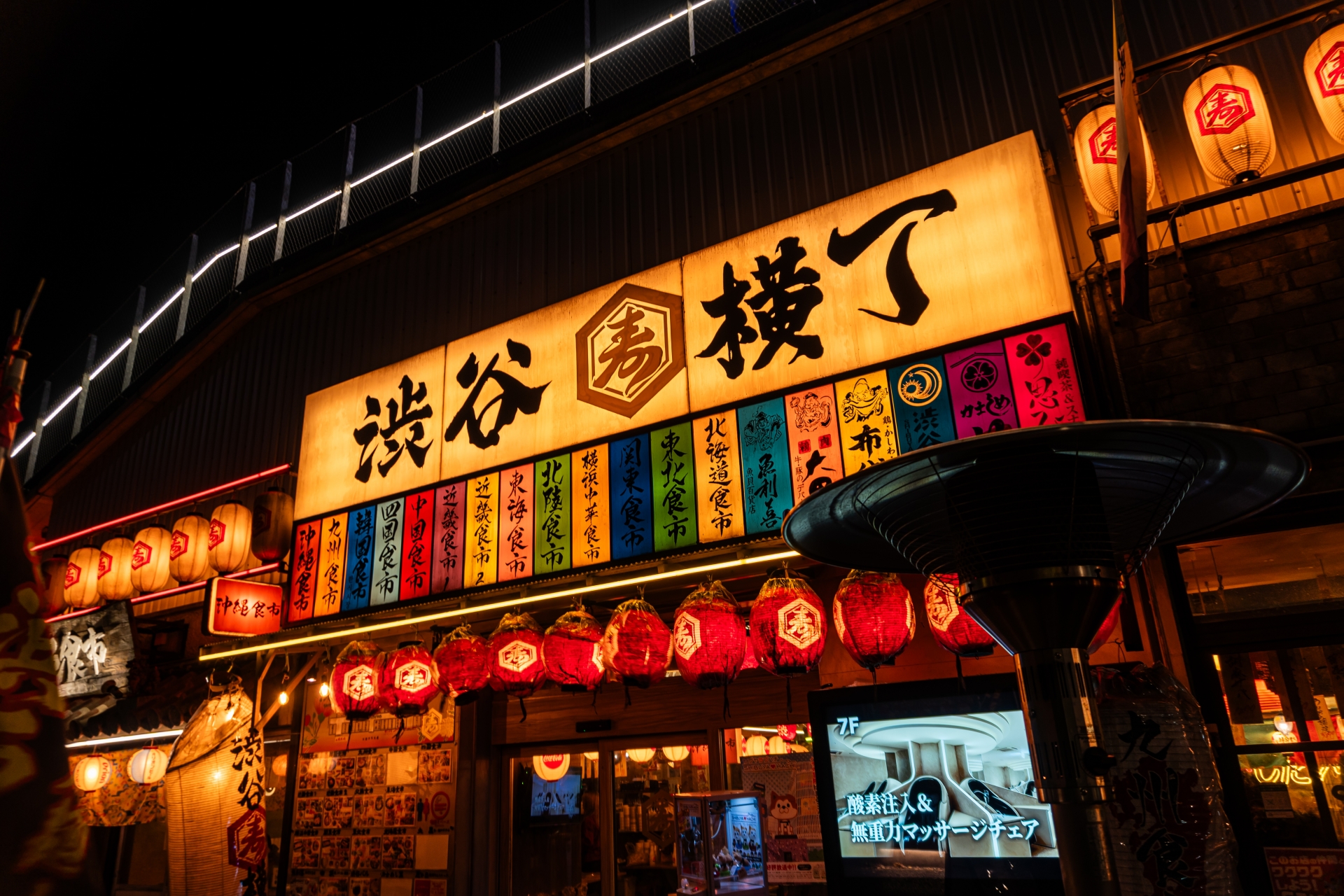
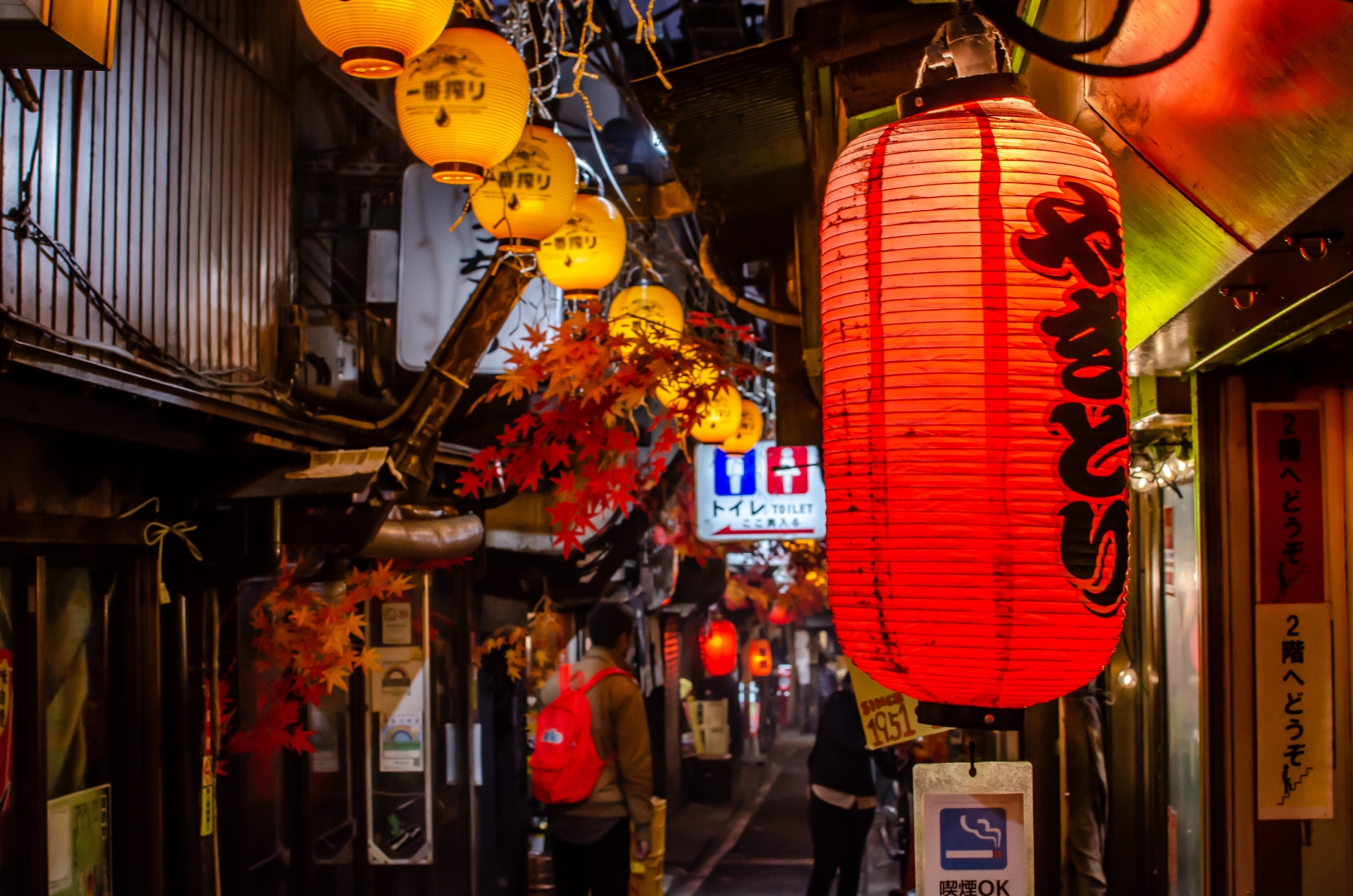
Why I Loved This: The Night I Stopped Being a 'Tourist'
The first time I stepped into Omoide Yokocho—or 'Piss Alley' if we’re being traditional—I thought I’d made a massive mistake. It was a Tuesday in 2021, and the humidity was thick enough to chew. I was wearing a crisp linen shirt that was almost immediately ruined by a cloud of yakitori smoke billowing from a stall no bigger than my bathroom. I stood there, clutching my Google Maps like a shield, until an old man in a salaryman suit shifted six inches to the left. He patted a tiny, rickety wooden stool, looked me dead in the eye, and grunted, 'Highball?' That was the moment. No menu, no English, just a 'trust me' nod. I ended up staying until the last train, eating charred chicken skin and drinking icy whiskey while talking to a local carpenter using nothing but hand gestures and a translation app. It wasn't 'elegant'—it was real. nnMost people make the mistake of trying to find the 'perfect' spot with a 4.5-star rating on Yelp. Forget that. In the backstreets of Shinjuku or Namba, the best spots are the ones where you have to squeeze past three people just to reach the counter. You aren't there for a three-course meal; you're there for the 'hashigo'—the hopping. One drink, two skewers, and you move to the next hole-in-the-wall.
Top Rated
Book a Local Bar Hopping Tour
Skip the 'tourist traps' and let a local guide lead you into the hidden basements and alleyways of Shinjuku or Shibuya. You'll taste authentic yakitori and learn the secret rules of the yokocho.
The best hidden bars don't have English menus—your guide is your golden ticket in.
Book Now ↗
is honestly the best way to break the ice if you're nervous about the 'No English' signs that still hang on half these doors. I’ve done these tours with friends visiting from home, and even after five years here, I still find hidden basements I never would have dared to enter alone. The vibe is electric, the charcoal smell stays in your hair for days, and the stories you’ll tell are worth every yen. nnAnd here's the thing: the food is actually better when it's served on a plastic plate by a guy who looks like he hasn't slept since the 90s. I remember ordering 'bonjiri' (chicken tail) for the first time. It was fatty, salty, and perfectly charred. I didn't even know what it was until I'd eaten three of them. That's the beauty of these places. You stop overthinking and just start experiencing. On top of that, the social barrier in Japan—which can feel like a brick wall during the day—completely evaporates after 7:00 PM in these alleys. You'll find yourself clinking glasses with a CEO and a construction worker at the same time. It’s the great equalizer. Seriously. Just go.
If a place looks full, don't just walk away. Catch the eye of the master and hold up a finger for 'one.' They are masters of the 'human Tetris' and will almost always find a way to squeeze you in.
What You Need to Know: Etiquette, 'Otoshi', and Not Being a Jerk
Let’s talk about the 'Otoshi.' This is the hill many tourists choose to die on, and it’s embarrassing to watch. The second you sit down, the bartender will plunk down a tiny dish—maybe some simmered daikon, a bit of tuna salad, or some edamame. This isn't a free gift from the house. It’s a compulsory seating charge, usually around 300 to 500 yen. I once watched a guy spend twenty minutes arguing with a 70-year-old 'Mama-san' because he didn't order the cabbage. Don't be that guy. Just eat it, pay the 'tax' for the atmosphere, and enjoy the show. nnAnother thing: these places are small. Like, 'if you breathe too hard you’ll knock over your neighbor’s drink' small. I once accidentally sat on a businessman's briefcase in a Shibuya basement bar. Instead of getting mad, he laughed, told me I had a 'big American frame,' and bought me a shot of shochu. That’s the magic of the izakaya. But because space is at a premium, don't bring your massive backpack or your five shopping bags from Don Quijote. Leave them at the hotel. Speaking of which,
Local Favorite
Stay Near the Action
Shinjuku is the ultimate base for night owls. Staying here means you can walk home after the last train stops running at midnight, avoiding the ¥10,000 taxi fare back to the suburbs.
Don't get stranded—stay within 10 minutes of the neon lights.
Find Hotels ↗
is a solid choice if you want to stay within staggering distance of the Shinjuku alleys so you don't have to navigate the world's busiest train station while buzzed on cheap sake. nnOh, and keep your 'Kanpai' (cheers) at a reasonable volume. You’ll hear locals getting loud, but as a visitor, it’s better to read the room. If the master is focused on the grill, don't interrupt him for a selfie every five seconds. Wait until you've ordered at least two drinks. Trust me, the hospitality opens up significantly once they see you're there for the food and drink, not just the Instagram grid. You'll want to remember that these are businesses, not museum exhibits. I've seen too many people treat these bars like a movie set. Be a guest, not a spectator. The best way to get on a master's good side? Order a second round quickly. It shows you're there to drink, which is how they make their money in these tiny 8-seat joints.
Always order a 'Nama-biru' (draft beer) or a 'Highball' first. It’s the fastest thing for them to pour and signals to the staff that you're ready to play by their rules.
The Practical Stuff: Where to Go and What to Budget
If you’re in Tokyo, you’ve got two main choices. Omoide Yokocho is the 'tourist' classic, but it’s a classic for a reason—the visual of the smoke rising under the green lanterns is unbeatable. For something slightly grittier, head to Golden Gai, but be warned: many bars there have 'Members Only' signs or hefty cover charges. If you’re in Osaka, Namba is your playground. The backstreets around the Midosuji line are where the soul of Japanese soul food lives. In Osaka, the pace is faster, the people are louder, and the food—especially the kushikatsu (deep-fried skewers)—is heavier. nnBudget-wise, expect to spend around 4,000 to 8,000 yen per person if you’re doing it right. That covers about three bars, a drink at each, and a few small plates. Most places in the popular 'yokocho' (alleys) now take credit cards, but the real hidden gems—the ones with the best food—are still cash-only. I always keep a 5,000 yen note tucked in my phone case just for these emergencies. You'll thank me later when you find a 4-seat bar that serves the best Motsunabe you've ever tasted but doesn't have a card reader. nnIs it worth doing a guided tour? If it’s your first time, absolutely. It removes the 'will they let me in?' anxiety. But if you're feeling brave, just follow the sound of laughter and the smell of charcoal. My best nights in Japan haven't been at Michelin-starred restaurants; they’ve been on a plastic stool, shoulder-to-shoulder with a stranger, eating chicken hearts and wondering why I ever bothered with a guidebook in the first place. You’re going to get lost, you might overpay for a drink once, and you’ll definitely smell like smoke. That’s the point. Here's what most people miss: the best bars don't have signs in English. They have a handwritten menu on a piece of cardboard and a master who looks like he's seen it all. Those are the places where the real stories happen. Don't be afraid of the dark stairs or the heavy curtains. Just slide the door open and say 'Sumimasen.'
Look for the 'Red Lantern' (Akachochin) outside. Historically, this was the universal sign for a cheap, welcoming izakaya. It still holds true today.