The Moment I Realized I Knew Nothing About Fish
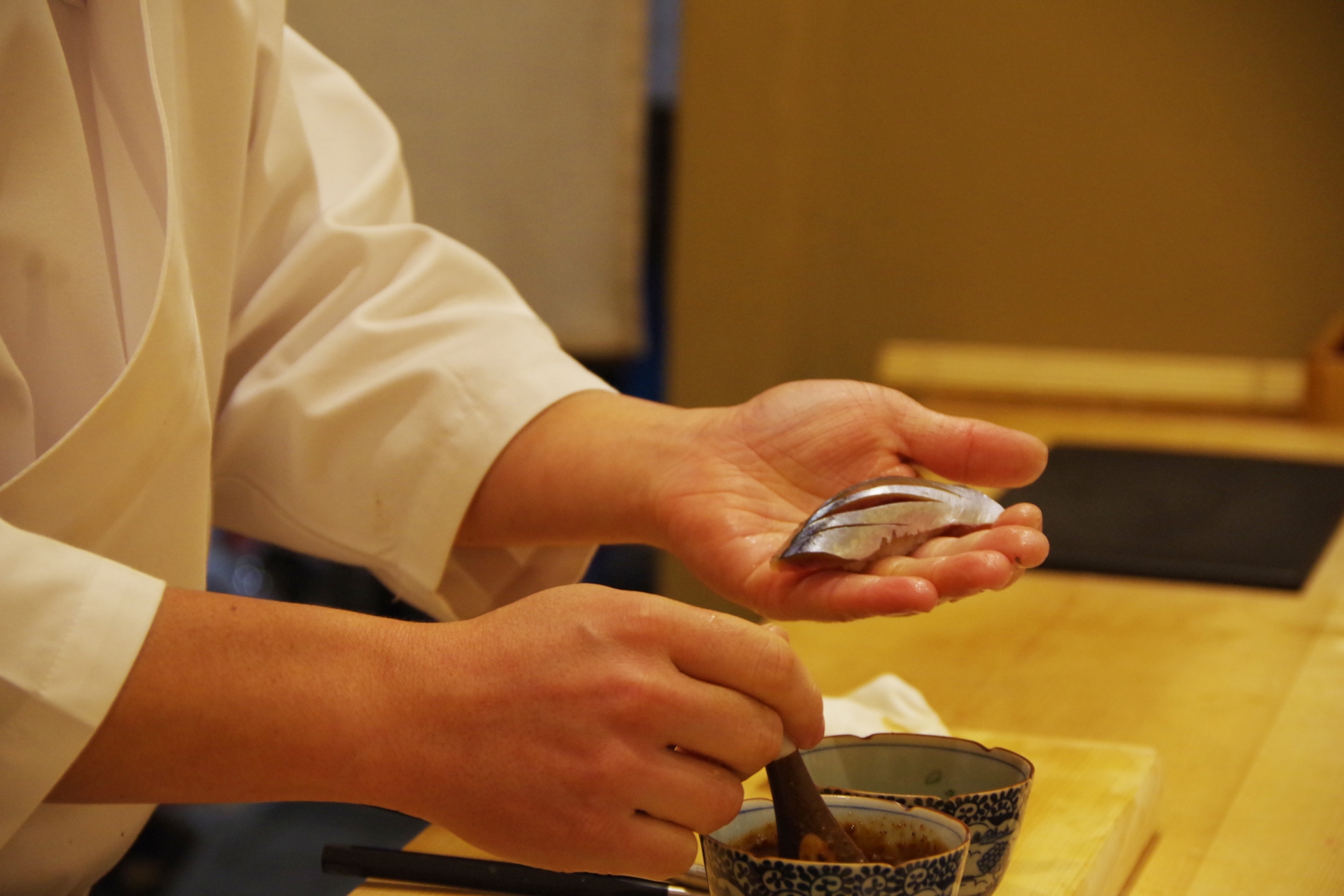
The first time I sat down at a high-end sushi counter in Ginza back in 2021, I was sweating through my 'nice' shirt. I’d lived in Tokyo for a couple of years by then, but this felt different. It wasn’t just dinner; it felt like an audition. The chef, a guy who looked like he hadn't smiled since the Showa era, was meticulously wiping a knife that probably cost more than my first car. I made the classic rookie mistake immediately—I reached for the soy sauce dish. He didn't yell, but the way he gently slid the dish away from me said everything. 'It is already seasoned,' he whispered. I felt like a toddler. But then, I took that first bite of marinated Otoro. My brain basically short-circuited. The fat didn't just melt; it evaporated, leaving behind this incredible, sweet umami that I’d never experienced before. I realized that everything I’d called 'sushi' for the last thirty years was just a pale imitation of the real thing. That’s the magic of the counter experience. You aren't just eating; you're watching a masterclass in precision.
Top Rated
Book Your Omakase Seat
Secure a spot at a top-tier sushi counter in Ginza or Shinjuku. This isn't just dinner; it's a front-row seat to a master chef's 20-course performance using the morning's best catch.
The best counters only have 6-8 seats and fill up weeks in advance—don't risk a walk-in fail in 2026.
Book Now ↗
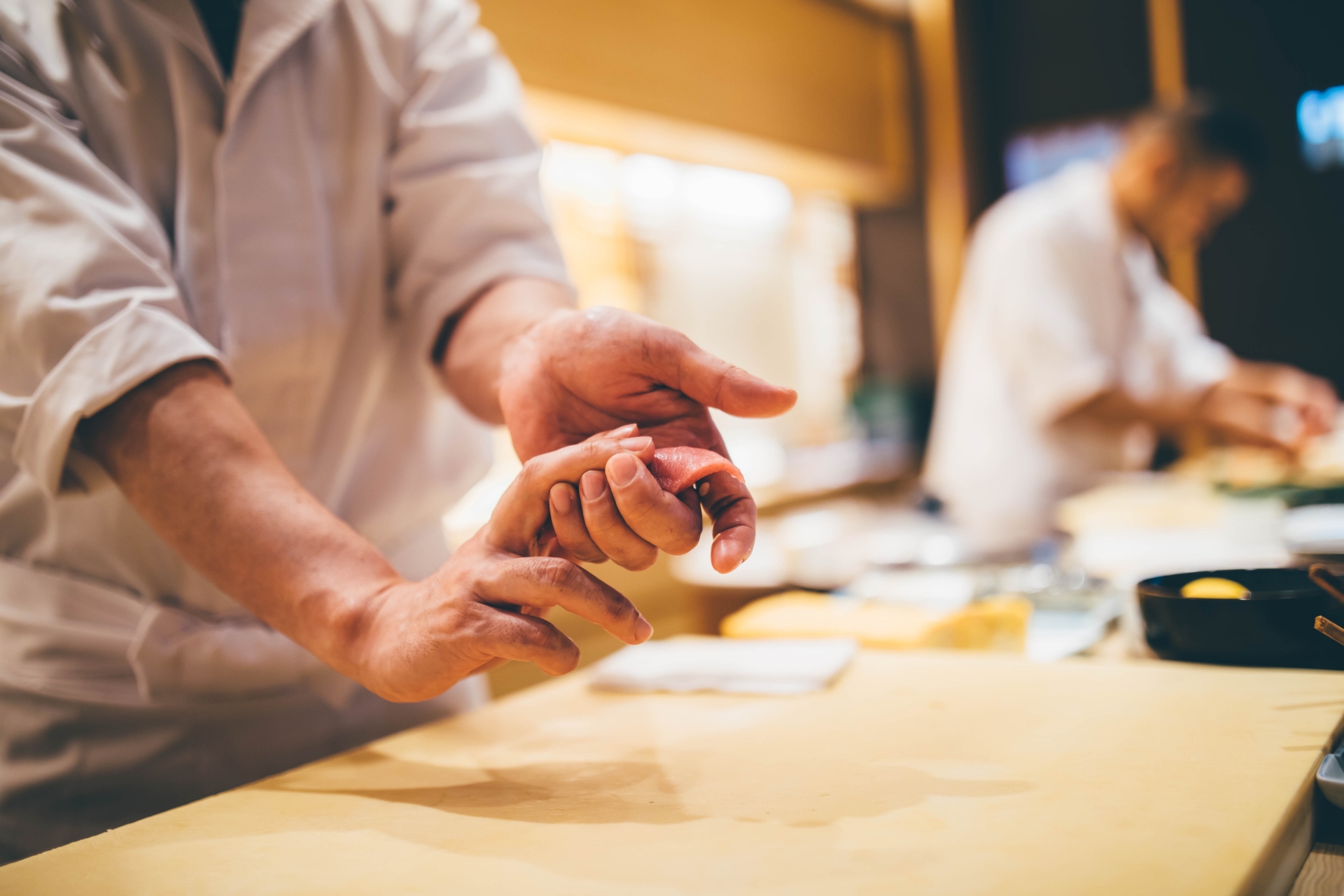
is how I finally started booking these places without needing a Japanese concierge to beg for me. Most people think these places are stuffy and cold, but once you get past that initial 'I don't belong here' vibe, it’s incredibly intimate. You see the flick of the wrist, the way they fan the rice to the perfect body temperature, and the absolute obsession with the 'shari' (vinegar rice). I remember one night in Osaka’s Kitashinchi district where the chef actually apologized because the squid was 'two degrees too cold' for his liking. I couldn't tell, but he was devastated. That level of passion is infectious. You start caring about the grain of the wood on the counter. You start noticing the way the ginger is sliced into paper-thin sheets. It ruins you for cheap sushi forever, which is a bit of a downside for your wallet, but your soul will thank you. Trust me, if you’re going to do one 'big' meal in Japan, this has to be it. Don't settle for the conveyor belts every night. Save up, dress up a little, and prepare to have your mind blown by a piece of raw fish that has no business tasting that complex. It’s about the conversation, the timing, and the trust you place in the master. Seriously. Just go.
If the chef offers you 'Shirako' (cod milt) and you're feeling squeamish, just eat it. Don't ask what it is until after. It’s the creamiest thing you’ll ever taste.
Survival Etiquette: How Not to Offend the Master
So, how do you actually survive this without looking like a total mess? First off, let’s talk about the 'hand vs. chopsticks' debate. I used to think using my hands was rude—like I was some kind of caveman. But my favorite chef in Tsukiji actually laughed at me once when I was struggling to pick up a delicate piece of sea urchin with chopsticks. He told me that sushi was originally street food. You’re supposed to use your thumb, index, and middle finger to flip it slightly so the fish hits your tongue first. It changed the game for me. And for the love of everything holy, do not—I repeat, DO NOT—drown your rice in soy sauce. The chef has already brushed it with 'nikiri' (a sweet soy reduction). If you add more, you’re basically telling him his seasoning sucks. I did that once in a tiny shop and the silence that followed was louder than a jet engine. Also, leave the heavy perfume or cologne at the hotel. Sushi is 50% smell. If you show up smelling like a duty-free shop, you’re ruining the experience for everyone else at the counter. Speaking of hotels, I always tell people to stay somewhere within walking distance of the restaurant district. You’re going to be in a 'sushi coma' afterward, and trying to navigate the Tokyo subway after ten courses of premium fish and three glasses of high-end sake is a recipe for ending up in the wrong prefecture.
Best Location
Stay Near the Food Action
Stay in Ginza or Kitashinchi to be within walking distance of Japan's best sushi dens. These rooms put you right in the heart of the neon-lit culinary capital.
Walking home through the neon lights of Ginza after a 20-course meal is a core Japan memory.
Find Hotels ↗
has some great spots right in the heart of Ginza or Kitashinchi that make the stumble back much easier. Another thing to watch out for is the pace. The chef is watching you. If you leave a piece sitting on the wooden 'geta' for more than thirty seconds, you’ll see the chef’s soul leave his body. It’s meant to be eaten the second it’s served. The rice is still warm, the fish is at its peak, and that window of perfection is tiny. Don't spend five minutes trying to find the perfect lighting for your Instagram shot. Take one quick photo—if the shop allows it—and then eat. Your taste buds are more important than your followers. Oh, and one more thing: 'Gari' (the pickled ginger) is a palate cleanser, not a salad. Don't eat a mountain of it in one go. It's there to reset your tongue between the fatty tuna and the lean white fish.
Look for the 'Neta' box. It's the wooden box where the chef keeps the day's fresh cuts. If you see something bright and unusual, ask about it—it’s usually the chef’s pride and joy.
The Practical Stuff: Booking and Costs
Let’s get down to the brass tacks. You’re looking at a range. A 'cheap' omakase at lunch might run you around 8,000 to 15,000 yen. But for the full-blown dinner experience in a place like Ginza? In 2026, you’re looking at 30,000 to 50,000 yen per person, easily. And honestly? It’s worth every yen. I’ve spent more on mediocre steak in New York than I have on life-changing sushi in Tokyo. When you’re looking for a spot, don't just go for the ones with three Michelin stars. Those are impossible to book and often feel a bit like a museum. I prefer the smaller, 6-8 seat counters where the chef actually talks to you. In 2026, a lot of these places have gotten better with English menus or even translation apps, but the best communication is still just a nod and a hearty 'Oishii!' (delicious). If you’re in Tokyo, Ginza is the prestige choice, but Tsukiji has some incredible hidden gems that are slightly more relaxed and better for your first time. If you’re in Osaka, head to Kitashinchi. It’s the city’s high-end entertainment district, and the chefs there tend to be a bit more jovial and less 'serious artist' than the Tokyo crowd. Most places require a booking at least two to four weeks in advance. I’ve seen so many tourists show up at a famous spot thinking they can just walk in, only to be turned away with a polite but firm 'sumimasen.' Don't be that person. Use a booking service or ask your hotel concierge the moment you land. Most experiences last about 90 minutes. It’s a slow burn. You’ll get a series of 'otsumami' (small appetizers) first—maybe some steamed abalone or grilled octopus—before the nigiri parade starts. By the time the miso soup comes out, you’ll feel like you’ve been on a spiritual journey. It’s the ultimate Japan bucket list item for a reason. Just remember to bring cash, as some of the older, more traditional spots still look at credit cards like they’re alien technology. Also, don't be afraid to tell the chef if there's something you absolutely can't eat, but try to be open-minded. I used to hate sea urchin until I had it at a Ginza counter; now I dream about it. It's a total 180.
Book a lunch slot. Many high-end Ginza shops offer the exact same fish at lunch for nearly half the price of dinner. It’s the best 'hack' in the city.