The Moment I Realized I Have Zero Fine Motor Skills
The old master in front of me, a man who looked like he’d seen the rise and fall of several empires, moved his fingers with the grace of a concert pianist. In exactly twelve seconds, he turned a lump of pink bean paste into a delicate cherry blossom, complete with tiny indentations for the stamens. Then he looked at me. I looked at my lump. My lump looked like a sad, neon-pink potato that had been stepped on by a tourist. I’ve lived in Japan for over five years now, and if there’s one thing I’ve learned, it’s that 'traditional' usually translates to 'Alex is going to feel very clumsy for the next hour.' But honestly? That’s the charm of it. I booked this wagashi making experience in Kyoto
Top Rated
Book This Experience
Get your hands sticky with a master craftsman in a Gion workshop. You'll learn why your 'flower' looks like a potato while sipping the best matcha of your life in a 100-year-old townhouse.
These small-group workshops in Kyoto fill up weeks in advance—don't miss out on the 2026 seasonal designs!
Book Now ↗
thinking it would be a relaxing afternoon. It wasn't relaxing—it was a high-stakes battle against sticky dough and my own impatience. nnThe smell of the workshop, though, is something I’ll never forget. It’s that deep, earthy scent of roasted soy flour and sweet azuki beans that hits you the second you slide the shoji doors open. My first mistake was trying to be a perfectionist. I spent ten minutes trying to get one petal right while the Japanese grandmother next to me had already finished three flowers and was judging my technique with a polite, silent smile. It’s humbling, it’s hilarious, and it’s one of the few times in Japan where you’re encouraged to play with your food before eating it. You’ll probably fail at making it look like the brochure, but the taste? That’s where the redemption happens. nnThere is nothing—and I mean nothing—like eating a piece of nerikiri you just finished shaping, paired with a bowl of frothy, bitter matcha that cuts right through the sugar. The texture of the bean paste is like cold silk, but it sticks to your cuticles like superglue if you don't keep your hands damp. Here's what most people miss: it's not just about the candy. It's about the silence of the room, the sound of the bamboo whisk hitting the ceramic bowl, and the realization that you are terrible at something beautiful. Seriously. Go early just to soak in the atmosphere before the struggle begins. You'll thank me later when you're covered in sugar and pride.
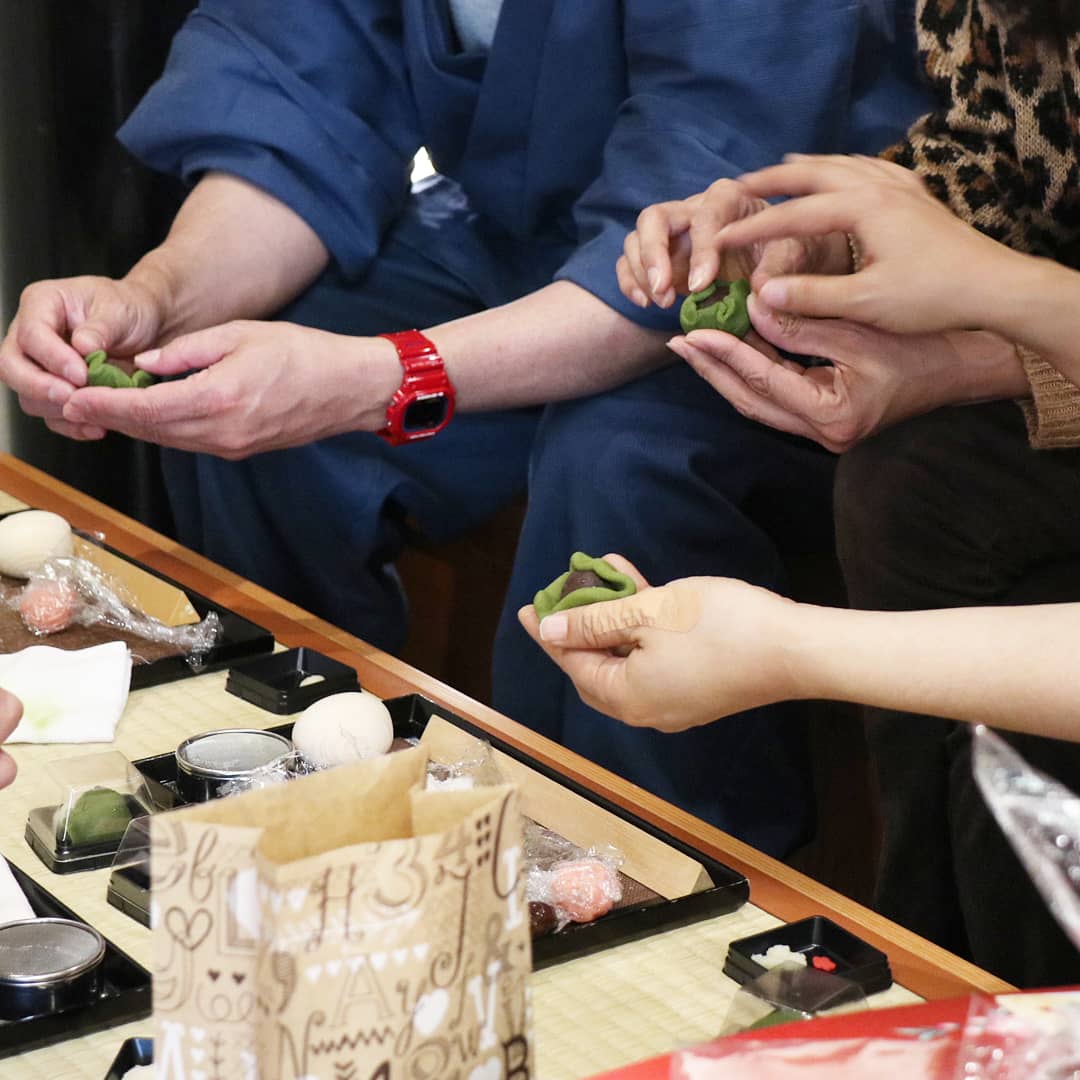
Don't wear rings or watches. You’ll be working with sticky bean paste (nerikiri), and trying to pick dried sugar out of a wedding band is a nightmare I don't want you to experience.
What Actually Happens (And Why Your Palms Will Sweat)
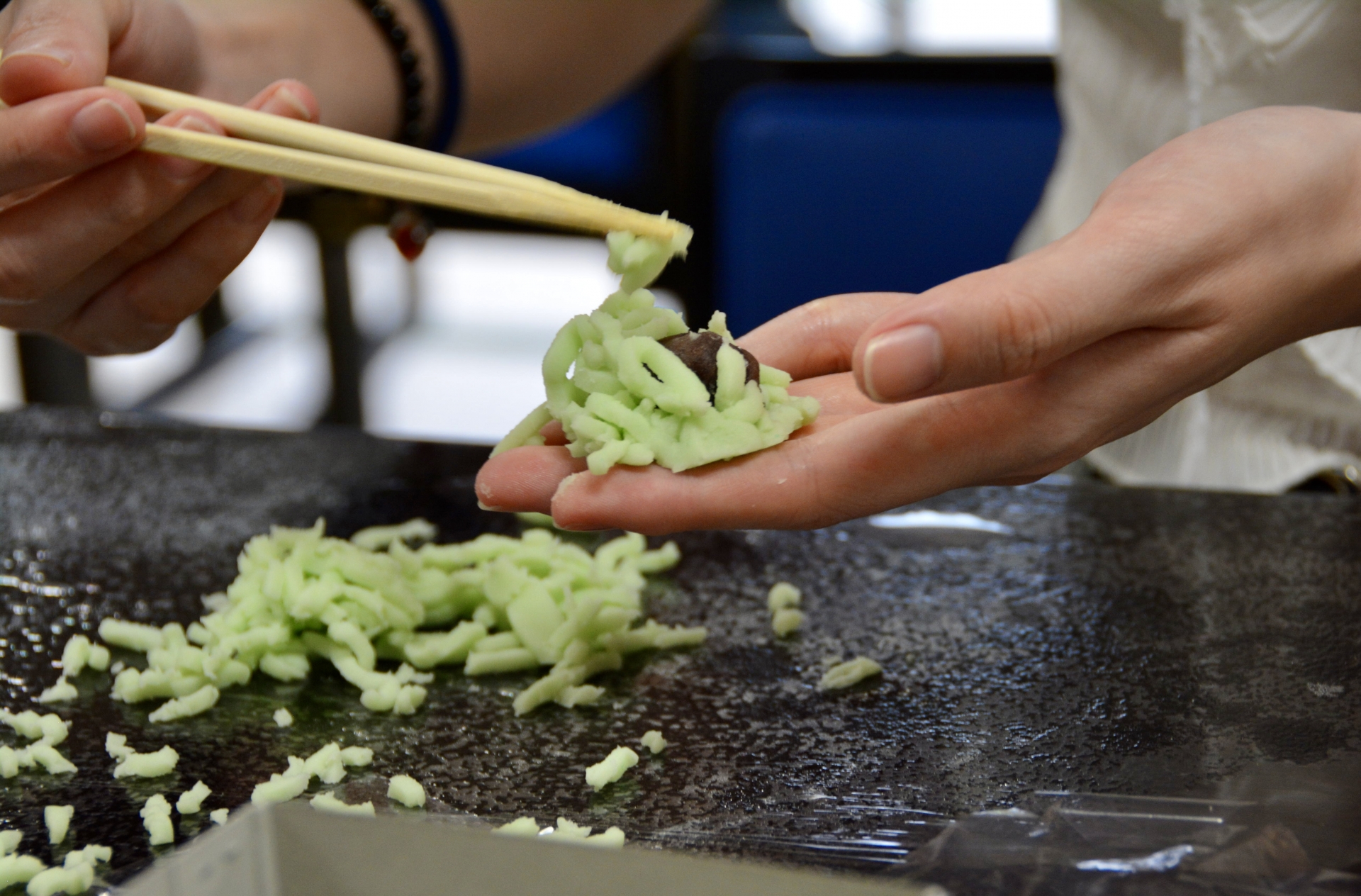
So, here’s the breakdown of what you’re actually signing up for. You usually start with a pre-made base of white bean paste mixed with a bit of glutinous rice flour. This is the 'clay' of the wagashi world. You’ll be given tiny wooden tools—sticks with triangular edges called sankaku-bera, small sieves, and damp cloths. The instructor will guide you through seasonal designs. Since it’s 2026, many shops are now experimenting with more modern shapes, but the classics like hydrangeas or maple leaves are still the gold standard. I remember my second time doing this in Tokyo; I thought I’d be better. I wasn't. My palms were sweating because I was so worried about the dough drying out. If it dries, it cracks, and if it cracks, your flower looks like it’s been through a drought. nnBut here’s the secret: the instructors have seen it all. They’ve seen every 'potato' flower imaginable. They will swoop in with a wooden spatula and perform surgery on your sweet until it looks respectable again. On top of that, the physical demand on your forearms is surprisingly real when you're trying to press the paste through a fine mesh sieve to make 'kinton' (the shaggy-looking sweets). After the struggle, I usually recommend staying at a nearby ryokan to wash off the 'creative stress' in an onsen. I stayed at a place in Gion
Walking Distance
Stay in the Heart of Gion
Wake up to the sound of temple bells. This machiya-style stay puts you right in the heart of Gion's historic craft district, within walking distance of the best workshops.
Gion is the soul of Kyoto; staying here saves you hours of commuting on packed buses.
Find Hotels ↗
that was just a five-minute walk from the workshop, which meant I could take my box of leftovers (the ones I didn't eat immediately) back to my room and enjoy them with a view of the Kamo River. nnOne thing that surprised me was the history. These sweets aren't just sugar; they were originally designed to reflect the seasons and were served to the nobility during tea ceremonies. You’re not just making a snack; you’re participating in a 400-year-old art form. It’s a much better use of your time than standing in line for two hours at a generic 'Instagram cafe' that serves blue lattes. Trust me on this, the 'surgery' the master performs on your failed flower is worth the price of admission alone.
If you’re doing this in Kyoto, book a morning slot. The light in the traditional wooden townhouses is better for photos, and you won't be rushed by the afternoon tea crowd.
Kyoto vs. Tokyo: Where Should You Book?
I get asked this a lot. 'Alex, should I do the craft stuff in Kyoto or Tokyo?' My hot take? Kyoto for the vibes, Tokyo for the convenience. If you want the full 'Lost in Translation' feel with creaky floorboards and the sound of a bamboo fountain in the garden, Kyoto is the only answer. The workshops in the Gion or Higashiyama districts are unbeatable for atmosphere. However, if you’re tight on time and don’t want to deal with Kyoto’s increasingly crowded bus system, the studios in Asakusa (Tokyo) are fantastic. They tend to be a bit more 'English-friendly' and often use high-tech humidifiers to keep the dough from cracking—which is cheating, in my opinion, but helpful for beginners! nnMost classes last about 90 minutes. You’ll make two or three different types of sweets. One you’ll eat there with tea, and the others they’ll box up for you in a cute little container. Price-wise, expect to pay around 3,500 to 5,500 yen. If a place is charging 8,000, they better be giving you a gold-plated whisk. Is it worth it? Absolutely. Even if you're not 'artsy,' it gives you a massive appreciation for the wagashi you see in department store basements (depachika) for 500 yen a piece. You’ll never look at a bean-paste flower the same way again once you realize how hard it is to make those five little petals look symmetrical. nnAnd here's the thing: the Tokyo experience feels more like a polished class, while Kyoto feels like you've stepped back in time. I personally prefer the 'sink or swim' vibe of the Kyoto machiyas where the floorboards groan under your weight. It adds to the drama of the potato-flower. Oh, and don't forget to check the seasonal calendar. If you go during 'Sakura' season, you'll make cherry blossoms. If you go in autumn, you'll make maple leaves. I personally think the autumn designs are the most fun to carve because the colors are so vibrant.
Check the seasonal calendar before you book. If you go during 'Sakura' season, you'll make cherry blossoms. If you go in autumn, you'll make maple leaves. I personally think the autumn designs are the most fun to carve.