Why I Loved This: The 'Fool's Dance' is Real
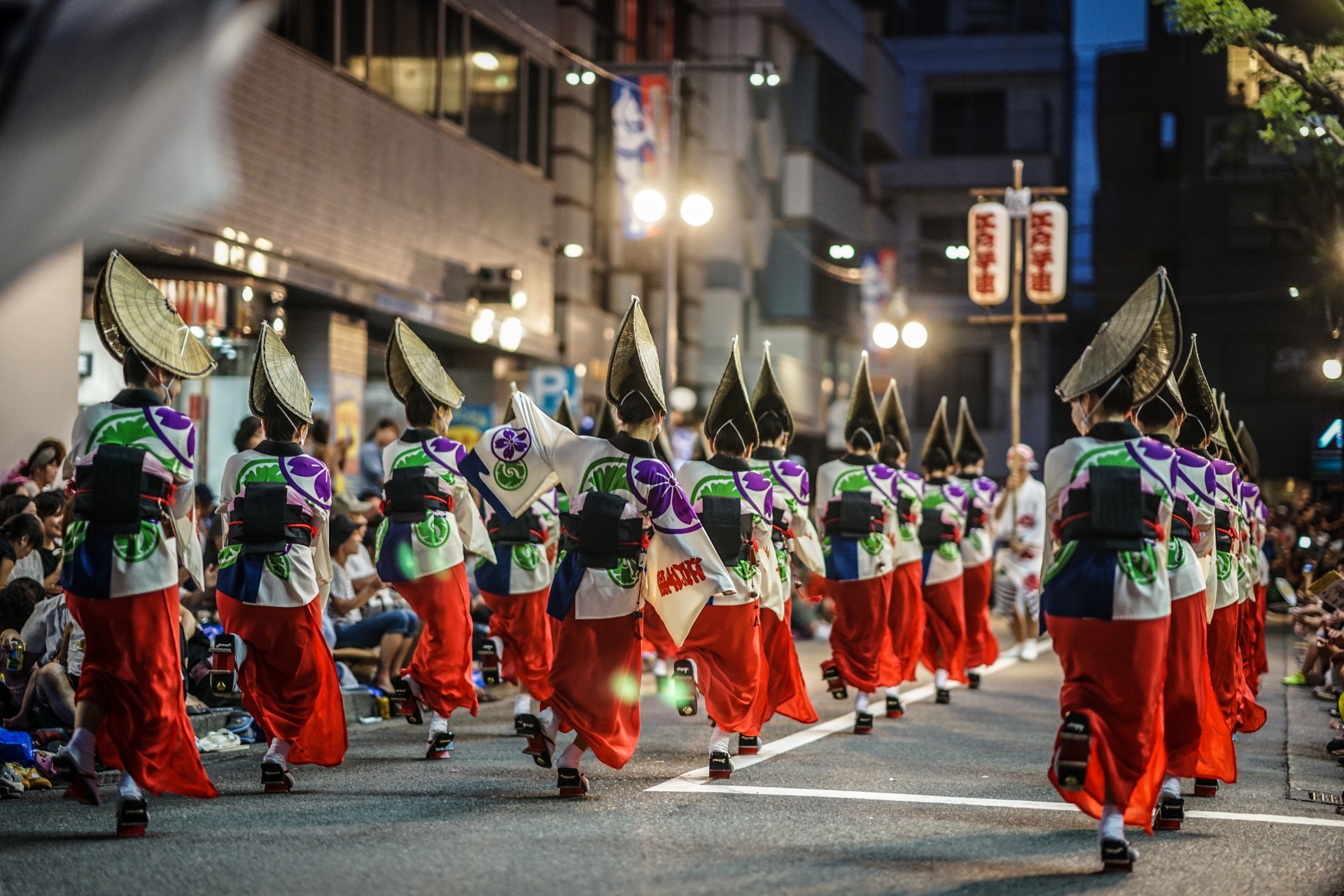
The humidity in Tokushima was so thick you could practically carve it into blocks, and there I was, sweating through a rental yukata, trying to figure out why my hands wouldn't move in sync with my feet. There’s a famous song they play during Awa Odori—the 'Fool’s Dance.' The lyrics basically say: 'The dancers are fools, the watchers are fools, so if both are fools, you might as well dance!' I took that personally. I’ve lived in Japan since 2021, and for years, I was the guy on the sidelines holding a lukewarm beer, watching these incredibly synchronized groups (called *ren*) glide past. But in 2026, I finally decided to stop being a spectator. I booked a small group workshop in Tokyo’s Koenji district
Top Rated
Join the Fool's Dance
A 2-hour immersive Awa Odori workshop in the heart of Tokyo. Includes traditional costume rental, expert instruction, and a final group performance with live musicians. You'll feel the vibration of the drums in your chest as you learn the 'two-step' rhythm.
This is the only workshop that lets you perform on the actual festival route in Koenji.
Book Your Spot ↗
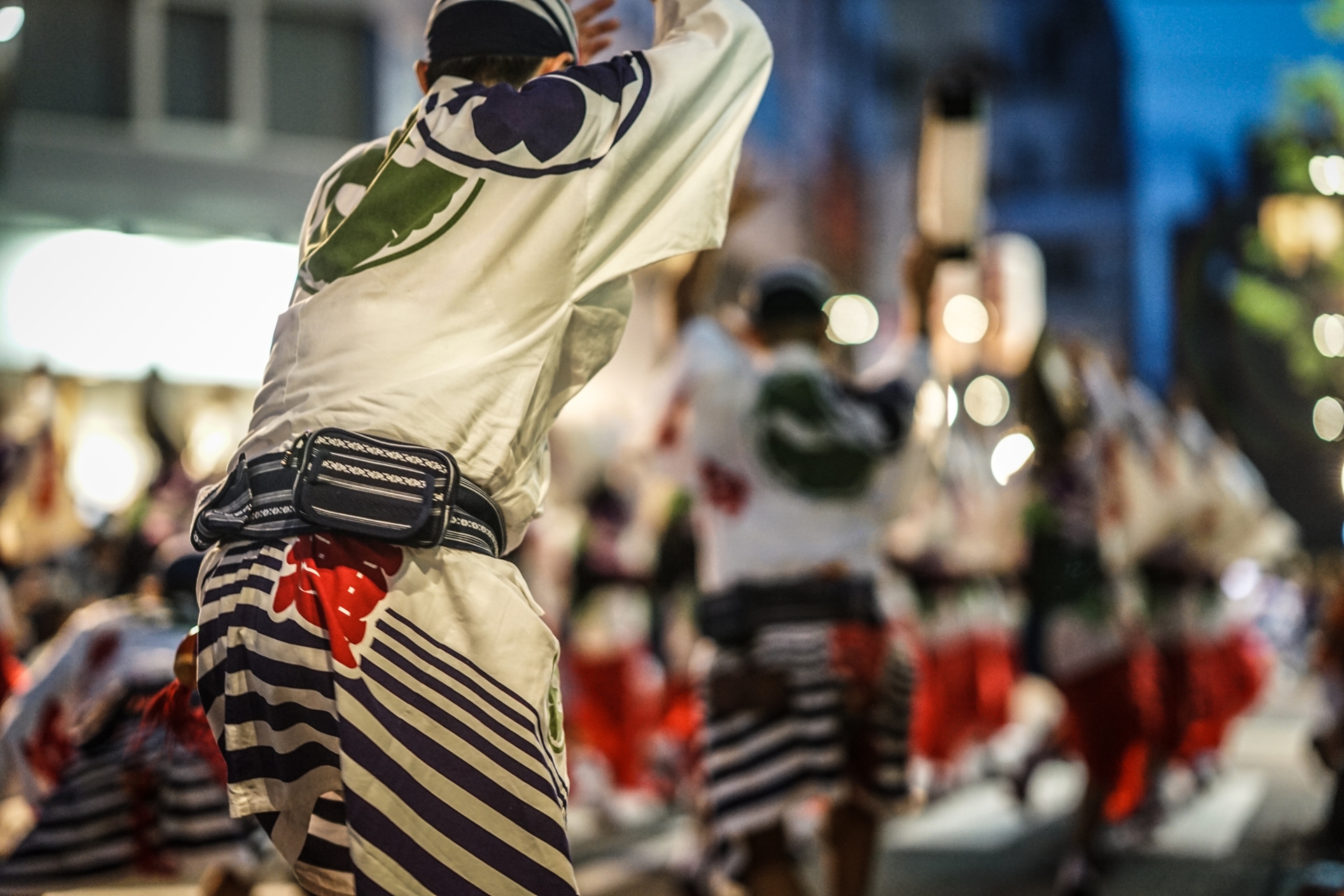
where they teach you the basics before letting you join a mini-parade. The smell of the studio—a mix of old wood, floor wax, and the faint scent of incense from a nearby shrine—is something I can still recall perfectly. nnI’m going to be honest: the first 20 minutes were a total disaster. I have the coordination of a newborn giraffe on ice. The instructor, a woman in her 70s who could move faster than a teenager, kept poking my elbows. 'Higher! Higher!' she’d shout over the roar of the *shime-daiko* drums. And here's the thing: you think you're doing it right until you see a video of yourself. But then, something shifted. The rhythm—that infectious, driving, syncopated beat—just takes over your nervous system. You stop thinking about whether your left foot is doing the right thing and you just start moving. I caught my reflection in a shop window and, yeah, I looked like a flailing crab. But I was grinning like an idiot. That’s the magic of it. It’s not about being perfect; it’s about the collective energy. By the time we hit the street for the final 'performance,' I didn't care who was watching. I was part of the noise, part of the heat, and for the first time, I felt like I wasn't just observing Japanese culture—I was actually inside it. nnEveryone looks silly. That’s the point. nnIf you're worried about the language barrier, don't be. The instructions are 90% physical. You'll hear 'Yat-to-sa!' and you'll shout 'Yat-to-yat-to!' back. It's a call-and-response that builds this weird, instant bond with the people around you. On top of that, the sheer physical exertion clears your head in a way that a quiet temple visit never could. You aren't just a tourist; you're a participant in a tradition that has survived for centuries. Oh, and don't expect to master it in one go. I've been back three times and I still occasionally trip over my own feet, but the instructors always welcome you back with a smile and a fresh pair of *tabi* socks. It's the most welcoming I've felt in a cultural space here.
If you're doing this in summer, bring a 'tenugui' (traditional hand towel). You're going to sweat in places you didn't know could sweat, and it's the only way to keep the salt out of your eyes while you're mid-shuffle.
What You Need to Know: Drums, Dust, and Sore Calves
While Awa Odori is all about that bouncy, elegant-yet-chaotic vibe, Eisa (the Okinawan style) is a whole different beast. I tried an Eisa workshop in Naha last year, and my shoulders didn't forgive me for a week. In Eisa, you’re often carrying a drum—either the big *o-daiko* or the smaller *parankku*—and you’re swinging it around while performing high-kick choreography. It is a legitimate workout. If you have the choice, try both styles, but know that Eisa requires way more physical stamina. You'll want to prepare for the vibration; when ten people hit those drums in a small room, you don't just hear the sound, you feel it in your ribcage. nnWhen you show up to these experiences, you'll usually be given a *happi* coat or a simple *yukata*. Don't make the rookie mistake I made: wear athletic shorts underneath. I showed up in stiff denim jeans my first time and nearly split them during a deep squat. Also, the footwear is key. You’ll likely be wearing *tabi* (split-toe socks) or *zori* sandals. If you’re staying at a nearby hotel
Local Favorite
Stay Near the Rhythm
The Koenji and Nakano areas are the best places to stay for festival vibes. You'll be walking distance to the workshops and surrounded by the best 'izakaya' (pubs) in Tokyo. Perfect for a post-dance beer and yakitori.
Avoid the nightmare of the last train after a late-night dance session—stay local.
Find Hotels ↗
, I highly recommend walking there in your normal sneakers and changing on-site. Your arches will thank you later. Here's what most people miss: the floor can be slippery. Those wooden floors are polished to a mirror shine, so take it slow during the first few minutes of the 'two-step' rhythm. nnThe structure of these classes is usually pretty straightforward: a history lesson (usually brief), a demonstration that makes you think 'I can never do that,' and then the breakdown of the rhythm. The language barrier is almost non-existent because it’s all visual. One thing that surprised me was the weight of the instruments. Even the small hand drums get heavy after thirty minutes of constant movement. But the sound? Being in the middle of a drum circle is a visceral, bone-shaking experience that no YouTube video can capture. You should also pay attention to the 'Uchiwa' (fan) technique. Most beginners just wave it around, but there's a specific wrist flick that keeps the air moving toward your face while you dance. It’s a literal life-saver when the room hits 30 degrees Celsius. nnSeriously. Go early to get the best drum.
Ask your instructor about the 'Uchiwa' (fan) technique. Most beginners just wave it around, but there's a specific wrist flick that keeps the air moving toward your face while you dance. It’s a literal life-saver.
The Practical Stuff: How to Not Get Left Behind
You can find these experiences in most major cities, but the 'Big Three' locations are Tokushima (the birthplace), Koenji in Tokyo (the biggest satellite festival), and Okinawa for Eisa. If you’re in Tokyo, Koenji is your best bet. It’s a bohemian neighborhood with a vibe that’s totally different from the glitz of Shibuya. Most workshops run about 5,000 to 7,000 yen, which usually includes the garment rental and the lesson. I've found that the smaller, NPO-run workshops often provide a more 'authentic' feel than the big commercial ones. nnI’d recommend booking at least two weeks in advance, especially if you’re traveling during the peak August festival season. In 2026, the digital booking systems have gotten much better, but the popular spots still fill up fast. I once tried to walk into a workshop in Tokushima without a reservation and ended up sitting on a curb watching through a window—don't be that guy. Duration-wise, two hours is the sweet spot. Anything less feels rushed; anything more and your legs will turn to jelly. Oh, and check the cancellation policy. These local groups are often run by volunteers, and they appreciate the heads-up if your plans change. nnIs it worth the money? Absolutely. Look, you can spend 5,000 yen on a mediocre dinner, or you can spend it on the memory of screaming traditional chants at the top of your lungs with a bunch of strangers. For me, it’s the best way to break that 'tourist bubble.' You aren't just a guest anymore; you're part of the noise. If you’re doing a Japan tour, schedule this for the middle of your trip. It’s a great way to shake off the 'temple fatigue' that inevitably sets in after seeing your tenth shrine in a row. Trust me, the adrenaline hit you get when the drums start is better than any espresso in Tokyo. nnYou'll thank me later when you're the only one at the festival who actually knows the steps.
Check if your workshop includes a 'certificate' or a small gift. Many of the local NPOs give you a personalized wooden 'fuda' (talisman) which makes for a way better souvenir than a cheap plastic keychain from a gift shop.