Why I Loved This: The Sound You Never Forget
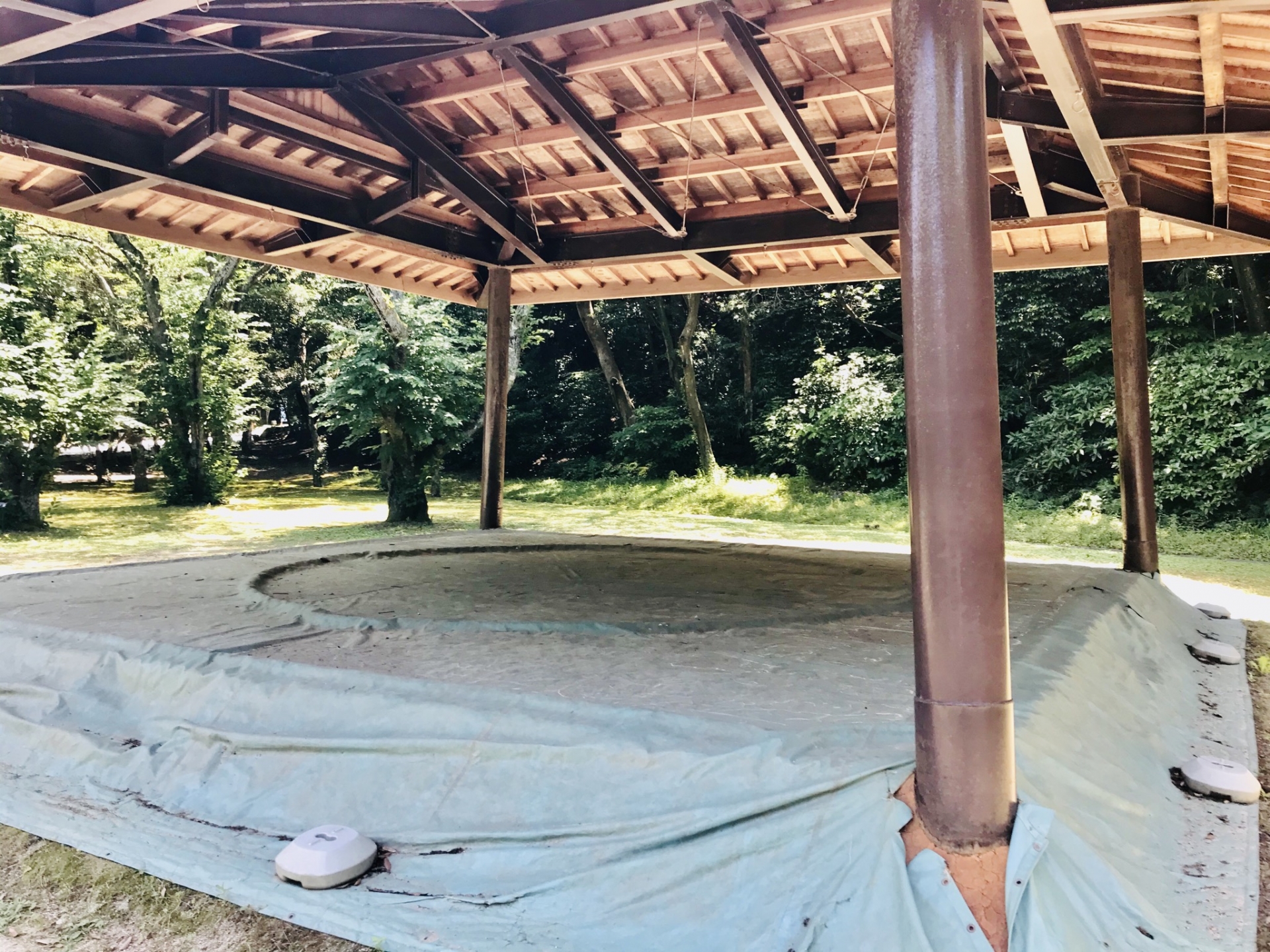
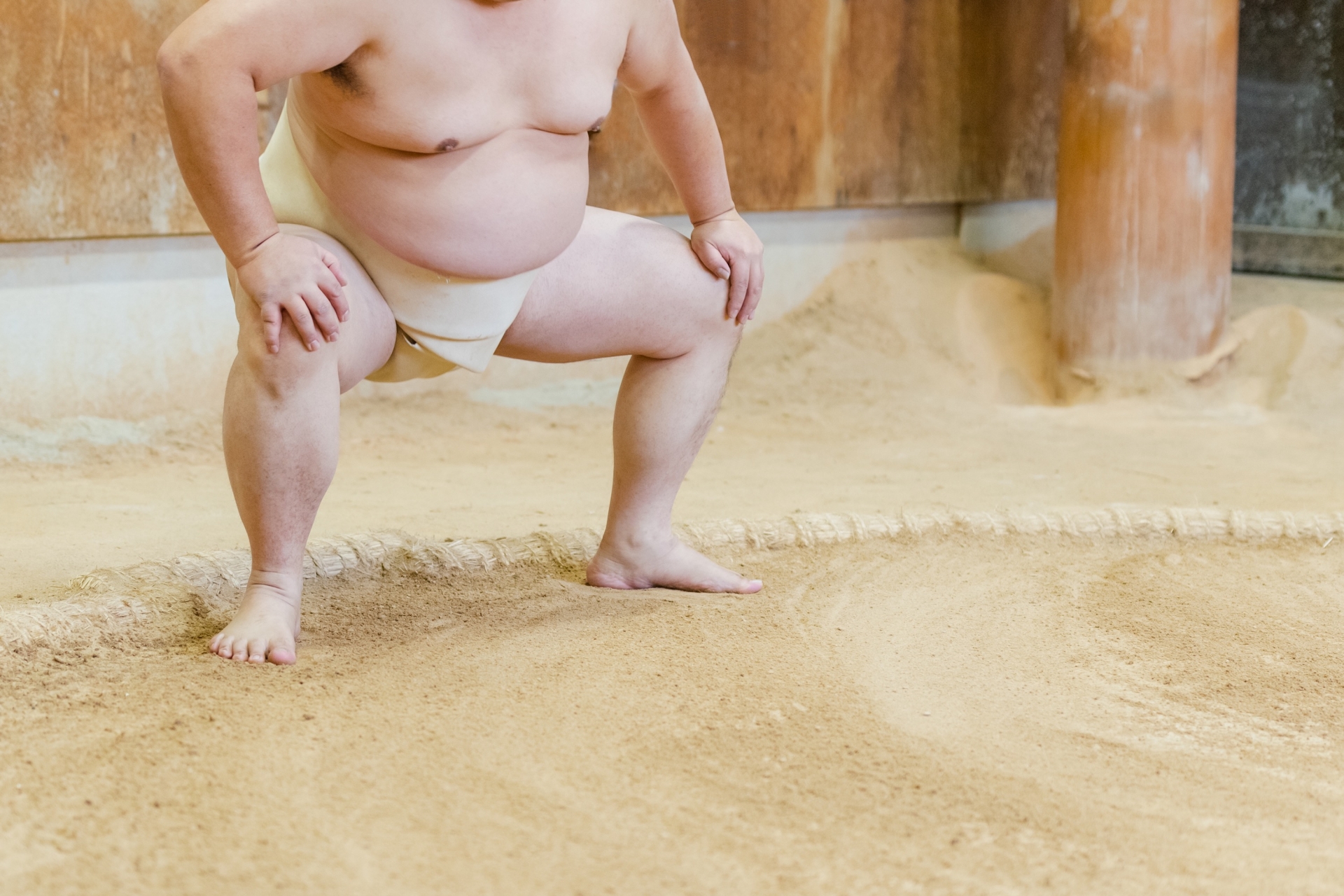
The first thing that hits you isn’t the sight of the wrestlers – it’s the sound. Imagine two massive slabs of granite being slammed together by a giant. That’s the 'tachiai', the initial charge. I remember my first time sitting on a hard cushion in a freezing stable in Ryogoku back in 2021. I hadn't even finished my first coffee, and suddenly, two men weighing 150kg each were flying across the clay ring (dohyo) just three feet from my face. I actually flinched. The intensity in the room is thick enough to cut with a knife. There’s no cheering, no music, and definitely no 'show' for the tourists. This is their job, and it’s a brutal one. It’s not for the faint of heart.nnI’ll be honest – I thought I’d be bored after twenty minutes. I mean, how many times can you watch guys push each other? But the psychology of it hooked me. You see the younger apprentices getting absolutely demolished by the seniors, then standing right back up to do it again. It’s a lesson in grit that makes my morning emails look pathetic. I once saw a rookie get thrown into the wooden wall five times in a row. He didn't complain; he just wiped the clay off his face and bowed. That was the moment I realized this wasn't just a sport – it was a religious devotion. If you want to see the 'real' Japan people always talk about, this is it. It’s raw, it’s sweaty, and it smells like a mix of hair wax and determination.
Top Rated
Book This Experience
Secure a spot at an authentic morning practice. You'll get a guided explanation of the rituals, a seat inside the stable, and a chance to see the rikishi up close. Most tours last about 2 hours.
Public access is extremely limited in 2026; a guided tour is the only reliable way into the stables.
Book Now ↗
I’ve taken three different friends to these practices now, and every single one of them walked out in a stunned silence. It’s just that powerful.nnOne thing I learned the hard way: your legs will die. Most stables require you to sit on the floor (seiza style) or on a very low bench for two hours. I tried to be a hero and sit cross-legged, but my feet went completely numb. When the practice ended and we were supposed to stand up to bow, I literally tipped over like a felled tree. The wrestlers didn't laugh – they’re too disciplined for that – but I could see the 'oyakata' (stable master) smirking. Don't be like me. Wear loose pants. If you have bad knees, specifically look for a stable that offers chair seating, because once practice starts, you are not allowed to move or leave until it's over. It’s a test of endurance for the audience as much as the athletes. Seriously. Stretch beforehand. You'll thank me when you can actually walk to the station afterward.
If you see a wrestler with a topknot that isn't fully formed, he's a junior. The guys with the elaborate 'oichomage' (ginkgo leaf style) are the top-tier stars. Pay attention to how the juniors treat the seniors – the hierarchy is fascinating and visible in every bow.
What You Need to Know Before You Go: Etiquette and Hair Wax
Let’s talk about the rules, because if you break them, you’re going to get kicked out faster than a losing rikishi. This isn't a museum; it's a sacred training ground. Rule number one: Silence is absolute. I’ve seen a tourist get scolded by a stable master just for whispering to her husband about where they should eat lunch. You don't talk. You don't eat. You don't drink. You just watch. It feels intimidating at first, but that silence is what makes the experience so immersive. You hear every breath, every grunt, and the rhythmic slapping of hands on thighs. Silence isn't a suggestion; it's the law.nnThen there’s the smell. It’s not a bad smell, surprisingly. It’s the 'bintsuke-abura', the sweet, chamomile-scented hair wax they use to keep those topknots in place. To this day, if I catch a whiff of that scent in a Tokyo train station, my brain immediately goes back to the dohyo. It’s a sensory experience that no video can capture. Speaking of videos – check the rules for your specific stable. Most allow photos but strictly forbid flash or 'clicky' shutter sounds. I usually keep my phone in my pocket and just soak it in. Living in Tokyo, I see a lot of 'manufactured' culture, but the morning practice is one of the few things that remains stubbornly authentic. On top of that, the lighting in these stables is usually moody and perfect for shots, provided you don't annoy the master.nnI’d recommend staying in the Ryogoku area the night before if you can. The practices start early – usually around 7:00 AM or 8:00 AM – and if you’re coming from the other side of the city, that 6:00 AM train ride is a mood killer.
Walking Distance
Stay in Ryogoku
Don't commute at 6 AM. Stay in the heart of the sumo district. Ryogoku offers great mid-range hotels within walking distance of the top stables and the Edo-Tokyo Museum.
Staying local means you can roll out of bed and be at the stable in 5 minutes.
Find Hotels ↗
Plus, Ryogoku is just cool. It’s the only place in the world where you’ll see a man the size of a refrigerator riding a bicycle to the convenience store to buy a liter of milk. It’s surreal. Just remember that stables are closed to the public during the three major Tokyo tournaments (January, May, and September) because the wrestlers are busy actually competing. If you’re visiting during those months, you’ll have to buy a ticket to the tournament itself instead, which is a totally different (but also great) vibe. Trust me, the 7 AM wake-up call is worth it.
The 'Oyakata' (master) usually sits at the back. He might look like he's napping, but he's seeing everything. If he starts shouting, pay attention – the energy in the room will shift instantly, and that's when the most intense sparring happens.
The Practical Stuff: How to Actually Get In
So, how do you book this? In the old days (pre-2020), you could sometimes just show up at certain stables and peek through a window. Those days are mostly gone. Now, for safety and crowd control, almost all stables require a formal booking through a tour operator or a specific reservation system. I actually prefer this. It means you get a guide who explains the rules and the history, which is vital because otherwise, you’re just watching big guys move sand around. A good tour will cost you somewhere between 7,000 and 15,000 yen. It sounds steep, but considering you’re getting a front-row seat to a professional athlete’s workout, it’s a steal compared to a stadium ticket. Just book it.nnMost stables are concentrated in Ryogoku, but there are some hidden gems in Kiyosumi-shirakawa and even near Asakusa. If you have the choice, pick a smaller stable. The big ones like Hakkaku or Kokonoe are impressive, but the smaller ones feel much more intimate. You’re literally inches away from the action. I once went to a small stable where there were only four of us watching. The sweat from a wrestler actually sprayed onto my notebook. Gross? Maybe. Memorable? Absolutely. Oh, and here's the thing: the smaller stables often let you take a group photo at the end, which is the ultimate souvenir.nnWhen you book, check if the tour includes a 'Chanko Nabe' lunch. Chanko is the 'stew of champions' that wrestlers eat to bulk up. It’s basically a massive pot of protein and veggies. Eating it in a local Ryogoku restaurant after watching the guys train is the perfect 'full circle' moment. I usually can't finish a whole bowl, which makes me realize just how much these guys have to eat to maintain that weight. It’s a lifestyle, not just a hobby. If you’re only in Tokyo for a few days, this is the one 'early morning' activity I’d tell you to prioritize over the fish market. It’s more visceral, more cultural, and way more 'Japan' than looking at a frozen tuna. Just remember to bring warm socks – those stable floors are cold in the winter! You'll thank me later when your toes aren't frozen blocks of ice.
Check the stable's schedule for 'Degeiko'. This is when wrestlers from other stables visit to train. If you manage to book on a Degeiko day, you'll see a much higher level of competition and more 'star' power in the ring.