Why I Loved This (And Why I Looked Like an Idiot)
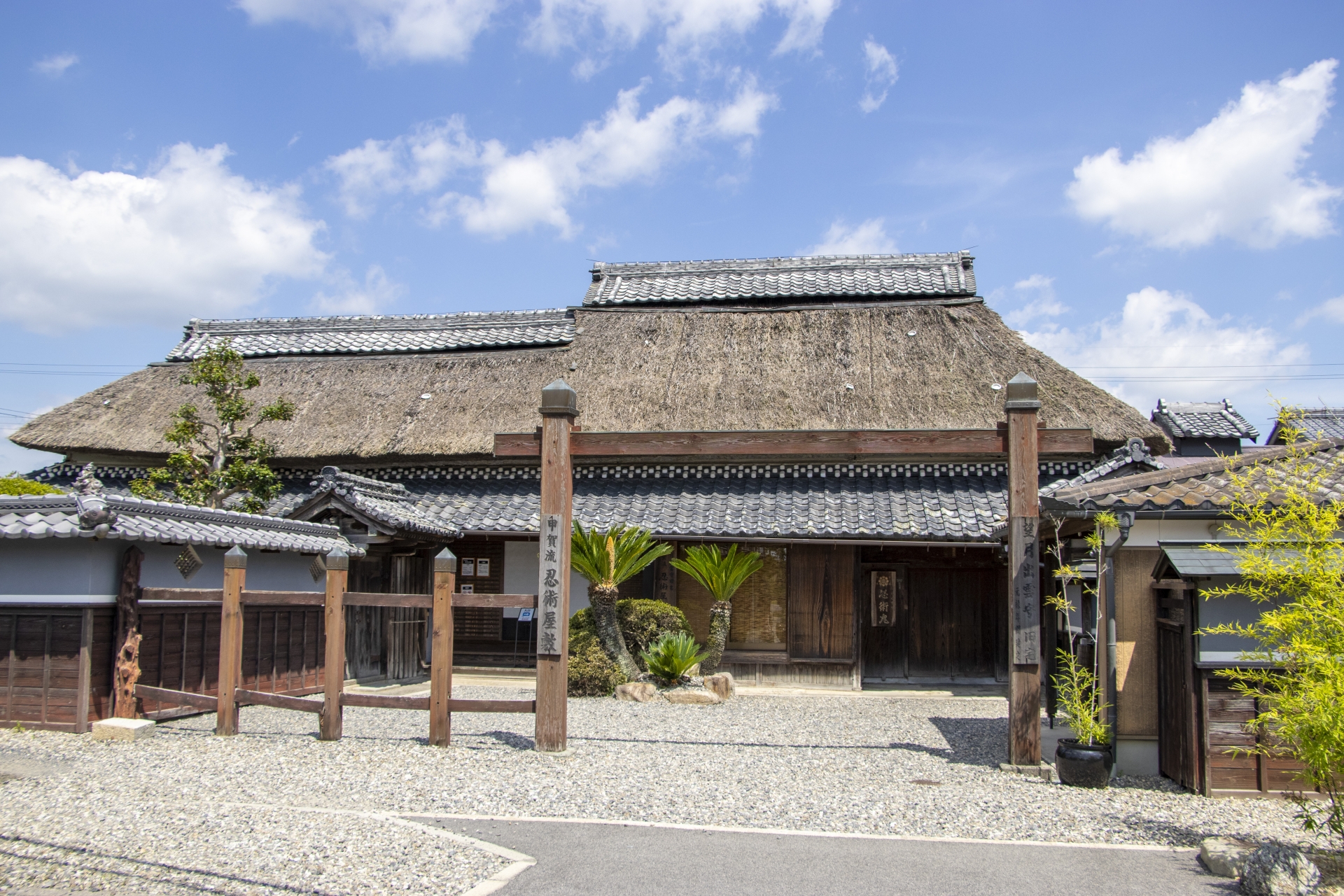
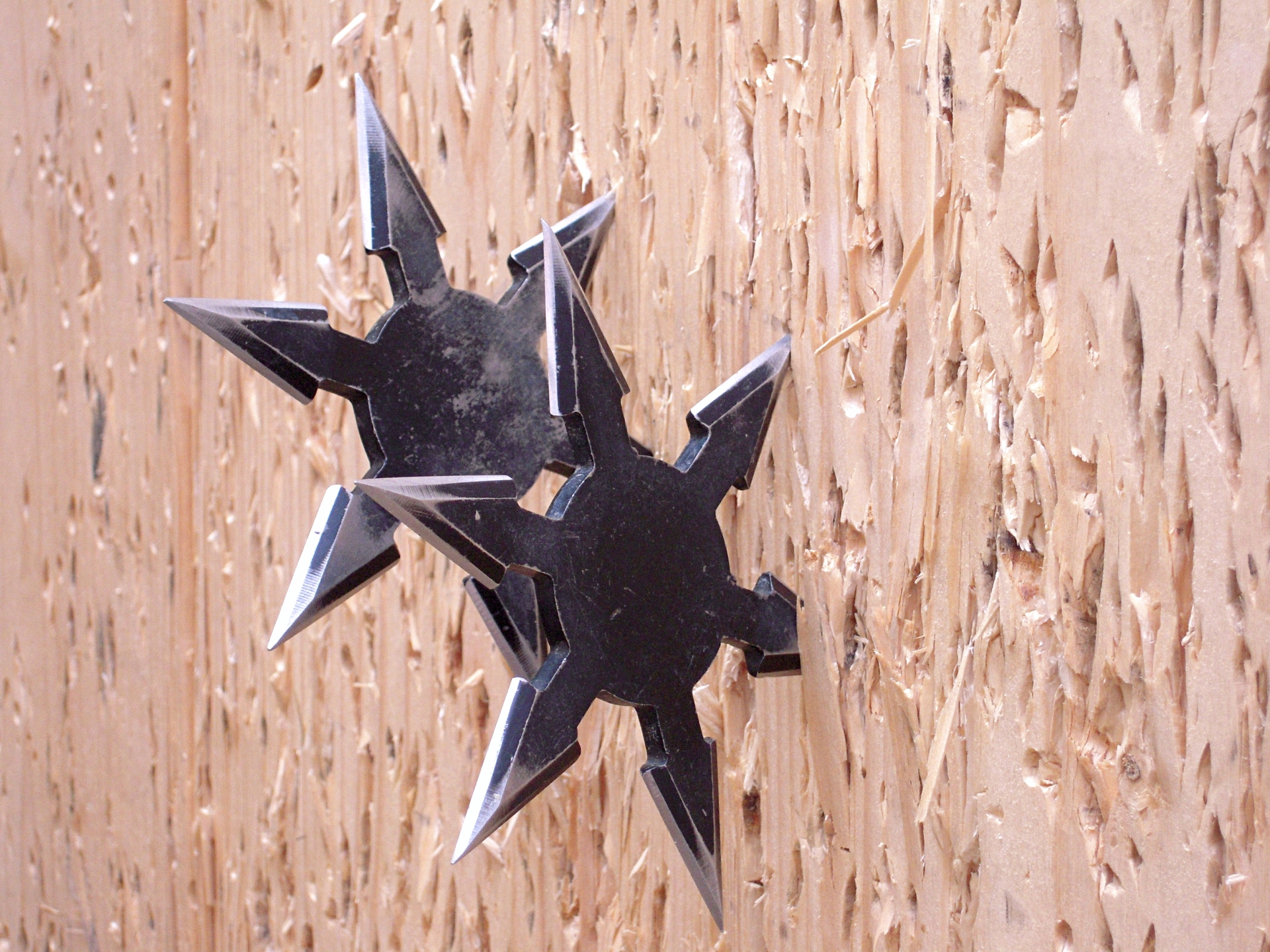
The first time I stepped into the Iga-ryu Ninja Museum, I thought I was way too 'cool' for it. I was 31, living in Tokyo, and figured this was basically Disneyland for people who watch too much anime. I was dead wrong. Within ten minutes, an elderly woman—who I later found out was a descendant of an actual ninja clan—showed me how to use a 'karakuri' revolving door. I tried to replicate her smooth exit and ended up getting my shirt caught in the mechanism, pinned against a wooden wall while a group of elementary schoolers laughed at me. That’s the thing about real ninja history: it’s not about flashy magic; it’s about being incredibly clever with very cramped spaces. nnI spent the afternoon failing miserably at the shuriken range. These things aren't light. They’re heavy, cold pieces of steel that require a flick of the wrist I clearly hadn't developed in my five years of desk work. But when I finally heard that 'thwack' of the blade hitting the wooden target? Pure dopamine. If you're looking for an authentic vibe, you have to book the full immersion
Top Rated
Official Ninja Training
A 2-hour deep dive into stealth, weaponry, and the history of the Iga-ryu. Includes shuriken practice and a guided tour of the karakuri trick house.
The trick house tours are limited capacity—booking ahead is the only way to guarantee a spot in English.
Book Training ↗
where they actually put you in the gear and walk you through the stealth steps. It’s awkward, your knees will hurt from the low-crouch walking, and you’ll realize you have the grace of a caffeinated elephant. But that’s the charm. It’s a physical connection to a history that usually feels like a myth. I left with sore quads and a massive grin, clutching a plastic 'ninja license' that I still keep on my fridge. Trust me, even if you think you're 'too grown up' for this, the moment you step into a hidden floorboard room, you’ll be eight years old again.
If you're going to Iga, take the 'Ninja Train' from Iga-Ueno station. The seats have ninja eyes painted on them, and it sets the mood perfectly before you even arrive.
What You Need to Know Before You Put on the Mask
Let’s talk about the 'Ninja Villages.' There are two main heavyweights: Iga (Mie Prefecture) and Koka (Shiga Prefecture). Iga is the 'Hollywood' version—slicker, better English support, and more dramatic shows. Koka is the rugged, 'I might actually die in this trap' version. I personally prefer Iga for a first-timer because the museum is genuinely world-class. You’ll see tools that look like they belong in a Bond movie, except they’re 400 years old. Oh, and here is my biggest warning: do NOT wear white socks. You’ll be taking your shoes off constantly to enter the trick houses, and those wooden floors have seen a lot of feet. Also, if you’re over six feet tall, prepare to duck. A lot. I’ve lost count of how many times I’ve nearly knocked myself out on a low-hanging support beam designed to stop samurai from swinging their swords. nnIf you can’t make the trek out to the mountains of Mie, Tokyo has some decent spots in Shinjuku and Asakusa, but they feel more like 'escape rooms' than historical sites. They’re great for a quick fix, but they lack the damp, mossy, mysterious atmosphere of the real mountain hideouts. When I stayed overnight in the area
Traveler's Choice
Stay in Shinjuku
The perfect base for Tokyo-based ninja dojos. You're minutes away from the Samurai Museum and the Shinjuku Ninja Trick House.
Staying here saves you two hours of commuting if you're doing the urban ninja circuit.
Find Hotels ↗
, I realized that the silence of the countryside at night is what actually makes the ninja legend feel real. You start imagining people moving across the rooftops. It’s spooky and brilliant. One mistake I made: I didn't book the 'show' ticket separately at the gate. The shows sell out fast, and watching a professional throw a real kusarigama (sickle and chain) at a target three inches from their assistant's head is worth the extra few hundred yen. Just don't try it at home.
Wear slip-on shoes. You will be taking them off and putting them on at least 15 times if you do the full village tour. Laces are your enemy here.
The Practical Stuff: How to Not Get Lost in the Woods
Getting to Iga or Koka is a bit of a mission. From Osaka or Nagoya, you’re looking at about two hours of train hopping. It’s not on the Shinkansen line, so your JR Pass won't take you all the way—you’ll need some local yen for the private lines. I recommend dedicating a full day to this. Don't try to squeeze it in between Kyoto and Osaka. You’ll be rushed, and you’ll miss the best part: wandering the forest paths around the villages. Price-wise, it’s surprisingly affordable. Most entry tickets are around 1,000 to 2,000 yen, with extra fees for shuriken throwing or costume rentals. If you’re traveling with kids, just pay for the costume. Seeing them run around in tiny black outfits while you try to navigate a 'water-crossing' puzzle is the peak of the experience. nnLanguage-wise, the Iga museum has excellent English signage. The smaller dojos in Koka? Not so much. You’ll be doing a lot of miming and following the person in front of you. But honestly, you don't need to speak Japanese to understand 'don't fall in the pit.' Is it a bit touristy? Sure. But it's the kind of touristy that Japan does best—high quality, deeply researched, and just the right amount of weird. If you're deciding between the two, go to Iga for the history and the show, or Koka if you want to actually climb walls and get your hands dirty in the mud. Either way, you'll leave with a newfound respect for the people who lived in these shadows. And probably a very sore lower back.
Check the weather. If it has rained recently, the Koka village training grounds become a giant mud pit. It's fun, but your clothes will be ruined.