The Moment I Realized I Was Doing It All Wrong
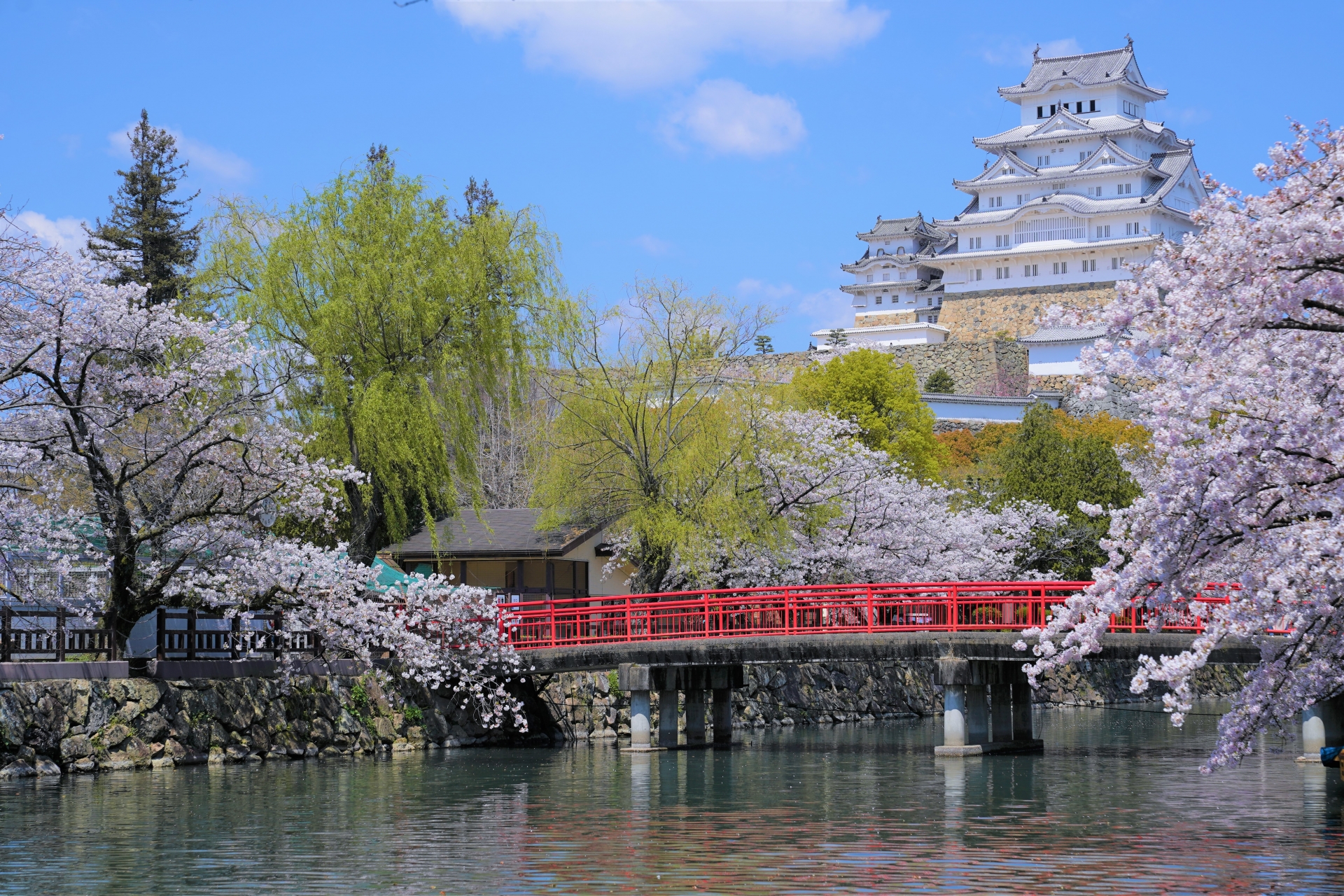
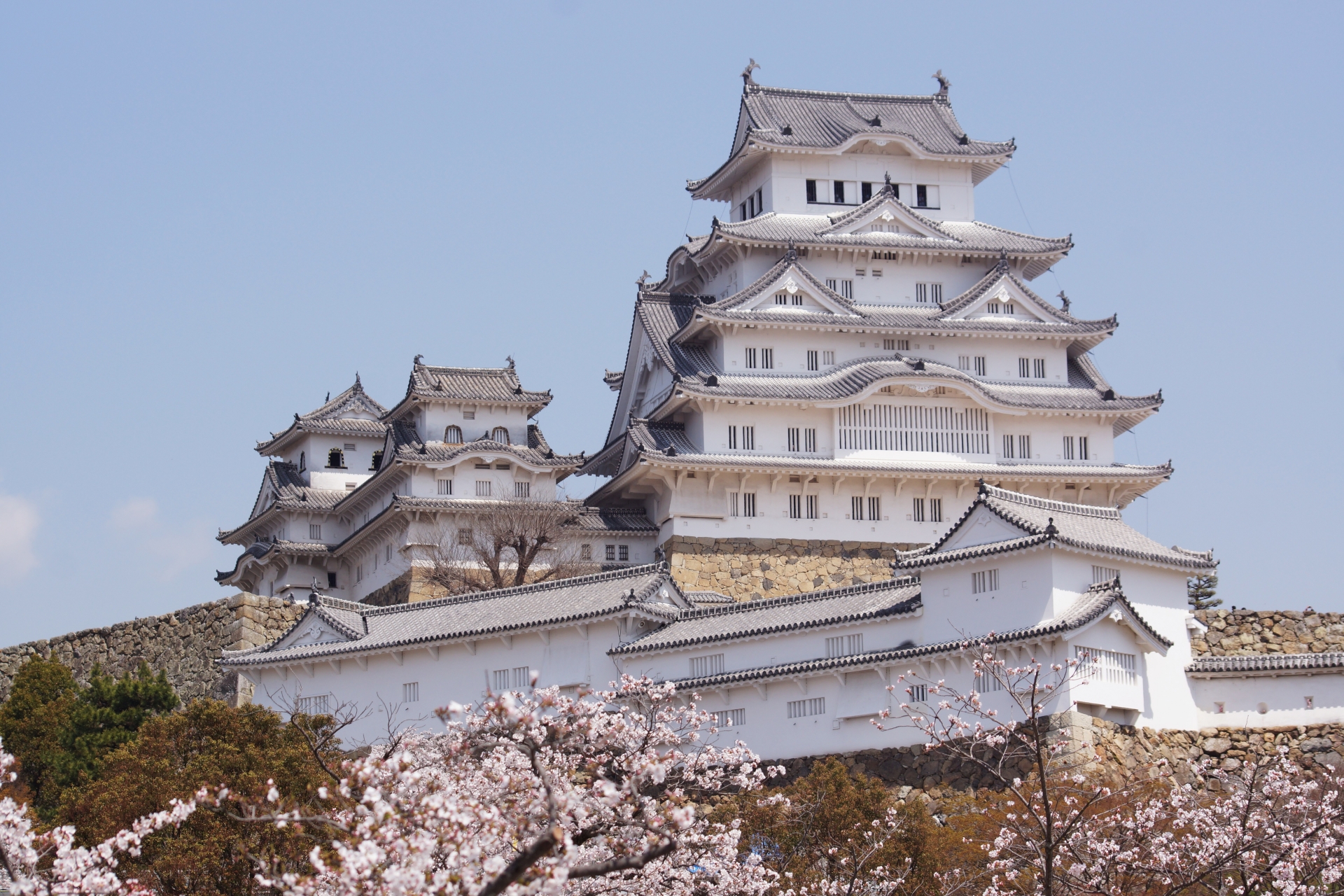
The old man next to me gasped. I looked up from my phone—probably checking some useless map—and okay, yeah. I gasped too. It was my third year in Japan, and I was standing in front of Himeji Castle during a freak late-March snowstorm. The 'White Heron' was literally glowing against a slate-gray sky. But here's the thing: I’d already 'done' five other castles that year, and I was bored out of my mind until that second. Why? Because I was treating them like checklists. I was running inside, looking at a few rusty swords, and leaving. What a waste. I realized then that the magic isn't just in the big white building; it's in the tactical paranoia of the walls and the hidden life of the surrounding town. nnTake it from me, don't just show up at Osaka Castle and think you've seen a 'castle.' Inside, it’s a modern museum with an elevator. If you want the real, soul-crushing stairs and the smell of 400-year-old cedar, you need the 'Original Twelves.' I learned this the hard way when I took a guided walking tour through the back alleys of Himeji
Top Rated
Himeji Castle & Akashi Guided Tour
Skip the confusion and dive deep into samurai tactics with a local expert. This 6-hour tour covers the hidden 'kill zones' of Himeji and the seaside history of Akashi.
You'll miss 80% of the history without a guide—I know I did my first three times.
Book Now ↗
. My guide pointed out a tiny 'suicide gate' that I had walked past three times without noticing. It changed everything. Suddenly, I wasn't looking at a pretty building; I was looking at a giant, stone-and-wood death trap designed to keep me out. That’s the vibe you want. You want to feel the Sengoku-era tension. nnI’ve spent the last few years dragging friends to Matsumoto, Hikone, and Inuyama, and every time, the reaction is the same: 'Alex, why didn't you tell us the stairs were this steep?' Seriously, my quads still scream when I think about Matsumoto’s sixth floor. But that’s the price of admission for the real deal. You’re stepping into a space where people lived, fought, and—let's be honest—probably froze to death in the winter. It’s visceral. It’s gritty. And if you do it right, it’s the highlight of your trip. Just please, for the love of everything holy, don't wear socks with holes in them. You have to take your shoes off to enter most original keeps, and I once spent an entire hour at Matsumoto trying to hide my big toe from a group of school kids. Not my finest hour.
If you're at Himeji, look for the 'Koko-en' garden right next door. Most people skip it because they're tired, but it’s actually nine different walled gardens built on the site of the former samurai houses. It’s way better than the castle interior for photos.
The Reality Check: Stairs, Socks, and Samurai Traps
Let’s talk about the 'Castle Town' or Jokamachi. This is where most tourists mess up. They see the castle and then hop right back on the Shinkansen. Big mistake. Huge. The town is where the life is. In Matsumoto, the area around the castle is packed with these 'miso' breweries and old merchant houses that make you feel like you’ve slipped through a crack in time. I once spent three hours just drinking locally brewed sake and talking to a guy who made traditional lacquerware. That’s the stuff you’ll actually remember, not the 15th display case of arrowheads. nnWhen you're planning your stay, try to find a spot that actually overlooks the moat. I stayed in a small ryokan near the Matsumoto castle grounds
Walking Distance
Stay Near the Moat
The area around Matsumoto or Himeji Station offers the best mix of traditional ryokans and modern hotels. Staying within walking distance of the castle allows for incredible sunrise photos before the crowds arrive.
Waking up to a castle view is the ultimate 'I'm in Japan' flex.
Find Hotels ↗
and waking up to see the black 'Crow Castle' reflected in the water before the crowds arrived was a religious experience. You get this silence that just doesn't exist in Tokyo or Osaka. But a word of warning: these towns can be sleepy. If you’re looking for late-night clubs, you’re in the wrong place. This is about slow-burning atmosphere. nnAlso, let's address the 'Stairs of Death.' If you have knee issues or you're carrying a heavy camera bag, some of these original keeps are going to be a nightmare. The ladders are often at a 60-degree angle. I’ve seen grown men reconsider their life choices halfway up to the top floor of Himeji. But the view? It’s worth every bead of sweat. You can see the entire defensive layout—the winding paths designed to funnel enemies into 'kill zones.' It’s brilliant and terrifying. nnOne more thing: the heat. If you go in August, you will melt. These wooden buildings have zero insulation and zero AC. I went to Inuyama Castle in mid-July once and I’m pretty sure I left a liter of sweat on the top floor. Go in autumn or spring. Trust me. The contrast of the white walls against the red maples is enough to make even the most cynical traveler reach for their camera.
Skip the main 'tourist' street for lunch. Walk two blocks further away from the castle gate. You'll find the 'salaryman' spots where the food is half the price and twice as good. Look for the 'teishoku' (set meal) signs.
The Practical Stuff: Where to Go and How to Do It
So, which one should you actually visit? If you only have time for one, it has to be Himeji. It’s the UNESCO heavyweight for a reason. It’s massive, it’s original, and it’s easy to get to from Osaka or Kyoto. But if you want something 'cool' (literally and figuratively), head to Matsumoto in the Japanese Alps. Its black exterior is unique, and the mountain backdrop is unbeatable. Osaka Castle is great for families or people who don't like stairs, but just know that it's a reconstruction—it's basically a concrete building with a castle-shaped shell. nnBudget-wise, you’re looking at around 1,000 to 1,500 yen for castle entry. That’s a steal for what you’re getting. Most places offer a 'combination ticket' that includes the local garden or a museum. Buy it. It’s usually only an extra 200 yen and it’s almost always worth it. Language support has gotten way better in the last couple of years. Most major castles now have QR codes you can scan for English audio guides on your phone. Use them! Knowing why a specific wall has square holes (for cannons) versus triangular holes (for arrows) makes the walk so much more interesting. nnDuration? Give yourself at least three hours for the castle itself and another two for the town. Don't rush this. If you’re doing Himeji, get there right when it opens at 9:00 AM. By 11:00 AM, the tour buses arrive and the 'White Heron' starts feeling like a crowded subway car. I’ve made the mistake of showing up at noon on a Saturday, and I spent more time looking at the back of people's heads than at the architecture. nnIn short: wear easy-off shoes, bring water, and keep your eyes on the walls, not just the tower. The real history is hidden in the stone foundations and the narrow alleys of the Jokamachi. It’s the closest you’ll get to being a time traveler in 2026.
Check the 'Castle Stamp' (Goshuin) at the entrance. Even if you aren't a collector, these stamps are beautiful pieces of calligraphy and make a much better souvenir than a plastic ninja sword.