Why I Obsess Over These 'Passport Stamps' for the Soul
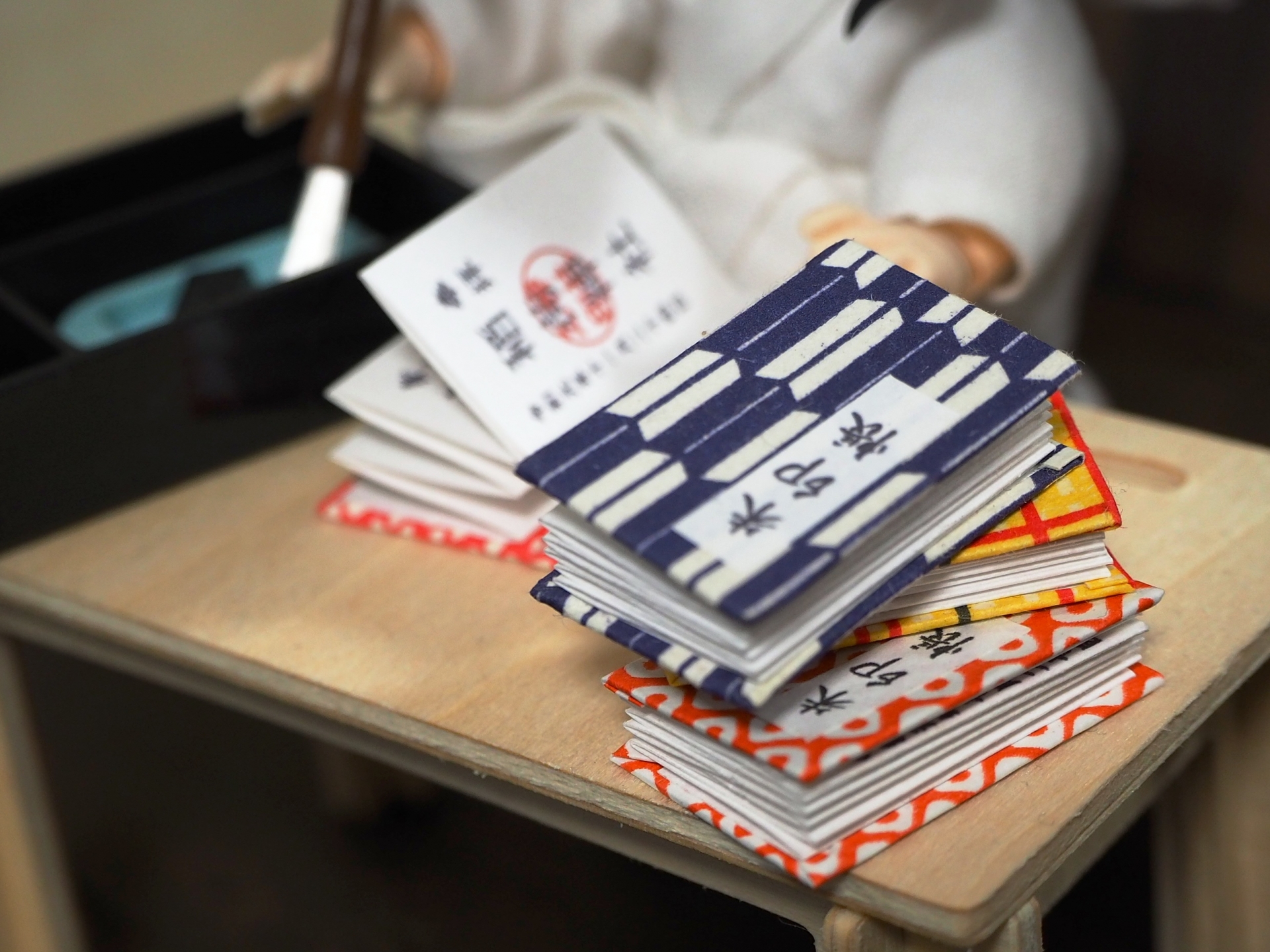
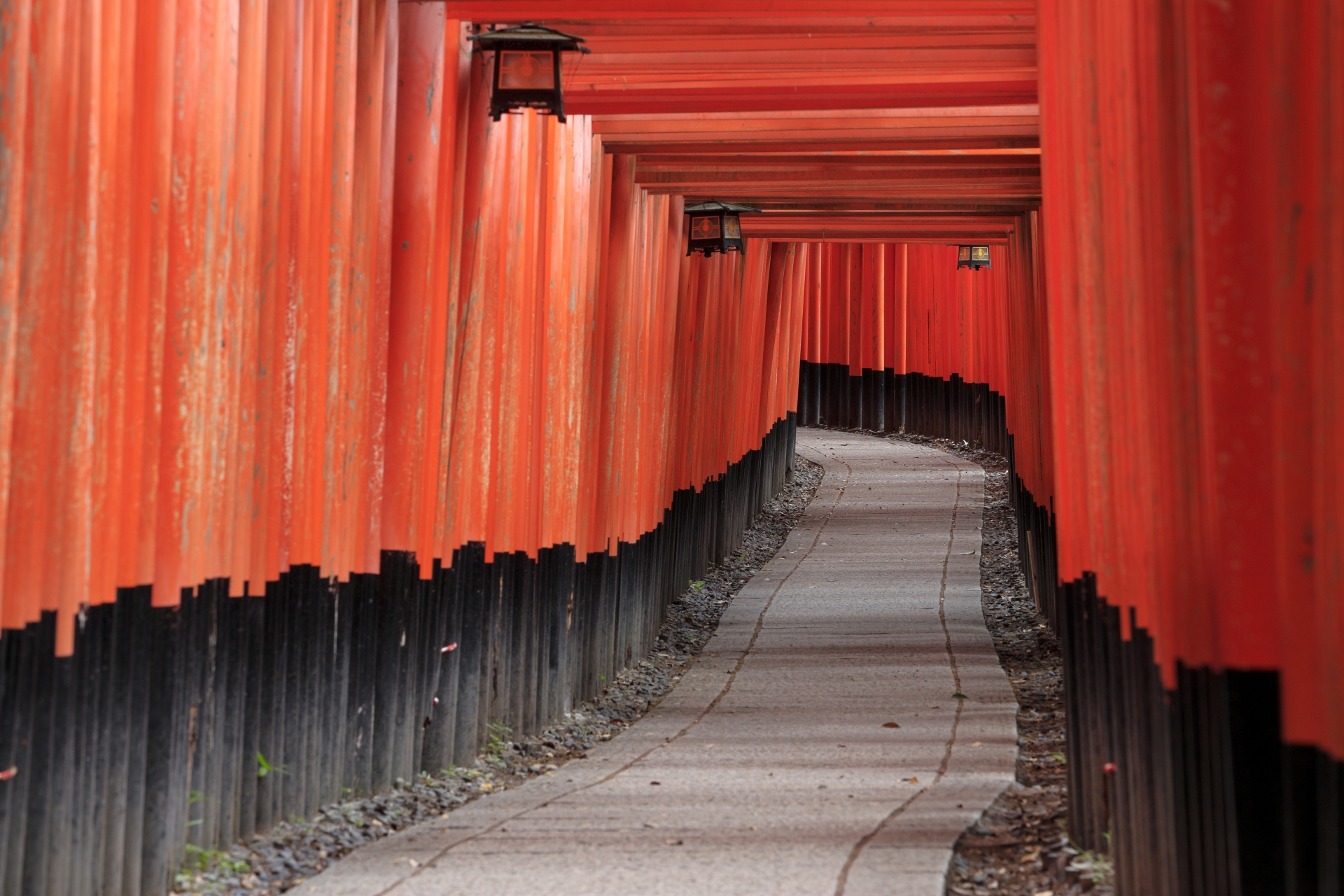
The old monk didn't even look up. He just took my accordion-style book with a grace that made my own frantic, sweaty energy feel... loud. We were in a small wooden booth at the back of a temple in Kamakura, and as he dipped a thick brush into deep black ink, the world around us just went quiet. I watched him fly across the page—sharp lines, elegant curves, and then the heavy 'thud' of the vermilion seal. That was my first Goshuin (temple stamp), and five years later, I have three books full of them. This isn't just about 'seeing' a temple; it’s about the hunt. And here's the thing: when I first moved to Tokyo in 2021, I thought temple hopping was a 'one and done' kind of deal. 'Once you've seen one golden pavilion, you've seen them all,' I told a friend. I was so wrong. The magic isn't just in the architecture; it’s in the ritual. I remember showing up at Fushimi Inari in Kyoto at 7:30 AM, thinking I was a genius for beating the crowds. There were already fifty people there. But as I climbed higher, past the influencers taking selfies at the bottom, I found a tiny sub-shrine where a priest was sweeping leaves. I got a stamp there that featured a hand-drawn fox. It’s my favorite souvenir because it reminds me of the burn in my calves and the smell of cedar. nnOn top of that, the physical sensation of the book getting heavier with every visit is weirdly satisfying. You start to notice the differences in the paper—some are thick and creamy, others are thin and almost translucent. You start to recognize the different styles of calligraphy. Some monks write with a bold, aggressive stroke that looks like it’s shouting from the page, while others have a delicate, flowing hand that feels like a whisper. If you want to actually feel the history of this place, you need a guided deep-dive into the stories behind these gates
Top Rated
Kyoto Zen & Goshuin Walking Tour
Walk through the hidden alleys of Higashiyama with a local guide who knows exactly which sub-temples have the most beautiful calligraphy. They'll handle the etiquette so you don't have to worry about the 'water hut' embarrassment.
Skip the 'lost tourist' phase and get access to quiet, private shrines that don't appear on Google Maps.
Book This Tour ↗
because, trust me, the plaques don't tell half of it. It’s the difference between looking at a painting and knowing who the artist was dating when they painted it. It’s visceral, it’s beautiful, and yeah, it’s a little bit addictive. Oh, and don't even get me started on the 'gentei' or limited edition stamps. Shrines now release special versions for the cherry blossom season, the autumn leaves, and even specific festivals. I once spent an entire Saturday trekking across three different wards in Tokyo just to get a set of four stamps that formed a single picture of a dragon when placed side-by-side. Was it a rational use of my time? Probably not. Do I regret it? Not for a second. It turns your travel into a narrative rather than just a checklist of sights.
Don't buy your Goshuin-cho (stamp book) at a souvenir shop. Buy it at the first major temple you visit—like Senso-ji or Meiji Jingu. They are higher quality and often have designs unique to that specific site.
How Not to Offend a Deity (and Other Rookie Mistakes)
Look, I’m going to be real with you: your feet are going to hurt, and you’re probably going to mess up the etiquette. I did. My first time at a 'temizuya' (the water hut where you wash your hands), I tried to drink the water directly from the ladle. A very kind Japanese grandmother looked at me with pure pity. Don't be that guy. You pour the water over your left hand, then your right, then a little in your palm to rinse your mouth. Simple, but it makes you look like you actually respect the space. You'll want to remember that these aren't just tourist attractions; they are active places of worship. nnAnd let’s talk about the 'Goshuin-cho' protocol. You don't just hand over your book and say 'one stamp, please.' You open it to the page you want, hand it over with both hands, and for the love of everything holy, do not talk or eat while the priest is writing. It’s a meditative act for them, too. I once saw a guy try to film the monk writing with a GoPro inches from his face. The monk stopped, closed the book, and handed it back unfinished. It was the most polite 'get out' I've ever witnessed. It was awkward for everyone involved. nnIf you're planning to do the big Kyoto circuit, stay somewhere central like Gion so you can walk to the shrines at sunrise before the tour buses arrive
Best Location
Stay Near the Gates in Gion
Wake up to the sound of temple bells. Staying in a traditional Machiya guesthouse in Gion puts you steps away from Yasaka Shrine, allowing you to get your stamps before the crowds arrive.
The best temple photos happen at 6:30 AM—don't waste that golden hour on a 40-minute train ride.
Find Hotels ↗
. It changes the entire vibe from 'theme park' to 'ancient sanctuary.' Also, keep a stash of 500-yen coins. Most stamps cost between 500 and 1,000 yen in 2026, and while Japan is more digital than ever, many of these 400-year-old wooden booths still only take physical coins. I once had to sprint a kilometer to a 7-Eleven just to break a 10,000-yen note because I didn't want to miss a limited-edition cherry blossom stamp. Learn from my cardio-heavy failure. Here's what most people miss: the 'kakioki.' Sometimes, the monk isn't there, or the temple is too busy to write in your book. They’ll give you a pre-written sheet of paper instead. Don't be disappointed! These are often even more elaborate, featuring gold leaf or multi-colored ink. You just glue them into your book later. I carry a small glue stick in my bag specifically for this. It sounds nerdy, but when you're standing in the rain at a mountain shrine in Nagano, you'll be glad you were prepared.
The best photo of Senso-ji isn't from the ground. Go across the street to the Asakusa Culture Tourist Information Center and head to the 8th-floor observation deck. It’s free and gives you a perfect top-down view of the Nakamise-dori street.
The 2026 Strategy: Kyoto vs. Tokyo vs. Nara
So, where do you actually start? If you're in Tokyo, Senso-ji in Asakusa is the classic choice, but it’s chaotic. If you want peace, head to Meiji Jingu at 6:30 AM. But if you're serious about the 'hopping' aspect, Kyoto is the undisputed heavyweight champion. You can hit five world-class temples in a single afternoon in the Higashiyama district. Just wear shoes you can slip on and off easily—you’ll be doing it a lot. Seriously. My record is twelve pairs of shoes off-and-on in a single day. nnIn 2026, some of the more popular temples have introduced digital queue systems for Goshuin. You scan a QR code, go explore the grounds, and get a notification when your book is ready. It’s a lifesaver. Back in 2023, I once waited two hours in the rain at a shrine in Kyoto just for a special New Year's stamp. Was it worth it? My soggy shoes said no, but the gold-leaf calligraphy on the page says yes. On top of that, Nara is the sleeper hit. Everyone goes for the deer (who are honestly kind of aggressive if you have crackers), but the Todai-ji temple is mind-blowing. The Great Buddha statue is so big it feels like it shouldn't be able to exist inside a wooden building. Most people spend two hours in Nara; I’d say give it a full day. The stamps there are bold and powerful, reflecting the 'giant' nature of the site. nnIf you're overwhelmed, start with a 'Goshuin-cho' that has a pre-printed map or guide. It helps you keep track of where you've been and what you're still missing. It turns your trip into a giant, spiritual scavenger hunt. And honestly? Even if you aren't religious, there is something deeply grounding about standing in a place that has been a site of prayer for over a thousand years. You feel small, but in a good way. I remember standing at the top of Enryaku-ji on Mt. Hiei, looking down at Lake Biwa while the temple bell tolled. I didn't understand the prayers, but I understood the peace. That’s what these stamps represent to me—not just ink on paper, but a physical anchor to a moment where I actually stopped rushing and just existed. You'll thank me later when you're back home, flipping through your book, and the smell of that specific incense comes rushing back to you. It's the best souvenir money can buy.
Look for 'gentei' (limited edition) Goshuin. Shrines often issue special colorful stamps for festivals, changing seasons, or even full moons. They are usually 'kakioki' (loose sheets) that you glue into your book later.