Kyoto
Welcome to Nishiki Market
Step beneath the kaleidoscopic glass canopy of Nishiki Market, where the air is a heavy, intoxicating perfume of toasted sesame, cedarwood smoke, and the saline whisper of the sea. For over four centuries, this narrow limestone corridor has served as the beating heart of Kyoto’s culinary identity. It is a place where time slows down amidst the rhythmic chopping of knives and the calls of vendors. Here, the 'Washoku' tradition isn't just a meal—it is a lived art form. From the tactile smoothness of handmade ceramics to the vibrant colors of seasonal pickles, Nishiki invites you on an emotional journey that nourishes the spirit as much as the palate.
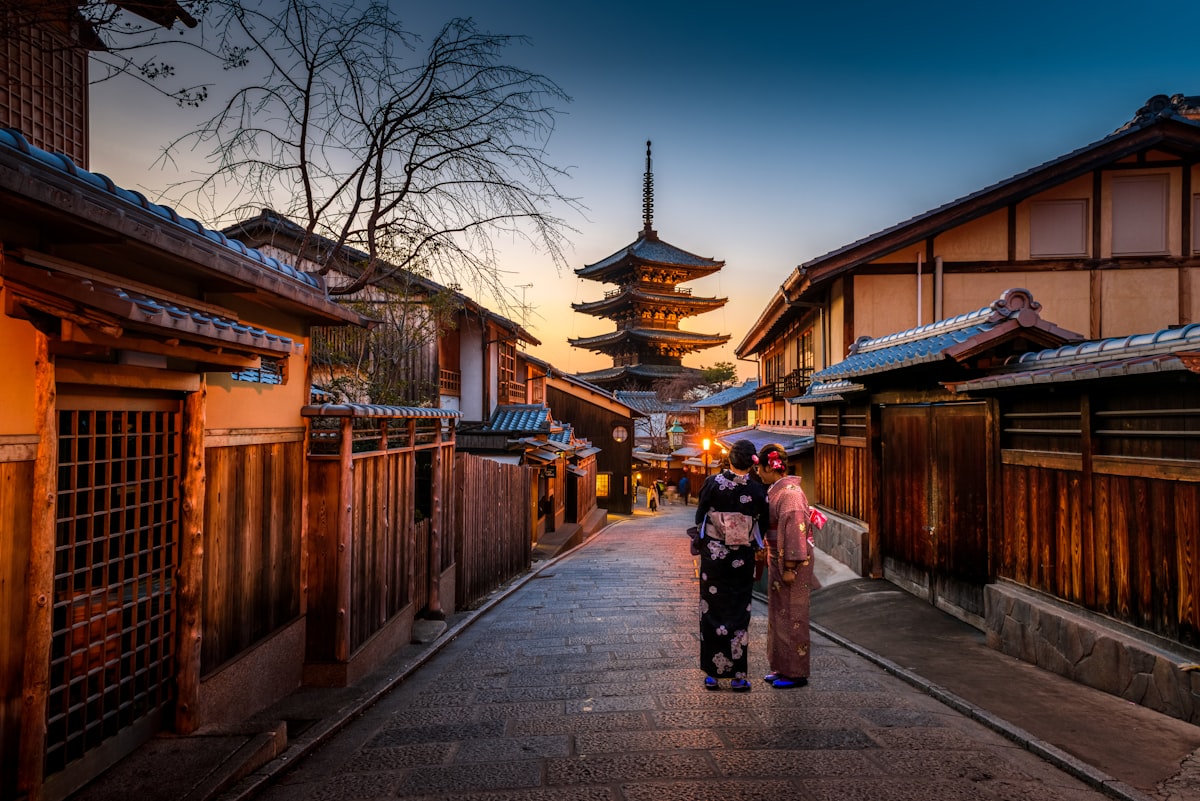
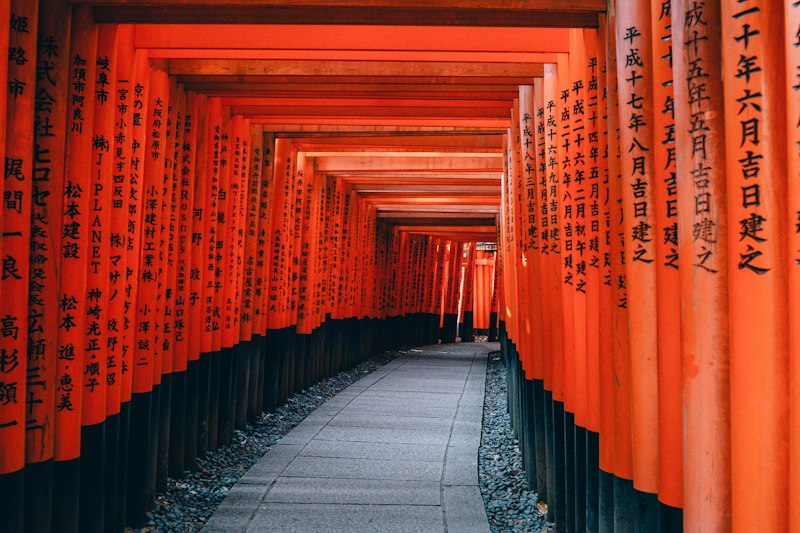
Nishiki Tenmangu Shrine
Standing as the spiritual sentinel at the market's eastern terminus, this shrine is a sanctuary of quietude amidst the bustling commerce. Dedicated to the deity of learning, the air here is thick with the scent of incense and the soft clanging of prayer bells. The architecture is a marvel of integration, with the shrine's torii gate famously piercing the walls of adjacent buildings. It is a 'power spot' where locals seek blessings for prosperity, grounding the commercial energy of the market in ancient Shinto tradition.
Aritsugu Knives
Founded in 1560 by master swordsmiths for the Imperial House, Aritsugu is a cathedral of steel. Entering this shop is like stepping back into the Sengoku period. The walls are lined with blades that catch the light with a lethal, silver grace. Each knife is a masterpiece of balance and sharpness, representing centuries of metallurgical wisdom. Watching a master smith engrave a blade is a hypnotic experience, a tactile connection to Japan’s samurai heritage that transcends mere kitchenware into the realm of high art.
The Teramachi-Nishiki Intersection
This is the precise point where the ancient soul of Nishiki meets the vibrant pulse of modern Kyoto. Standing here, you witness a mesmerizing human choreography as shoppers, monks, and travelers converge. The architecture transitions from the traditional wooden eaves of the market to the soaring, modern glass arcades of Teramachi. It is the perfect vantage point to observe the 'living museum' of Kyoto—a place where the 16th and 21st centuries exist in a seamless, bustling harmony that defines the city's unique character.
Local Soul Food
Tastes you can't find anywhere else.
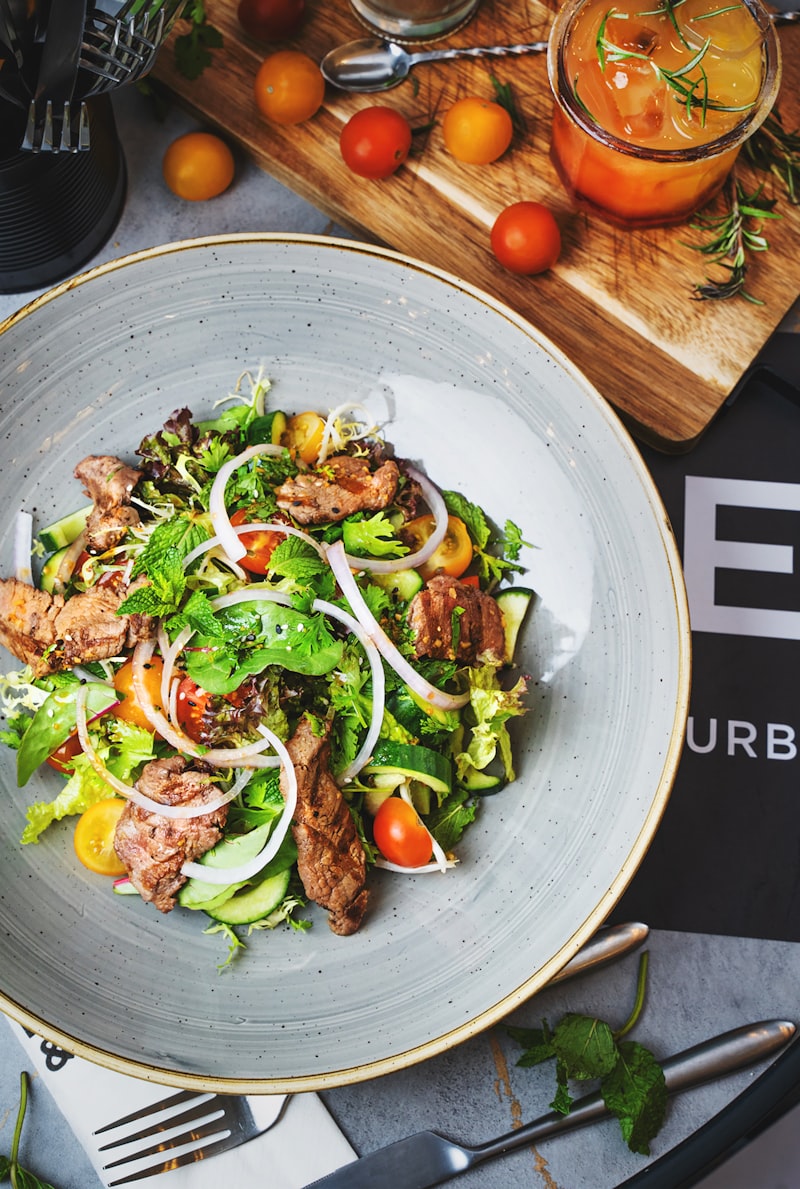
Tako Tamago
A visual and textural marvel, this baby octopus is glazed in a sweet soy reduction and stuffed with a creamy, hard-boiled quail egg. The first bite offers a delightful resistance from the tender tentacle, followed by the rich, buttery melt of the yolk. It is the quintessential Nishiki street snack, balancing savory, sweet, and umami in one vibrant, red-hued bite.
Hamo Tempura
Kyoto's summer delicacy, the daggertooth pike conger, is transformed into a cloud-like indulgence. The fish is meticulously deboned using the 'hone-kiri' technique and flash-fried in a delicate batter. It shatters upon impact, revealing a snow-white, flaky interior that tastes of the pure, cool waters of the region. A light dusting of matcha salt elevates the experience to sublime heights.
Soy Milk Doughnuts
These ethereal, bite-sized rings are a revelation of texture. Fried to a perfect golden hue using fresh soy milk from the market's tofu masters, they are crisp on the outside and remarkably airy within. The subtle sweetness of the soy is sophisticated and light, leaving a gentle, nutty aftertaste that pairs perfectly with a cup of hot roasted hojicha.
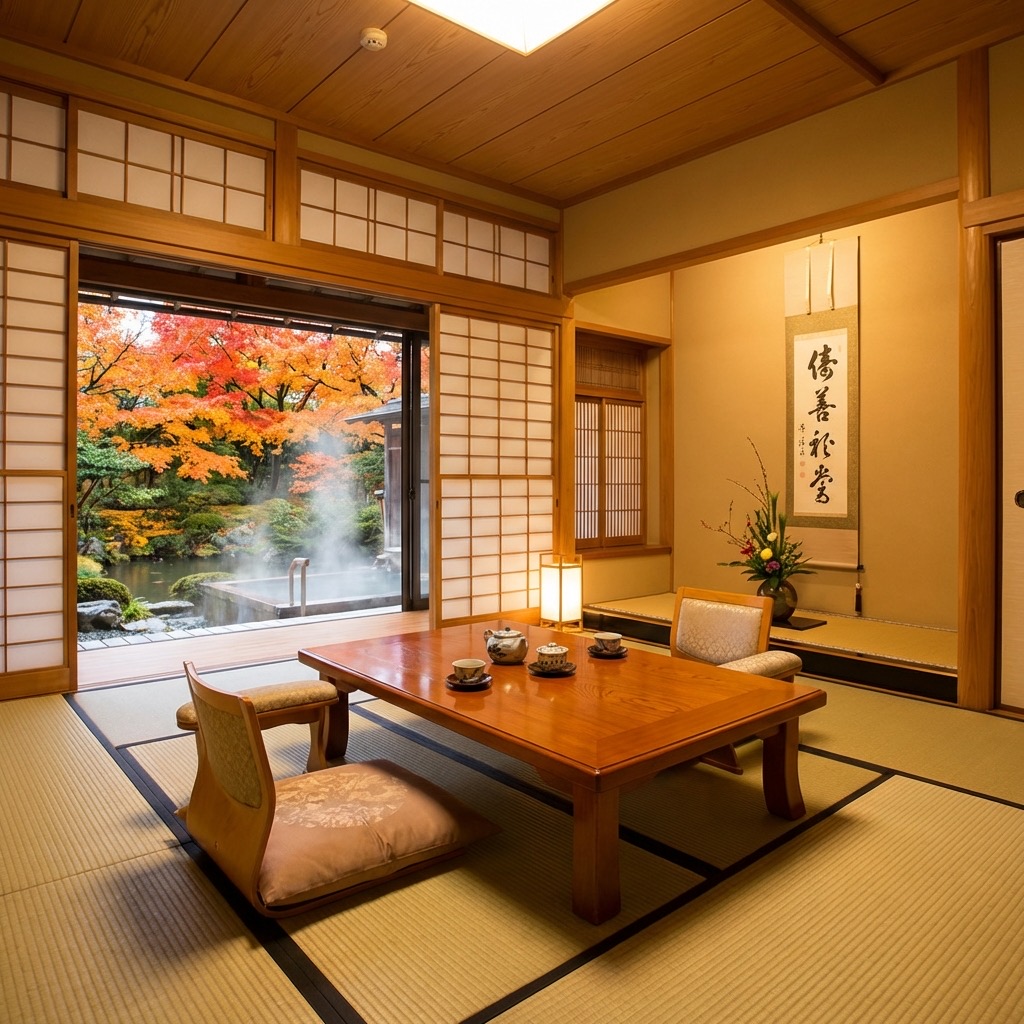
Premium Stays
To truly capture the essence of Kyoto, stay in the Nakagyo Ward near Nishiki. This central location allows you to experience the market's early morning preparations and its atmospheric evening transformation, all while being minutes away from the Kamo River.
Getting There
The market is a 5-minute walk from Shijo Station on the Karasuma Subway Line or Karasuma Station on the Hankyu Kyoto Line. Trains run every few minutes; avoid buses during peak hours due to heavy traffic.
FAQ
Inspired?
Share this destiny with someone special.