Welcome to Kurashiki Bikan Historical Quarter
Step into a living ink wash painting where the fragrance of aged cedar and the cool breath of the Takahashi River converge. Kurashiki is not merely a destination; it is a sensory sanctuary. Here, the stark contrast of white-plastered storehouses against the deep indigo of the canal creates a visual rhythm that slows the heart. Feel the smooth texture of centuries-old stone beneath your feet and hear the rhythmic dip of a wooden oar in the water. This is a place where the Edo period's commercial soul meets a sophisticated modern aesthetic, offering a profound sense of peace and a connection to Japan’s artisanal heritage that is increasingly rare in our fast-paced world.
Achi Shrine
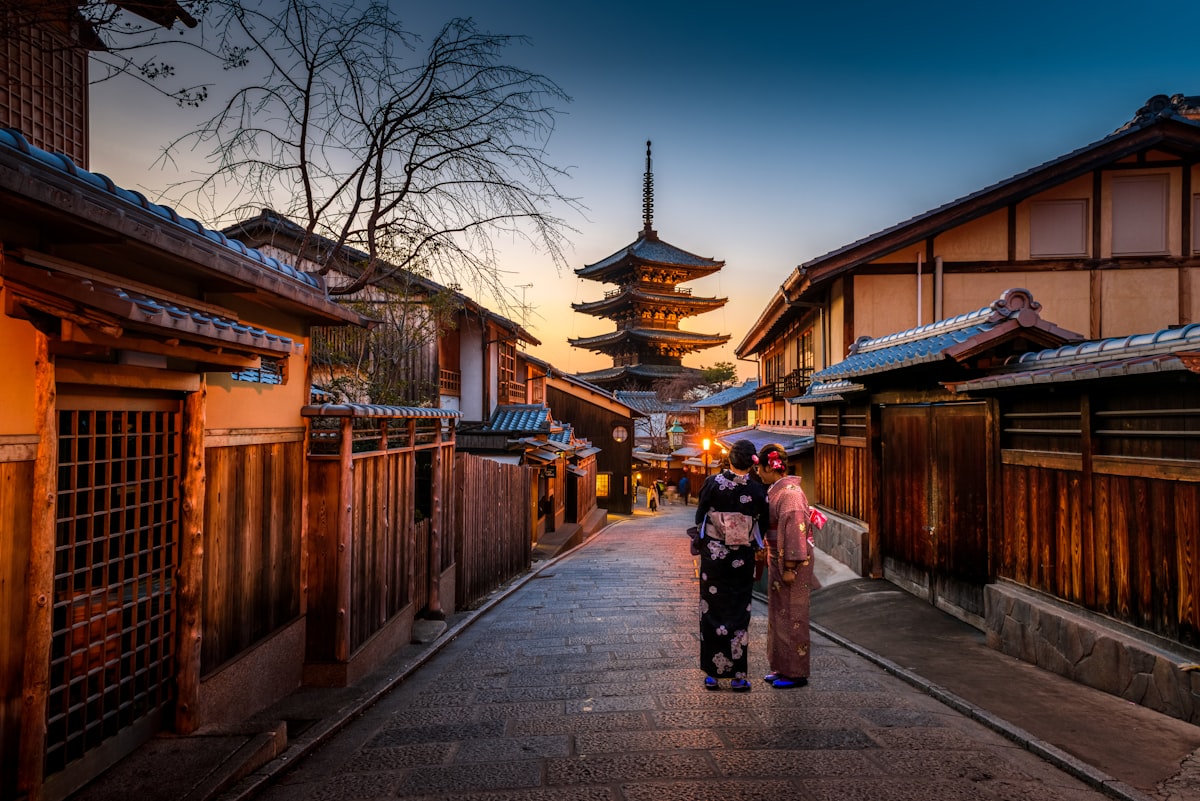
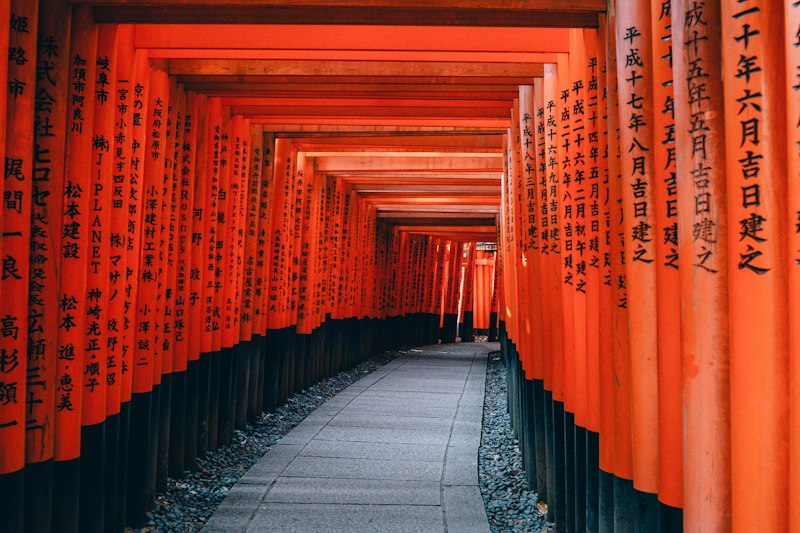
Perched atop Tsurugata-yama, this ancient sanctuary offers a spiritual ascent above the bustling Bikan District. As you climb the stone steps, the air cools and the scent of ancient wisteria fills your lungs. The shrine is home to the 'Kage-ishi' or shadow stones, believed to be inhabited by deities. Standing here, looking out over the tiled roofs of the city, you feel a profound connection to the divine. The ancient wisteria trellis, over 500 years old, blooms in a violet cascade that feels like a bridge to another realm.
Ohara Museum of Art
A neoclassical temple of culture standing boldly amidst traditional Japanese architecture. Inside, the air is heavy with the scent of oil paint and history. You are greeted by El Greco’s 'Annunciation,' its vibrant colors a stark, beautiful contrast to the monochromatic streets outside. The museum represents a bridge between East and West, housing masterpieces by Monet and Matisse. Walking through the Greek-inspired columns, you feel the weight of Okayama's industrial legacy transformed into a gift of timeless beauty for the public soul.
Ivy Square
Once a spinning mill, this red-brick complex is now draped in a lush, emerald velvet of climbing ivy. The red bricks radiate a gentle warmth in the afternoon sun, a tactile reminder of the Meiji era's industrial ambition. The courtyard is a masterpiece of light and shadow, where the rustle of leaves provides a soothing soundtrack. It is a place of rebirth, where heavy industry has softened into a cultural hub of museums, workshops, and artisanal boutiques that celebrate the enduring spirit of Kurashiki’s craftsmanship.
Local Soul Food
Tastes you can't find anywhere else.

Kurashiki Bara-sushi
A vibrant mosaic of the Seto Inland Sea. Imagine the saline pop of marinated octopus, the buttery melt of locally caught Spanish mackerel, and the sweet crunch of lotus root over vinegared rice. This dish was born from an Edo-period decree of frugality, where locals hid lavish ingredients beneath a layer of egg to deceive the authorities. Each bite is a hidden treasure of maritime flavors.
Okayama White Peach Parfait
A sensory explosion of summer. The fruit is so delicate it must be handled with silk gloves; its flesh is a snowy white that yields to the slightest pressure, releasing a floral nectar that coats the palate. Layered with artisanal jersey milk cream and tart raspberry coulis, this is not just a dessert—it is the very essence of Okayama’s sun-drenched orchards captured in glass.
Murasaki-imo Soft Serve
A street-side classic with a sophisticated twist. This purple sweet potato soft serve offers an earthy, chestnut-like sweetness and a velvety, dense texture that lingers. The scent of toasted skin and sugar follows you through the Bikan alleys. It is the perfect companion for a stroll, providing a cool, creamy contrast to the warm, humid air of a Japanese afternoon.
Premium Stays
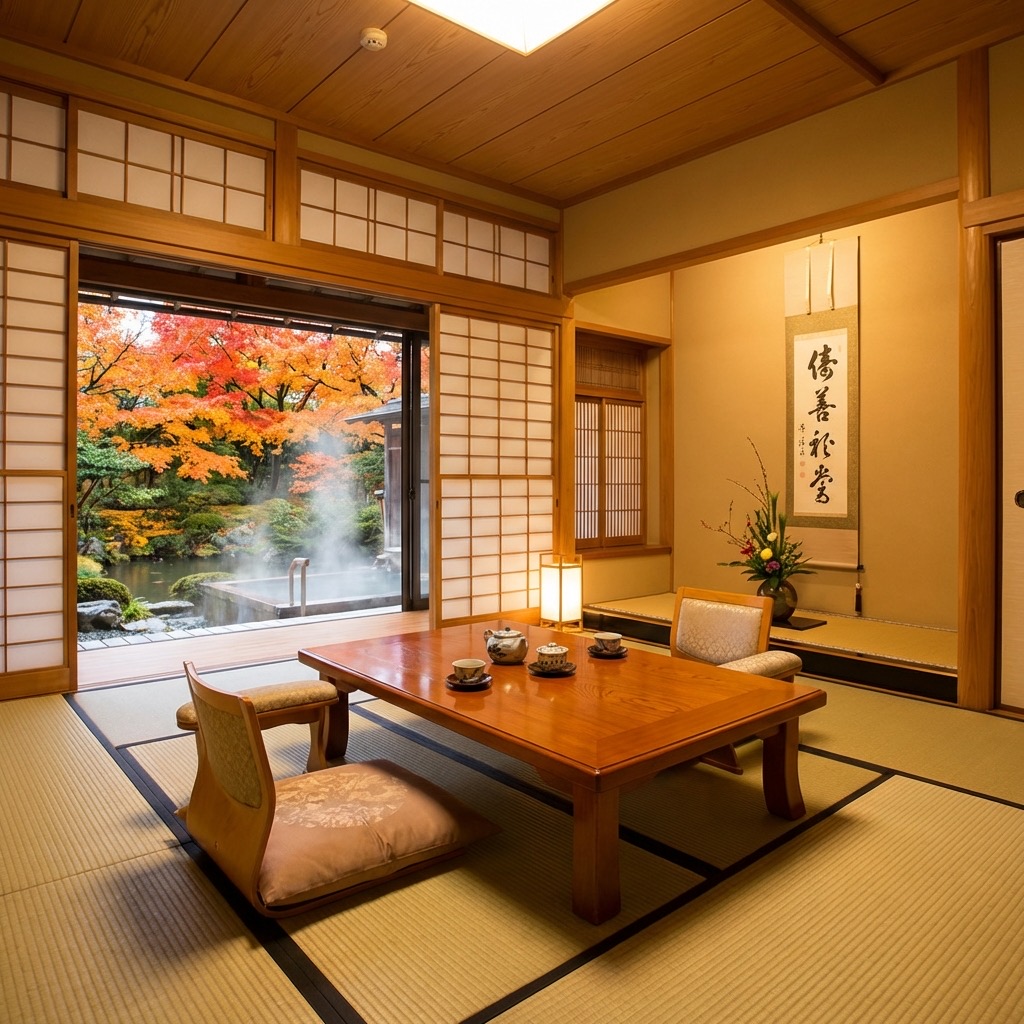
To truly absorb the soul of Kurashiki, stay within the Bikan Historical Quarter. As the day-trippers depart, the district transforms into a silent, lantern-lit dreamscape that belongs only to the residents and the lucky few who remain.
Getting There
From Okayama Station, take the JR Sanyo Line to Kurashiki Station (runs every 10-15 minutes). From the station, the Bikan District is a flat, 10-minute walk through a charming covered shopping arcade.
FAQ
Inspired?
Share this destiny with someone special.