Chiba
Welcome to Tateyama
Tateyama is not merely a destination; it is a sensory awakening at the southern tip of the Boso Peninsula. Here, the saline mist of the Pacific Ocean mingles with the scent of ancient incense drifting from cliffside temples. As a premier travel consultant, I invite you to a land where the horizon is painted in hues of indigo and gold. This is a realm of 'Power Spots'—geographic anchors of spiritual energy—where the rhythmic pulse of the tide dictates the pace of life. Whether you are seeking the contemplative silence of a hidden shrine or the vibrant, buttery melt of premium local seafood, Tateyama offers an escape that resonates deep within the soul, far from the neon-lit exhaustion of the Tokyo metropolis.
Daifuku-ji (Gake-no-Kannon)
Defying gravity, this vibrant vermilion temple is carved directly into the face of Funagata Mountain. As you ascend the stone steps, the air grows cooler, and the scent of aged cedar intensifies. Reaching the observation deck, you are rewarded with a breathtaking panorama of Tateyama Bay. The architectural prowess displayed here, merging man-made devotion with raw geological power, creates a profound sense of awe. It is a place where the barrier between the earthly and the divine feels remarkably thin, offering visitors a moment of absolute clarity and peace.
Awa Jinja Shrine
Steeped in over 2,600 years of legend, Awa Jinja is the premier 'Power Spot' for those seeking prosperity and creative inspiration. Walking through the towering white torii gate, the silence is heavy and respectful, broken only by the crunch of gravel beneath your feet. The shrine is dedicated to the gods of industry and weaving, nestled within a lush forest that filters the sunlight into dancing patterns of emerald. The energy here is palpable—a grounding, ancient force that revitalizes the weary traveler and connects them to Japan’s foundational myths.
Okinoshima Island
Connected to the mainland by a slender sandbar, Okinoshima is a pristine uninhabited island that feels like a secret garden in the sea. The island is ringed by crystal-clear waters and coral reefs, rare for this latitude. Wander through the coastal forest of 'Tabunoki' trees, their twisted branches reaching out like ancient guardians. The touch of the smooth, sun-warmed sea glass found on its shores and the sight of small sea caves carved by the waves make this an explorer’s paradise. It is the perfect finale to a Tateyama journey, blending rugged nature with serene isolation.
Local Soul Food
Tastes you can't find anywhere else.

Tateyama Kaisendon
A masterclass in ocean-to-table dining. This bowl features a mosaic of the morning's catch: the buttery melt of premium uni, the snap of local sea bream, and the rich, fatty silkiness of tuna. Each bite is a concentrated burst of saline sweetness, seasoned with freshly grated wasabi that awakens the palate without overwhelming the delicate flavors of the fish.
Boso Sangayaki
A traditional fisherman's delicacy, this dish consists of minced horse mackerel mixed with miso, ginger, and green onions, then grilled inside an abalone shell. The aroma of toasted miso and charred aromatics is intoxicating. The texture is firm yet juicy, offering a savory, umami-rich experience that tells the story of Tateyama's rugged coastal heritage in every mouthful.
Peanut Soft Serve
Chiba is Japan's peanut capital, and this dessert is the ultimate indulgence. The cream is dense and velvety, infused with the deep, roasted earthiness of high-quality peanuts. It is topped with crushed nuts for a satisfying crunch. The balance of salty and sweet is perfectly calibrated, making it a refreshing treat after a day of coastal exploration.
Premium Stays
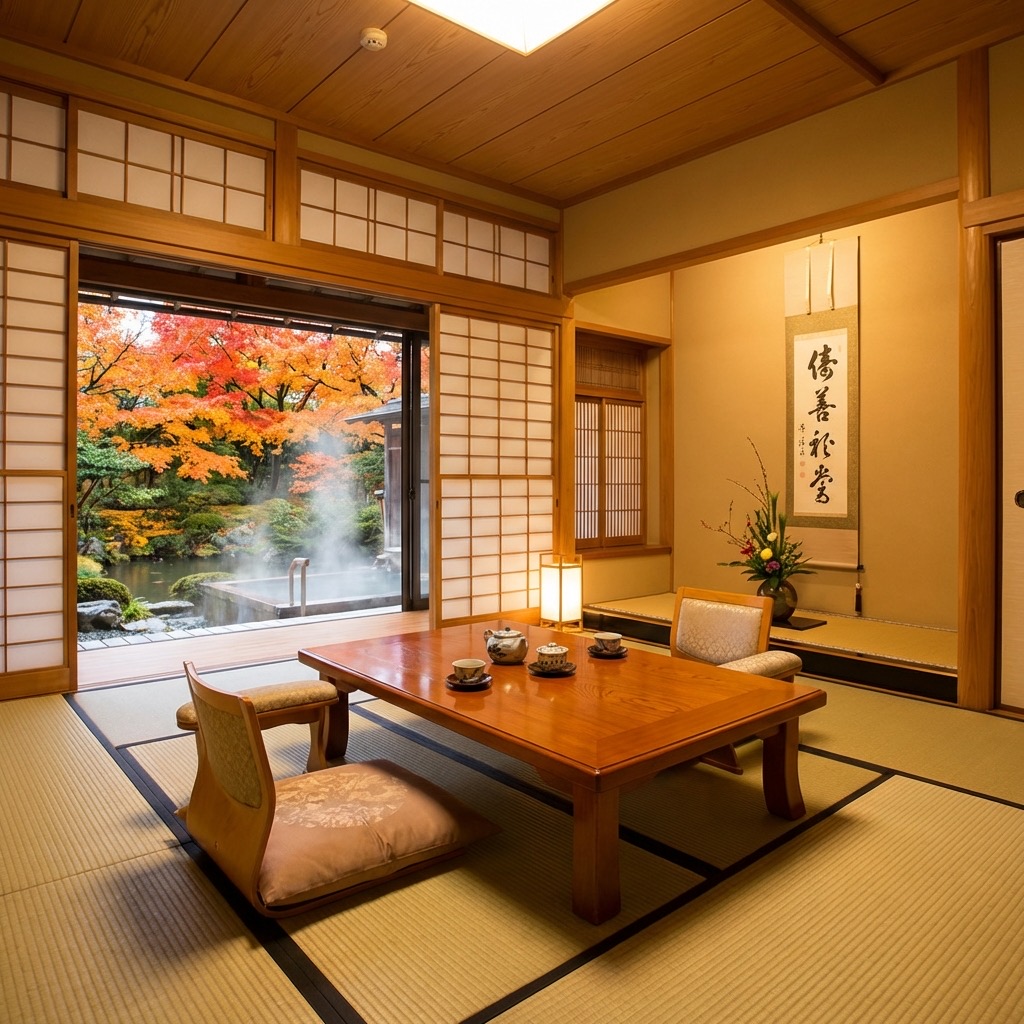
For the ultimate immersion, I recommend staying along the western coast. This area offers the most dramatic sunset views over the bay and provides easy access to the region's top seafood dining and spiritual sites.
Getting There
From Tokyo Station, take the 'Boso Nanohana' Express Bus directly to Tateyama Station. Alternatively, use the JR Sazanami Limited Express train. Once in Tateyama, local buses are available but infrequent; renting a bicycle or car is highly recommended for flexibility.
FAQ
Inspired?
Share this destiny with someone special.