Tokyo
Welcome to Senso-ji Temple
Step through the Kaminarimon Gate and leave the relentless pulse of modern Tokyo behind. Senso-ji is not merely a temple; it is a sensory tapestry woven with the scent of burning sandalwood, the rhythmic clatter of wooden geta on stone paths, and the vibrant crimson of the Main Hall. As Tokyo’s oldest temple, it serves as a spiritual anchor where thousands seek blessings under the watchful gaze of Kannon, the Goddess of Mercy. To visit here is to witness the soul of Japan—a profound intersection of deep-rooted tradition and the unwavering hope of those who come to toss coins and offer prayers in the swirling incense smoke.
Kaminarimon Gate
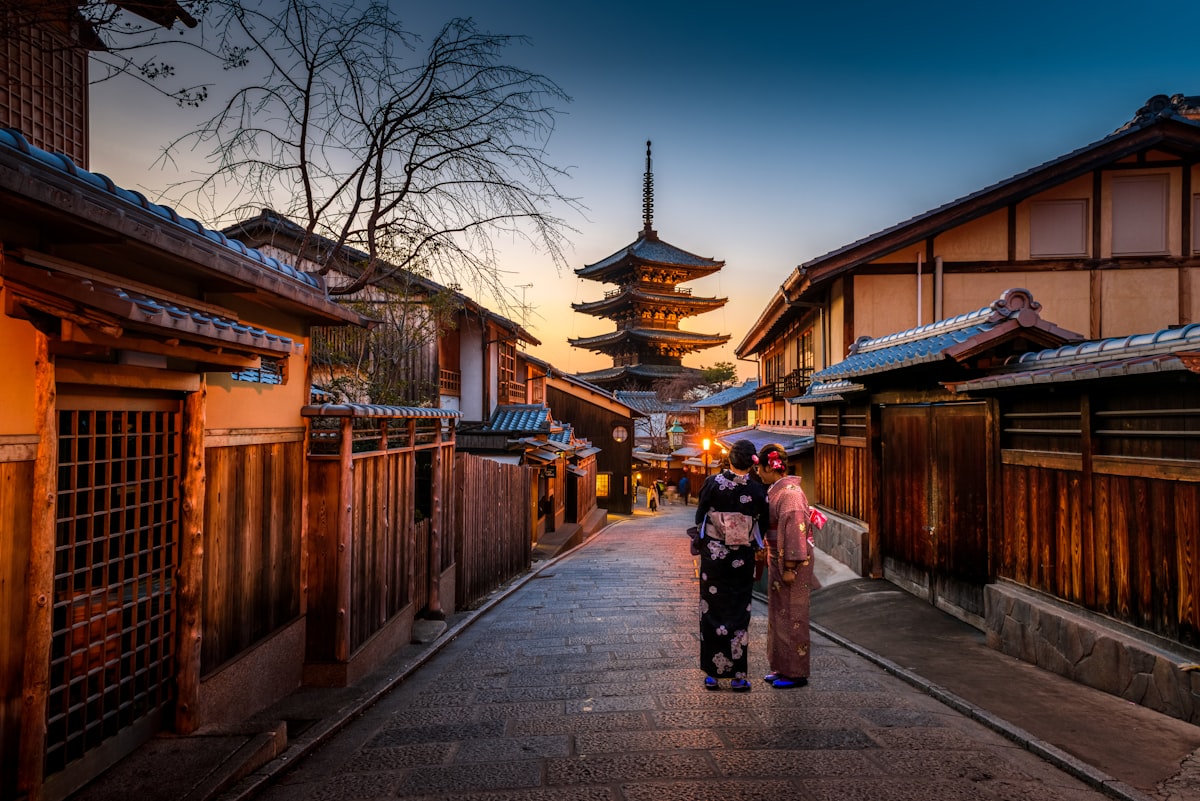
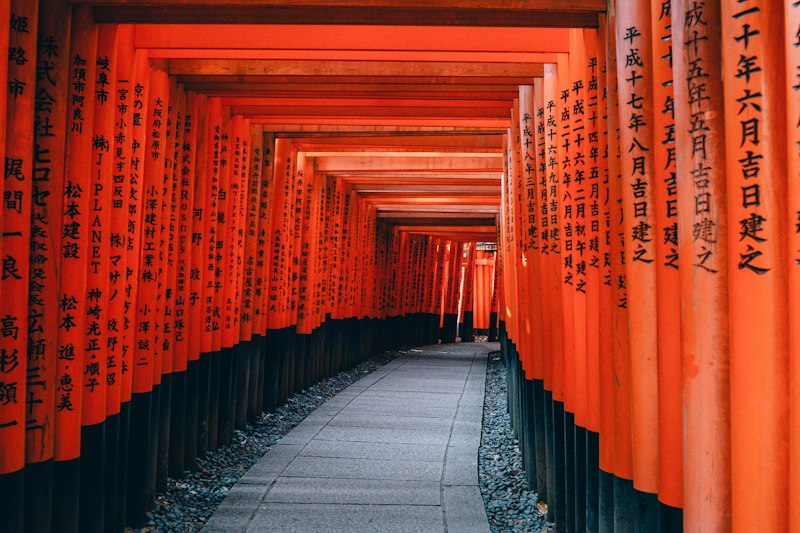
The 'Thunder Gate' stands as a formidable sentinel to the Asakusa district. Its massive red lantern, weighing over 700 kilograms, commands respect and marks the threshold between the mundane and the sacred. Flanked by the statues of Fujin (Wind God) and Raijin (Thunder God), the gate offers a powerful architectural statement. Standing beneath it, one feels the weight of centuries of history. It is the definitive starting point for any spiritual journey into Asakusa, providing a grand entrance that demands your full attention and a moment of quiet reflection.
Nakamise-dori
Stretching 250 meters from the outer gate to the inner sanctum, Nakamise-dori is a vibrant corridor of commerce and tradition. The air here is thick with the sweet aroma of freshly toasted rice crackers and the sugary scent of Ningyo-yaki. Each stall is a treasure trove of Edo-style crafts, from delicate folding fans to intricate kimonos. This is the pulse of old Tokyo, where the energy of the marketplace meets the devotion of the pilgrimage. Navigating this path is an essential sensory experience that bridges the gap between the city and the sanctuary.
Hondo (Main Hall)
The Hondo is the spiritual climax of Senso-ji, a magnificent structure rebuilt with architectural reverence. Inside, the golden altar glitters under soft lighting, housing the sacred image of Kannon. The atmosphere is heavy with the collective whispers of worshippers and the resonant chime of the prayer bell. Look up to see the stunning ceiling paintings of dragons and lotus flowers, which watch over the faithful. This is the 'Power Spot' of the complex, where the spiritual energy is most palpable, offering a sanctuary of peace amidst the urban chaos.
Local Soul Food
Tastes you can't find anywhere else.

Freshly Grilled Senbei
Experience the crunch of tradition with hand-pressed rice crackers. Glazed with a secret soy sauce recipe and grilled over white charcoal, these crackers offer a smoky, savory depth that yields to a satisfying snap. The warmth of the cracker against your palm and the salty-sweet aroma are the quintessential tastes of an Asakusa afternoon.
Ningyo-yaki Cakes
These small, doll-shaped sponge cakes are filled with a velvety, rich red bean paste. Baked in iron molds, they have a delicate, buttery exterior that melts on the tongue, releasing a gentle sweetness. Watching the masters flip the molds with rhythmic precision is as much a treat for the eyes as the cakes are for the palate.
Asakusa Unagi (Eel)
Indulge in the buttery melt of premium freshwater eel, slow-grilled over binchotan charcoal and basted in a rich, caramelized tare sauce. The skin is perfectly charred to a crisp finish, while the flesh remains succulent and tender. Served over a bed of pearlescent steamed rice, it is the ultimate luxury comfort food of the Edo period.
Premium Stays
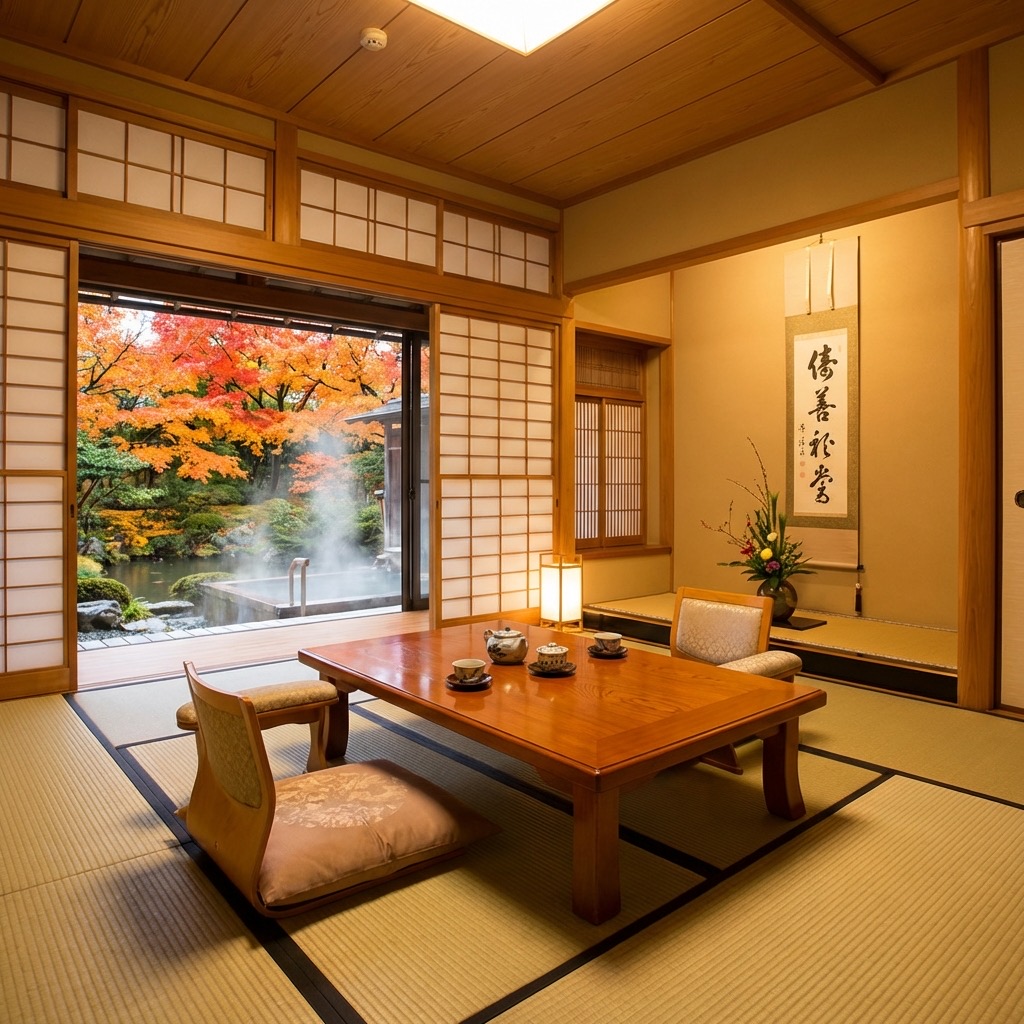
Asakusa offers a unique blend of heritage and hospitality. For the ultimate experience, stay near the temple to witness the grounds illuminated at night after the day-trippers have departed.
Getting There
The temple is easily accessible via the Asakusa Station on the Ginza Line, Asakusa Line, and Tobu Skytree Line. From the station, it is a brief 5-minute walk. Trains are frequent, running every few minutes.
FAQ
Inspired?
Share this destiny with someone special.