Shizuoka
Welcome to Miho no Matsubara
Step into a living ukiyo-e print at Miho no Matsubara, where seven kilometers of volcanic black sand meet the crystalline Suruga Bay. This isn't merely a scenic coastline; it is a spiritual sanctuary where 30,000 ancient pine trees stand as silent sentinels before the majestic silhouette of Mount Fuji. The air here is thick with the scent of sea salt and aged timber, echoing the celestial legend of the Hagoromo. As a World Heritage site, it offers a rare, visceral connection to Japan’s artistic soul. Whether you are tracing the 'Kami-no-michi' boardwalk or feeling the rhythmic pulse of the Pacific, the profound stillness here promises a transformative journey for the discerning traveler seeking beauty beyond the ordinary.
Kami-no-Michi (The Path of the Gods)
A 500-meter elevated boardwalk flanked by towering, 400-year-old pine trees leads you from Miho Shrine to the coast. The filtered sunlight creates a cathedral-like atmosphere as you walk above the delicate roots. This sacred corridor is designed to welcome the deities from the sea, and walking it feels like a purification ritual. The soft creak of timber underfoot and the gradual crescendo of crashing waves build an anticipation that is nothing short of cinematic.
The Hagoromo-no-Matsu (The Celestial Pine)
This legendary pine tree is the centerpiece of the coast, said to be where a celestial maiden once hung her feathered robe. Now in its third generation, the tree stands as a symbol of eternal beauty. Standing before it, one can almost see the shimmering of the divine fabric against the dark bark. It is a focal point for the annual Noh performances, where the boundary between the human and spirit worlds blurs against the backdrop of the white-capped waves.
Miho Lighthouse (The Blue Vista)
As Japan's first reinforced concrete lighthouse, this elegant white structure offers a striking contrast to the deep greens of the pine forest and the azure of the bay. From this vantage point, the panoramic view of Mount Fuji rising behind the jagged coastline is unparalleled. It is the perfect spot to witness the sheer scale of the Suruga Bay, the deepest in Japan, as the horizon melts into the sky in a symphony of blue.
Local Soul Food
Tastes you can't find anywhere else.
Shizuoka Oden
Unlike the pale broths found elsewhere, this local delicacy features a dark, soy-infused beef tendon stock that has been simmered for decades. Each skewer is dusted with a savory powder of ground fish and seaweed. The flavor is a deep, umami-rich embrace—the ultimate comfort food after a brisk coastal walk. The Kuro-hanpen (black fish cake) provides a unique, slightly gritty texture that is addictive.
Sakura Shrimp (Sakura-ebi) Tempura
Found only in Suruga Bay, these tiny, translucent pink shrimp are fried into a light, lacy kakiage. The crunch is delicate, releasing a burst of sweet, oceanic essence that tastes like the sea at dawn. The fragrance is intoxicating—toasted nuttiness paired with a saline sweetness that requires nothing more than a pinch of sea salt to reach perfection.
Shizuoka Matcha Soft Serve
Shizuoka is the heart of Japan's tea production, and this soft serve is the gold standard. It features a high concentration of premium stone-ground matcha, offering a sophisticated bitterness that is perfectly balanced by the creamy richness of local Hokkaido milk. The texture is velvet on the tongue, leaving a lingering, grassy sweetness and a vibrant emerald hue that is a feast for the eyes.
Premium Stays
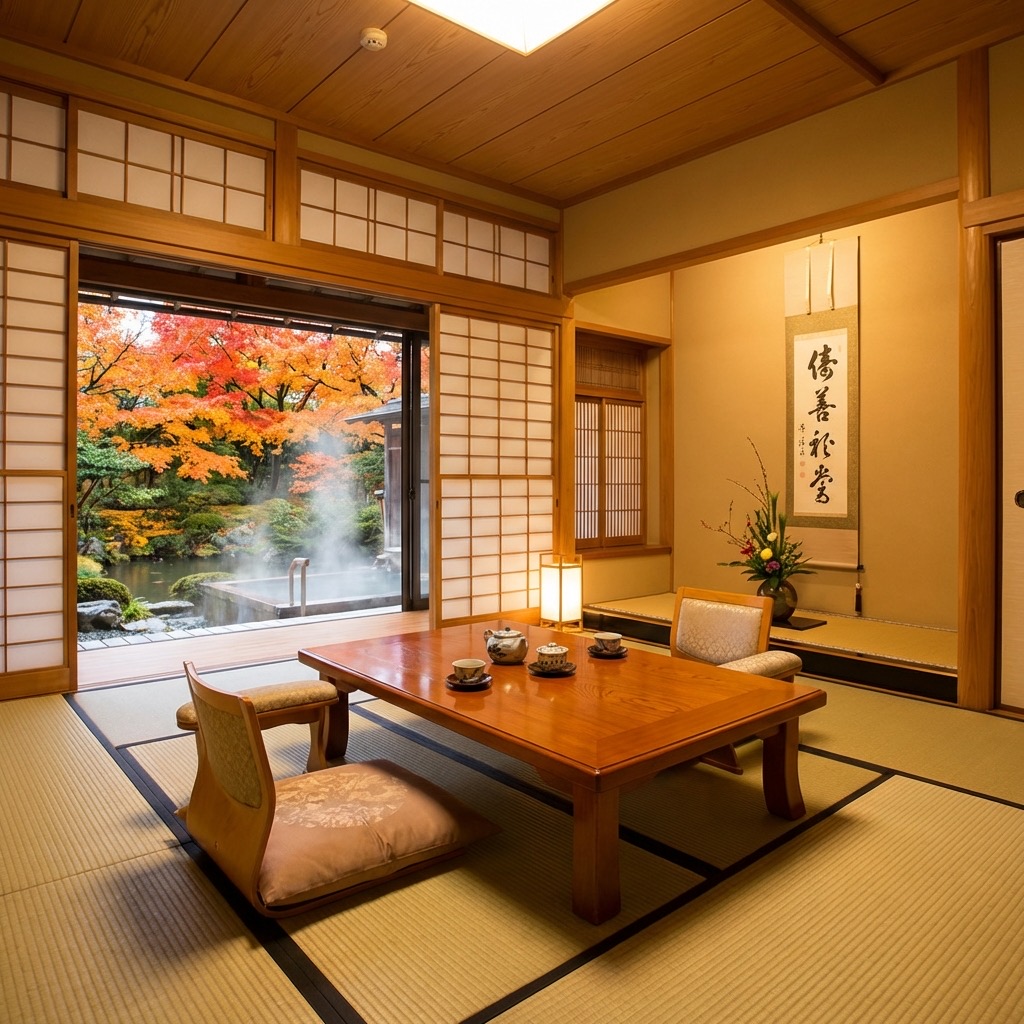
For the ultimate experience, stay in the Miho Peninsula area to witness the sunrise over Fuji, or choose Shimizu for better access to high-end dining and transit.
Getting There
Take the JR Tokaido Line to Shimizu Station. From there, board the Shizuoka Railway bus bound for Miho-Shako and alight at Miho-no-Matsubara Iriguchi. Buses run every 20 minutes.
FAQ
Inspired?
Share this destiny with someone special.