Welcome to Omiya-cho
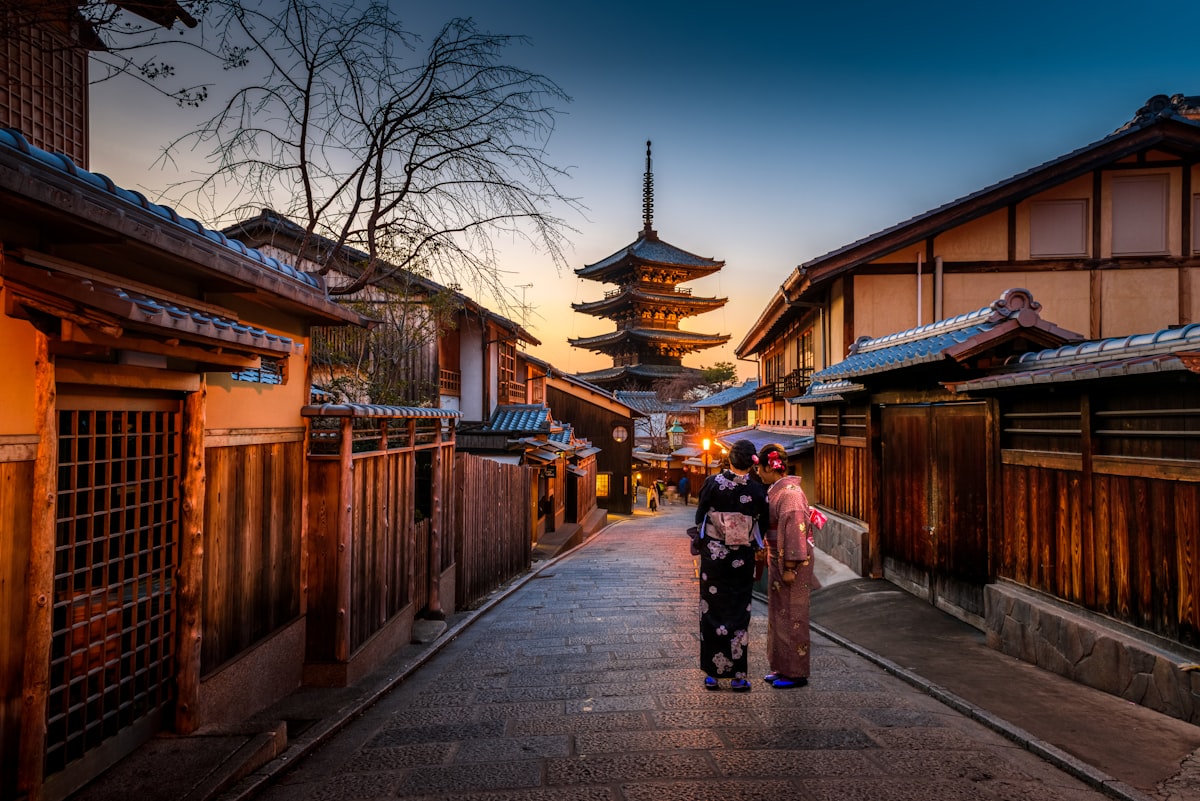
Nestled in the spiritual embrace of Fujinomiya, the Omiya-cho district serves as the gateway to the divine. Here, the air is thick with the scent of ancient cedar and the crisp, saline clarity of spring water filtered through volcanic rock. To walk these streets is to trace the footsteps of centuries of pilgrims seeking the grace of Mount Fuji. It is a place where time slows, allowing the soul to breathe amidst the rhythmic chanting of shrines and the gentle babble of sacred streams. Omiya-cho isn't just a destination; it is a profound sensory awakening that connects the earthly to the eternal.
Fujisan Hongu Sengen Taisha
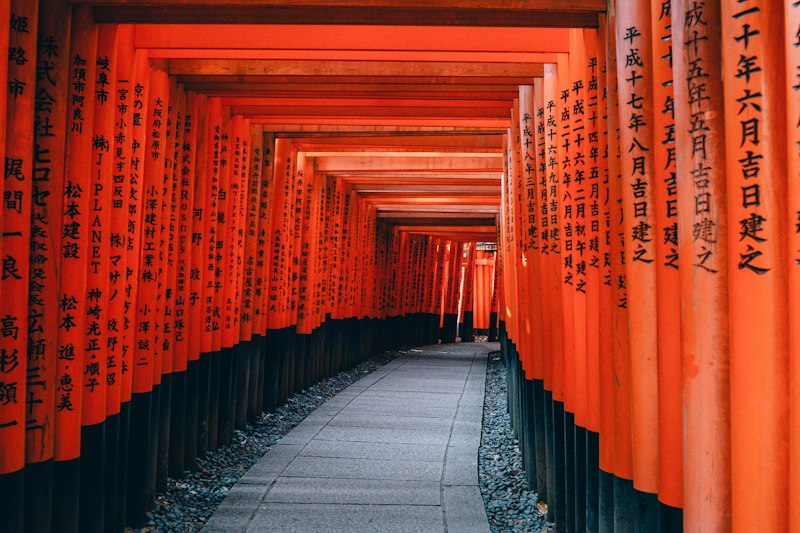
The head shrine of over 1,300 Sengen shrines, this architectural masterpiece radiates a quiet power. The vermillion lacquer of the inner shrine glows with an ethereal light against the backdrop of the mountain. Walking through the gate, you feel a palpable shift in energy—a cooling of the skin and a grounding of the spirit. It is the definitive 'Power Spot' where the goddess of Mount Fuji is said to reside, offering protection and prosperity to those who cross the threshold with a sincere heart.
Wakutama-ike Pond
Fed by the melted snow of Mount Fuji, this pond is a crystalline marvel. The water is so pure it appears invisible, save for the gentle ripples that catch the sunlight like scattered diamonds. For centuries, pilgrims performed purification rituals here before ascending the peak. Today, you can touch the water and feel its icy, rejuvenating bite—a direct connection to the volcanic heart of Japan. The surrounding lush greenery provides a serene sanctuary that feels miles away from the modern world.
Mt. Fuji World Heritage Centre
An architectural marvel designed by Shigeru Ban, the building features an inverted cone shape that reflects perfectly in the surrounding water to form the iconic silhouette of Fuji. Inside, a spiral ramp mimics the ascent of the mountain, offering a multi-sensory journey through history, art, and geology. The panoramic viewing floor provides a framed, cinematic view of the real Mount Fuji, bridging the gap between human creativity and the raw majesty of nature in a breathtaking crescendo.
Local Soul Food
Tastes you can't find anywhere else.

Fujinomiya Yakisoba
This is not your average street food. These noodles possess a unique, firm 'koshi' texture that yields to a satisfying chew. Infused with the savory depth of 'nikukasu' (crispy pork bits) and finished with a dusting of sardine powder, the aroma is intoxicating. Every bite is a balance of salty, umami, and the sweet crunch of locally grown cabbage, creating a rustic symphony that has won national championships.
Rainbow Trout Sashimi
Raised in the oxygen-rich, ice-cold spring waters of Fuji, the trout here is unparalleled. The flesh is a vibrant, healthy pink, offering a buttery melt-on-the-tongue texture that rivals the finest tuna. It tastes of the mountains—clean, slightly sweet, and incredibly refreshing. Served with a hint of freshly grated Shizuoka wasabi, it provides a sharp, sophisticated kick that awakens the palate.
Sengen Monaka
A delicate, crisp wafer shell shaped like a shrine bell, filled with a velvety, rich red bean paste. The contrast between the light, airy crunch of the shell and the dense, floral sweetness of the beans is a masterclass in Japanese confectionery. It is best enjoyed with a cup of hot Shizuoka green tea, where the bitterness of the tea cuts through the sugar for a perfectly balanced afternoon indulgence.
Premium Stays
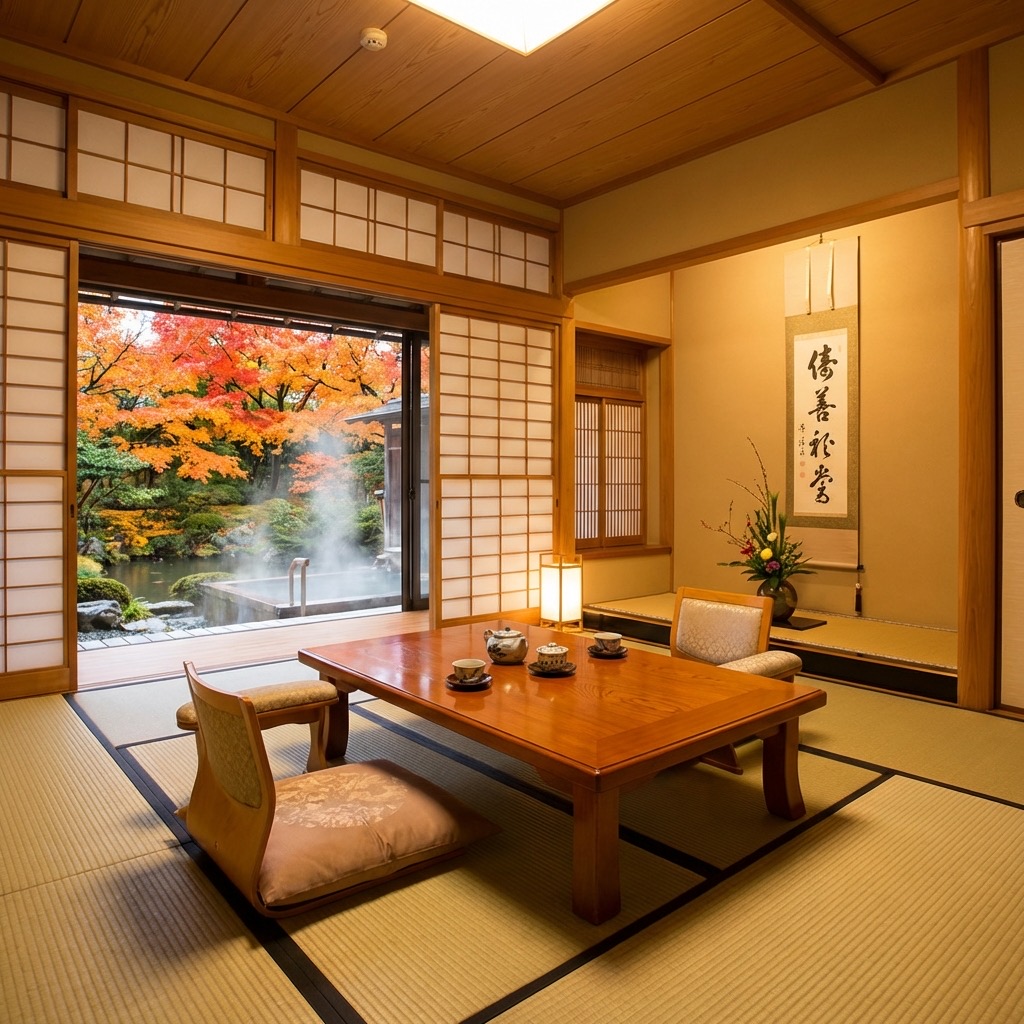
To truly absorb the spiritual energy of Omiya-cho, staying within walking distance of the Sengen Taisha is essential. This allows you to experience the 'Blue Hour' at the shrine before the day-trippers arrive.
Getting There
Take the JR Shinkansen to Mishima or Fuji Station, then transfer to the JR Minobu Line to Fujinomiya Station. Omiya-cho is a 10-minute walk from the station. Trains run every 30 minutes during peak hours.
FAQ
Inspired?
Share this destiny with someone special.