Yamaguchi
Welcome to Kintaikyo Bridge
Standing before Kintaikyo Bridge is to witness a rhythmic dialogue between human ingenuity and the untamed spirit of the Nishiki River. The scent of aged Japanese cypress and cedar hangs heavy in the air, a fragrant reminder of the centuries-old craftsmanship that binds these five magnificent arches without a single metal nail. As you ascend the steep, undulating curves, the world slows; the sound of rushing water beneath creates a meditative soundtrack to your journey. This is more than a crossing—it is a spiritual transition from the modern world into the heart of Iwakuni’s samurai soul. Every step resonates with the echo of history, inviting you to lose yourself in a landscape where time flows as gracefully as the river itself.
The Five Arches of Kintaikyo
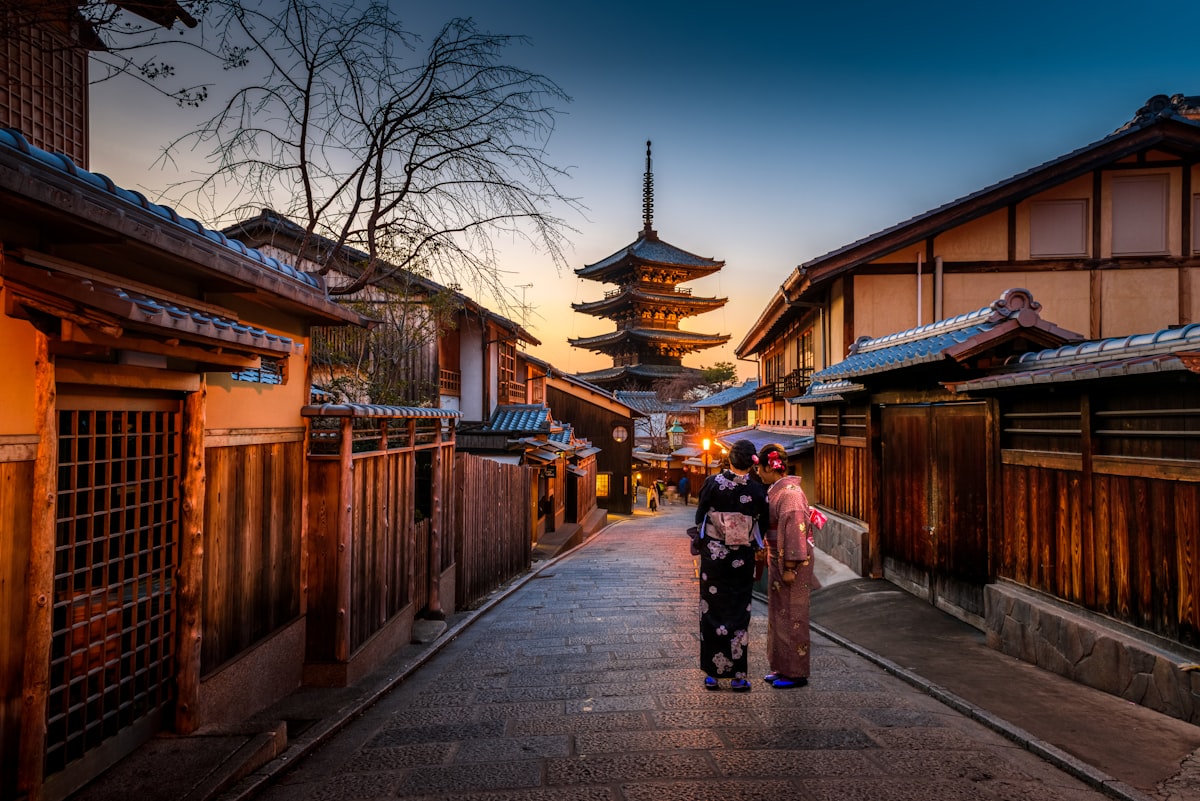
The bridge is a structural symphony, a series of five wooden arches that seem to float upon the water. To walk across is to feel the tactile vibration of history beneath your feet. The precision of the joinery is a testament to the Kikkawa clan's engineering prowess. At sunset, the wood glows with a deep amber hue, contrasting against the emerald depth of the Nishiki River. It is a masterpiece of tension and grace that has survived centuries of floods, rebuilt with the same sacred techniques every generation.
Iwakuni Castle Keep
Perched atop Mount Shiroyama, this mountain fortress offers a commanding gaze over the entire Seto Inland Sea. The ropeway ascent provides a breathtaking panoramic transition from the river valley to the clouds. Inside, the museum houses a formidable collection of samurai swords and armor, their cold steel whispering tales of ancient battles. From the top floor, the Kintaikyo Bridge looks like a delicate wooden ribbon discarded by a giant, set against the backdrop of the shimmering blue bay.
Kikko Park Spiritual Grounds
Once the residence of the Kikkawa family, this park is a sanctuary of seasonal beauty. In spring, the air is thick with the sweet perfume of cherry blossoms; in early summer, the iris gardens create a purple haze across the landscape. The park is home to the 'White Snakes of Iwakuni,' sacred messengers of the gods believed to bring fortune. The atmosphere here is thick with 'reiki' (spiritual energy), making it an essential power spot for those seeking clarity and rejuvenation amidst historical stone walls.
Local Soul Food
Tastes you can't find anywhere else.

Iwakuni-zushi (The Samurai Cake)
A vibrant, layered masterpiece of vinegar-seasoned rice, local lotus root, and colorful toppings like shredded egg and denbu. The texture is a delightful contrast between the soft rice and the crisp, earthy snap of the renkon. It is traditionally pressed in large wooden frames, resulting in a dense, satisfying bite that carries the subtle tang of the sea and the sweetness of the land.
Iwakuni Renkon (Lotus Root) Tempura
The local lotus root is prized for its unique hole structure and incredible crunch. When deep-fried in a gossamer-thin tempura batter, it releases a nutty, slightly sweet aroma. Each bite is an auditory experience, a sharp 'crack' followed by the buttery melt of the vegetable’s interior. It is often served with a pinch of matcha salt to accentuate its natural earthiness.
The 165-Flavor Soft Serve Challenge
An Iwakuni legend. Choose from over 160 flavors ranging from classic Hokkaido vanilla to adventurous options like 'ramen' or 'wasabi.' The texture is exceptionally creamy, providing a cooling relief after a hike to the castle. Each cone is a vibrant pop of color, making it the ultimate sensory reward for explorers navigating the bridge's steep arches.
Premium Stays
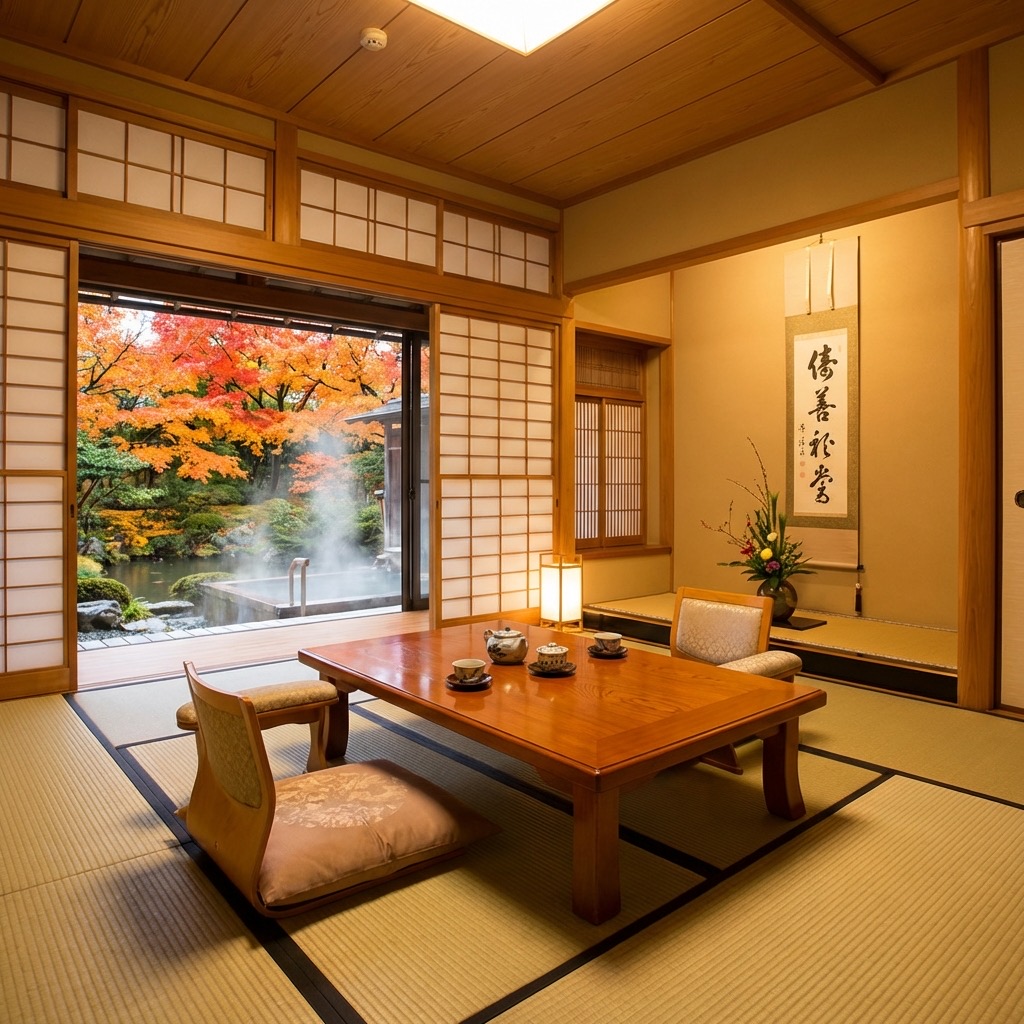
To truly capture the essence of Iwakuni, stay within walking distance of the Nishiki River. The area around the bridge offers a blend of traditional ryokan hospitality and modern comfort, allowing you to witness the bridge illuminated at night without the tourist crowds.
Getting There
Take the Shinkansen to Shin-Iwakuni Station. From there, a 15-minute bus ride or a 10-minute taxi will bring you directly to the bridge. Alternatively, JR Iwakuni Station is a 20-minute bus ride away. Buses are frequent during daylight hours but taper off after 6 PM.
FAQ
Inspired?
Share this destiny with someone special.