Ehime
Welcome to Matsuyama Castle
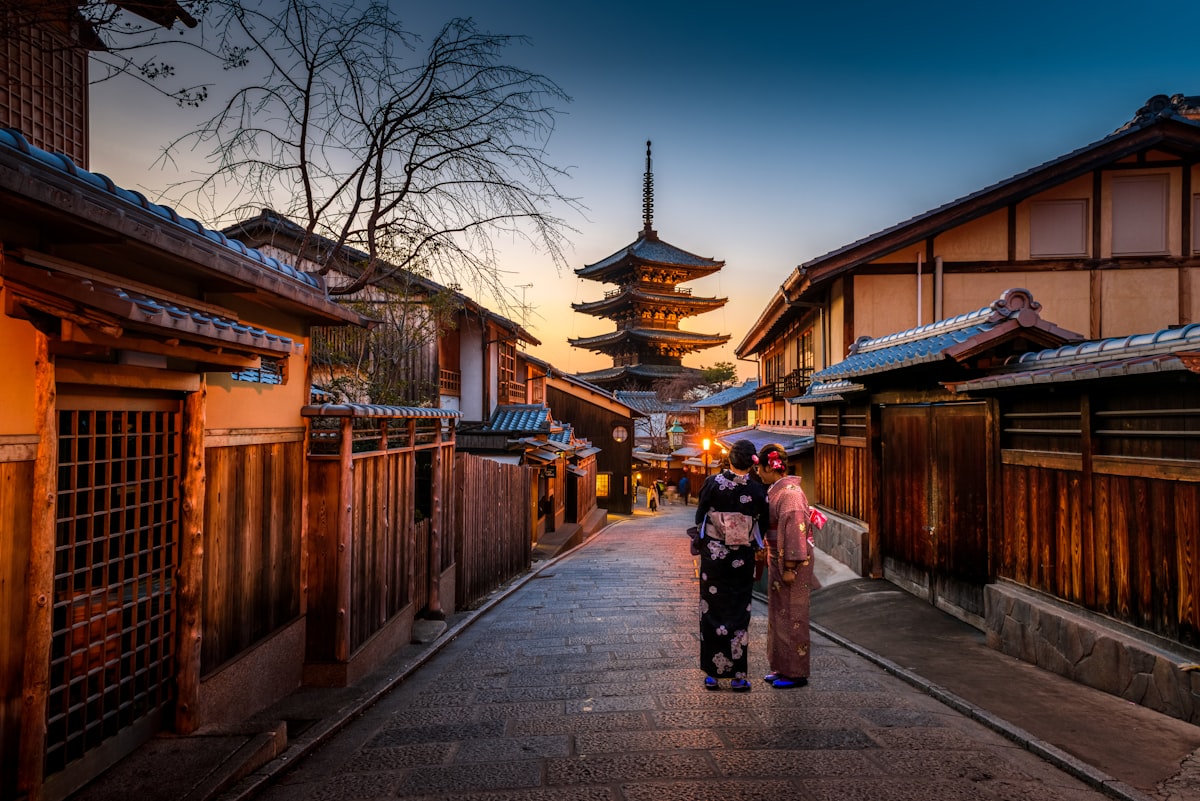
Perched majestically atop Mount Katsuyama, Matsuyama Castle is not merely a structure of stone and wood; it is a living testament to the Edo period's architectural genius. As you ascend via the ropeway, the scent of pine needles and the distant saline whisper of the Seto Inland Sea envelop you. This is one of Japan’s twelve original surviving castles, offering an unfiltered glimpse into a bygone era of Shogunate power. The tactile grain of ancient timber underfoot and the panoramic sweep of the city below create a profound sense of temporal suspension. It is a place where history breathes, inviting the discerning traveler to step out of the modern rush and into a world of stoic beauty and strategic elegance.
The Honmaru Main Keep
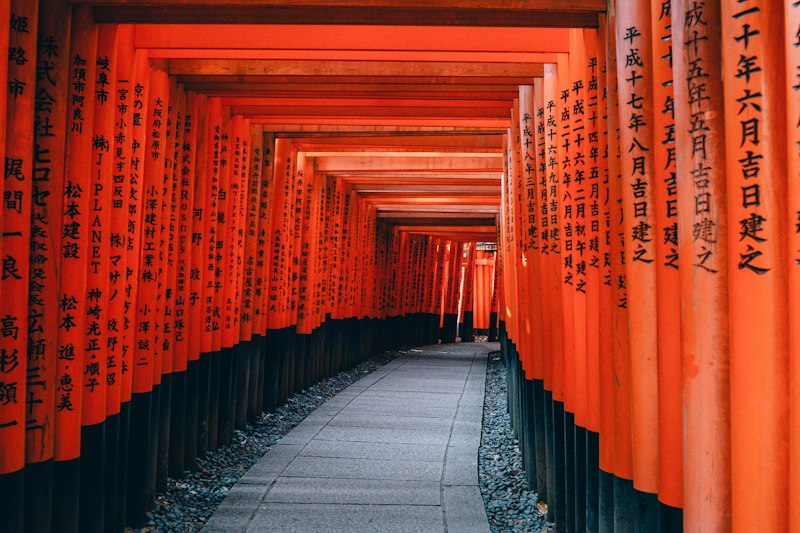
Ascend to the peak of Mount Katsuyama to witness the architectural prowess of the Kato clan. The Honmaru is a labyrinth of defensive ingenuity, featuring the rare 'Renritsu-shiki' keep structure. As you run your hand along the cool, weathered stone walls, you can feel the weight of centuries. The panoramic view from the top floor offers a breathtaking 360-degree vista, where the urban sprawl of Matsuyama meets the shimmering azure of the Seto Inland Sea. It is a tactical masterpiece and a visual feast, perfectly preserved for the modern connoisseur of history.
Ninomaru Historical Garden
Located at the foot of the castle, the Ninomaru Garden is a contemplative space where the foundations of the former palace have been transformed into elegant citrus groves and water features. Known as a 'Lover’s Sanctuary,' the garden exudes a romantic, tranquil energy. The scent of blooming orange blossoms—Ehime’s pride—fills the air, mingling with the earthy aroma of damp stone. Wander through the 'Water Mirror' area, where the reflection of the castle above creates a surreal, double-layered reality. It is the ultimate power spot for those seeking inner peace.
The Hidden Gate (Kakure-mon)
For the traveler who seeks what others miss, the Kakure-mon is a masterclass in samurai deception. This 'hidden' gate was designed to lure invaders into a narrow killing zone, a chilling reminder of the castle's lethal purpose. Today, it stands as a quiet, shaded corridor where the wind whistles through the arrow slits. The contrast between the sun-drenched courtyards and the cool, shadowed depths of the gate creates a hauntingly beautiful atmosphere. It is a place to pause and reflect on the duality of beauty and defense that defines Japanese feudal architecture.
Local Soul Food
Tastes you can't find anywhere else.
Matsuyama Tai-meshi
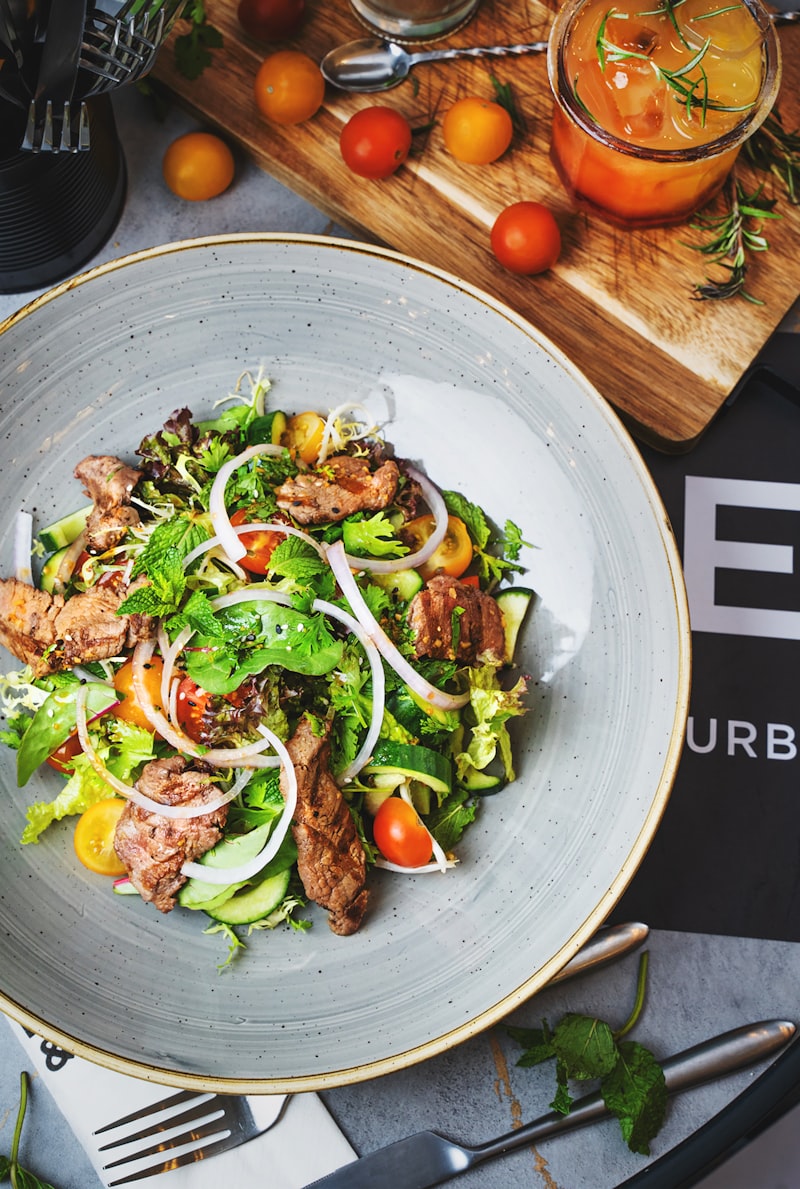
This is the soul of Ehime on a plate. Unlike the raw version found elsewhere, Matsuyama-style Tai-meshi features succulent sea bream steamed whole with premium rice in a heavy iron pot. The grains absorb the delicate, umami-rich oils of the fish, seasoned with ginger and light soy. Each bite offers a velvety texture and a subtle, oceanic sweetness.
Jakoten Fish Cakes
A rustic, savory delight that captures the essence of the local catch. Small fish are ground whole—bones and all—into a paste, then deep-fried until the exterior is golden and slightly crisp. The result is a snack with a deep, smoky umami flavor and a satisfyingly firm bite. Served warm from a street-side stall, the aroma is irresistible.
Botchan Dango
Inspired by Natsume Soseki’s literary classic, these tri-colored rice dumplings are iconic. Each skewer features three spheres—matcha green, egg-yellow, and red bean brown—wrapped around a soft, chewy mochi core. The sweetness is sophisticated and restrained, providing a gentle contrast to the bitterness of traditional green tea. The smooth, silk-like texture is a sensory joy.
Premium Stays
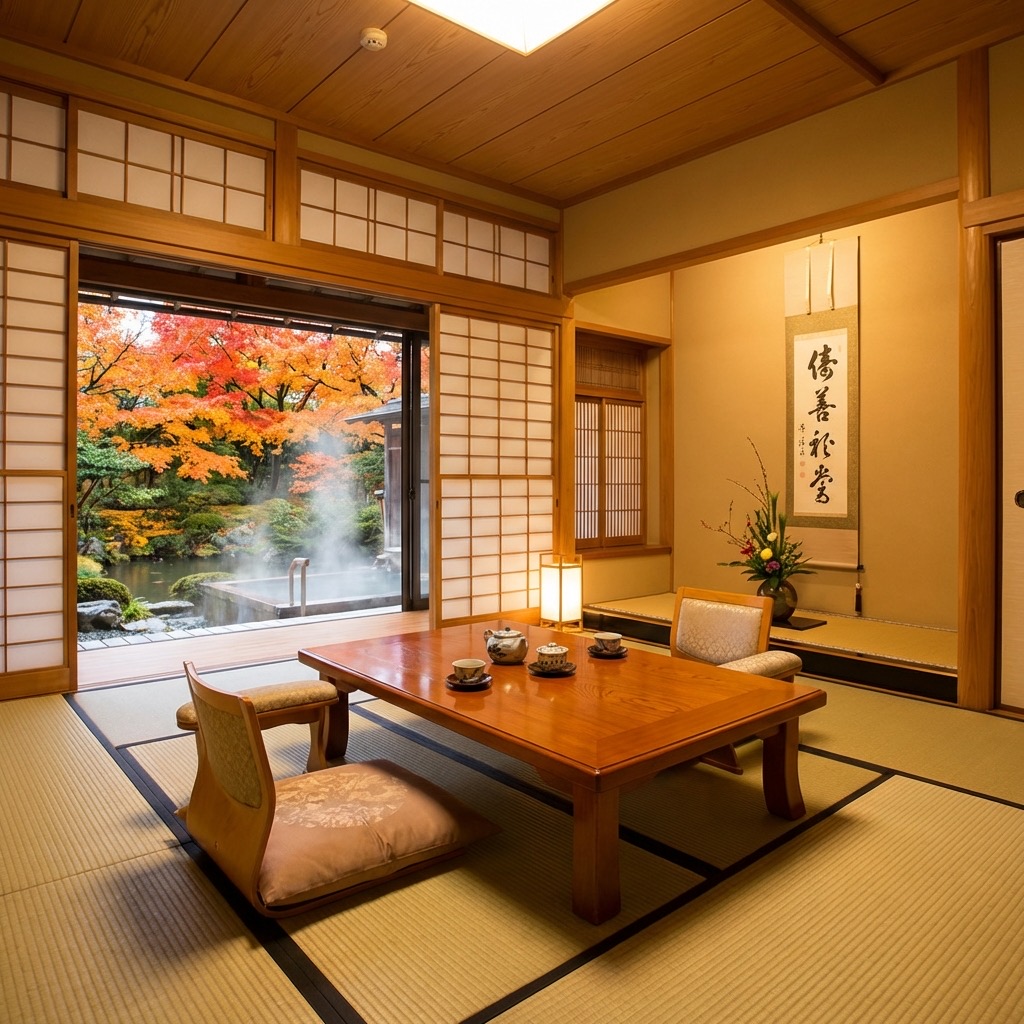
For an authentic experience, stay near the Okaido tram stop for castle access, or retreat to the historic Dogo Onsen district for ultimate luxury.
Getting There
Take the retro tram Line 5 from JR Matsuyama Station to Okaido (10 mins). From there, it is a 5-minute walk to the Ropeway Station. Trams run every 10 minutes.
FAQ
Inspired?
Share this destiny with someone special.