Welcome to Hiraizumi Temples
Stepping into Hiraizumi is like traversing a bridge into a forgotten utopia. Once the seat of the powerful Oshu Fujiwara clan, this northern sanctuary was designed to manifest the 'Pure Land' of Buddhism on Earth. Here, the air is thick with the scent of ancient cedar and the weight of a thousand years of prayer. As you wander through shimmering golden halls and meticulously manicured gardens, the modern world dissolves into a tapestry of spiritual elegance. It is a place where history isn't just observed; it is felt in the cool touch of moss-covered stone and the ethereal glow of gold leaf reflecting the soft Iwate sun. Hiraizumi offers a rare, high-vibration journey for the discerning traveler seeking profound tranquility and architectural mastery.
Chuson-ji: The Golden Hall (Konjikido)
The crown jewel of northern Japan, Konjikido is an architectural marvel entirely encased in gold leaf. Inside, the shimmering surfaces are inlaid with iridescent mother-of-pearl and intricate lacquerwork, housing the mummified remains of the Fujiwara lords. Walking the 'Tsukimi-zaka' slope lined with 300-year-old cedars prepares your spirit for the opulence within. The hall glows with a celestial light that transcends time, offering a tactile connection to the 12th-century vision of paradise. It is a sensory overload of gold, incense, and silence.
Motsu-ji: The Pure Land Garden
Motsu-ji represents the pinnacle of Heian-period landscaping. The Oizumi ga Ike pond is the centerpiece, designed to mirror the Buddhist concept of the Pure Land. Its shores are lined with rugged rock formations and smooth white pebbles that evoke the saline mist of a coastal bay. In early summer, the garden erupts in a sea of purple irises, while autumn paints the maples in fiery hues. The lack of standing temple structures only heightens the sense of meditative space, allowing the landscape to speak directly to the soul.
Takkoku no Iwaya Bishamondo
Built directly into the face of a jagged sandstone cliff, this vermilion temple is a breathtaking feat of engineering. Founded over 1,200 years ago to commemorate a military victory, the structure stands on stilts, hugging the rock wall. To its side, a massive 'Ganetsu Daibutsu' (Buddha carved into the cliff) gazes down with weathered, stoic features. The contrast between the brilliant red pillars and the raw, grey stone creates a powerful visual tension. It is a hidden power spot that feels significantly more ancient and raw than the central temples.
Local Soul Food
Tastes you can't find anywhere else.

Wanko Soba Ritual
Experience the rhythmic 'hai, don-don!' chant as a server tosses small mounds of slippery, nutty buckwheat noodles into your bowl. It is a culinary performance where you eat as many bowls as possible until you manage to cover your dish. The earthy aroma of the dashi broth and the velvety texture of the noodles make this more than a meal—it is a spirited Iwate tradition.
Maesawa Beef Teppanyaki
Indulge in the buttery melt of premium Maesawa Beef, Iwate’s answer to Kobe. This A5-rank Wagyu is famous for its intense marbling and a sweetness that dissolves on the tongue. Searing the steak releases a rich, nutty aroma that pairs perfectly with local rock salt and fresh wasabi. It is the height of northern Japanese luxury dining.
Hiraizumi Mochi Platter
Hiraizumi has a unique culture of serving mochi in over 30 varieties. Taste the 'Zunda' (mashed edamame) for a fresh, vegetal sweetness, or the 'Kurumi' (walnut) for a rich, creamy finish. The mochi is pounded to a silky, elastic perfection that provides a comforting, chewy contrast to the various savory and sweet toppings.
Premium Stays
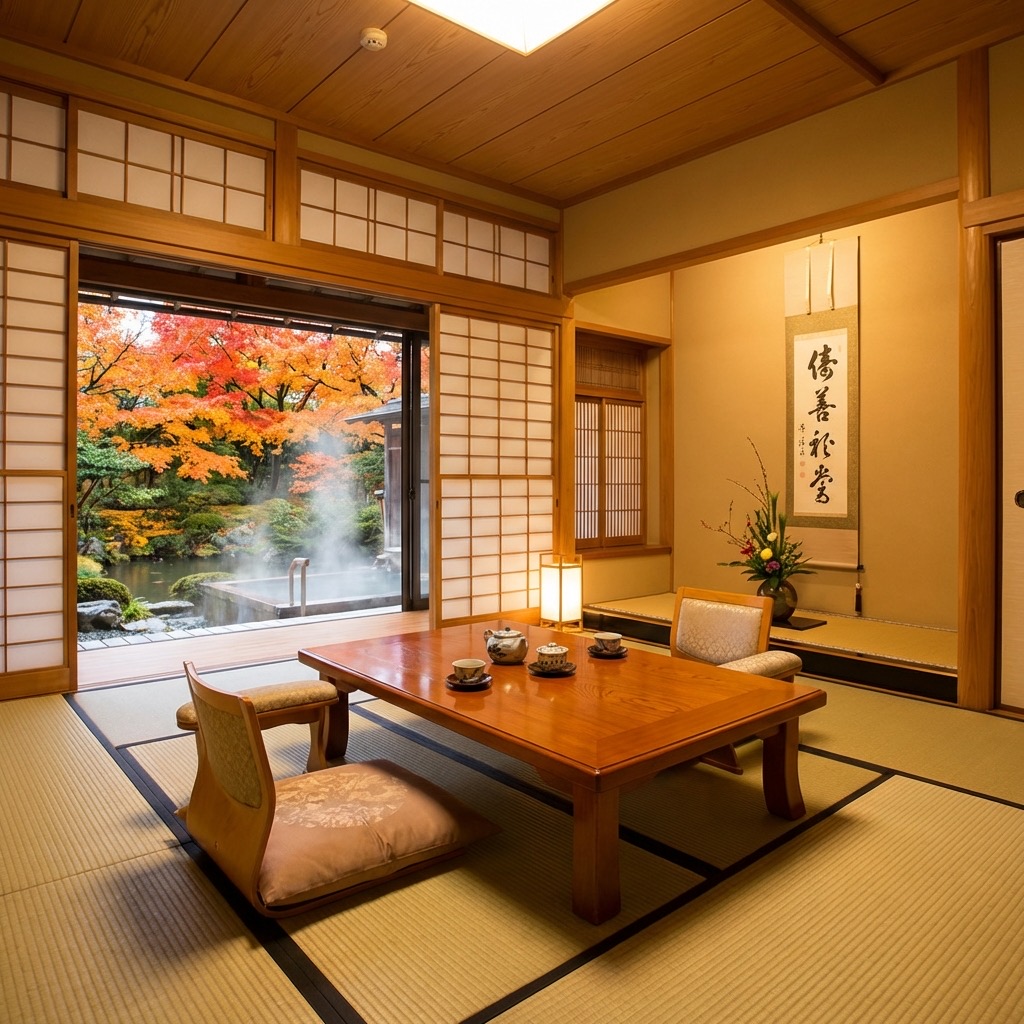
For a truly immersive spiritual journey, stay within Hiraizumi to witness the temples at dawn. Alternatively, Ichinoseki offers modern convenience just one train stop away.
Getting There
Take the Tohoku Shinkansen to Ichinoseki Station (approx. 2.5 hours from Tokyo). Transfer to the JR Tohoku Line for a 10-minute ride to Hiraizumi Station. From there, the 'Runrun' loop bus connects all major sites.
FAQ
Inspired?
Share this destiny with someone special.