Akita
Welcome to Senshu Park
Senshu Park is not merely a destination; it is a living tapestry of Akita’s feudal majesty, where the legacy of the Satake clan is etched into every stone and cherry blossom branch. As you cross the bridge over the lotus-filled moat, the modern world fades, replaced by the hushed reverence of a former samurai stronghold. The air here is different—crisp, carrying the scent of ancient pine and the spiritual weight of centuries. Whether draped in the ethereal pink of spring or the stark, silent white of winter, the park offers a sensory sanctuary. For the discerning traveler, it is a place to reconnect with Japan’s stoic past while indulging in the refined elegance of northern hospitality.
Kubota Castle Osumiyagura
The Osumiyagura Turret stands as a sentinel over Akita, a meticulous reconstruction that whispers tales of samurai vigilance. As you ascend, the scent of fresh timber mingles with the cool breeze from the Sea of Japan. From the top floor, the city unfolds in a panoramic sprawl, framed by the rugged peaks of the Ou Mountains. It is a vantage point fit for a daimyo, offering a profound sense of place and history that grounds every visitor in the reality of the Edo period.
Iyataka Shrine
Nestled within the park's verdant embrace, Iyataka Shrine is a 'Power Spot' dedicated to the scholars Hirata Atsutane and Sato Nobuhiro. The atmosphere here is thick with spiritual energy, punctuated by the rhythmic clapping of worshippers and the rustle of omikuji papers in the wind. The intricate wood carvings on the shrine's facade are a testament to Akita's master craftsmanship. It is a place for quiet contemplation, where the boundaries between the physical and spiritual worlds feel beautifully thin.
The Satake Historical Museum
To truly understand Senshu Park, one must delve into the archives of the Satake Clan. This museum houses an exquisite collection of samurai armor, shimmering katanas, and delicate calligraphy that once belonged to the lords of Kubota. The tactile presence of these artifacts—the weight of the iron, the sheen of the silk—brings the feudal era to life. It is an essential stop for those who seek to look beyond the scenery and into the heart of Akita's warrior soul.
Local Soul Food
Tastes you can't find anywhere else.

Kiritanpo Nabe
The soul of Akita in a bowl. Imagine hand-mashed rice cylinders, toasted over an open hearth until they develop a smoky, golden crust, then simmered in a rich, umami-laden broth of Hinai-jisuri chicken. The texture is a revelation—chewy, absorbent, and comforting—complemented by the earthy fragrance of mountain parsley and maitake mushrooms.
Inaniwa Udon
Unlike the thick udon found elsewhere, Inaniwa udon is thin, elegant, and possesses a signature translucency. Hand-stretched through a labor-intensive process, these noodles offer a silky-smooth 'koshi' (chew) that glides over the palate. Served cold with a dashi-rich dipping sauce, it is the pinnacle of refined northern Japanese cuisine.
Babahera Ice
A nostalgic street classic, this rose-shaped sherbet is expertly 'petaled' by local grandmothers (Baba) using metal spatulas (Hera). The pink strawberry and yellow banana flavors are light, icy, and refreshingly sweet. It is a visual and culinary icon of Akita summers, melting delightfully on the tongue as you stroll through the park.
Premium Stays
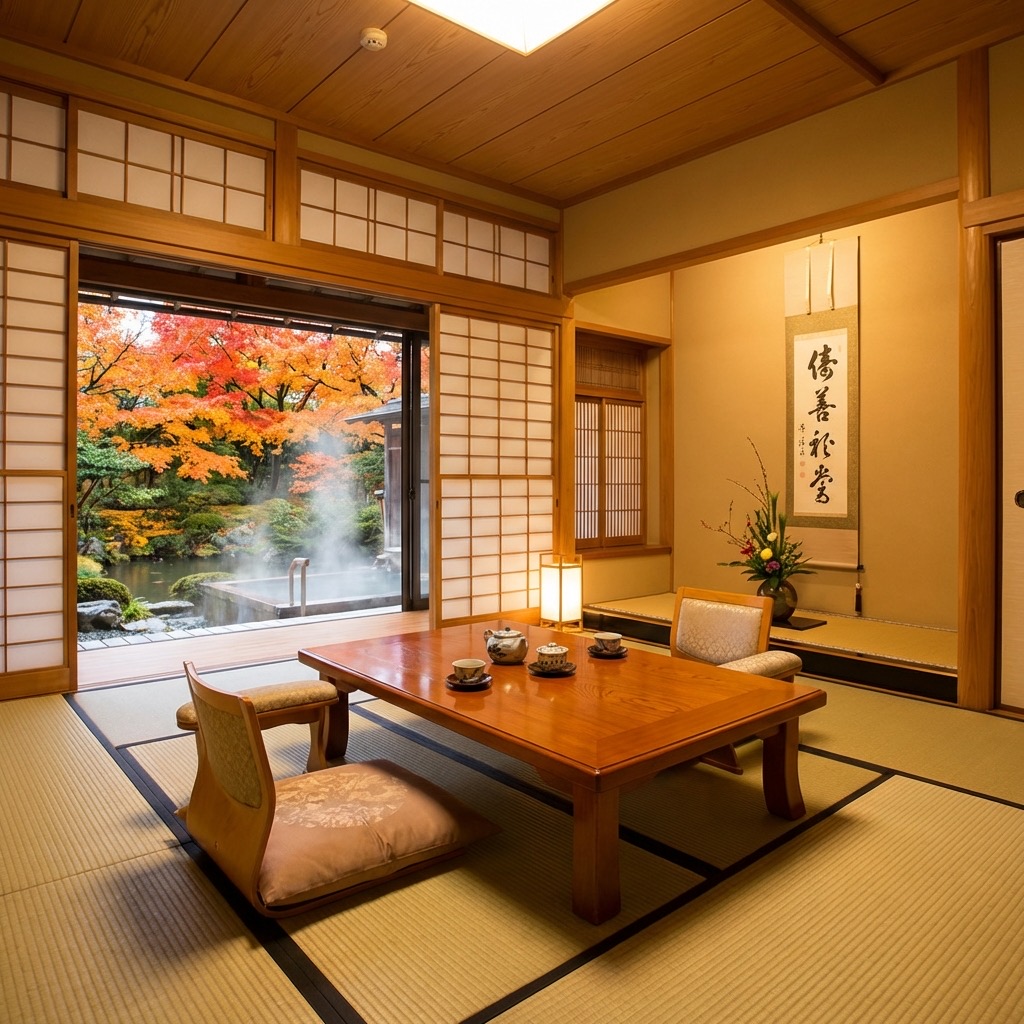
For the best experience, stay near Akita Station. This area provides seamless access to Senshu Park while surrounding you with the city's best izakayas and retail boutiques.
Getting There
Senshu Park is a convenient 10-minute walk from the West Exit of JR Akita Station. Follow the signs for 'Senshu Park' or 'Kubota Castle'. Walking is recommended as the path is scenic and passes through the central shopping district.
FAQ
Inspired?
Share this destiny with someone special.