Hiroshima
Welcome to Itsukushima Hiroshima
Itsukushima, more affectionately known as Miyajima, is a realm where the boundaries between the terrestrial and the divine blur into a singular, breathtaking horizon. As you approach by ferry, the iconic vermilion Torii gate appears to float upon the saline mist of the Seto Inland Sea, a sentinel of a sacred history spanning over a millennium. The air here carries the scent of ancient cedar and the faint, briny tang of the tide. Whether you are wandering through the labyrinthine corridors of the floating shrine or ascending the primordial peaks of Mount Misen, Itsukushima offers a profound spiritual resonance that transcends mere sightseeing. It is a sensory masterpiece of architectural opulence and raw, natural majesty that demands to be experienced at a lingering, contemplative pace.
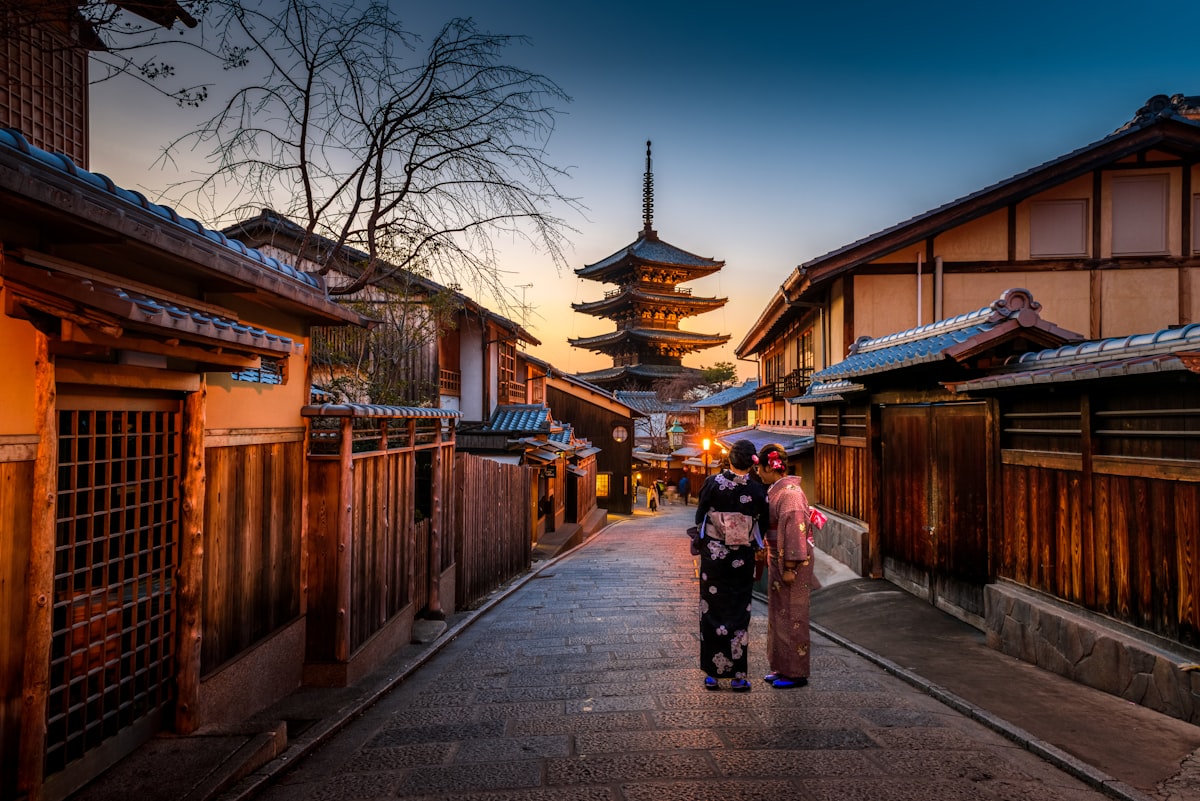
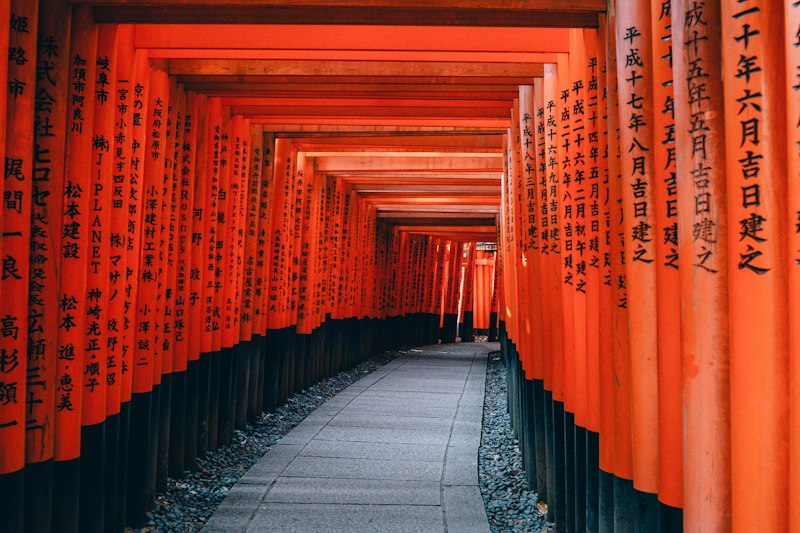
Itsukushima Shinto Shrine
A marvel of Heian-period engineering, this UNESCO World Heritage site is designed to appear as if it is floating upon the waves during high tide. The intricate boardwalks, painted in a vibrant cinnabar, lead you through a series of sacred halls that resonate with the rhythmic pulse of the ocean. Each pillar is a testament to the delicate balance between man-made beauty and the temperamental sea. To walk these corridors as the sun dips below the horizon is to witness a golden transformation of space and spirit.
Mount Misen Observatory
Rising 535 meters above sea level, Mount Misen is the island's highest point and a primary 'power spot.' The summit offers a panoramic spectacle of the Seto Inland Sea, dotted with emerald islets that vanish into a blue haze. Along the path, you will encounter the Reikado Hall, where a flame has burned continuously for over 1,200 years—the same flame used to light the Peace Flame in Hiroshima. The boulders at the top feel ancient and heavy with spiritual energy, providing a perfect vantage point for reflection.
Momijidani Park
Nestled at the foot of Mount Misen, this park is a symphony of colors, especially during the autumn months when over 700 maple trees ignite into shades of crimson and burnt orange. The gentle murmur of the Momijidani River provides a soothing soundtrack as you cross traditional vermilion bridges. It is common to encounter the island's friendly wild deer here, moving gracefully through the dappled sunlight. The park serves as a tranquil transition from the bustling shrine area to the quiet, forested slopes above.
Local Soul Food
Tastes you can't find anywhere else.

Grilled Miyajima Oysters (Kaki)
The oysters of Itsukushima are legendary for their plumpness and deep, briny sweetness. Grilled over an open flame until the shells pop, they are served with a simple squeeze of local citrus. The texture is a buttery melt-in-your-mouth experience, infused with a delicate smokiness from the charcoal. It is the quintessential taste of the Seto Inland Sea, best enjoyed standing at a street stall while the sea breeze swirls around you.
Anago Meshi (Conger Eel over Rice)
Unlike its heavier freshwater cousin, the saltwater Anago is lean, delicate, and incredibly tender. The eel is grilled with a secret tare sauce—a savory-sweet glaze—and served over rice that has been simmered in a rich dashi made from eel bones. Every bite offers a sophisticated balance of umami and sweetness, with the fragrance of the charred glaze providing a lingering, toasted finish that defines high-end island dining.
Age-Momiji Manju (Fried Maple Cakes)
A playful twist on the traditional maple-leaf-shaped cake. These treats are skewered, dipped in a light tempura batter, and deep-fried to golden perfection. The exterior is impossibly crisp, while the inside remains soft and pillowy, filled with warm custard, chocolate, or sweet red bean paste. The contrast between the hot, crunchy shell and the sweet, velvety interior makes it the ultimate street food indulgence for a cool island afternoon.
Premium Stays
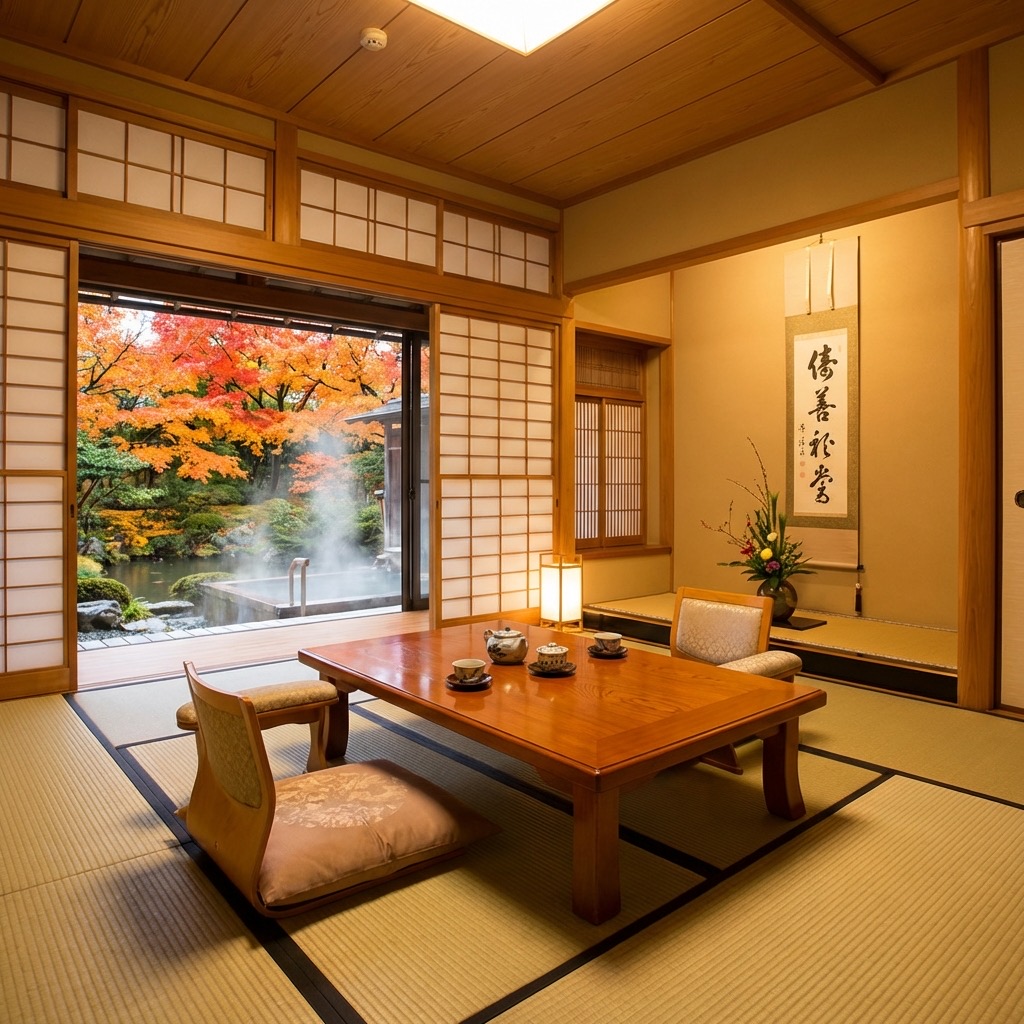
To truly feel the island's spirit, staying overnight is essential. Once the last ferry departs, the island transforms into a silent, moonlit sanctuary. Choose the Momijidani area for forest immersion or the waterfront for views of the illuminated Torii gate.
Getting There
Take the JR Sanyo Line from Hiroshima Station to Miyajimaguchi (25 mins). From there, a frequent ferry service (JR or Miyajima Matsudai) takes you to the island in 10 minutes. Ferries run every 15 minutes during the day but become sparse after 6 PM.
FAQ
Inspired?
Share this destiny with someone special.