Welcome to Uonotana Market
Stepping into Uonotana Market is an assault on the senses in the most exquisite way possible. Known affectionately as 'uon-tana' by locals, this 400-year-old arcade pulses with the rhythmic cries of fishmongers and the briny, saline scent of the morning's catch. Here, the silver scales of Akashi sea bream shimmer like jewels under the arcade lights, and the legendary octopus—firm and sweet—beckons the discerning palate. This is not merely a marketplace; it is a living museum of maritime heritage where the 'Hiruzeri' (noon auction) ensures a freshness that is unparalleled in all of Japan. Whether you are seeking the spiritual grounding of nearby shrines or the buttery melt of premium seafood, Uonotana offers a profound connection to the ocean's bounty.
Akashi Castle Ruins & Park
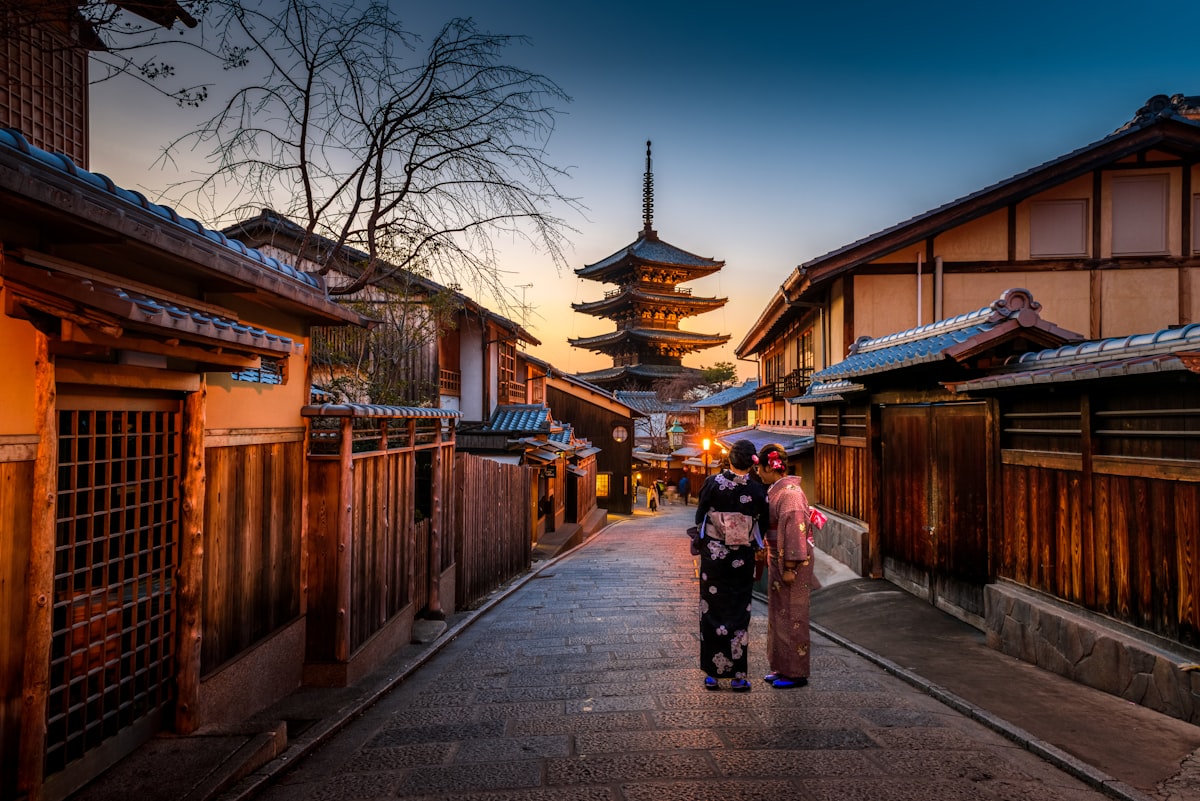
Standing as a silent sentinel over the city, the two remaining three-story turrets of Akashi Castle offer a majestic glimpse into the Edo period. As you wander through the expansive grounds, the scent of seasonal blossoms—cherry blossoms in spring or fiery maples in autumn—mingles with the crisp sea breeze. The stone walls, meticulously crafted without mortar, tell a story of resilience and strategic genius. From the upper terraces, the contrast between the ancient fortifications and the distant, modern silhouette of the Akashi Kaikyo Bridge creates a breathtaking visual narrative of Japan’s evolution.
Iwaya Shrine
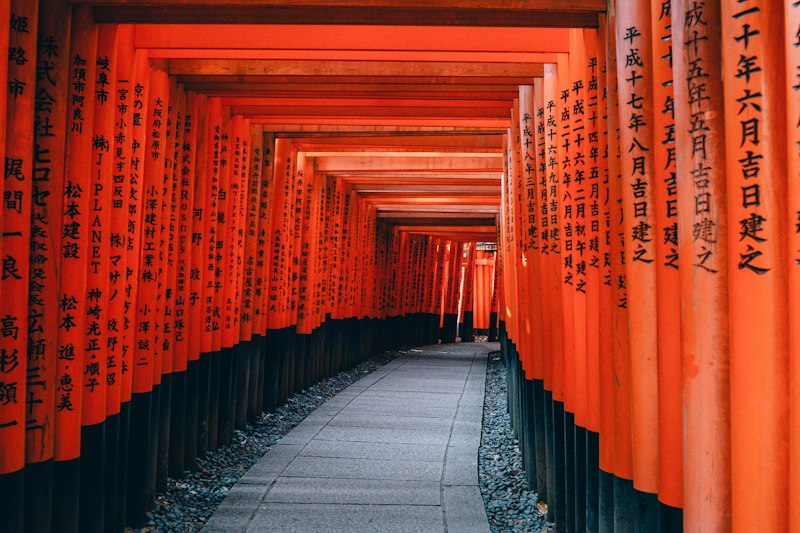
A hidden spiritual sanctuary just a short stroll from the market's bustle, Iwaya Shrine is where the maritime community comes to pray for safe voyages and bountiful harvests. The air here feels thicker, charged with centuries of devotion. The intricate wood carvings of the main hall are weathered by the salty air, giving them a profound, wabi-sabi aesthetic. It is a 'power spot' where the silence is only broken by the soft clanging of the prayer bell and the rustle of ancient trees, offering a meditative counterpoint to the energetic commerce of the fish market.
Akashi Kaikyo Bridge Observatory
Witness the engineering marvel that is the world’s longest suspension bridge. From the Maiko side, just one train stop away, you can walk along the Maiko Marine Promenade—a circuit of glass-floored walkways suspended 47 meters above the swirling whirlpools of the Akashi Strait. The sheer scale of the steel cables against the azure sky is humbling. As the sun sets, the bridge is illuminated in a 'pearl' light, casting a romantic glow over the water that is best enjoyed with a quiet moment of reflection on the observation deck.
Local Soul Food
Tastes you can't find anywhere else.

Akashiyaki (Tamagoyaki)
Forget takoyaki; this is its sophisticated ancestor. These delicate, custard-like spheres are made with a high ratio of egg and a rich dashi base, then filled with a tender nugget of local octopus. When dipped into a bowl of piping hot, clear kelp soup, the Akashiyaki dissolves on the tongue, releasing a cloud of savory umami and a subtle sweetness that defines the region’s comfort food.
Akashi Sea Bream Sashimi
The 'King of Fish' in Japan, the Akashi Tai is legendary for its firm, muscular texture, a result of swimming against the fierce currents of the Akashi Strait. Sliced translucent and served with just a hint of fresh wasabi and premium soy sauce, the meat offers a clean, sophisticated snap followed by a deep, nutty sweetness that lingers long after the first bite.
Dried 'Tako-toro' (Octopus Jerky)
A local delicacy that captures the essence of the sea. These octopuses are flattened and dried in the sea breeze, concentrating their flavor into a chewy, savory treat. Often lightly grilled over charcoal before serving, the 'Tako-toro' offers a smoky, briny intensity that is the perfect accompaniment to a cold glass of local Hyogo sake.
Premium Stays
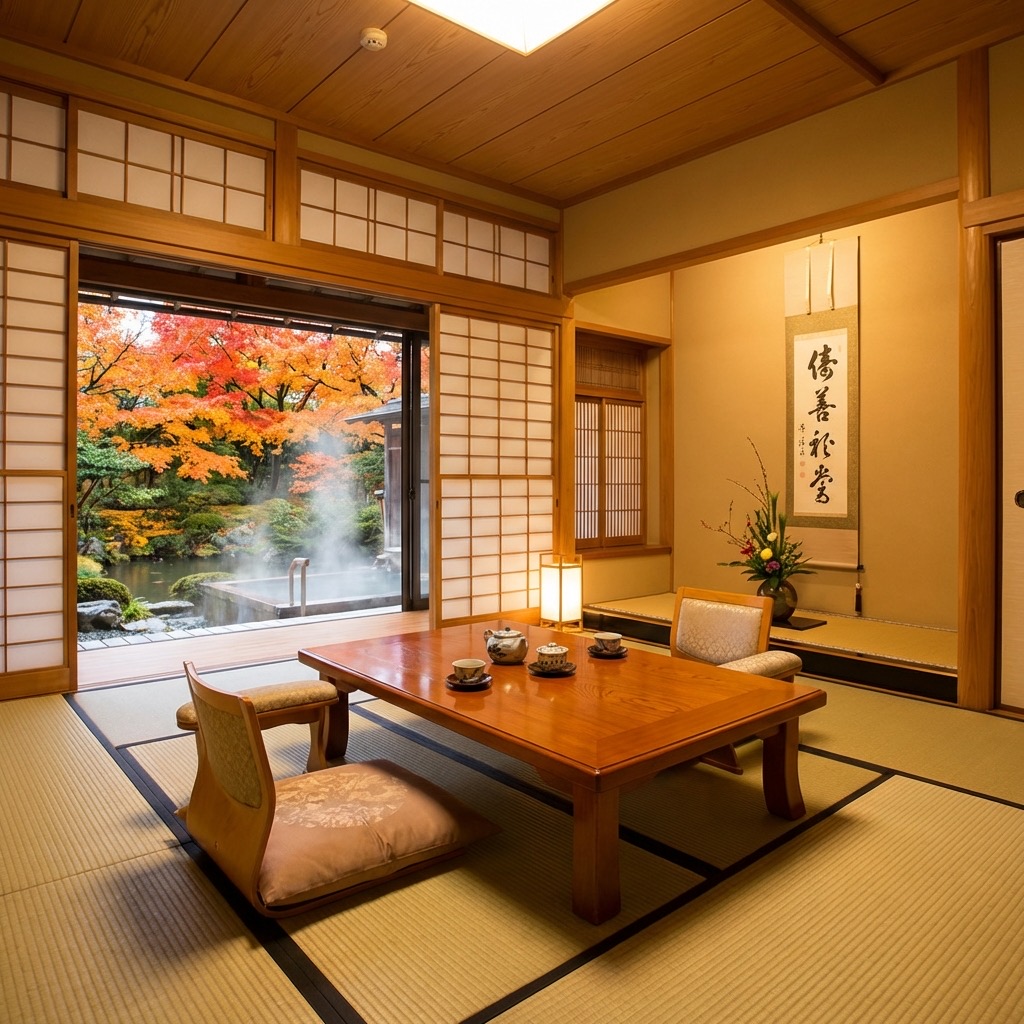
For the ultimate experience, we recommend staying near the Akashi waterfront or the nearby Maiko area. This allows you to witness the market's early morning energy and the bridge's evening light display without the rush of commuting from Osaka.
Getting There
Take the JR Special Rapid service from Osaka Station to Akashi Station (approx. 37 mins). The market is a 3-minute walk from the south exit. Trains are frequent, running every 15 minutes.
FAQ
Inspired?
Share this destiny with someone special.