Saitama
Welcome to Chichibu Shrine
Nestled in the rugged embrace of Saitama’s mountains, Chichibu Shrine is more than a destination; it is a 2,100-year-old dialogue between humanity and the divine. As you walk the approach, the air cools, carrying the scent of ancient Hinoki cypress and the distant, rhythmic chime of prayer bells. This is one of Japan’s most potent 'Power Spots,' where the intricate Momoyama-style carvings—commissioned by Tokugawa Ieyasu himself—tell stories of bound dragons and wise monkeys. Whether you are seeking spiritual clarity or the raw aesthetic of feudal Japan, the shrine offers a sensory tapestry of weathered wood, vibrant pigments, and a stillness that resonates deep within the soul.
The Main Hall (Honden)
The Honden is a masterclass in Momoyama-era opulence, featuring the legendary 'Tsunagi-no-Ryu' (Bound Dragon) carving by Hidari Jingoro. As the sun hits the golden leaf and vibrant pigments, the structure seems to vibrate with life. Visitors are often mesmerized by the 'Sankei' monkeys—the 'See, Hear, and Speak no evil' trio depicted with a playful, proactive twist. The tactile history is felt in the cool, smooth grain of the pillars and the heavy, incense-laden air that pools beneath the eaves, offering a profound sense of temporal displacement.
Chichibu Matsuri Kaikan
Located just steps from the shrine, this museum captures the thunderous energy of the Chichibu Night Festival, one of Japan's 'Big Three' float festivals. The hall houses towering, ornate floats (Yatai) that smell of aged wood and heavy lacquer. State-of-the-art projection mapping recreates the winter night sky and the roar of the crowds, allowing you to feel the vibration of the drums in your chest. It is a visceral exploration of the community's devotion to the shrine, showcasing the craftsmanship of silk-woven tapestries and gilded lanterns.
Hitsujiyama Park (Shibazakura Hill)
A short journey from the shrine leads to a panoramic stage where Mt. Buko looms like a silent guardian. In spring, the ground is transformed into a 'moss phlox' carpet of pink, white, and violet, releasing a delicate, honey-sweet fragrance into the mountain breeze. Even outside of bloom season, the park offers a breathtaking vista of the Chichibu basin. The contrast between the rugged, limestone-scarred face of the mountain and the soft, rolling greenery provides a visual metaphor for the shrine’s enduring strength amidst nature’s changing seasons.
Local Soul Food
Tastes you can't find anywhere else.
Waraji Katsudon
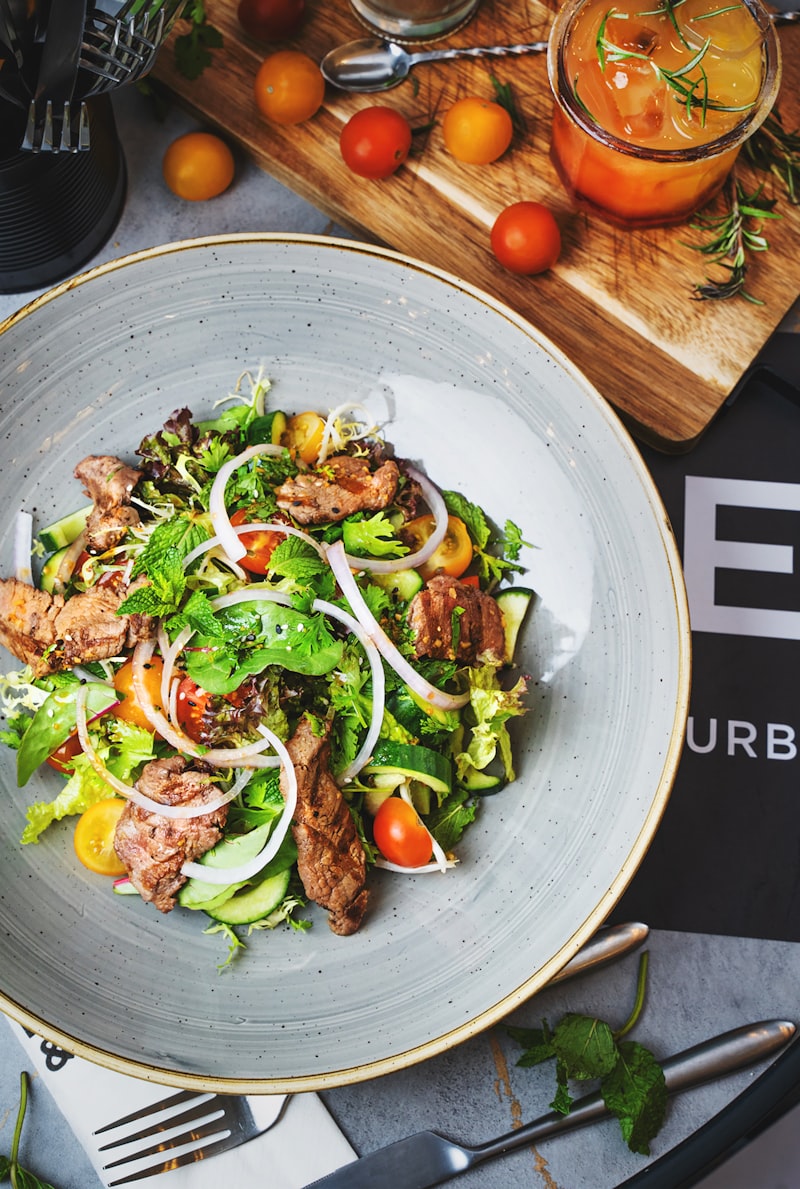
A culinary icon of Chichibu, these oversized pork cutlets are named after 'Waraji' (straw sandals). Two thin, tenderized cutlets are breaded and fried until the panko is shattering-crisp, then dipped in a secret sweet-savory soy glaze. The aroma of toasted wheat and caramelizing sugar is intoxicating, while the meat remains remarkably succulent.
Kurumi Soba (Walnut Soba)
Experience a velvety transition from the earthy, nutty bite of hand-pulled buckwheat noodles to the creamy richness of walnut dipping sauce. The sauce is made by grinding local walnuts into a fine paste and blending it with a dashi base, creating a luxurious mouthfeel that is both refreshing and deeply satisfying.
Pork Miso-zuke (Miso-marinated Pork)
This dish is a masterclass in umami. Thick slices of local pork are fermented in a proprietary blend of Chichibu miso for days, breaking down the fibers until the meat is buttery soft. When grilled over charcoal, the miso caramelizes into a smoky, salty crust that pairs perfectly with fluffy white rice.
Premium Stays
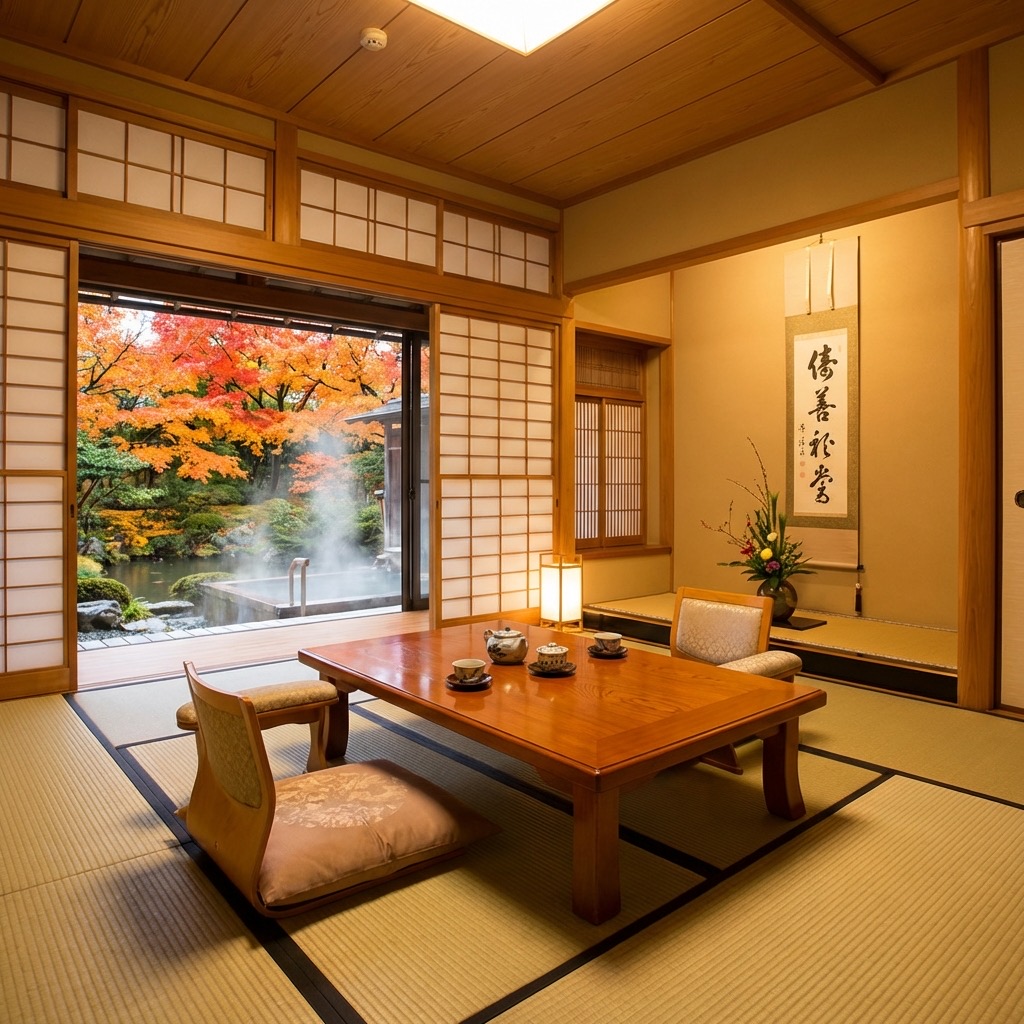
To fully absorb the spiritual energy of Chichibu, stay near the shrine or in the nearby Onsen districts where mountain waters offer natural healing.
Getting There
Take the Seibu Railway 'Laview' Limited Express from Ikebukuro Station directly to Seibu-Chichibu Station. From there, the shrine is a pleasant 10-15 minute walk through the nostalgic Omotesando street.
FAQ
Inspired?
Share this destiny with someone special.