Fukushima
Welcome to Ouchi-juku Village
Imagine stepping through a portal into the 1600s, where the scent of woodsmoke hangs heavy in the crisp mountain air and the rhythmic crunch of gravel underfoot is the only clock you need. Ouchi-juku is not merely a preserved post town; it is a living museum of thatched roofs and clear mountain streams. As a consultant, I see this as the ultimate 'slow travel' destination—a place where the soul exhales. The architectural symmetry of the houses against the backdrop of the Aizu mountains creates a visual harmony that is both humbling and exhilarating. Here, the saline tang of pickled vegetables and the warmth of a hearth-side welcome define a luxury that money cannot buy: the luxury of time itself.
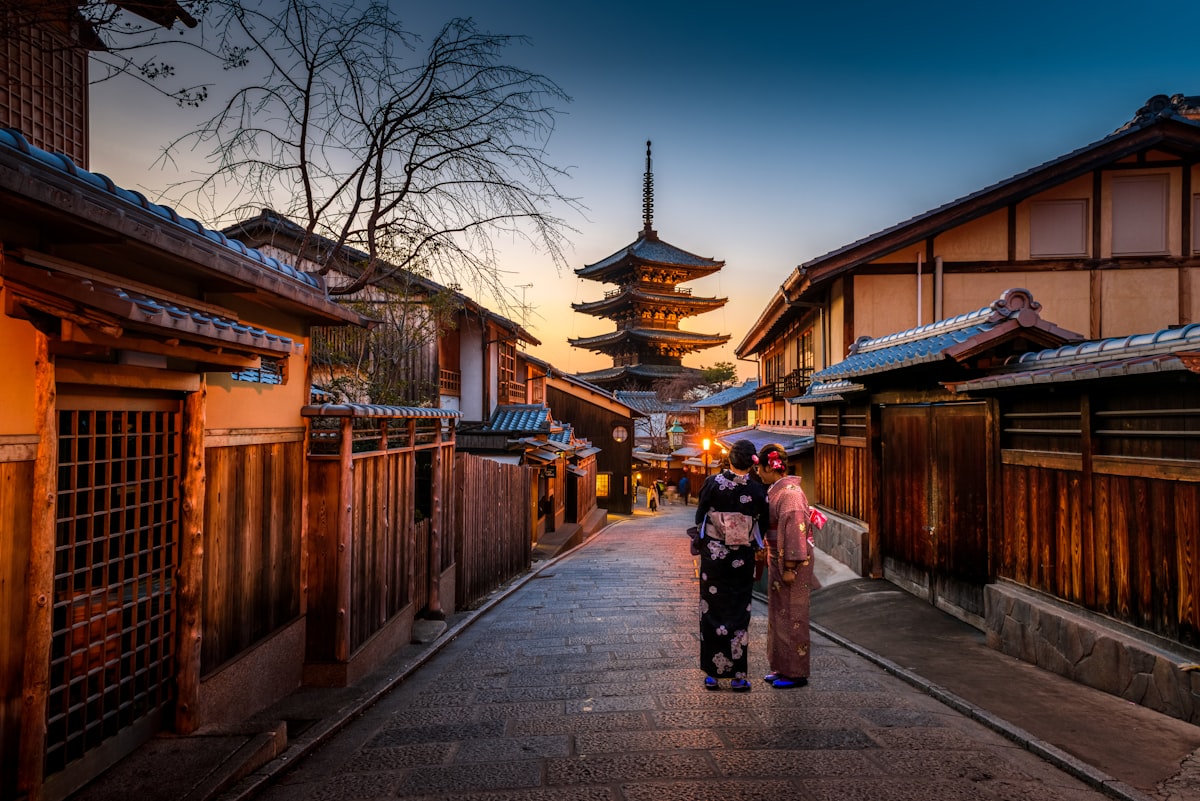
Ouchi-juku Viewpoint (Miharashi-dai)
A short but steep ascent leads you to the ultimate panorama of the village. From this elevated vantage point, the perfectly aligned thatched roofs unfold like a meticulously crafted woodblock print. You can see the central unpaved road bisecting the settlement, framed by the dramatic, verdant peaks of the Aizu range. It is a moment of profound stillness where the scale of history truly settles in. The visual geometry of the village from here is a photographer's dream, especially when the morning mist clings to the eaves.
Takakura Shrine
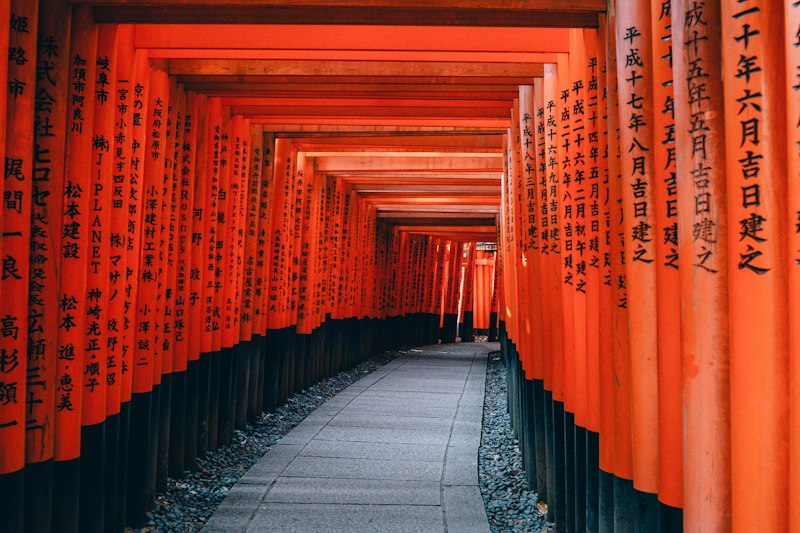
Tucked away behind the main thoroughfare, this shrine offers a spiritual sanctuary away from the main tourist flow. Guarded by ancient, towering cedar trees that filter the sunlight into dancing shards of gold, the air feels cooler and more electric here. This is a recognized 'power spot' where the whispers of the past are most audible. The moss-covered stone lanterns and the gentle sound of rustling leaves create an atmosphere of deep introspection, far removed from the bustling commerce of the village entrance.
Ouchi-juku Machinami Tenjikan
Housed in the former Honjin—the elite inn once reserved for high-ranking officials and daimyo—this museum reveals the engineering genius of the Edo period. Inside, you can examine the intricate joinery of the massive timber beams and the incredible density of the thatched roofing. The central irori (sunken hearth) still smolders, filling the space with a nostalgic, smoky aroma. It is a masterclass in resilient design, showcasing how these structures have survived centuries of heavy winter snow through sheer architectural brilliance and community effort.
Local Soul Food
Tastes you can't find anywhere else.
Negi Soba (Green Onion Soba)
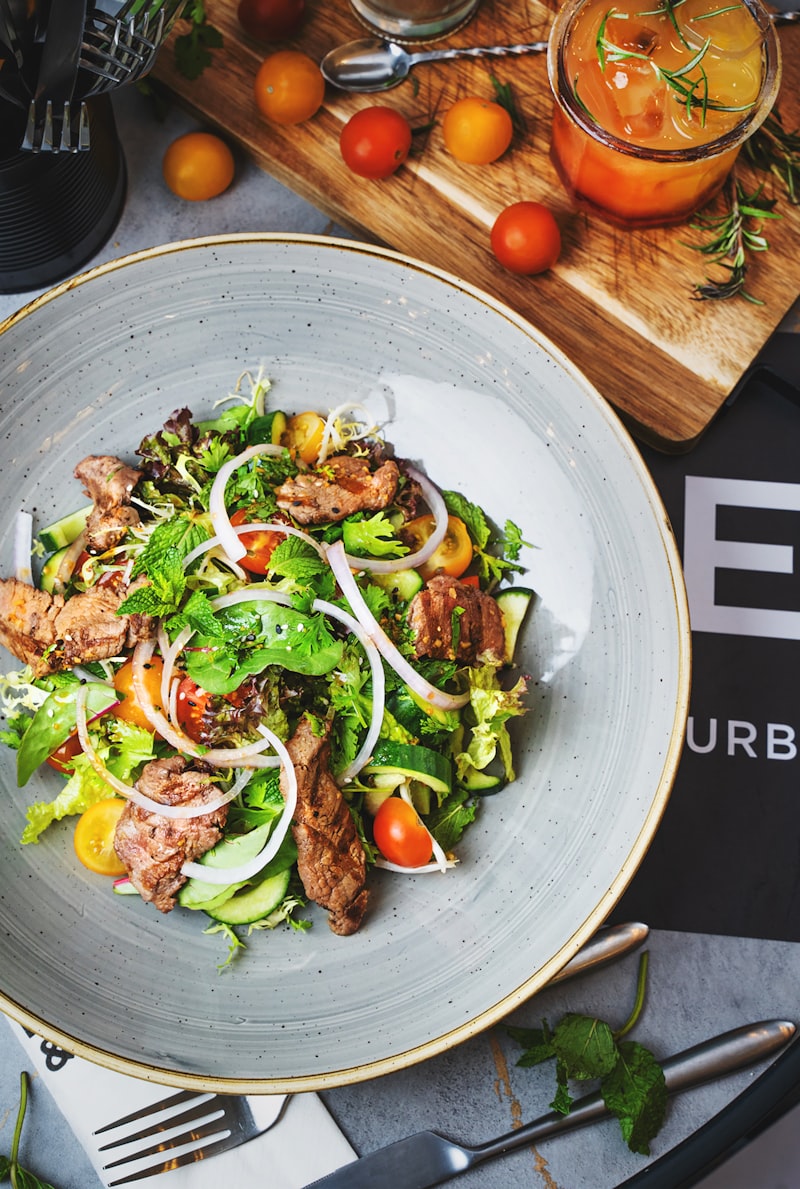
The quintessential Ouchi-juku experience. Hand-crafted buckwheat noodles are served in a chilled, savory dashi broth. The twist? You use a single, thick, curved green onion as your utensil. As you hook the noodles, you take bites of the onion, the sharp, spicy crunch perfectly cutting through the earthy richness of the buckwheat. It is a playful yet deeply traditional sensory explosion.
Shingoro (Grilled Miso Rice Skewers)
A rustic delicacy that defines mountain comfort. Pounded non-glutinous rice is shaped into balls on a skewer, smothered in a thick, decadent paste made from 'junen' (wild perilla/shiso) and sweet miso, then slow-grilled over charcoal. The exterior becomes a crisp, caramelized crust with a deep umami aroma, while the interior remains pillowy and steaming. It is the ultimate street food for a crisp afternoon.
Tochi-mochi (Horse Chestnut Rice Cake)
Taste the essence of the forest. These chewy rice cakes are made by incorporating carefully processed horse chestnuts into the dough, resulting in a unique, slightly bitter, nutty depth. Usually served with a dusting of golden kinako (roasted soybean powder) or a dollop of sweet red bean paste, the balance of earthy and sweet is sophisticated and incredibly satisfying.
Premium Stays
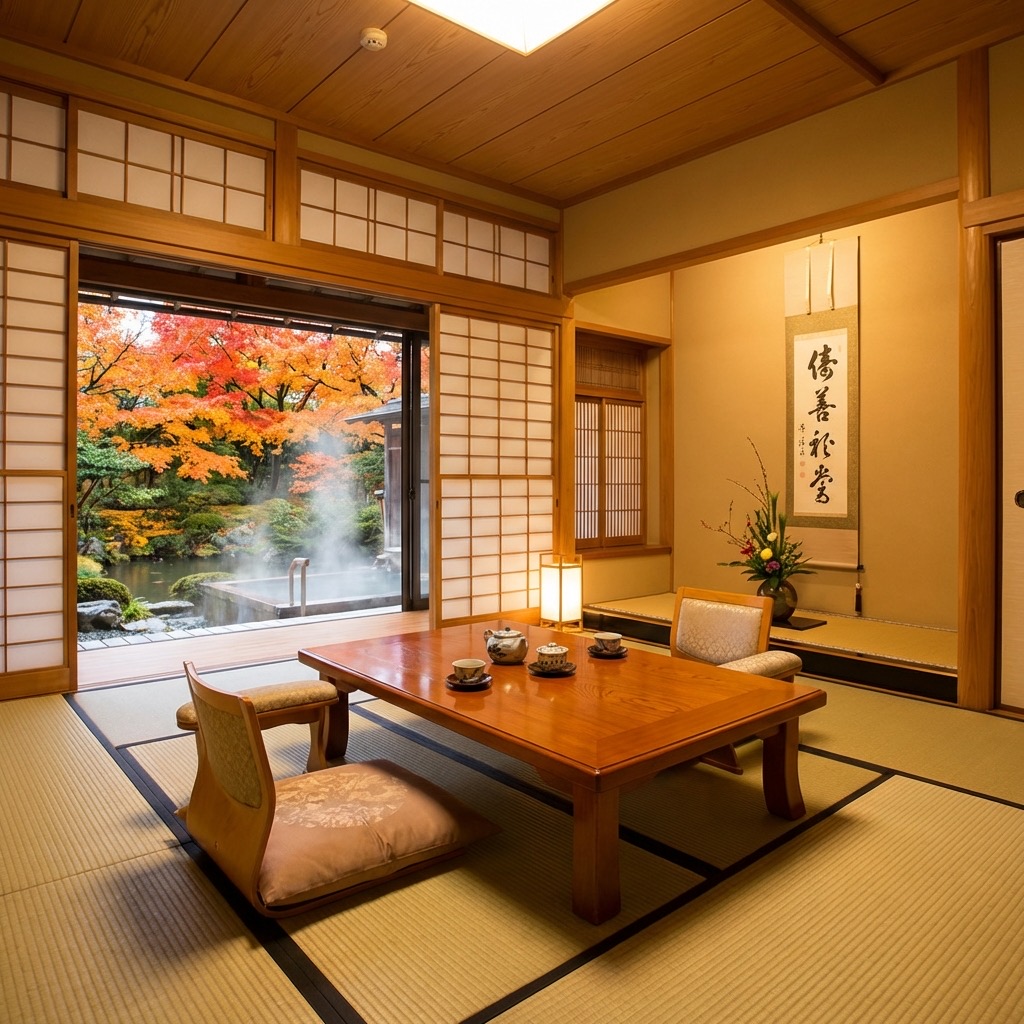
For the most immersive experience, I recommend staying in nearby Aizu-Wakamatsu for modern luxury, or securing one of the very few traditional rooms within Ouchi-juku itself for a night of absolute silence.
Getting There
Take the JR Banetsu West Line to Aizu-Wakamatsu, then the Aizu Railway to Yunokami Onsen Station. From there, the 'Saruyu-go' bus runs to the village. Note: Buses are seasonal and infrequent, so always check the latest timetable at the station.
FAQ
Inspired?
Share this destiny with someone special.