Ibaraki
Welcome to Kairakuen Garden
Step into a living scroll where the philosophy of 'Kairaku'—the joy of sharing pleasure with the people—manifests in a breathtaking landscape of 3,000 plum trees. As you wander through the labyrinthine paths of Kairakuen, one of Japan’s Three Great Gardens, the air carries the intoxicating, honeyed scent of early spring blooms. This is not merely a park; it is a sensory masterpiece designed by Nariaki Tokugawa to harmonize the mind and spirit. From the dark, meditative depths of the cedar groves to the explosive light of the plum orchards, the garden offers a rhythmic transition between 'yin' and 'yang' that resonates with the soul of every traveler seeking profound beauty.
Kobuntei Three-Story Pavilion
An architectural jewel that served as a retreat for poets and lords alike. The interior is a masterclass in Edo-period aesthetics, featuring delicate fusuma-e (sliding door paintings) of seasonal flora. Ascending to the top floor reveals a panoramic vista where the garden’s plum canopy meets the shimmering waters of Lake Senba. The tactile sensation of the smooth, aged wood beneath your feet and the silent grace of the tatami rooms transport you to an era of refined contemplation and artistic fervor.
The Moso Bamboo Grove
Enter a realm of vertical serenity where over 1,000 thick-stemmed Moso bamboo stalks reach toward the heavens. The soundscape here is transformative—the hollow 'clack' of swaying bamboo and the rustle of leaves create a natural symphony that drowns out the modern world. This 'Yin' section of the garden provides a cooling, emerald-hued sanctuary that contrasts sharply with the vibrant colors of the orchards. It is a place for deep breathing and grounding, where the filtered sunlight creates a dancing mosaic on the mossy floor.
Tokiwa Jinja Shrine
Located just adjacent to the garden's main entrance, this spiritual powerhouse honors the legacy of the Tokugawa lords. The air is thick with the scent of incense and the crispness of sacred space. Visitors flock here to pray for academic success and protection, making it a vibrant hub of local faith. The shrine’s bright vermillion accents and meticulously maintained grounds offer a spiritual bookend to your garden wanderings, connecting the natural beauty of Kairakuen to the divine lineage that created it.
Local Soul Food
Tastes you can't find anywhere else.

Hitachi Wagyu Steak
Indulge in Ibaraki's premium beef, renowned for its velvety marbling and an umami profile that dances on the palate. Each bite offers a buttery melt-in-the-mouth sensation, typically seared to perfection over binchotan charcoal. The rich, nutty aroma of the fat is balanced by a touch of local wasabi, elevating the dining experience to a level of pure decadence that defines Japanese luxury.
Mito Natto (Traditional Straw-Wrapped)
Experience the legendary 'soul food' of Mito. Unlike mass-produced versions, this natto is fermented in traditional rice straw, imparting a deep, earthy fragrance and a robust, complex flavor profile. The texture is famously sticky and rich, often enjoyed with a dash of dashi-shoyu and hot mustard over steaming bowls of local Ibaraki rice. It is an acquired but essential taste for the true cultural connoisseur.
Kairakuen Ume-Yokan
A delicate, translucent jelly made from sweetened bean paste and infused with the tart essence of local plums. This confectionery masterpiece captures the fleeting beauty of the plum season. The balance of the sugary base with the sharp, acidic snap of the fruit creates a refreshing finish. Often served with a bowl of frothy matcha, it is a visual and gustatory tribute to the garden itself.
Premium Stays
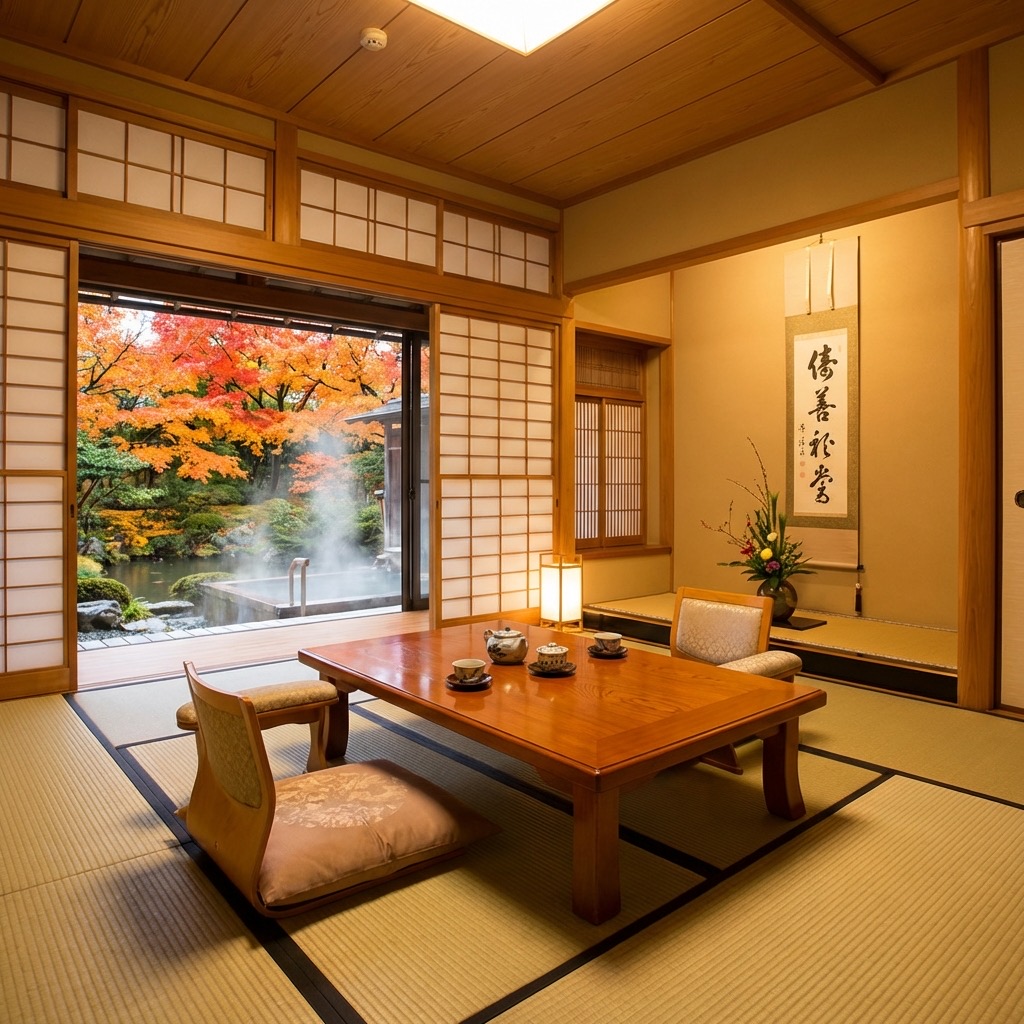
For the ultimate experience, stay near Mito Station for seamless access to the garden via a short bus ride or a scenic walk along Lake Senba. This area blends urban convenience with the tranquility of the nearby parklands.
Getting There
From Tokyo, take the JR Joban Line 'Hitachi' or 'Tokiwa' Limited Express from Ueno Station directly to Mito Station. During the Plum Festival, some trains stop at the temporary 'Kairakuen Station' which is steps from the gate.
FAQ
Inspired?
Share this destiny with someone special.