Saitama
Welcome to Nagatoro
Nestled in the emerald embrace of Saitama, Nagatoro is a sanctuary where the elements converge in poetic harmony. Here, the Arakawa River carves through ancient metamorphic rock, creating a landscape so profound it has been designated a National Treasure. As a consultant for the discerning traveler, I invite you to experience more than just a destination; Nagatoro is a sensory journey. Feel the cool, saline mist of the rapids against your skin, inhale the incense-laden air of centuries-old shrines, and witness the kaleidoscope of maples reflecting off the crystal-clear currents. Whether you are seeking the spiritual resonance of the 'Power Spots' or the adrenaline of a traditional river descent, Nagatoro offers a refined escape from the neon pulse of Tokyo, promising a return to the soul of Japan.
Iwadatami (Rock Tatami)
Step onto a geological masterpiece where the earth’s crust has been peeled back to reveal vast, flat tiers of crystalline schist. Spanning over 600 meters along the Arakawa River, these 'Rock Tatami' offer a tactile connection to the Paleozoic era. Walking across the scorched-silver surface, you feel the immense pressure of tectonic history beneath your boots. The contrast between the jagged, layered cliffs and the deep turquoise pools of the river creates a visual drama that has inspired poets for generations. It is a place of profound stillness and raw, elemental power.
Hodosan Shrine
Awarded a star by the Michelin Green Guide, Hodosan Shrine is a bastion of spiritual elegance located at the foot of the mountain of the same name. Founded nearly 1,900 years ago, the shrine is a riot of intricate wood carvings and vibrant pigments that depict ancient myths. The air here is thick with the scent of cedar and old growth forest. As you ascend the stone steps, the 'Power Spot' energy is palpable—a serene weightiness that commands quiet reflection. It is particularly famed for protection against fire and theft, offering a sense of divine security.
Nagatoro River Boating
Surrender to the rhythm of the Arakawa in a traditional flat-bottomed wooden boat, skillfully piloted by boatmen using only long bamboo poles. This is not merely transport; it is a performance. As you navigate the 'Oyana' rapids, the sudden spray of cold river water provides a visceral thrill, followed by the meditative silence of the 'Doro'—the deep, calm stretches where the boat glides like a leaf. The perspective from the water level transforms the Iwadatami cliffs into towering cathedrals of stone, offering a vantage point unavailable to those on shore.
Local Soul Food
Tastes you can't find anywhere else.

Asami Reizo Natural Shaved Ice
This is not your average dessert; it is a frozen miracle. Sourced from natural spring water frozen slowly in mountain pools, the ice is shaved into a cloud-like fluff that evaporates on the tongue without a hint of brain freeze. Drizzled with artisanal syrups like dark brown sugar or white peach, each spoonful is a pure, refreshing crystalline dream.
Salt-Grilled Ayu (Sweetfish)
Caught from the cold currents of the Arakawa, the Ayu is skewered in a wave-like 'S' shape and grilled over charcoal. The skin is blistered to a salty crisp, while the white flesh underneath remains incredibly moist and subtly sweet, with a unique aroma reminiscent of melon or cucumber. It is the quintessential taste of a Japanese summer.
Waraji Katsudon
A hearty Chichibu specialty featuring two enormous breaded pork cutlets that resemble 'Waraji' (traditional straw sandals). The cutlets are dipped in a secret, savory-sweet soy glaze rather than eggs, ensuring the panko crust retains its satisfying crunch. Served over a steaming bed of local rice, it is a soul-warming meal for the hungry explorer.
Premium Stays
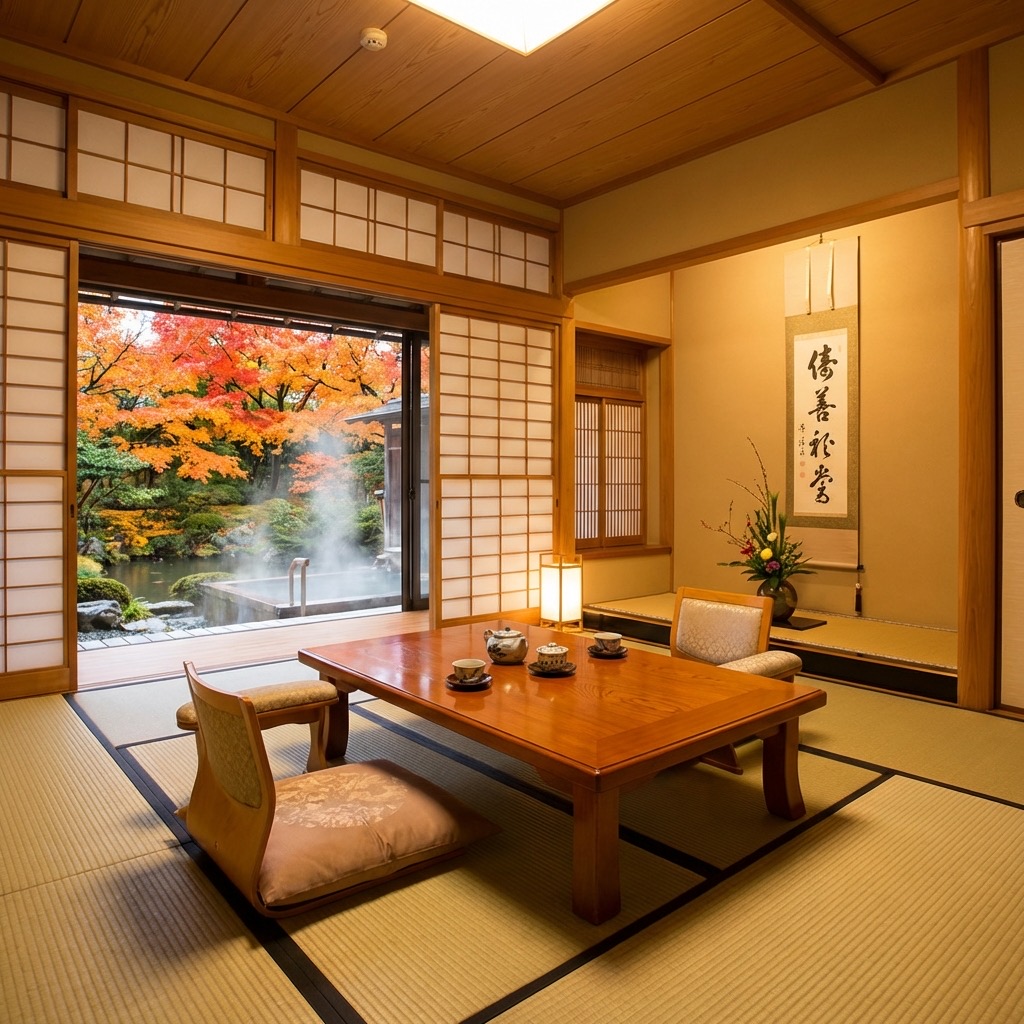
For the ultimate Nagatoro experience, prioritize properties along the Arakawa River to wake up to the sound of flowing water, or near Nagatoro Station for seamless access to the main attractions.
Getting There
From Tokyo (Ikebukuro Station), take the Seibu Red Arrow Limited Express to Seibu-Chichibu, then transfer to the Chichibu Railway for Nagatoro. Trains run roughly twice per hour; check schedules to minimize wait times.
FAQ
Inspired?
Share this destiny with someone special.