Aomori
Welcome to Hirosaki Park
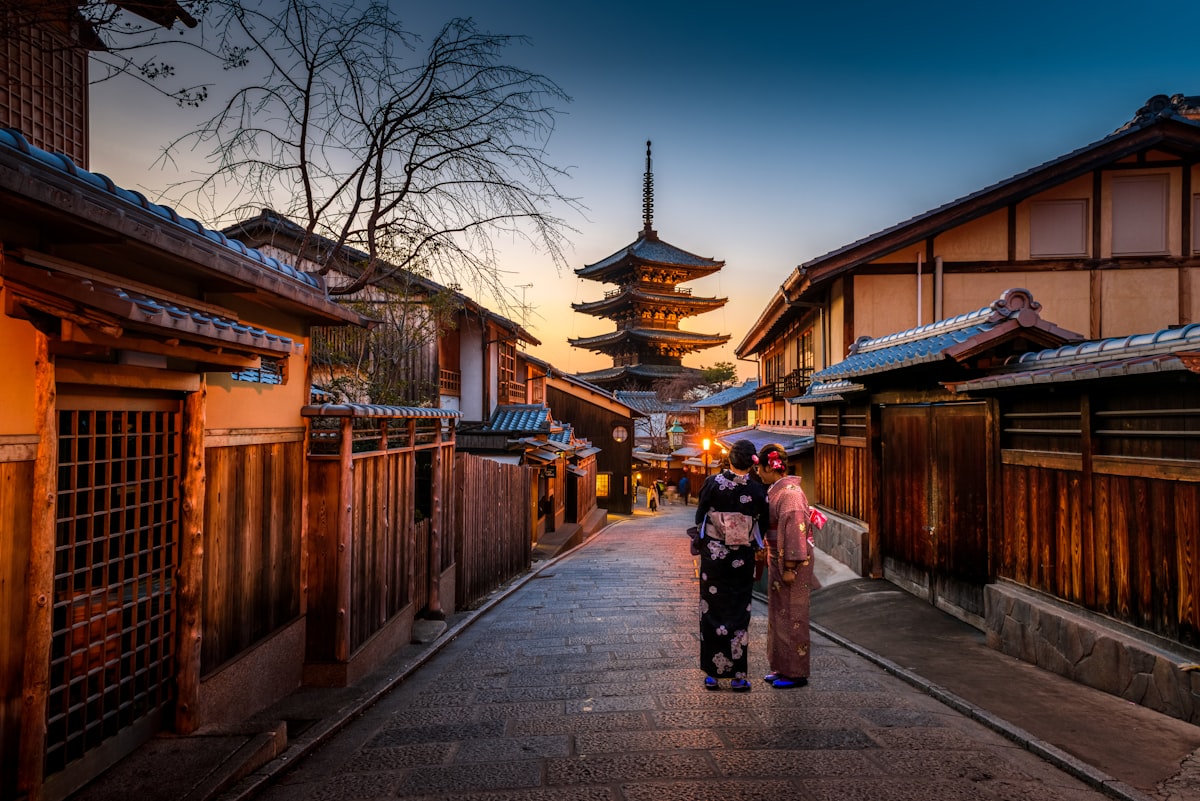
Stepping into Hirosaki Park is like inhaling the very essence of feudal Japan. This is not merely a park; it is a 50-hectare living masterpiece where the crisp, northern air carries the scent of pine and centuries of history. As the sun dips below the horizon, the castle’s white walls glow with an ethereal luminescence, reflected in moats that transform into liquid mirrors. Whether you are navigating the labyrinthine paths under a canopy of 2,600 cherry trees or feeling the cool dampness of moss-covered stone walls, the atmosphere is thick with a quiet, powerful grace. It is a place that demands you slow down, breathe deeply, and witness the fleeting beauty of the seasons in their most majestic form.
The Three-Story Keep (Tenshu)
The crown jewel of the park, this Edo-period watchtower stands as a testament to Tsugaru resilience. Small in stature but immense in character, the keep offers a panoramic view of Mount Iwaki, often called the 'Fuji of Tsugaru.' To touch its weathered timber is to connect with the 17th century. During the massive 'moving' project, the entire structure was shifted without being dismantled—a feat of modern engineering honoring ancient heritage. The contrast of the white plaster against the deep green pines is a visual feast for any connoisseur of Japanese aesthetics.
Shun-yo Bridge
Spanning the western moat, this iconic red bridge provides the quintessential Hirosaki photograph. Here, the 'Hana-ikada' (flower carpet) phenomenon reaches its peak, as millions of fallen petals choke the water in a thick, velvety layer of pink. The air here is cooler, carrying the faint, sweet perfume of decaying blossoms and the saline hint of the nearby Sea of Japan winds. Walking across, the rhythmic 'clack' of wooden geta on the boards creates a hauntingly beautiful soundtrack to your journey through the park's most romantic corridor.
Fujita Memorial Garden
Located just outside the castle gates, this sprawling Taisho-era garden is a masterclass in 'shakkei' (borrowed scenery). It features a dramatic 13-meter waterfall and a traditional tea house where the sound of rushing water provides a meditative backdrop. The garden is split into a highland section with a Western-style villa and a lowland Japanese stroll garden. The tactile contrast between the sharp, geometric lines of the red-brick architecture and the soft, organic curves of the manicured pines creates a sophisticated dialogue between East and West.
Local Soul Food
Tastes you can't find anywhere else.

Igamenchi (Minced Squid Fritters)
A soul-warming local staple, these fritters are a masterclass in texture. Fresh squid is finely minced with seasonal root vegetables and deep-fried until the exterior achieves a shattering crunch, while the inside remains tender and bursting with marine umami. The aroma of toasted batter and ginger is irresistible, especially when paired with a sharp local sake.
Hirosaki Apple Pie
As the apple capital of Japan, Hirosaki's pies are legendary. Imagine a crust so buttery it melts on contact, giving way to thick slices of 'Fuji' apples that have been caramelized to a perfect tart-sweet balance. The scent of cinnamon and warm fruit wafts through the streets of the castle town, a sensory invitation to indulge in Aomori’s pride.
Kenoshiru (Miso Root Vegetable Soup)
This traditional winter dish is a hearty symphony of diced radish, carrot, burdock, and freeze-dried tofu, all simmered in a rich, earthy miso broth. It is a 'power food' designed to sustain the spirit during Aomori’s heavy snows. Each spoonful provides a complex, savory depth that feels like a warm embrace for the palate.
Premium Stays
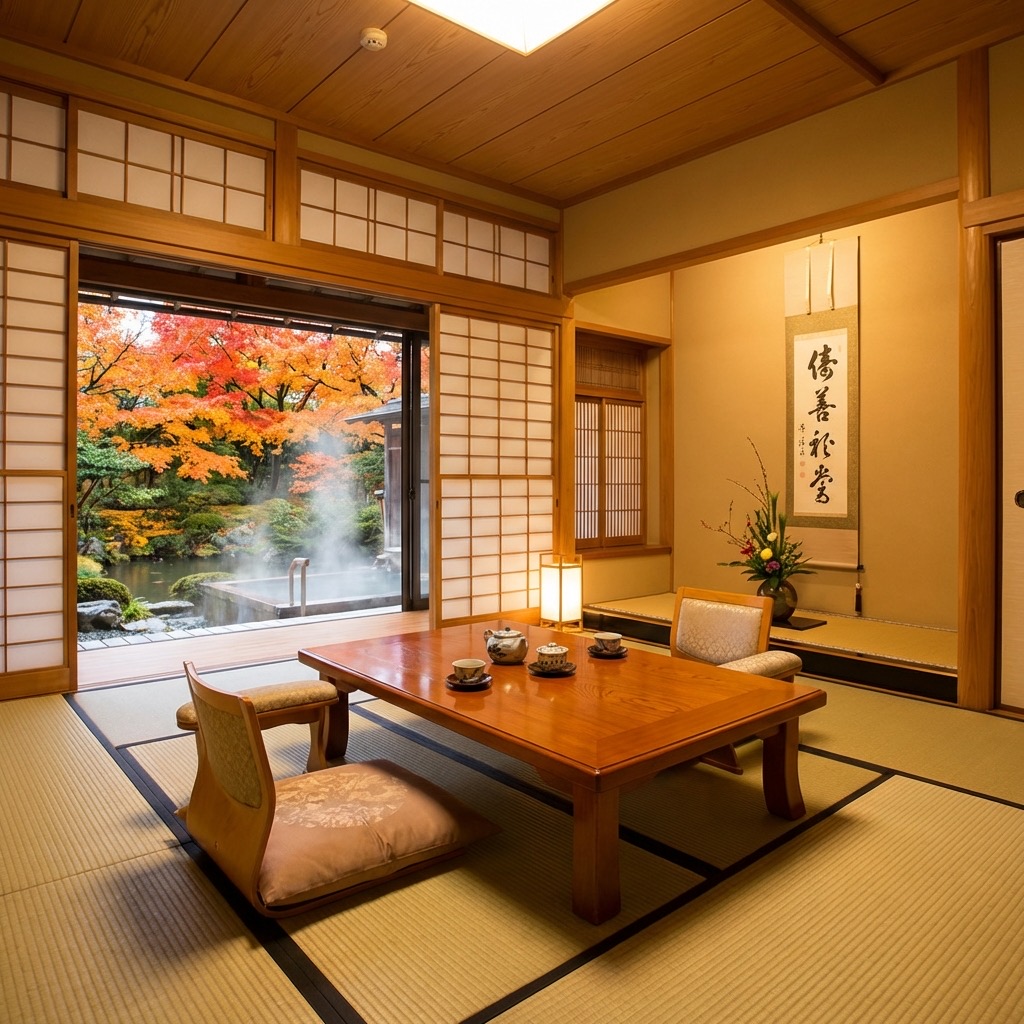
To truly capture the essence of Hirosaki, stay within walking distance of the park's East Gate. This area blends the sophistication of the castle town with modern convenience, allowing you to witness the park's transformation from misty dawn to illuminated night without the stress of transit.
Getting There
From JR Hirosaki Station, take the 'Dotemachi Loop Bus' which runs every 10 minutes. Alight at 'Shiyakusho-mae' (City Hall) for the most direct access to the park's main gate. Taxis are plentiful but can be slow during peak festival seasons.
FAQ
Inspired?
Share this destiny with someone special.