Welcome to Nakamise-dori
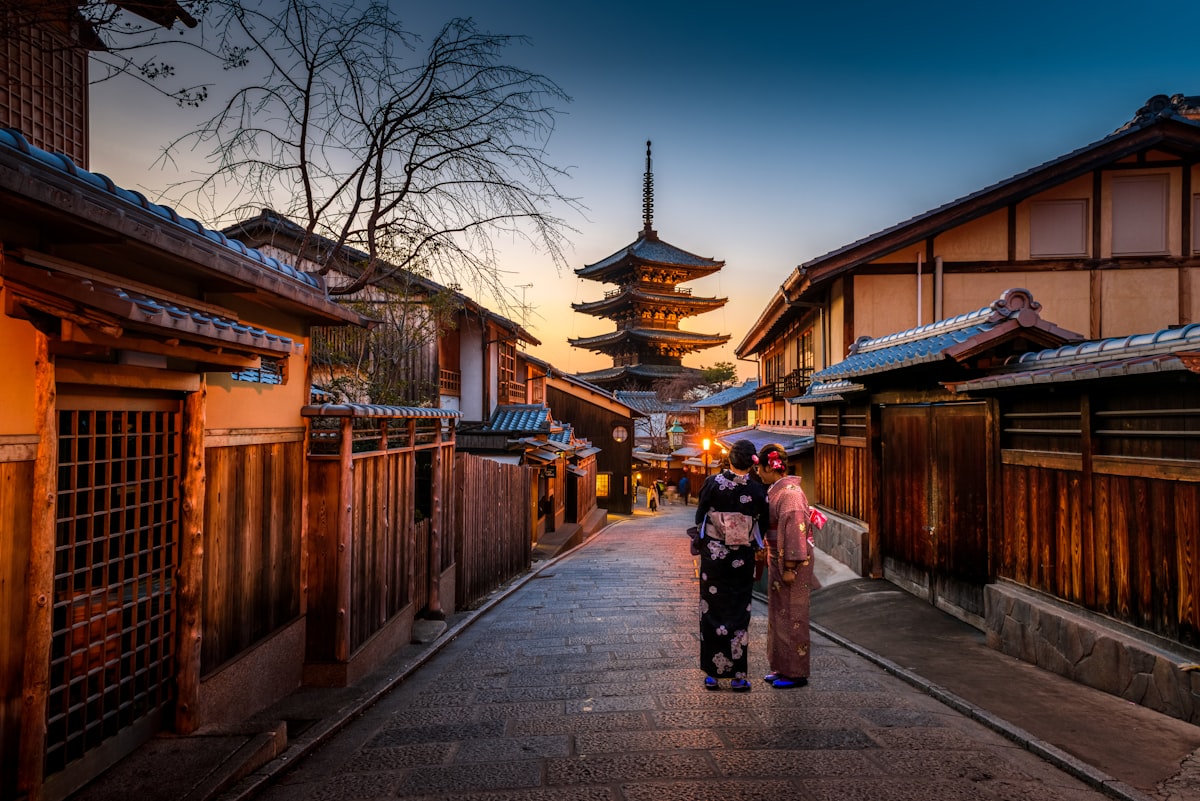
Nakamise-dori is not merely a street; it is a sensory portal through time. As you step beneath the Kaminarimon Gate, the scent of toasted rice and sweet incense envelops you, pulling you into a vibrant tapestry of crimson lanterns and centuries-old craftsmanship. This is the spiritual artery of Asakusa, where the rhythmic clack of wooden sandals on stone echoes against the modern hum of the city. Every stall tells a story of heritage, offering a tactile connection to Japan’s storied past. Whether you are seeking a moment of quiet reflection at Senso-ji or the bustling energy of the marketplace, Nakamise-dori promises an emotional journey that lingers long after the sun sets behind the pagoda.
Senso-ji Temple
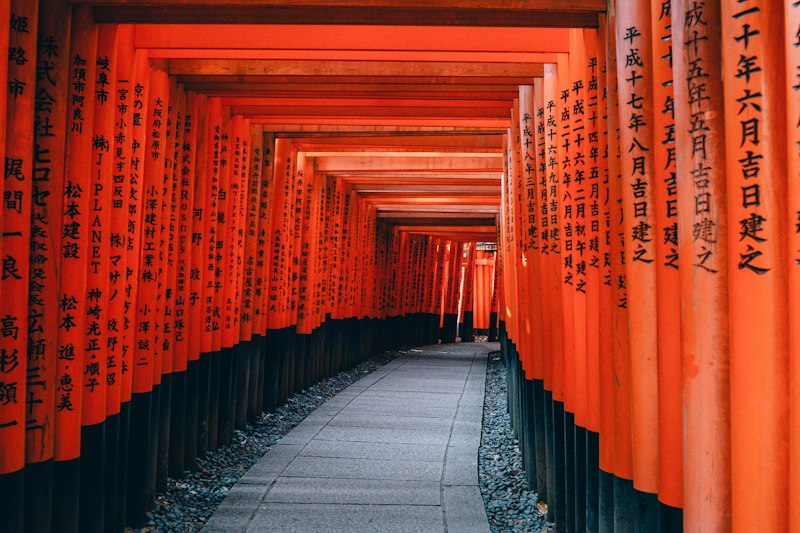
The climax of the Nakamise pilgrimage, Senso-ji is Tokyo's oldest temple, radiating a profound spiritual energy. Stand before the great incense burner, the Jokoro, and draw the sacred smoke toward you—a ritual believed to grant healing and clarity. The architecture is a masterclass in Buddhist aesthetics, featuring vermilion pillars that glow with a celestial fire during the blue hour. As you approach the Main Hall, the sound of rhythmic chanting provides a meditative soundtrack to the visual feast of intricate woodcarvings and golden altars.
Kaminarimon Gate
An iconic threshold of thunder and wind, the Kaminarimon is the gateway to the sacred. Dominated by a massive red lantern weighing over 700 kilograms, the gate is guarded by the fierce statues of Fujin (the wind god) and Raijin (the thunder god). Touching the base of the lantern reveals the intricate dragon carving, a hidden detail representing the water god that protects the wooden structure from fire. It is a place of transition where the mundane world ends and the divine precinct begins.
Denbo-in Garden
A hidden sanctuary tucked behind the bustling stalls, Denbo-in is the private residence of the Senso-ji abbot. This strolling garden is a masterpiece of the Edo period, featuring a serene pond that reflects the five-story pagoda in its still waters. The air here is different—cooler and scented with damp moss and pine. It offers a rare moment of silence amidst the Asakusa chaos, where the only sound is the gentle splash of koi breaking the surface. It is the ultimate 'power spot' for inner peace.
Local Soul Food
Tastes you can't find anywhere else.

Freshly Toasted Age-Manju
Experience the ultimate textural contrast: a crisp, golden-fried exterior yielding to a heart of velvety, sweet red bean paste. The aroma of premium oil and toasted flour fills the air as these delicacies are plucked straight from the fryer. Each bite provides a warm, comforting embrace that defines the Asakusa street food experience.
Ningyo-yaki (Doll Cakes)
These bite-sized sponge cakes, molded into the shapes of pagodas and lanterns, are a tactile delight. The batter is light and airy, scented with a hint of honey, and filled with smooth koshian (strained bean paste). Watching the artisans operate the heavy iron molds is a hypnotic performance that precedes the sweet, melt-in-your-mouth payoff.
Kibi-dango (Millet Dumplings)
A nostalgic journey in every skewer. These soft, chewy millet dumplings are generously dusted with kinako—a toasted soybean powder that offers a nutty, savory-sweet profile. Served warm, they are traditionally paired with a cup of chilled, frothy matcha or sweet amazake, creating a harmonious balance of flavors that has delighted travelers for centuries.
Premium Stays
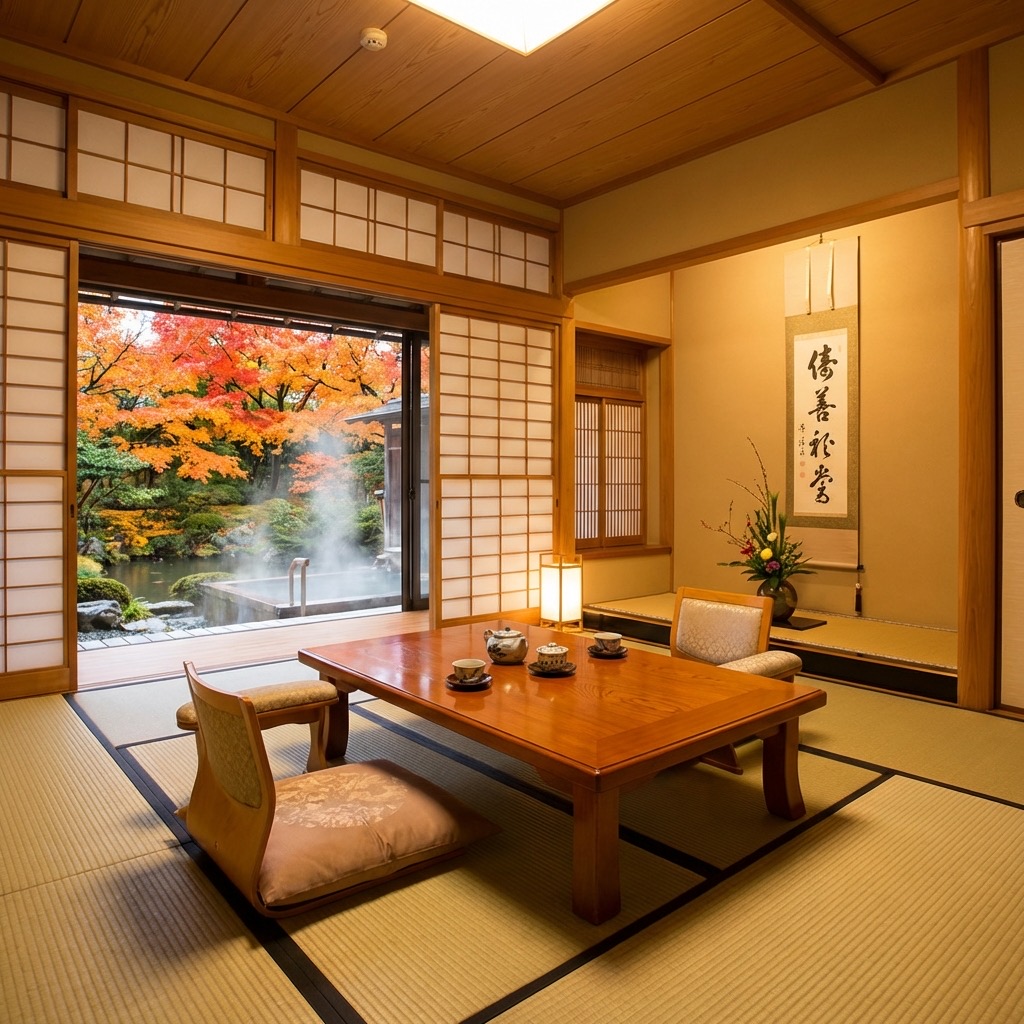
To truly capture the essence of Asakusa, stay within walking distance of Senso-ji. This allows you to witness the area's transition from a bustling market to a silent, illuminated sanctuary at night.
Getting There
The most seamless access is via the Tokyo Metro Ginza Line or Toei Asakusa Line to Asakusa Station. Exit 1 or 3 leads you directly toward the Kaminarimon Gate. Trains run every 3-5 minutes, making it highly accessible from anywhere in Tokyo.
FAQ
Inspired?
Share this destiny with someone special.