Welcome to Chureito Pagoda
Standing before the Chureito Pagoda is more than a photo opportunity; it is a profound sensory encounter with the heart of Yamato. As the morning mist clings to the slopes of Mount Arakura, the scent of ancient cedar and damp earth fills your lungs, grounding you before the ascent. The five-storied pagoda, a vibrant vermillion sentinel, stands in perfect harmony with the snow-capped symmetry of Mount Fuji. This is a place where time slows, and the frantic energy of Tokyo is replaced by the rhythmic chime of wind bells and the soft rustle of cherry blossoms or autumn leaves. To witness the first light of dawn hitting the pagoda’s eaves is to understand the true aesthetic of Japan: ephemeral, resilient, and breathtakingly beautiful.
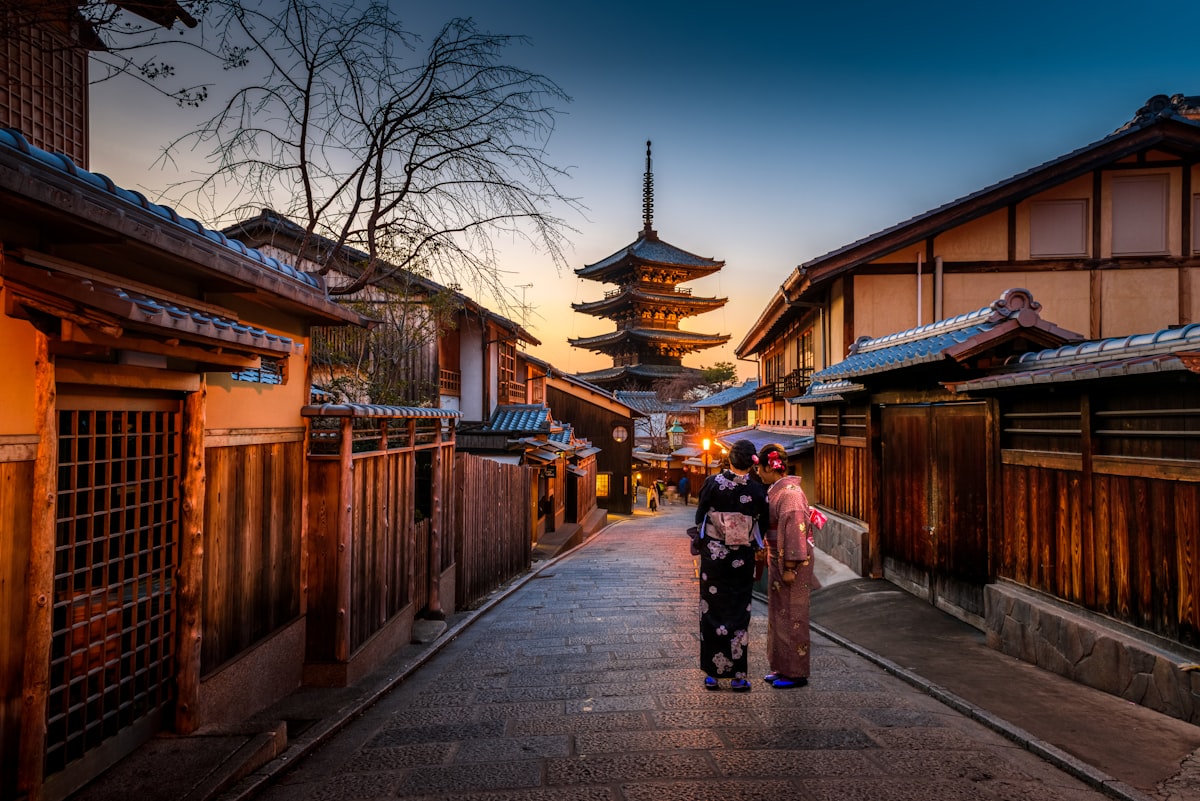
Arakurayama Sengen Park Observation Deck
This is the definitive vantage point of Japan. From this elevated deck, the Chureito Pagoda appears to float atop a sea of foliage, with the majestic Mount Fuji serving as an immovable backdrop. The air here is thin and crisp, carrying the faint aroma of mountain pine. As the sun shifts, the colors of the pagoda transform from a deep blood-orange to a brilliant, fiery red. It is a cinematic experience that demands silence and reverence, offering a visual symphony that defines the very essence of Japanese landscape aesthetics.
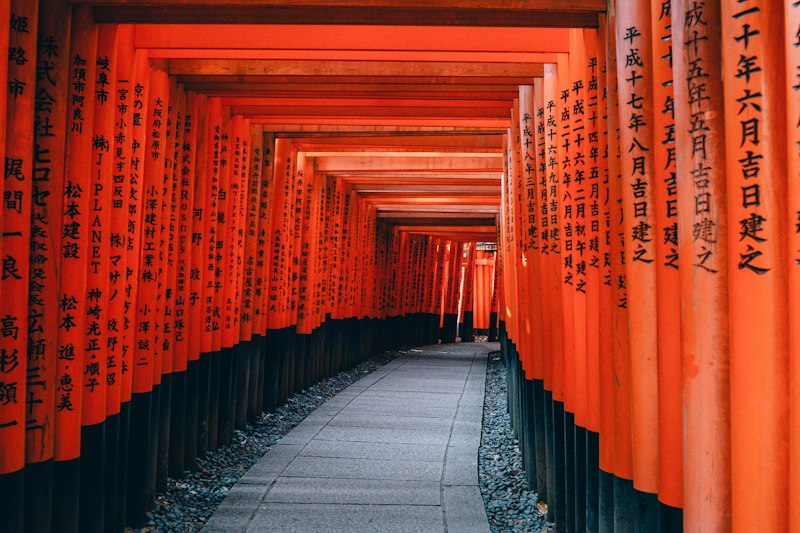
Arakura Fuji Sengen Shrine
Located at the base of the mountain, this sacred site serves as the spiritual gateway to the pagoda. The shrine is dedicated to Princess Konohanasakuya, the deity of Mount Fuji. Walk through the towering stone torii gate and feel the immediate drop in temperature as the dense canopy provides a natural sanctuary. The sound of purifying water at the chozuya fountain and the sight of white paper fortunes fluttering in the breeze create an atmosphere of profound serenity. It is the perfect place to offer a prayer for a safe journey up the mountain.
The Sakuya-hime Steps
The journey to the pagoda is a physical meditation. These 398 stone steps, named after the goddess of the mountain, wind through a lush forest. With every step, the urban sprawl of Fujiyoshida fades, replaced by the rhythmic sound of your own breath and the chirping of mountain birds. The climb is invigorating, a tactile experience of stone and wood that heightens your anticipation. Reaching the top provides a sense of accomplishment that makes the final view of the pagoda feel earned and deeply personal.
Local Soul Food
Tastes you can't find anywhere else.

Houtou Noodles
The ultimate soul food of Yamanashi. Imagine thick, flat wheat noodles hand-kneaded and simmered in a rich, velvety miso broth. The soup is packed with chunks of sweet kabocha squash that melt into the liquid, adding a golden hue and earthy sweetness. Every spoonful is a warm embrace, perfect after a chilly morning hike.
Yoshida Udon
Known for having the firmest texture in Japan, these noodles offer a satisfying, chewy resistance. Served in a savory dashi made from dried sardines and soy sauce, it is typically topped with boiled cabbage and horse meat. The addition of 'suridane'—a spicy blend of chili and sesame—adds a complex, lingering heat that awakens the palate.
Shingen Mochi
A delicate dessert consisting of silk-soft rice cakes heavily dusted with nutty, toasted kinako (soybean) powder. You drizzle a glossy, obsidian-black brown sugar syrup over the mochi, creating a perfect balance of earthy and sweet. The texture is ethereal, dissolving almost instantly on the tongue.
Premium Stays
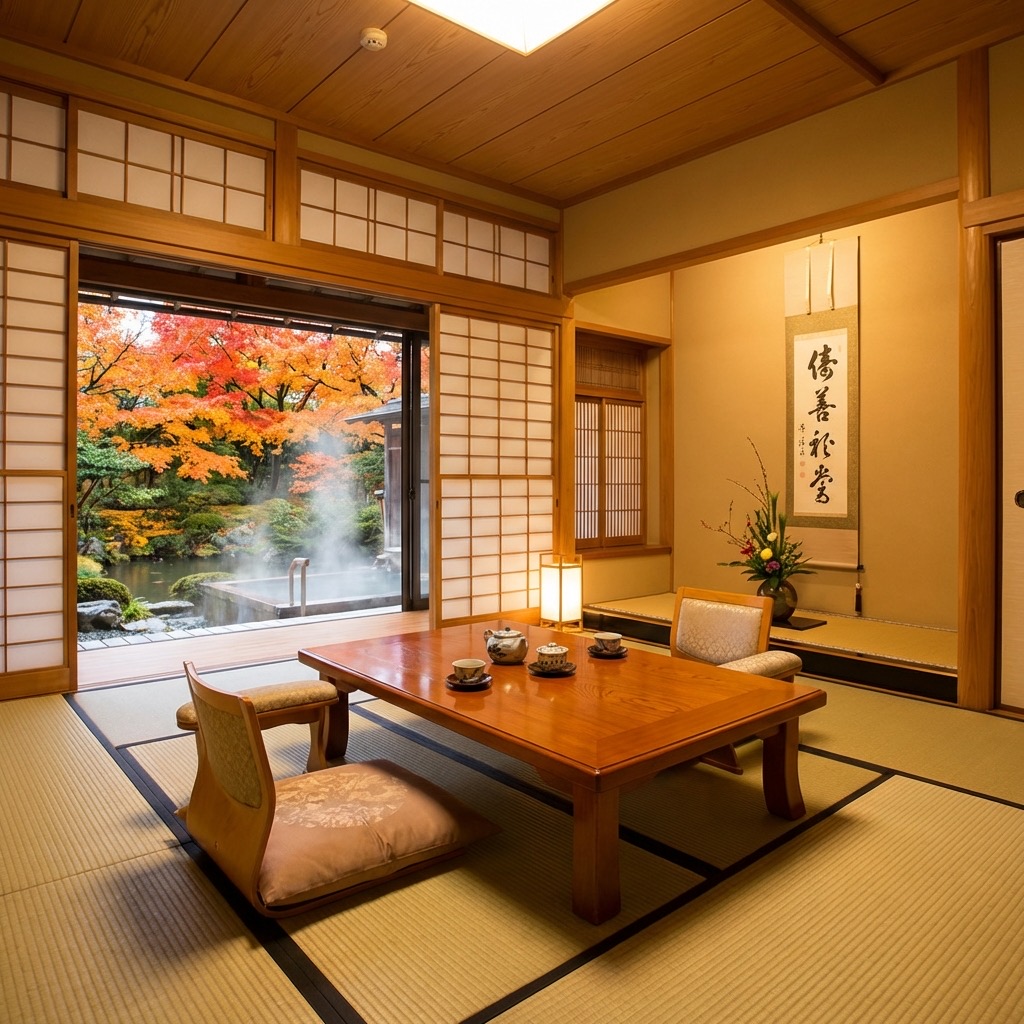
To truly experience the magic of Chureito, stay in the Fujiyoshida area. This allows you to reach the pagoda at dawn before the tour buses arrive from Tokyo, ensuring a private audience with the mountain.
Getting There
Take the JR Chuo Line from Shinjuku to Otsuki Station, then transfer to the Fujikyu Railway for Shimoyoshida Station. From the station, it is a clearly marked 10-minute walk to the base of the shrine. Trains run approximately every 30 minutes.
FAQ
Inspired?
Share this destiny with someone special.