Tokushima
Welcome to Iya Valley
Deep within the rugged heart of Shikoku lies the Iya Valley, a realm of ethereal beauty where the air tastes of cedar and cold mountain springs. This is one of Japan's three 'hidden' regions, a sanctuary of steep limestone cliffs and emerald-green waters that once shielded the defeated Heike clan. As a consultant for the discerning traveler, I invite you to step into a landscape that feels like a living ukiyo-e painting. Here, the silence is profound, broken only by the rhythmic chant of the river below and the rustle of ancient forests. It is a place for soul-searching, where luxury is found in the stillness of a morning fog and the warmth of a hearth-side meal.
Iya no Kazurabashi
Suspended 14 meters above the rushing Iya River, this bridge is a masterpiece of primitive engineering. Crafted from thirteen tons of mountain vines, it creaks and sways with every step, offering a visceral connection to the valley's samurai past. The tactile sensation of the rough vines beneath your palms and the sight of the turquoise water swirling between the wooden slats creates a heart-pounding yet meditative experience. It is a testament to resilience, rebuilt every three years to maintain its ancient strength.
Oboke Gorge Boat Cruise
Carved over 200 million years by the crystalline Yoshino River, Oboke Gorge features jagged, crystalline schist formations that resemble marble sculptures. Gliding through these waters on a traditional flat-bottomed boat, you are enveloped by the sheer verticality of the canyon. The water is so clear you can see the river trout darting beneath the surface. In autumn, the gorge transforms into a fiery corridor of crimson and gold, while spring brings the delicate scent of wild cherry blossoms clinging to the cliffs.
The Peeing Boy Statue (Manneken Pis)
Perched precariously on a rocky outcrop 200 meters above the valley floor, this whimsical bronze statue marks the spot where local children once tested their courage. The contrast between the playful figure and the terrifying drop below is striking. From this vantage point, the 'V' shape of the valley is most dramatic, offering a panoramic view that captures the sheer scale of Tokushima's wilderness. It is the ultimate 'power spot' for those seeking a perspective-shifting moment of vertigo and awe.
Local Soul Food
Tastes you can't find anywhere else.
Iya Soba
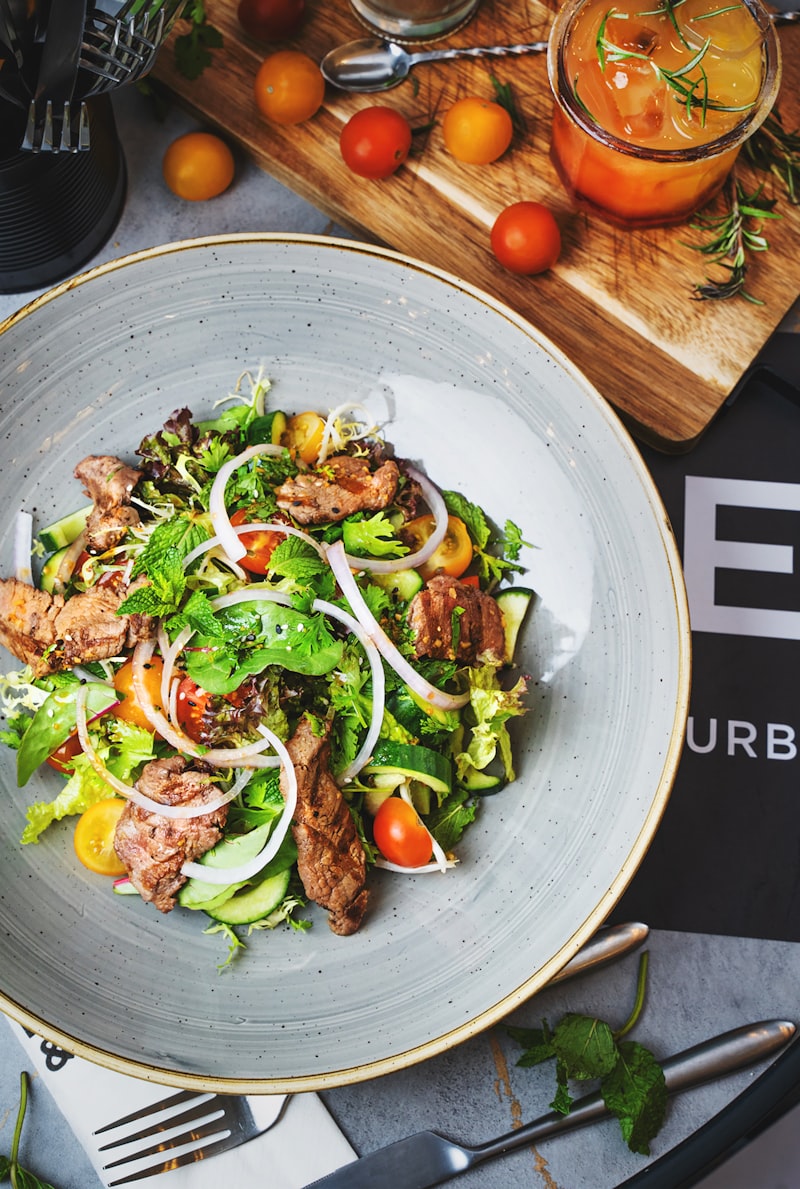
Unlike the refined noodles of Tokyo, Iya Soba is rustic and honest. Made with locally grown buckwheat and pure mountain water, the noodles are short, thick, and possess a delightful, earthy crumble. Served in a dashi broth infused with forest mushrooms, each bite delivers a nutty aroma that speaks of the valley's high-altitude terroir. It is soul food in its purest, most ancient form.
Dekomawashi
These traditional skewers feature local 'Goushu' potatoes, tofu, and konnyaku, slathered in a thick, sweet miso paste. They are slow-roasted over an open charcoal hearth (irori) until the miso caramelizes into a smoky, savory crust. The texture is a journey: the snap of the glazed skin giving way to the buttery softness of the mountain potato. It is the scent of the Iya winter.
Salt-Grilled Amago Trout
Freshly plucked from the icy currents of the Iya River, the Amago trout is skewered and placed upright around a sunken hearth. The salt-crust seals in the delicate juices, while the cherrywood smoke infuses the flesh with a subtle depth. The skin is crisp and saline, while the meat remains tender and sweet, falling effortlessly off the bone. It is the quintessential taste of the Japanese highlands.
Premium Stays
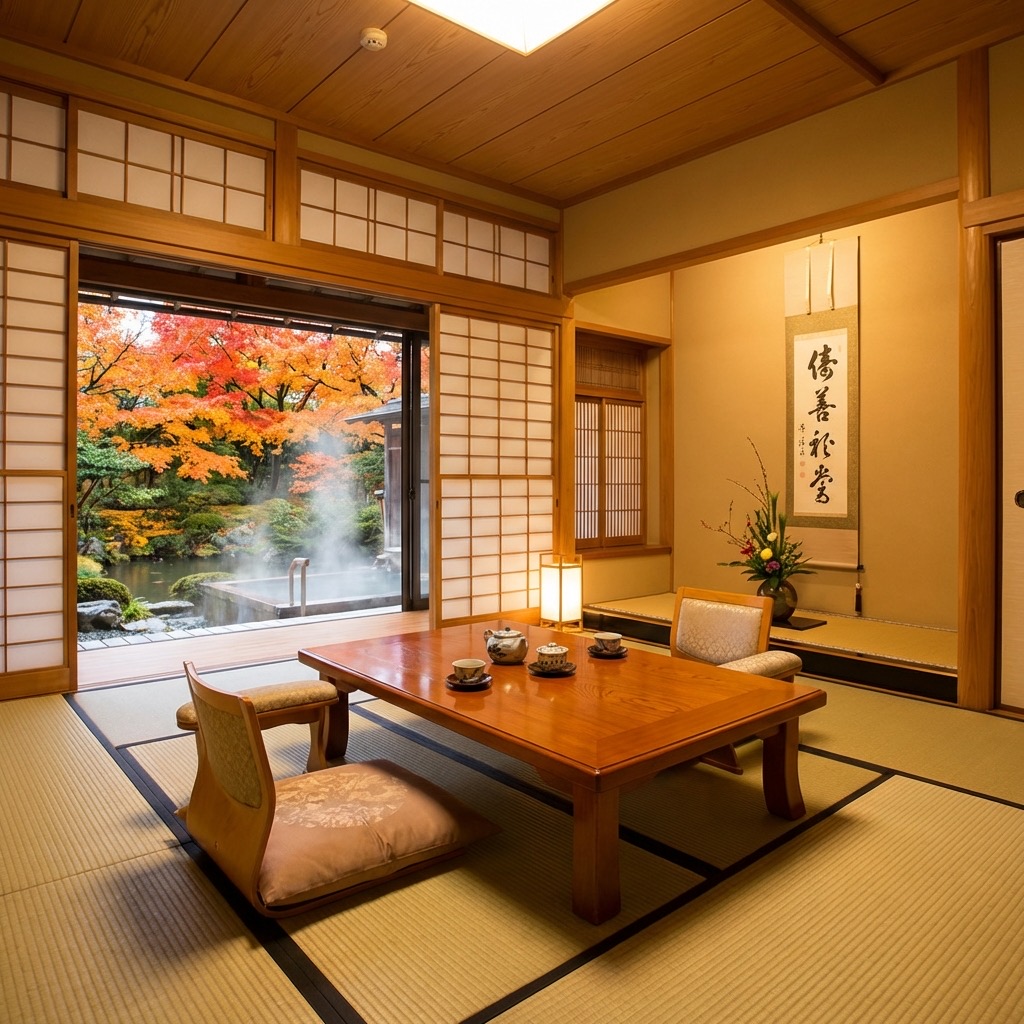
For the ultimate immersion, stay in the 'Hidden Valley' area. This allows you to experience the mystical morning mist before the day-trippers arrive. Luxury seekers should prioritize properties with private cable cars, while those seeking authenticity should look for restored thatched-roof farmhouses.
Getting There
Take the JR Dosan Line to Oboke Station. From there, local buses are available but infrequent (roughly 4-5 per day). For maximum freedom, renting a car from Takamatsu or Kochi is highly recommended as the valley's best spots are spread out.
FAQ
Inspired?
Share this destiny with someone special.