Kanagawa
Welcome to Kotoku-in Temple
As you pass through the Niomon Gate, the air shifts, carrying the saline mist of the nearby Sagami Bay mingled with the grounding scent of ancient cedar. Kotoku-in is not merely a temple; it is the home of the Daibutsu—a 13-meter bronze titan that has withstood tsunamis, earthquakes, and the relentless passage of seven centuries. The atmosphere is one of profound stillness, where the weight of the massive bronze creates a gravitational pull on the soul. Visitors are invited to shed the frantic pace of modern Tokyo and embrace the 'Mu'—the nothingness that leads to everything. Whether you are seeking spiritual clarity or architectural wonder, the weathered patina of the Great Buddha offers a silent, powerful sanctuary.
The Great Buddha (Daibutsu) Interior
While many admire the exterior, the true sensory experience lies within the hollow womb of the bronze giant. Step inside the statue to witness the intricate 13th-century casting techniques and the reinforced ribs that have kept the Buddha upright through centuries of natural disasters. The air inside is cool and carries a metallic tang, offering a literal 'inner' perspective on this National Treasure. It is a rare opportunity to be physically enclosed by a sacred monument of this scale.
Hase-dera Temple Garden
A short walk from Kotoku-in, Hase-dera offers a sensory explosion of seasonal blooms and panoramic ocean views. The temple is famous for its eleven-headed Kannon statue and the thousands of small Jizo statues that line the mossy paths. The scent of damp earth and blooming hydrangeas creates a lush contrast to the bronze austerity of the Daibutsu. Climb to the observation deck to see the coastline curving toward Enoshima, where the blue of the sky meets the deeper cerulean of the Pacific.
Yuigahama Beach Sunset
Complete your spiritual journey by walking down to the shoreline of Yuigahama. The transition from the silent temple grounds to the rhythmic crashing of waves provides a perfect meditative bookend to your day. As the sun dips below the horizon, the sky transforms into a canvas of bruised purples and fiery oranges, reflecting off the wet sand. It is the ultimate spot to process the day's reflections while the cool sea breeze clears the lingering scent of incense from your clothes.
Local Soul Food
Tastes you can't find anywhere else.

Kamakura Shirasu-don
The signature taste of the coast, featuring delicate, silver-whitebait (shirasu) served fresh or boiled over a bed of steaming local rice. The raw version offers a buttery melt-in-your-mouth texture with a hint of ocean brine, while the boiled version is fluffy and savory. Topped with freshly grated ginger and a splash of premium soy sauce, it is the quintessence of Kamakura's maritime heritage.
Kamakura Croquette
A beloved street food staple that offers a satisfying crunch followed by a velvety, steaming interior. These handmade croquettes often feature local ingredients like purple sweet potato or premium beef. The golden-brown breading is light and crisp, providing the perfect handheld snack as you navigate the bustling streets of Hase. The aroma of deep-fried comfort is impossible to resist.
Uji Matcha Soft Serve with Warabi Mochi
Indulge in the bittersweet depth of premium Uji matcha whisked into a creamy, frozen delight. This dessert is elevated by the addition of translucent, jelly-like warabi mochi dusted in toasted soybean flour (kinako). The contrast between the cold, smooth soft-serve and the chewy, nutty mochi creates a sophisticated textural harmony that cleanses the palate after a day of exploration.
Premium Stays
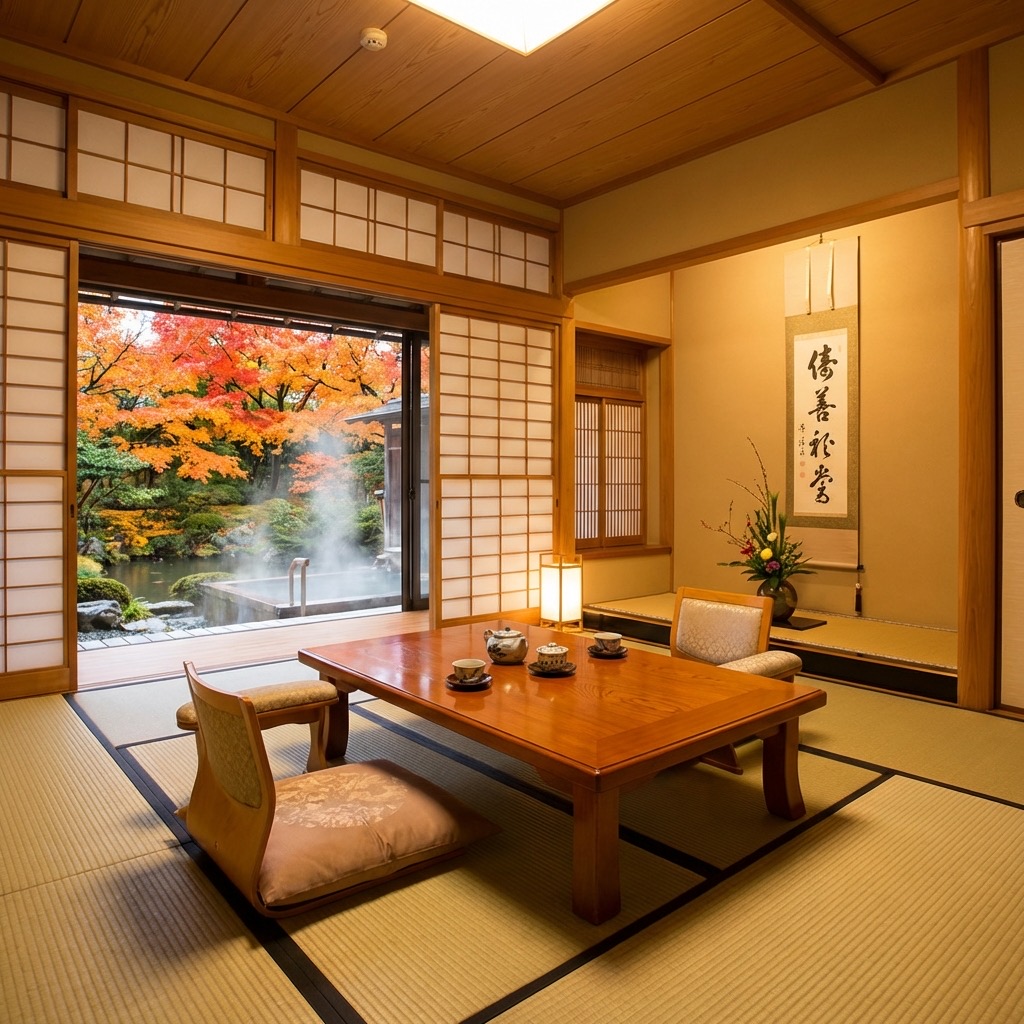
For the ultimate experience, stay in the Hase area to enjoy the temples in the quiet morning hours before the day-trippers arrive from Tokyo, or choose the beachside for a resort atmosphere.
Getting There
Take the JR Yokosuka Line from Tokyo Station to Kamakura Station (approx. 60 mins). Transfer to the Enoden (Enoshima Electric Railway) and get off at Hase Station. From there, it is a well-marked 7-minute walk to the temple gates. Trains run every 10-15 minutes.
FAQ
Inspired?
Share this destiny with someone special.