Niigata
Welcome to Hakusan Park
Stepping into Hakusan Park is like inhaling the very essence of Niigata’s history. Established as one of Japan's first public parks in 1873, this sanctuary offers a profound dialogue between Meiji-era sophistication and timeless spirituality. The air here is different—thick with the scent of aged cedar and the saline kiss of the nearby Sea of Japan. As you wander through its meticulously manicured landscapes, the frantic pace of modern life dissolves into the rhythmic sound of prayer bells and the gentle ripples of the lotus ponds. It is not merely a park; it is a 'power spot' where the locals come to seek blessings and the weary traveler finds a rare, contemplative stillness.
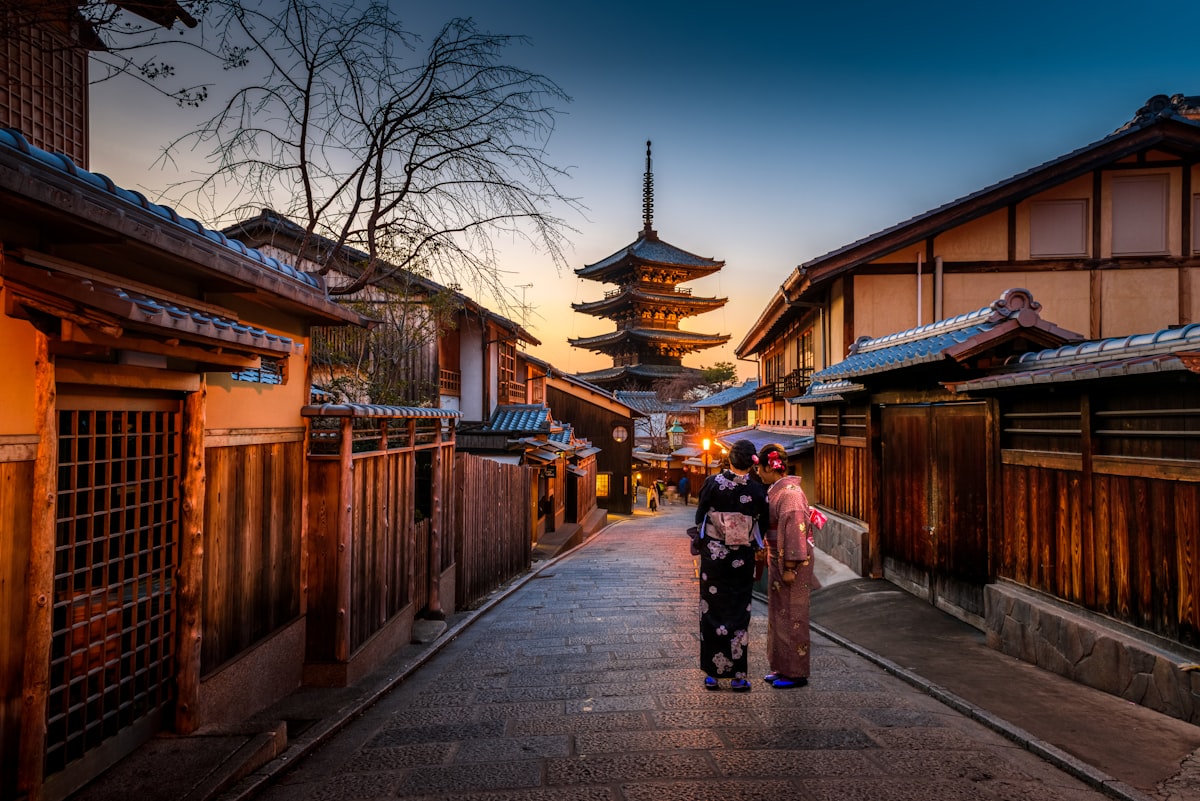
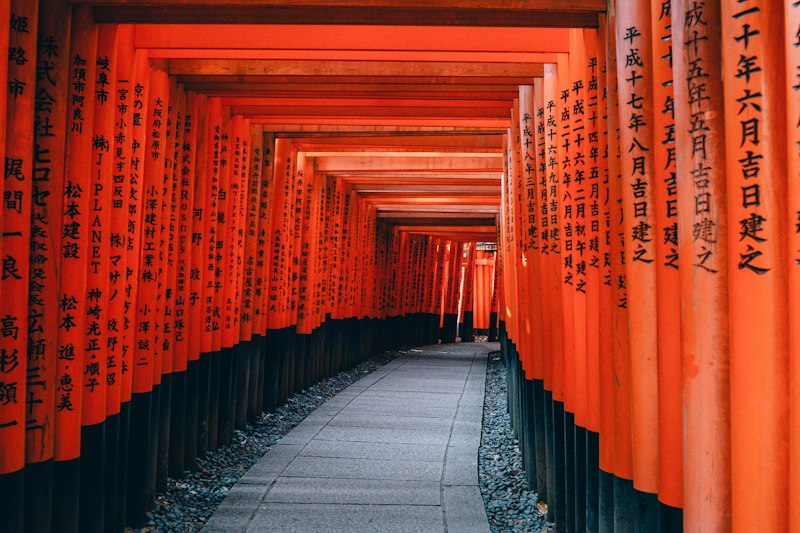
Niigata Hakusan Shrine
As the spiritual anchor of the park, Hakusan Shrine is a masterpiece of architectural devotion. Dedicated to Kukurihime-no-Kami, the deity of mediation and 'En-musubi' (binding fates), the shrine’s intricate wood carvings tell stories of centuries past. Feel the smooth, cool grain of the purification fountain’s stone and listen to the crisp clap of hands echoing through the courtyard. The energy here is palpable, especially during the Hakusan Festival when the grounds ignite with traditional music and the vibrant colors of local heritage.
Enshokan (The Memorial Hall)
A stunning relic of the Meiji era, the Enshokan stands as a testament to Niigata’s historical prominence. This Western-style wooden building, once the prefectural assembly hall, features grand balconies and elegant sash windows that overlook the greenery. Walking across the polished wooden floors, you can almost hear the rustle of silk gowns and the hushed debates of 19th-century statesmen. It provides a striking visual contrast to the traditional shrine nearby, offering a unique 'East-meets-West' aesthetic that is a photographer’s dream.
The Aerial Garden Ponds
The interconnected ponds of Hakusan Park are a living canvas that changes with the seasons. In summer, the water is obscured by the emerald leaves and delicate pink blooms of sacred lotuses, their petals holding droplets of morning dew like liquid diamonds. The stone bridges offer the perfect vantage point to watch koi fish glide through the dark, cool water. It is a sensory masterclass—the tactile crunch of gravel paths underfoot and the visual feast of weeping willows swaying in the coastal breeze.
Local Soul Food
Tastes you can't find anywhere else.

Niigata Noppe Stew
The ultimate Niigata soul food. This chilled or warm vegetable stew features a silky texture derived from grated taro. Every spoonful offers a complex harmony of earthy mushrooms, sweet carrots, and the luxurious, salty pop of salmon roe (ikura). The dashi base is subtle yet profound, warming the soul with its umami depth.
Tare-katsu Don
Unlike the heavy egg-bound katsu found elsewhere, Niigata’s version features thin, crispy pork cutlets flash-dipped in a secret sweet-soy 'tare' sauce. The result is a perfect balance of crunch and moisture, served over steaming Niigata Koshihikari rice. The aroma of caramelized soy is intoxicating and impossible to resist.
Sasa-dango
A sensory delight wrapped in bamboo leaves. These mugwort-infused rice cakes are filled with velvety red bean paste and steamed to perfection. Unwrapping the twine reveals a fragrant, dark green treasure that smells of the forest and tastes of traditional Japanese sweetness. It is the quintessential Niigata snack.
Premium Stays
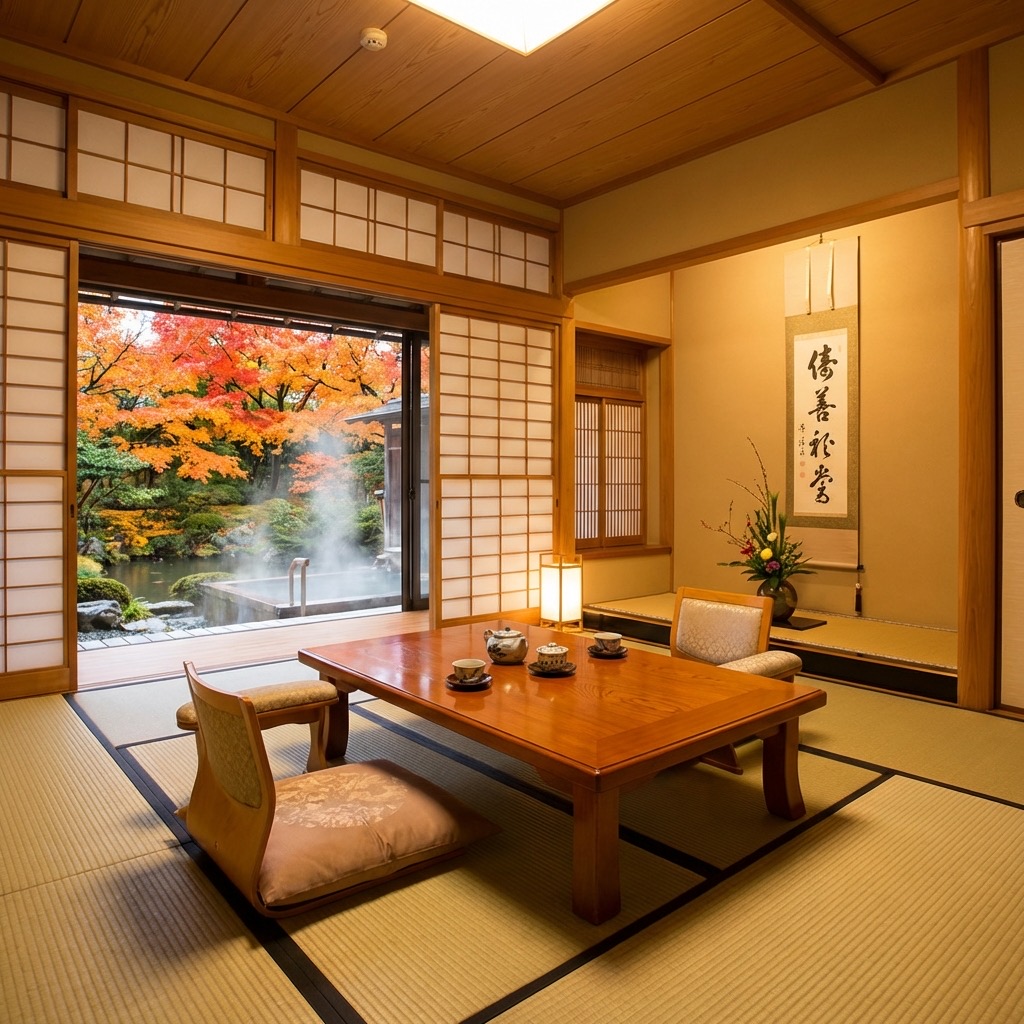
For the best experience, stay in the Chuo-ku district near the Shinano River. This area blends the convenience of urban Niigata with the serene, waterfront views that define the city's character.
Getting There
From JR Niigata Station, take the 'C8' line bus (City Loop) and alight at 'Hakusan-koen-mae'. Buses run every 15-20 minutes. Alternatively, a taxi is a 10-minute ride.
FAQ
Inspired?
Share this destiny with someone special.