Welcome to Gion District
To step into Gion is to transcend the modern world and enter a living masterpiece of Japanese heritage. The district breathes with the scent of aged cedar and the faint, powdery aroma of incense drifting from hidden tea houses. As the sun dips below the Higashiyama mountains, the cobblestone streets of Gion emerge in a soft, amber glow, echoing with the rhythmic 'click-clack' of wooden geta sandals. This is the heart of Kyoto’s geiko culture, a place where tradition is not just preserved, but vibrantly performed. Whether you are seeking the spiritual silence of an ancient Zen garden or the refined complexity of a multi-course kaiseki meal, Gion offers an sensory odyssey that stays with you long after the lanterns have dimmed.
Yasaka-jinja Shrine
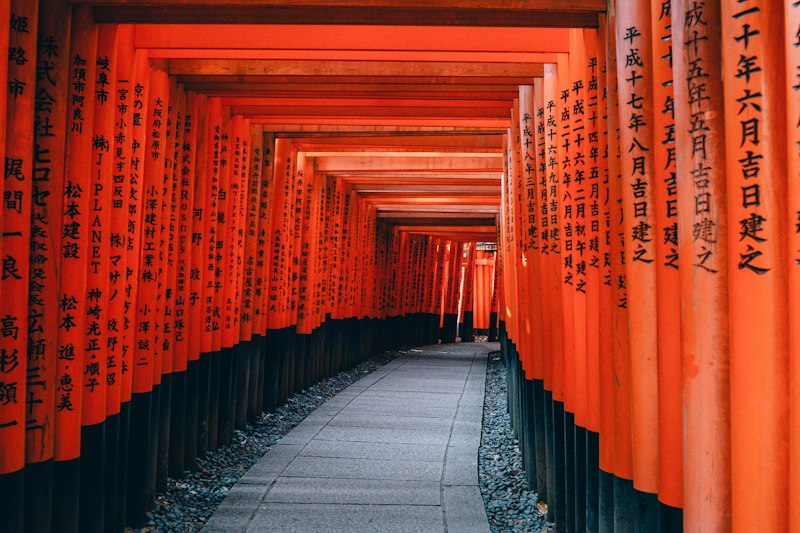
Standing as the spiritual guardian of Gion, Yasaka-jinja is a vibrant spectacle of vermilion architecture and spiritual energy. As the evening lanterns flicker to life on the central dance stage, the shrine transforms into a celestial sanctuary. The air here feels heavy with centuries of prayers, and the sight of locals performing the traditional bow-and-clap ritual adds a profound layer of cultural immersion. It is a 'power spot' believed to grant beauty and prosperity, making it an essential pilgrimage for those seeking both aesthetic inspiration and spiritual rejuvenation.
Hanamikoji Street
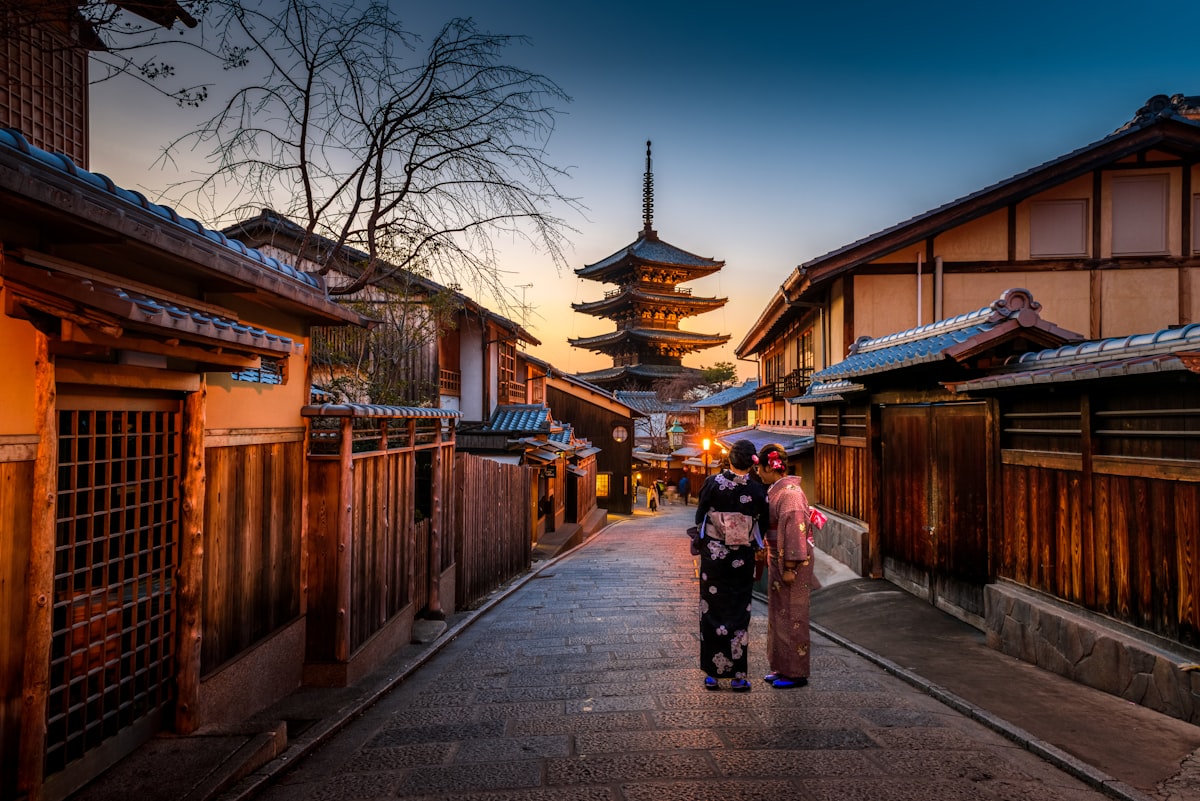
This is the most iconic thoroughfare in Gion, lined with meticulously preserved 'machiya' townhouses that serve as exclusive 'ochaya' (tea houses). Walking down Hanamikoji is akin to navigating a high-definition historical film set. The visual texture of dark wood lattices against the pale stone path creates a sophisticated aesthetic that defines Kyoto style. If you are fortunate, you may catch a fleeting glimpse of a Geiko or Maiko moving gracefully between appointments—a sight that feels like a rare, living brushstroke of history across the canvas of the present day.
Kennin-ji Temple
As the oldest Zen temple in Kyoto, Kennin-ji offers a masterclass in minimalist beauty and profound artistic expression. The highlight is the 'Twin Dragons' mural on the ceiling of the Hatto hall, where two massive, ink-brushed dragons coil with a fierce intensity that seems to vibrate through the floorboards. The temple’s 'Circle, Triangle, Square' garden invites deep contemplation, using simple shapes and raked gravel to represent the fundamental elements of the universe. It is a sanctuary of absolute stillness amidst the bustling energy of the surrounding district.
Local Soul Food
Tastes you can't find anywhere else.

Gion Kaiseki Ryori
Indulge in the pinnacle of Japanese culinary art. Each course is a choreographed dance of seasonal flavors, featuring the velvet embrace of Kyoto silk-tofu, the buttery melt of premium local wagyu, and the crisp, clean snap of mountain vegetables. The presentation is as vital as the taste, with dishes served on antique ceramics that mirror the changing seasons outside.
Saba-Sushi (Mackerel Sushi)
A Gion specialty with deep historical roots. This is not your typical nigiri; the mackerel is expertly cured in salt and vinegar, then pressed onto a bed of sweet, heavy rice and wrapped in a thin layer of translucent kombu. The result is a sophisticated balance of sharp acidity and rich, fatty umami that lingers beautifully on the palate.
Warabi Mochi
A translucent, jelly-like confection made from bracken starch, dusted in a generous coating of nutty, toasted soybean powder (kinako). It possesses a unique, cooling texture that dissolves almost instantly, leaving behind a subtle sweetness that is perfectly complemented by a drizzle of rich, dark Okinawan brown sugar syrup.
Premium Stays
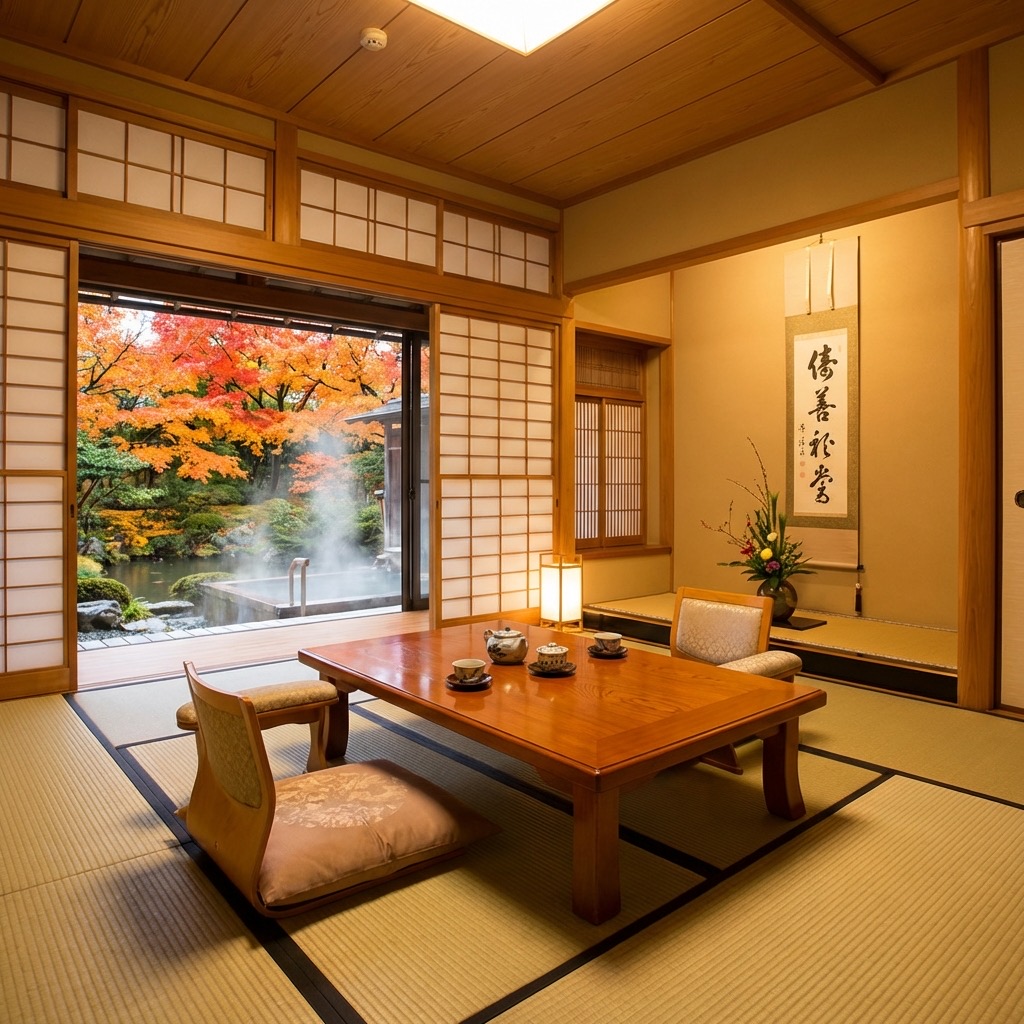
To truly absorb the essence of Gion, staying within the district allows you to experience the magical transition of the streets from the morning mist to the lantern-lit mystery of the night. Choosing a property that blends traditional 'machiya' aesthetics with modern luxury ensures a seamless and rejuvenating stay.
Getting There
From Kyoto Station, take the City Bus 206 or 100 to the Gion stop. Alternatively, use the Keihan Main Line to Gion-Shijo Station, which is a 5-minute walk from the heart of the district. Taxis are recommended for late-night returns to avoid the crowded bus queues.
FAQ
Inspired?
Share this destiny with someone special.