Welcome to Morioka
Nestled beneath the watchful eye of Mount Iwate, Morioka is a city where the air feels cleaner and the passage of time slows to the rhythm of a Nanbu iron kettle’s boil. As you walk the streets, the saline mist of the Kitakami and Nakagawa rivers mingles with the earthy aroma of aged cedar and simmering miso. This is not just a transit point; it is a sanctuary of refined craftsmanship and culinary heritage. From the rhythmic clatter of Wanko Soba bowls to the stoic elegance of Meiji-era architecture, Morioka invites you to experience a Japan that remains fiercely authentic, deeply spiritual, and breathtakingly serene. Prepare to lose yourself in a landscape of moss-covered stone walls and vibrant, soul-stirring traditions.
Morioka Castle Site Park (Kozukata Park)
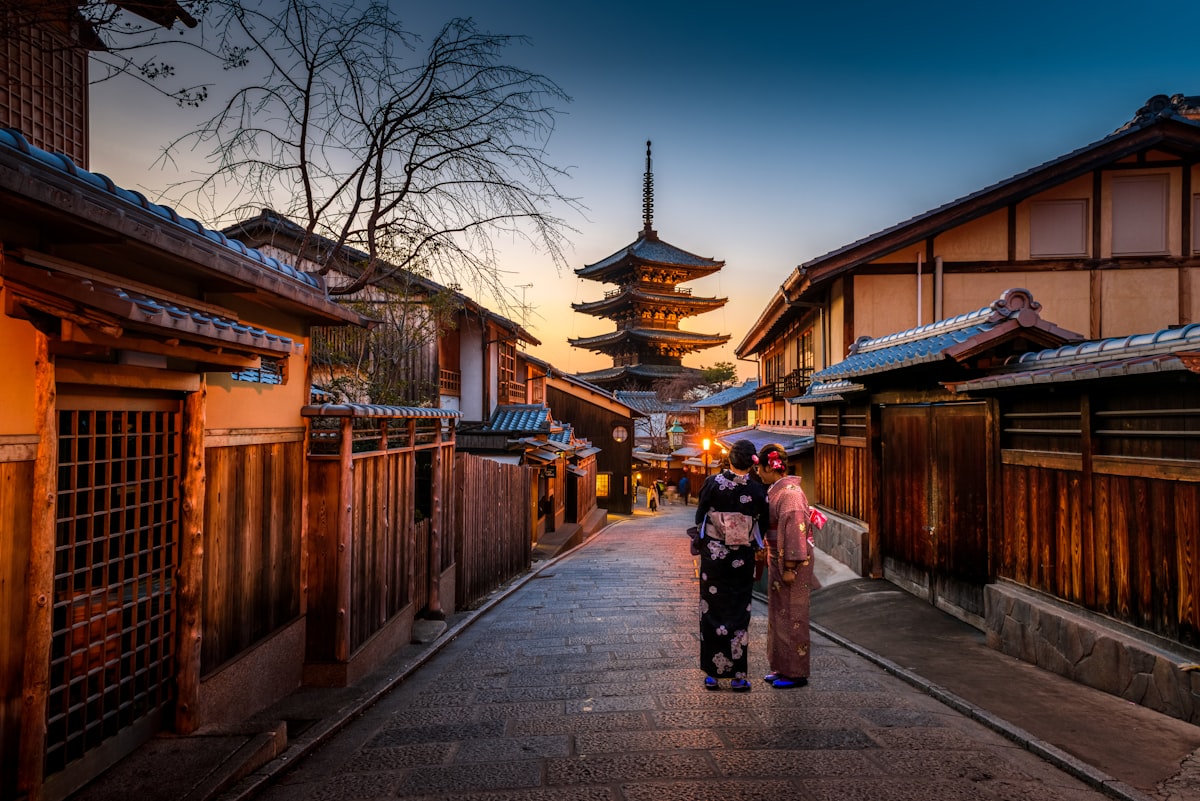
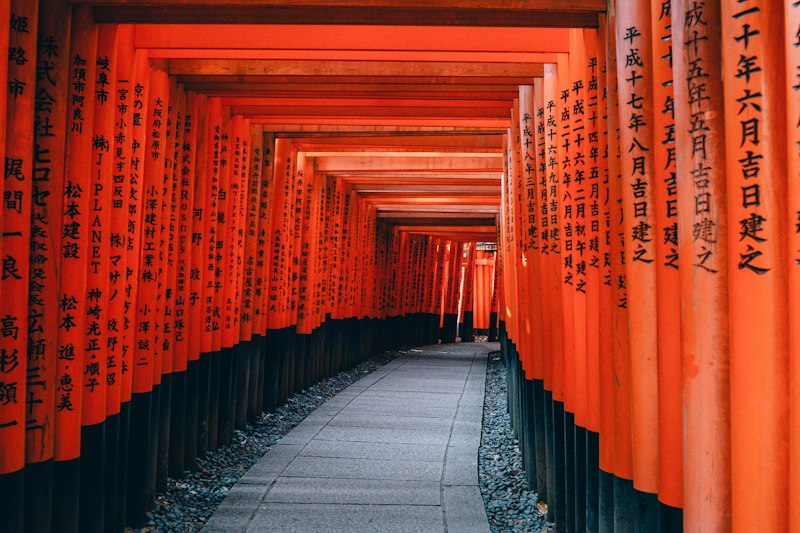
Walk upon the formidable granite foundations that once supported the seat of the Nanbu Clan. Though the wooden towers are gone, the massive stone walls—some of the most impressive in Tohoku—stand as a testament to samurai engineering. In spring, a canopy of cherry blossoms creates a pink haze against the grey stone; in autumn, the maples ignite in a fiery crimson. The air here is thick with the scent of damp earth and pine, offering a profound sense of tranquility just steps from the city center.
Hoon-ji Temple & The 500 Arhats
Step into a realm of silent contemplation within the Rakan-do hall. Here, 499 uniquely carved wooden statues of Arhats gaze back at you, each possessing a distinct facial expression—some laughing, some weeping, some lost in thought. The scent of sandalwood incense clings to the dark wood, and the cool, still air inside the temple creates a powerful spiritual vacuum. Legend says that if you look closely enough, you will find the face of a departed loved one among the myriad of figures.
Bank of Iwate Red Brick Building
A masterpiece of Meiji-era design, this iconic structure was designed by Kingo Tatsuno, the same visionary behind Tokyo Station. The contrast of deep red brick against white granite accents is a visual feast, reflecting Morioka's rapid modernization in the early 20th century. Inside, the high ceilings, ornate chandeliers, and polished wood evoke a sense of nostalgic luxury. It stands as a proud sentinel at the intersection of the old mercantile district and the modern city, bridging two eras of Japanese ambition.
Local Soul Food
Tastes you can't find anywhere else.
Wanko Soba
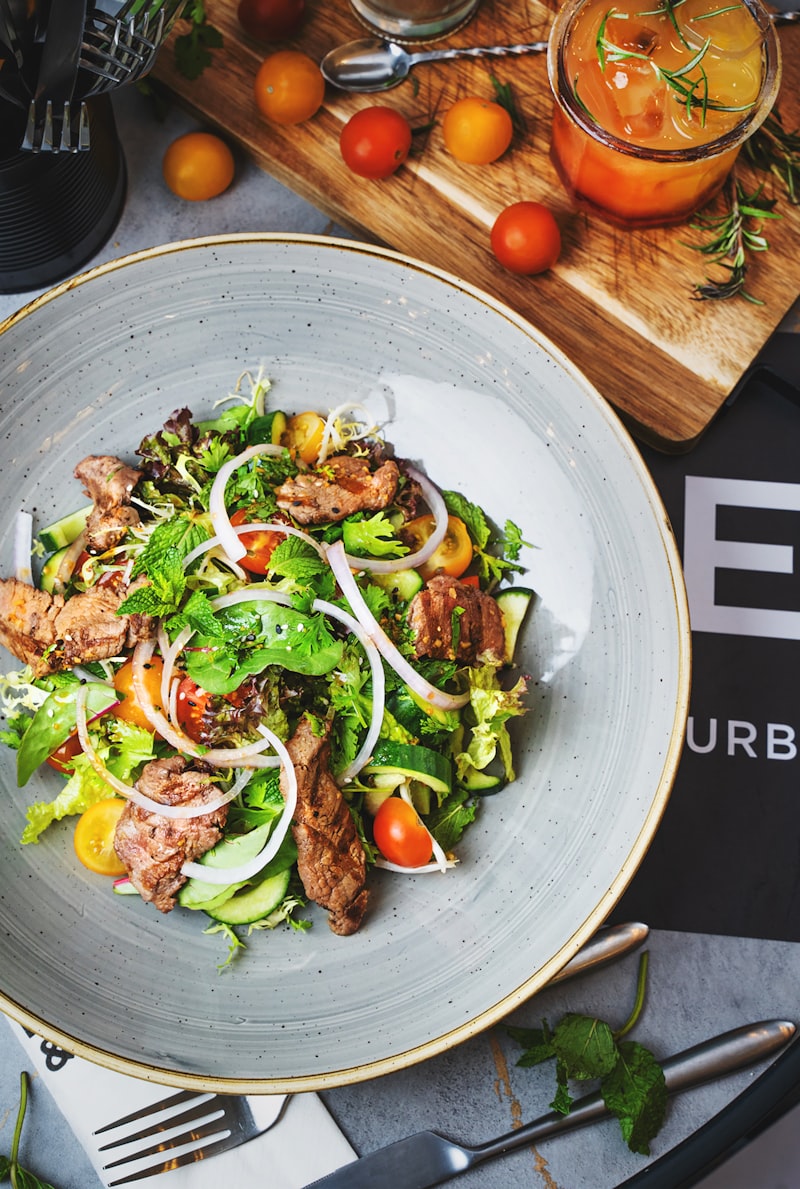
Experience the ultimate culinary performance. Small mouthfuls of buckwheat noodles are tossed into your bowl in a rhythmic, high-speed sequence accompanied by the server's chant of 'Hai, don-don!' The noodles are silky and cool, meant to be swallowed whole with a variety of toppings like sashimi, nameko mushrooms, and grated radish. It is a test of endurance and a celebration of hospitality that leaves you breathless and satisfied.
Morioka Reimen
Born from Korean roots and refined in Iwate, these translucent, starch-based noodles offer a uniquely chewy, 'rubbery' texture that is incredibly addictive. Served in a chilled, rich beef broth with a side of spicy kimchi and a slice of seasonal fruit (like watermelon or pear) to cleanse the palate, it provides a sophisticated balance of heat, umami, and refreshing sweetness that dances on the tongue.
Morioka Jajamen
The ultimate comfort food. Thick, udon-like noodles are topped with a savory, dark meat-miso paste, cucumber, and green onions. The magic happens at the table: you mix in ginger, vinegar, and chili oil to your liking. Once finished, crack a raw egg into the remaining sauce, add hot noodle water, and enjoy 'Chitantan'—a soul-warming soup that completes the ritual. The texture is rich, creamy, and deeply savory.
Premium Stays
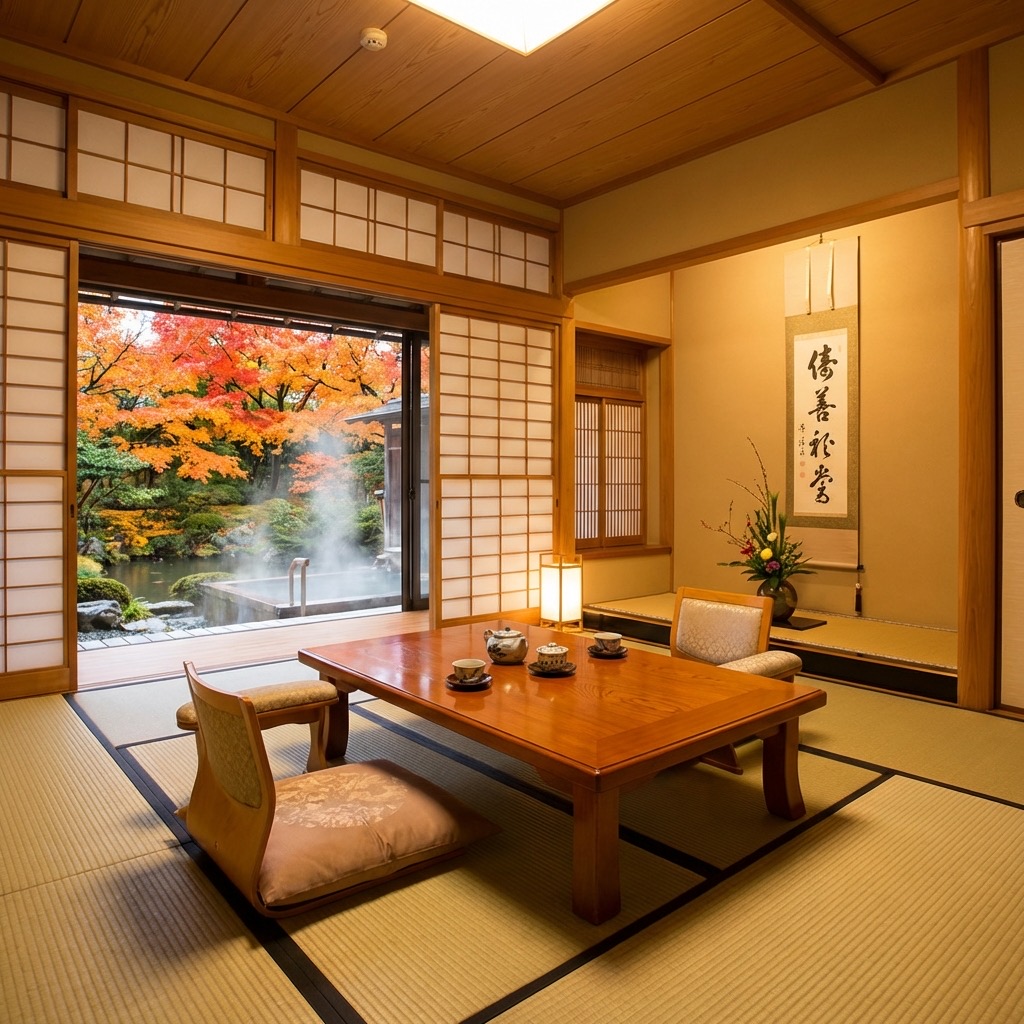
For the quintessential Morioka experience, stay near the Nakatsugawa River for scenic morning walks, or choose the station area for unparalleled access to the Shinkansen and local dining hubs.
Getting There
Morioka is a primary stop on the Tohoku Shinkansen. From Tokyo, the Hayabusa train whiskes you here in comfort. Within the city, the 'Denden-mushi' loop bus covers all major tourist spots for a flat fee. Taxis are plentiful near the station, but the city is remarkably walkable.
FAQ
Inspired?
Share this destiny with someone special.