Welcome to Nijo Market
Stepping into Nijo Market is a visceral awakening. The air is thick with the saline mist of the North Pacific, punctuated by the rhythmic percussion of knives meeting wooden blocks. For over a century, this labyrinth of stalls has served as Sapporo’s culinary heartbeat, where the vibrant colors of King Crab and the glistening amber of ikura create a kaleidoscope of indulgence. Beyond the commerce lies a spiritual connection to Hokkaido’s rugged seas, a place where the morning light filters through steam-filled alleys to reveal the true essence of northern hospitality. To visit Nijo is not merely to eat; it is to witness the theater of the ocean’s daily gift to the land.
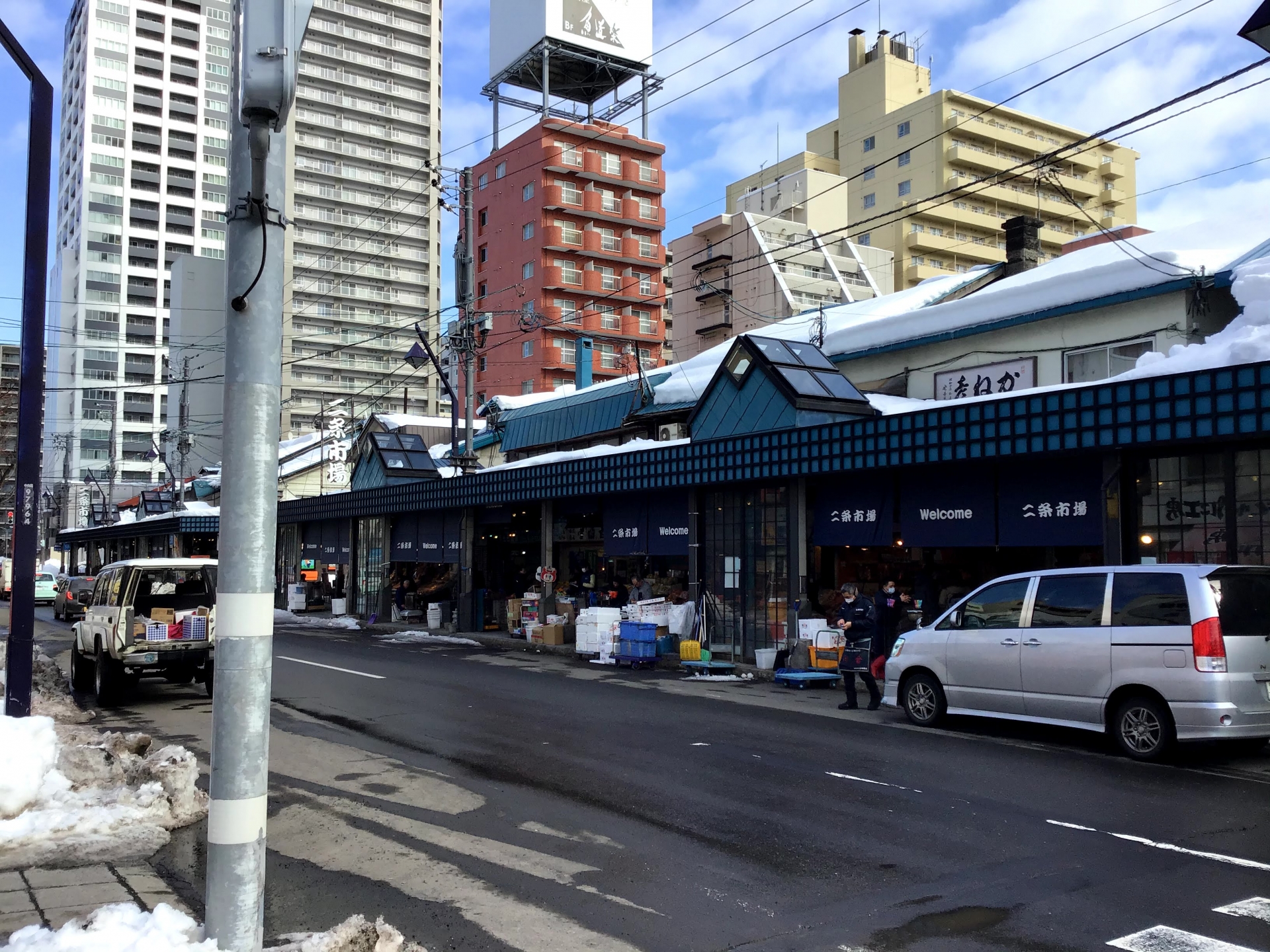
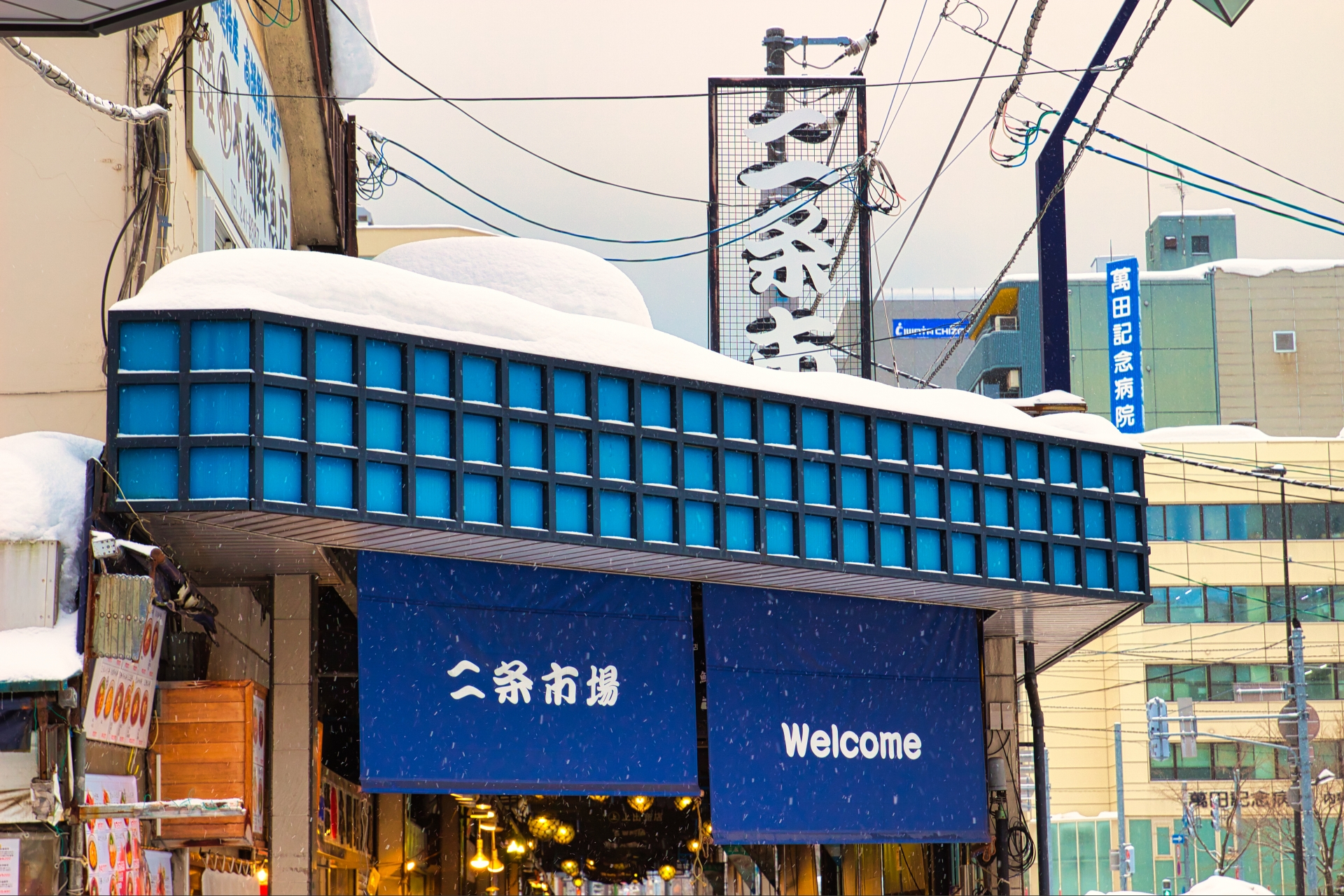
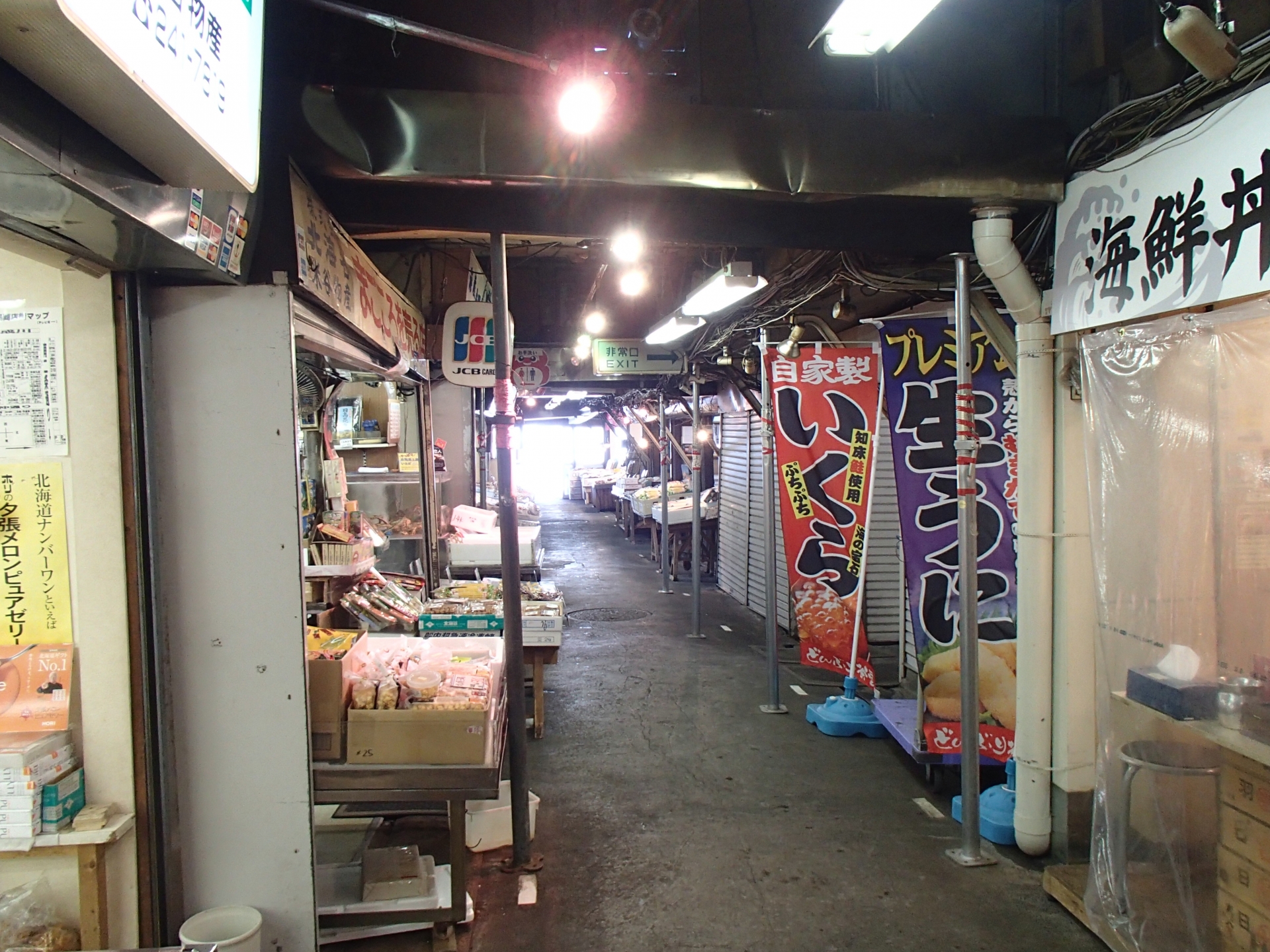
The Historic Central Corridor
The spine of Nijo Market is a sensory odyssey. Here, the legacy of Meiji-era fishmongers lives on in the weathered wooden stalls and the spirited calls of vendors. As you walk, the scent of charcoal-grilled scallops mingles with the cold, crisp Hokkaido air. It is a place to witness the art of the 'Iki'—the lively spirit of the market—where every interaction is a masterclass in local tradition and the deep respect for the sea's harvest.
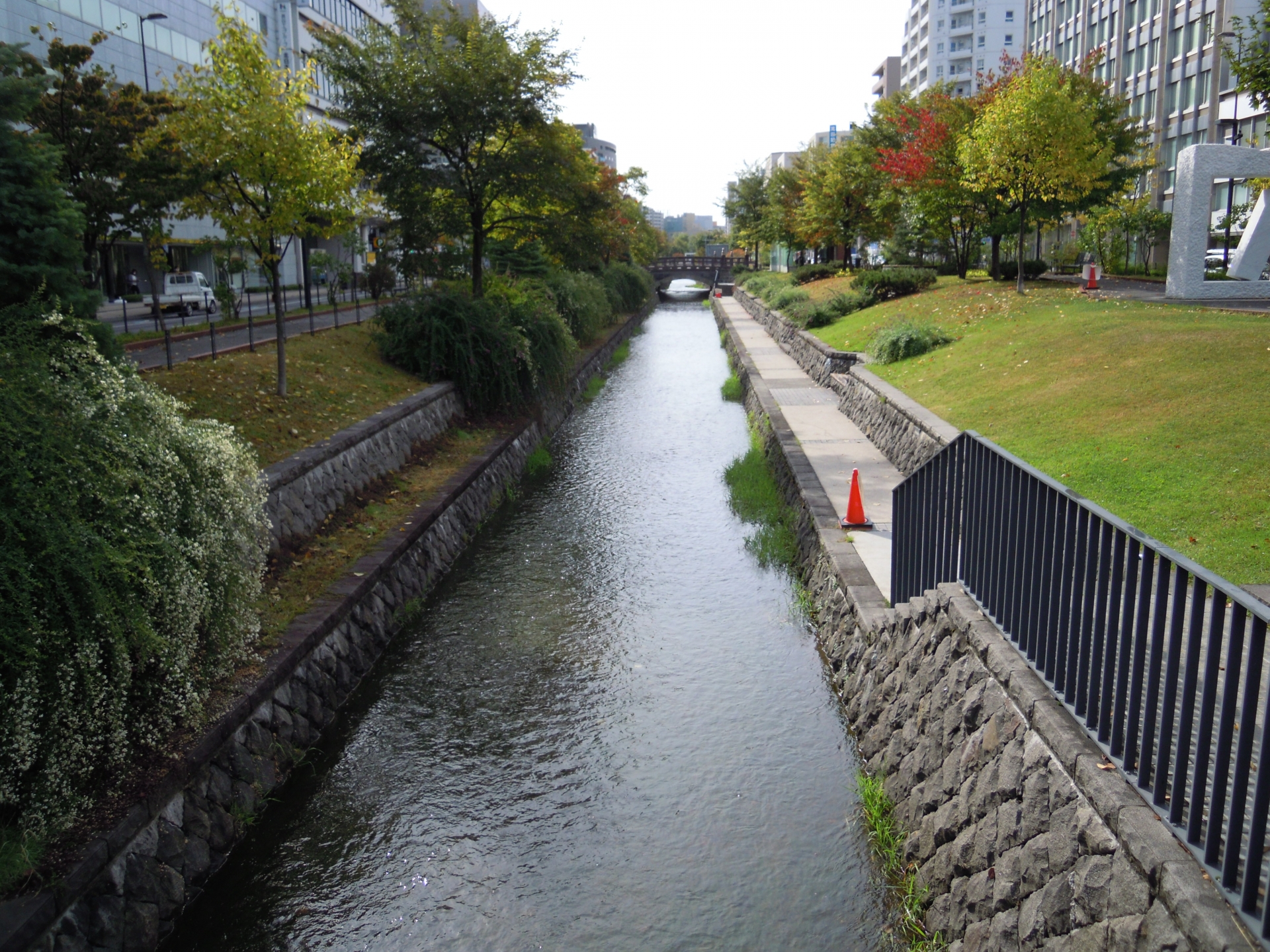
Sosei Bridge & Canal
Just steps from the market's edge, Sosei Bridge offers a moment of architectural serenity. This historic crossing over the Sosei River serves as a gateway between the bustling market and the modern city. The willow-lined banks provide a tranquil contrast to the market's energy, offering a picturesque vantage point to watch the city wake up. It is a 'power spot' where the flow of water symbolizes the continuous prosperity of Sapporo's trade history.
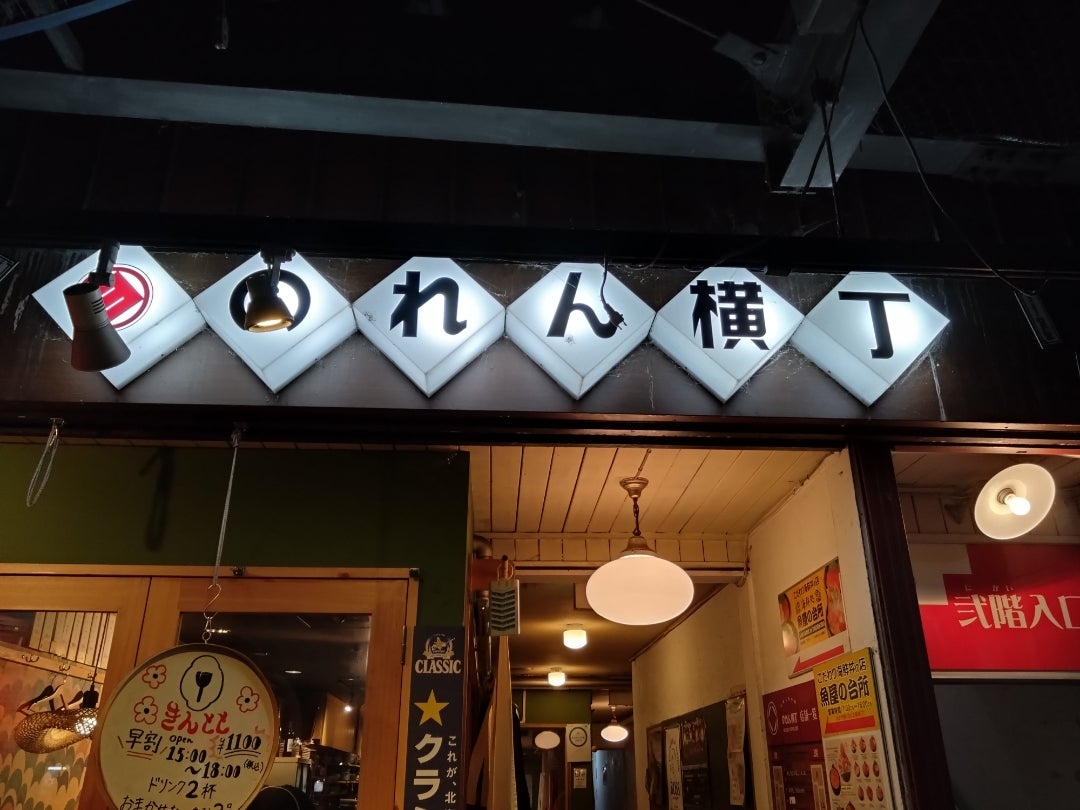
Noren Yokocho Alleys
Tucked behind the main stalls lies Noren Yokocho, a narrow passage of tiny, atmospheric eateries and artisan shops. This is the market’s 'hidden' dimension, where the walls are lined with vintage posters and the air is warm with the steam of miso soup. It provides a more intimate look at the lives of the market workers and local residents, offering a nostalgic journey back to the Showa era through its tight-knit architecture and cozy charm.
Local Soul Food
Tastes you can't find anywhere else.
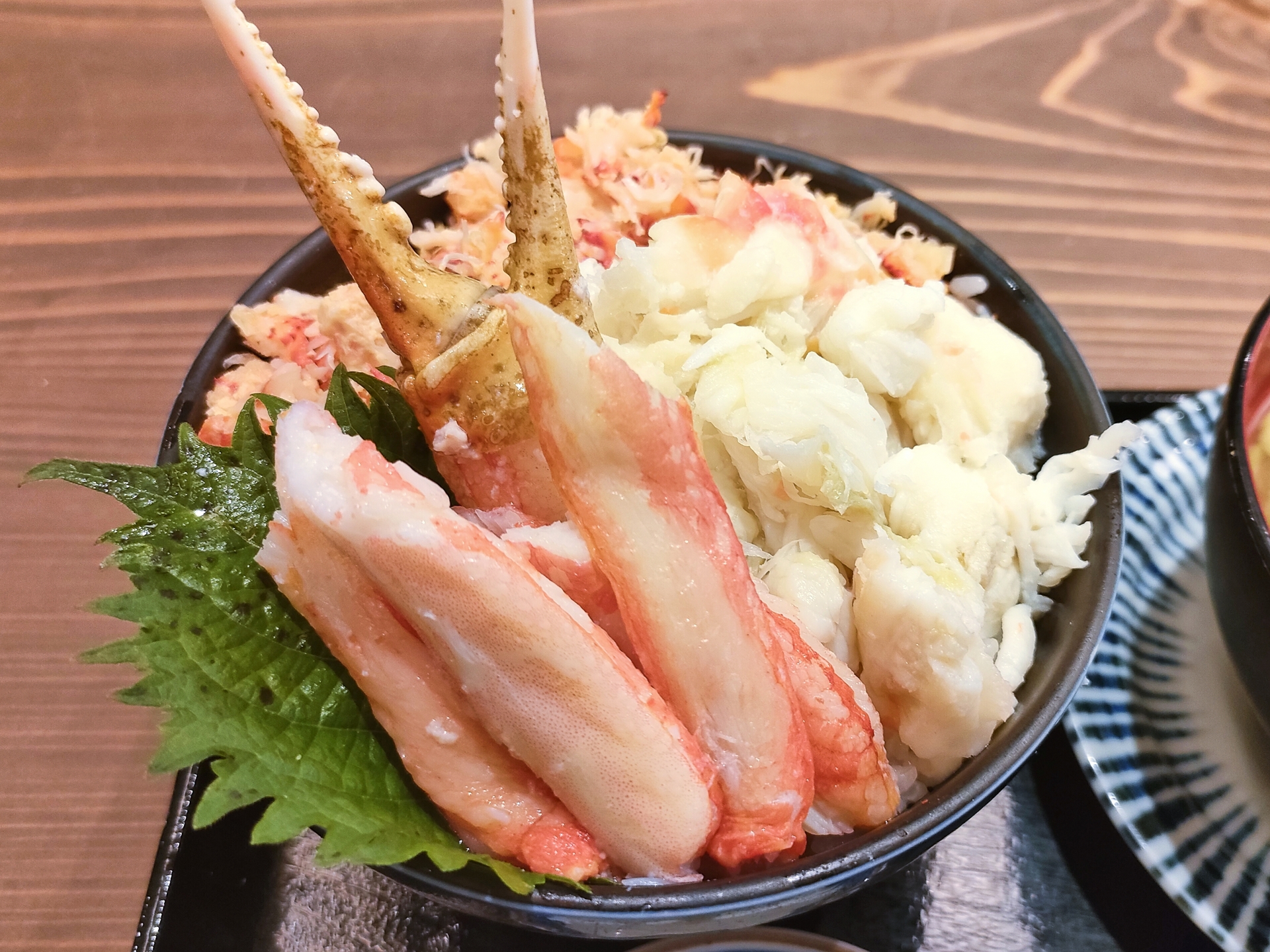
Premium Kaisen-don (Seafood Bowl)
A masterpiece of marine luxury, this bowl is crowned with the buttery melt of premium uni and the explosive snap of soy-marinated ikura. Every bite is a testament to the cold-water richness of Hokkaido, offering a velvety texture and a sweetness that only the freshest catch can provide.
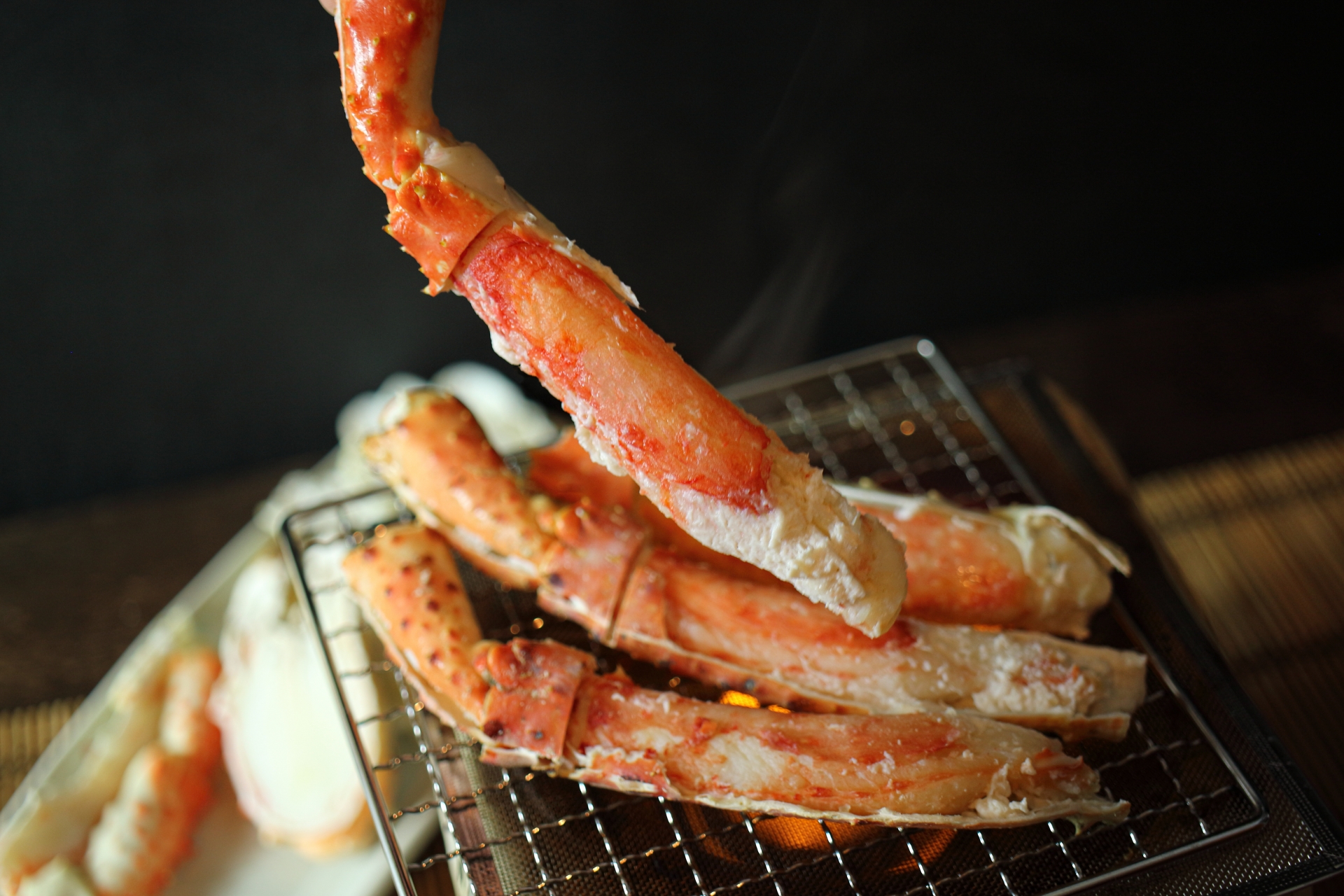
Charcoal-Grilled Taraba Crab
Experience the intoxicating aroma of sea salt meeting glowing embers. The King Crab legs are grilled to perfection, intensifying their natural sweetness while adding a delicate smoky char. The meat is succulent and firm, pulling away from the shell in thick, satisfying ribbons of flavor.
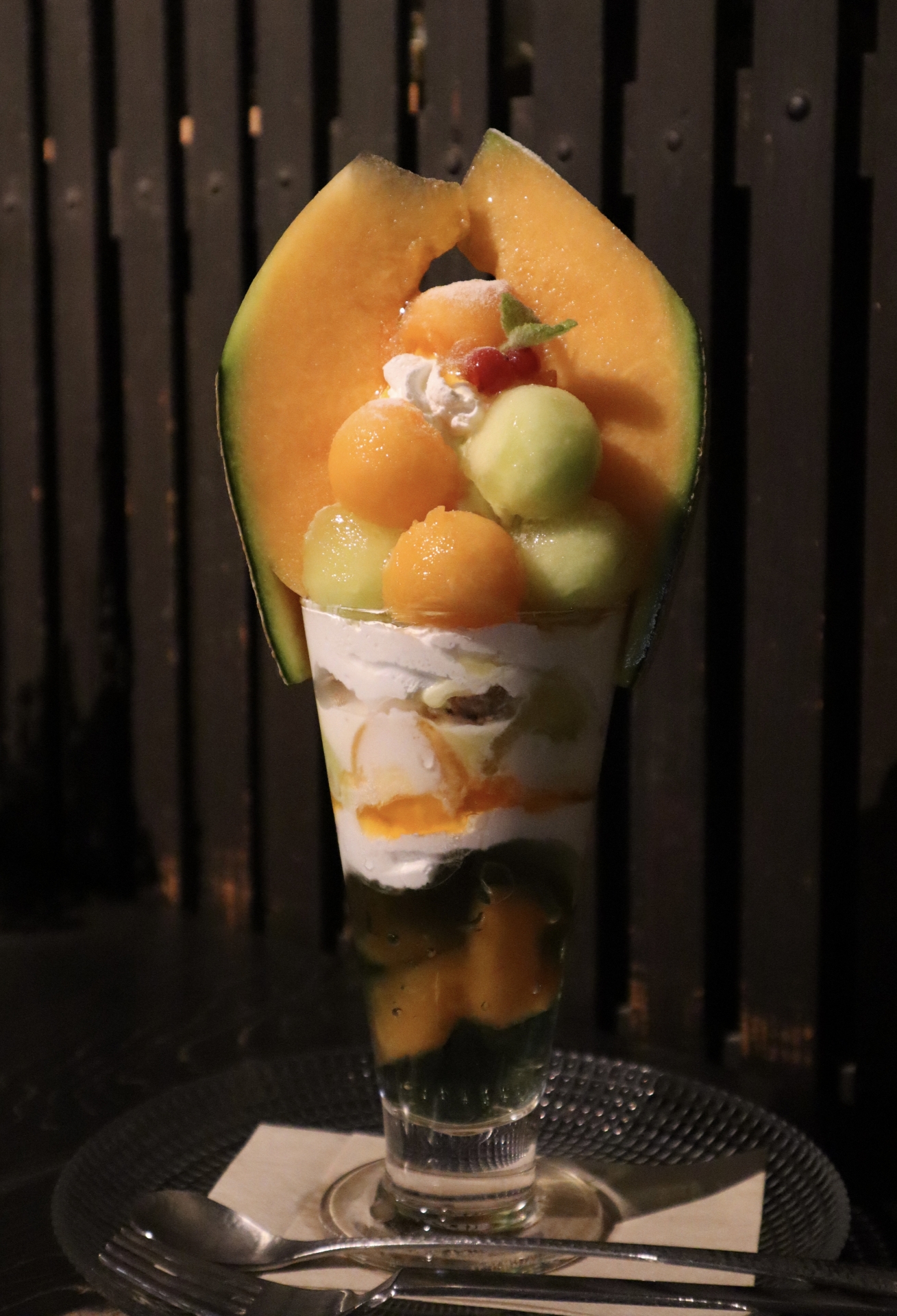
Hokkaido Melon & Soft Serve Parfait
The ultimate palate cleanser. A thick wedge of vibrant orange Yubari King melon, celebrated for its floral sweetness and incredible juiciness, topped with iconic Hokkaido milk soft serve. The contrast between the chilled fruit and the creamy, rich dairy is a symphony of local indulgence.
Premium Stays
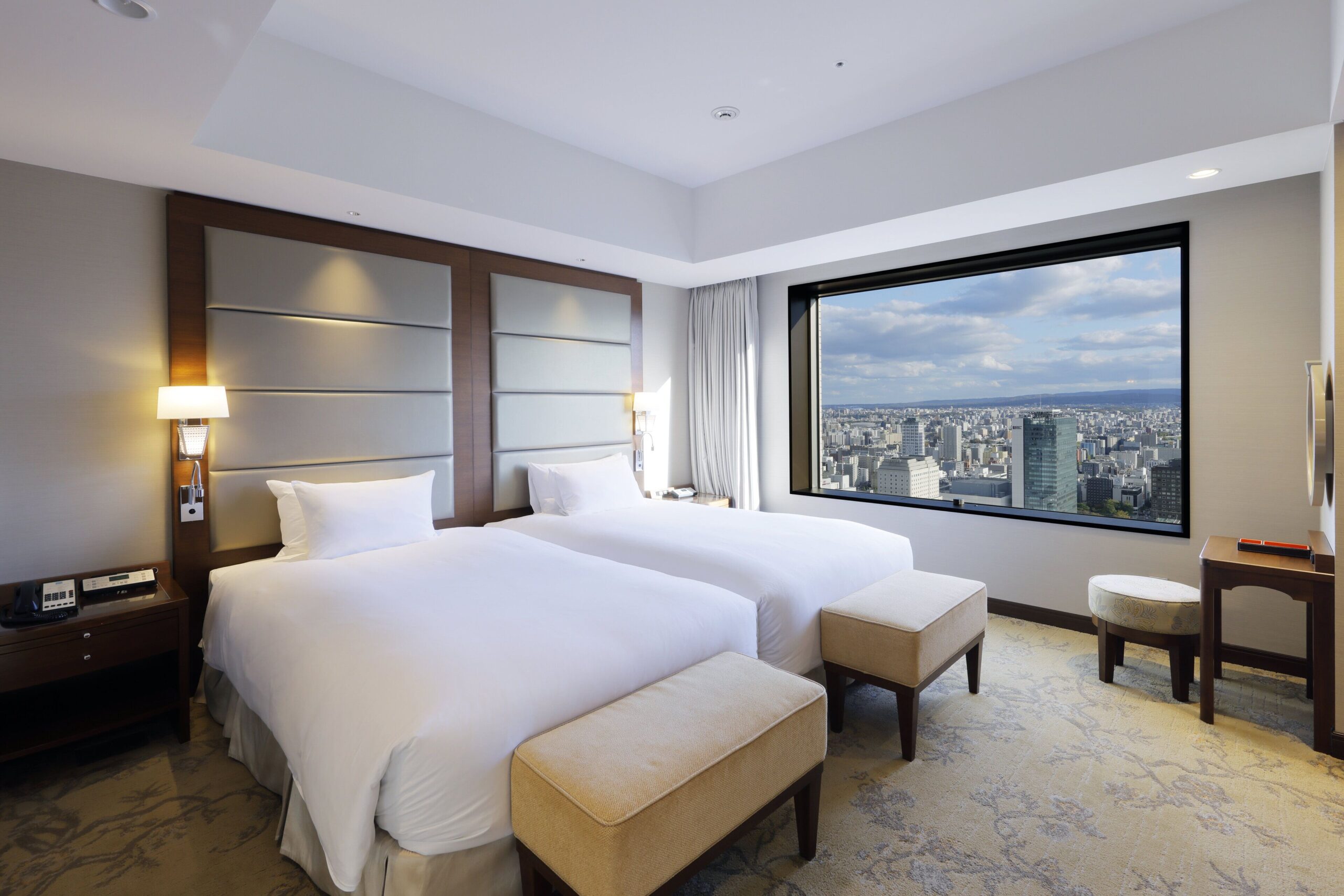
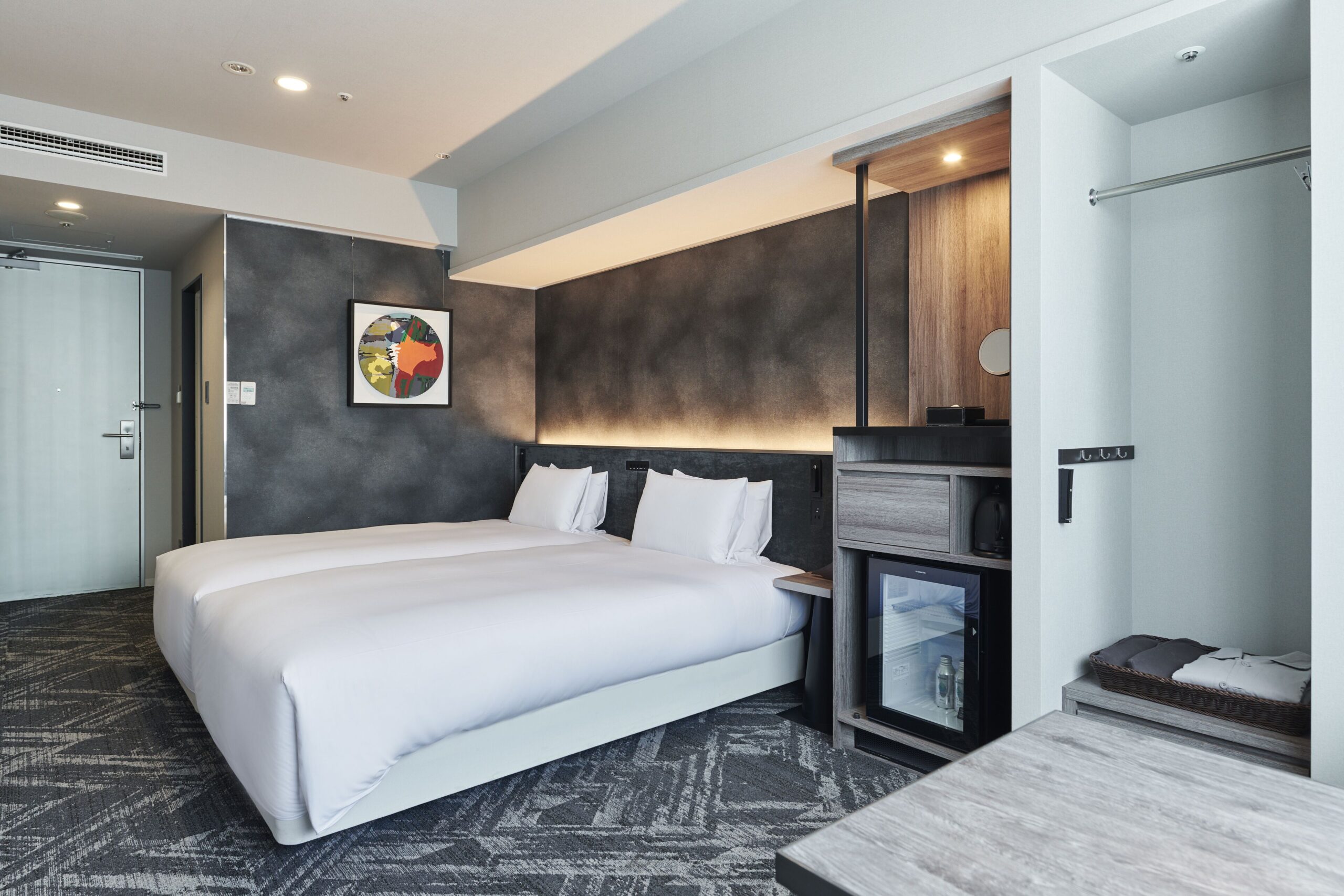
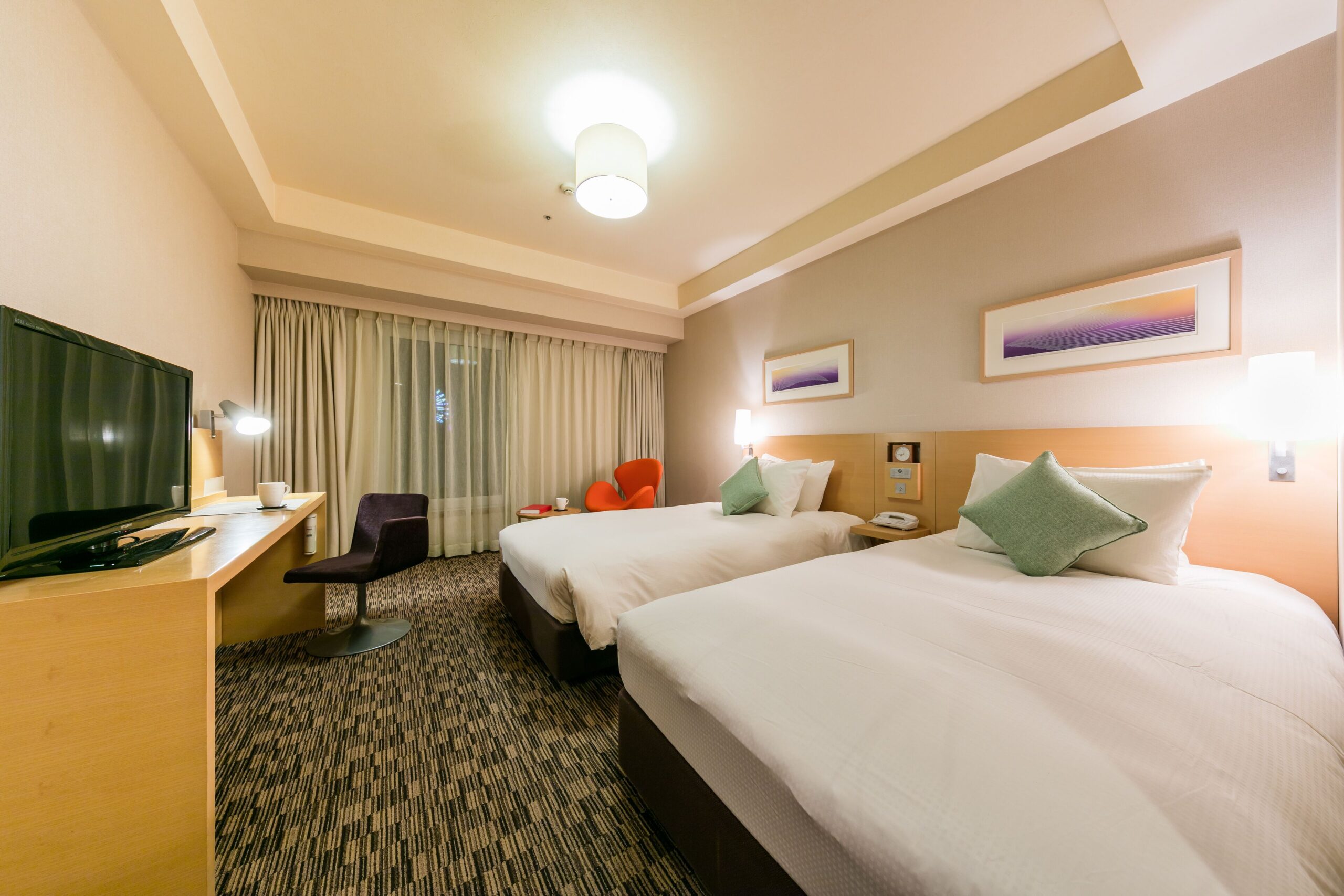
To truly capture the essence of Sapporo, stay in the Chuo Ward. This area places you within walking distance of Nijo Market, allowing you to beat the crowds and enjoy the 'Ichiba-meshi' (market breakfast) before the city fully awakens.
Getting There
The market is a 5-minute walk from Hosui-Susukino Station on the Toho Subway Line, or a 10-minute walk from Odori Station. From JR Sapporo Station, it is a pleasant 15-minute stroll through the city center.
FAQ
Inspired?
Share this destiny with someone special.