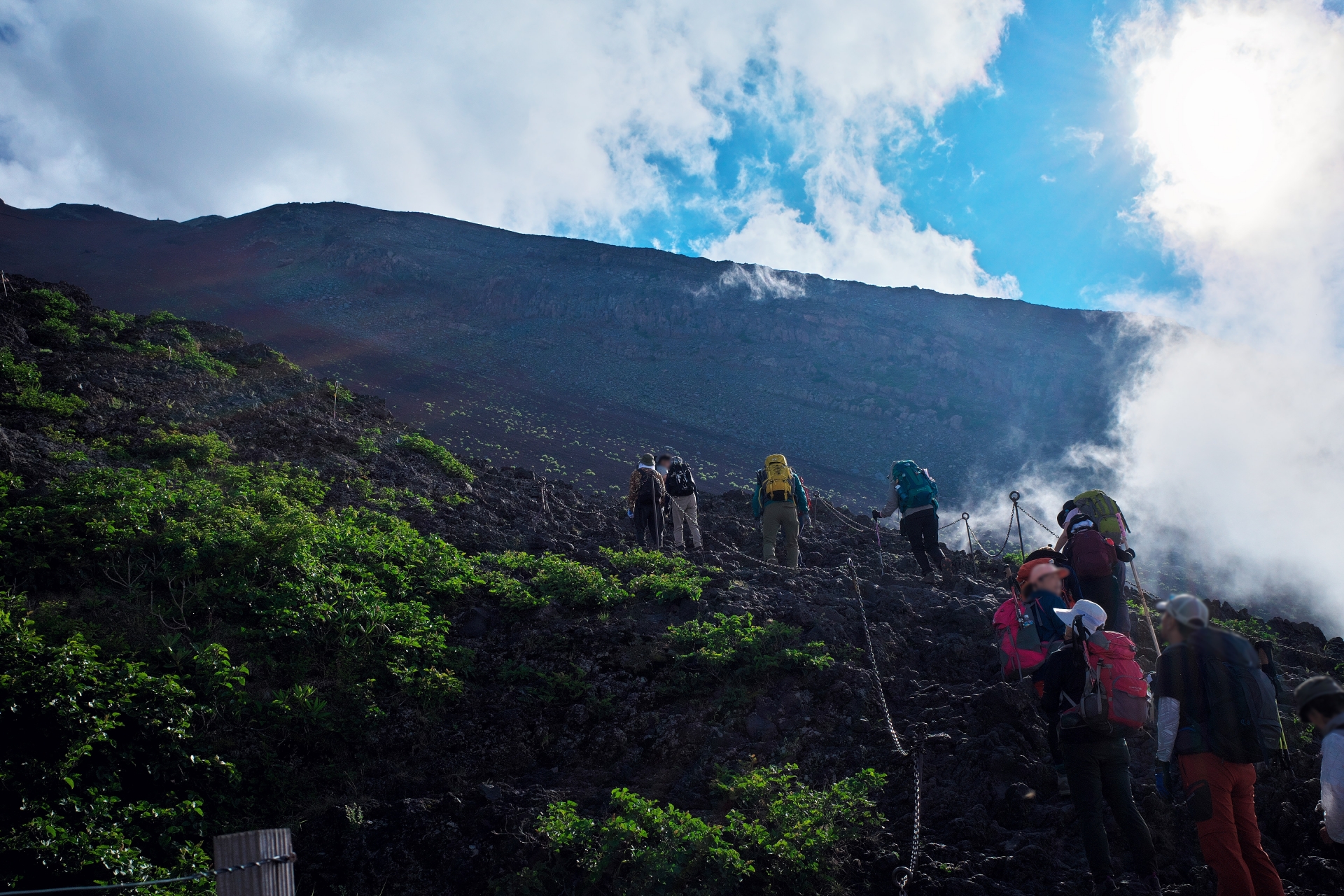
The Shocking Reality of the 'No Entry' Sign
I remember back in 2019 when I could just hop on a bus from Shinjuku, arrive at the Mt. Fuji 5th station, and start my ascent without a care in the world. Fast forward to 2025, and that carefree attitude will get you a very polite, but very firm, 'No' from a ranger. I recently stood at the trailhead and watched a group of heartbroken travelers realize they couldn't hike because they hadn't pre-paid the mandatory climbing fee or secured a reservation. It’s not just Fuji, either. From the pristine marshes of Ozegahara to the ancient cedars of Yakushima, Japan is rolling out trail limits faster than you can say 'Okaeri.' The vibe has shifted from 'everyone is welcome' to 'everyone is welcome, provided you have a QR code.' I found that the best way to handle this is to treat your hiking trails like you treat your flights—book them as soon as your itinerary is set. If you are worried about the clunky official government websites, I highly recommend using a trusted third-party service that aggregates these permits and guided walks into one easy checkout.
Best Seller
Mt. Fuji Guided Climbing Tours
The easiest way to bypass the confusing booking portals and ensure your permit is handled by pros.
Check Availability
This saved me hours of frustration when I was trying to secure a spot for the sunrise hike last July. The reality is that overtourism has forced Japan's hand. The Yoshida Trail, which is the most popular route up the mountain, now has a hard cap of 4,000 hikers per day. This isn't just a suggestion; it's a gate-controlled system. You have to pay a 2,000 yen entry fee just to step onto the trail, and they strongly suggest another 1,000 yen for conservation. On top of that, if you want to stay in a mountain hut, those sell out even faster—often within minutes of opening in the spring. I've seen people try to 'bullet climb' (hiking through the night without sleep) to avoid the hut issue, but the new rules are cracking down on that too for safety reasons. The best advice I can give is to check the official Yamanashi Prefecture booking portal the second it opens, usually in May. If you miss that window, don't lose hope, but definitely don't just show up at the 5th station expecting to wing it. The rangers are there to protect the mountain, and they take the daily caps very seriously to prevent the 'human traffic jams' that used to plague the summit at sunrise.
Why the Rules Changed So Fast
It’s easy to get annoyed, but after talking to some local guides, I realized why this had to happen. The trails were literally eroding under the weight of millions of boots. By introducing a daily cap—usually around 4,000 people for the main Fuji trail—the experience is actually much better for us. No more 'human traffic jams' on the way to the summit! I actually enjoyed my last hike way more because I wasn't constantly elbowing other tourists. The key is knowing which parks require reservations. While Fuji is the big one, Kamikochi also restricts private vehicle access to protect the air quality, and certain 'Special Protection Zones' in Daisetsuzan now require an online orientation before you can even step foot on the moss. What's even better is that the funds from these new fees are going directly back into trail maintenance and better facilities. I noticed the toilets and rest areas were significantly cleaner than they were five years ago. It's a trade-off: a little more paperwork for a much higher-quality nature experience. If you're a beginner-friendly hiker, these managed trails are actually safer because the rangers have a better handle on who is on the mountain at any given time.
My Secrets for Snagging a Spot When Everything Looks Full
So, what happens if you’re like me and you occasionally forget to plan six months ahead? Don't panic. I discovered a few shortcuts that the official brochures don't really emphasize. First, the 'Cancellation Refresh.' Most booking systems for Japanese national parks release canceled spots at midnight JST. I spent one late night in a Tokyo hotel room hitting refresh and managed to snag a spot for a restricted trail in Nikko. It takes patience, but people cancel their plans all the time, especially as the weather forecasts become clearer a few days before the hike. Second, look for the 'Guided Tour Loophole.' Often, local tour operators have a separate block of permits that aren't available to the general public. If the official site says 'Sold Out,' check the local hotels or specialized trekking agencies. I’ve found that staying at a high-end ryokan near the park entrance often gives you access to 'guest-only' shuttle buses or trail permits that are otherwise impossible to find.
Traveler's Choice
Luxury Ryokans in Kawaguchiko
Many of these premium stays offer shuttle services and help with local trail permits for guests.
View Hotels
I did this in Hakone last year and it turned a potential disaster into a luxury weekend with a private view of the mountains. Another pro tip is to look at the 'alternative' trails. While the Yoshida Trail is the one everyone knows, the Shizuoka side of Mt. Fuji (Subashiri, Gotemba, and Fujinomiya trails) has historically had different regulations, though they are also moving toward more management. If you're a seasoned hiker, these trails offer a much quieter experience and sometimes have more flexible booking windows. Also, don't overlook the smaller national parks. While everyone is fighting over Fuji and Kamikochi, places like the Towada-Hachimantai National Park or the Sanriku Coast offer world-class hiking with almost zero red tape. If you're flexible with your destination, you can find that 'wild Japan' feeling without the digital headache of a reservation system. The bottom line is that being a savvy traveler in 2025 means being a bit of a digital detective.
2025 Trail Access Comparison: What You Need to Know
Not all parks are created equal. Some just want a small conservation donation, while others require a full-blown digital reservation. I put together this quick cheat sheet based on my travels this year to help you prioritize your planning. Remember, 'Optional' in Japan often means 'highly encouraged if you don't want to look rude,' so I always pay the small fees even if they aren't strictly enforced at the gate. For example, in Yakushima, the donation helps maintain the wooden boardwalks that protect the ancient roots of the cedar trees. In Shiretoko, the mandatory lecture is actually super interesting—it teaches you exactly what to do if you encounter a brown bear on the trail (hint: don't run!). The costs listed are approximate and can change based on the season or specific trail access points. What's important is knowing the 'Booking Window.' If you're planning a trip for the peak summer months of July and August, you need to be looking at these sites in March or April. For autumn colors in Kamikochi (October), start your planning in August. Being proactive is the only way to ensure you don't end up staring at a 'No Entry' sign while everyone else is enjoying the view. On top of that, always check the weather; even with a permit, trails can close instantly due to volcanic activity or typhoons.
| Location | Access Type | Cost (Approx) | Booking Window |
|---|---|---|---|
| Mt. Fuji (Yoshida) | Mandatory Reservation | 2,000 - 3,000 Yen | 3 Months Early |
| Kamikochi | Bus Only / No Cars | Around 3,500 Yen (Bus) | 1 Month Early |
| Yakushima | Voluntary Donation | Around 2,000 Yen | No Reservation |
| Shiretoko Goko | Mandatory Lecture | Around 500 Yen | On-site or Online |